


The Husqvarna Z248f is a popular zero-turn mower, but like any machine, it can face issues over time. Common problems include engine stalling, belt wear, steering malfunctions, and battery drain. With proper maintenance and timely fixes, most of these issues can be resolved. This guide walks you through the top problems, their causes, and practical solutions to keep your Z248f cutting efficiently.
Key Takeaways
- Engine Issues: Stalling, hard starts, or loss of power often stem from fuel, air filter, or spark plug problems—regular checks can prevent major breakdowns.
- Belt Wear and Slippage: Worn drive belts are a leading cause of poor mowing performance; inspecting and replacing belts every 200–300 hours is recommended.
- Steering Problems: Faulty steering controls or hydraulic fluid leaks can make maneuvering difficult; always check fluid levels and hoses first.
- Battery and Charging Failures: Dead batteries or faulty chargers are common, especially in cold weather; test voltage and connections regularly.
- Cutting Deck Malfunctions: Uneven cuts may result from dull blades, misaligned decks, or clogged spindles—clean and inspect weekly for best results.
- Hydraulic System Leaks: Leaks in hoses or seals reduce performance; early detection and seal replacement can prevent costly repairs.
- Preventive Maintenance: Scheduled oil changes, filter replacements, and blade sharpening extend the life of your Husqvarna Z248f significantly.
📑 Table of Contents
- Husqvarna Z248f Problems: A Complete Guide to Troubleshooting and Solutions
- Common Engine Problems and Fixes
- Belt Problems: Slippage, Wear, and Replacement
- Steering and Hydraulic System Issues
- Cutting Deck and Blade Issues
- Battery and Electrical Problems
- Preventive Maintenance Tips for the Husqvarna Z248f
- When to Call a Professional
- Conclusion
Husqvarna Z248f Problems: A Complete Guide to Troubleshooting and Solutions
The Husqvarna Z248f is a powerful and reliable zero-turn riding mower, prized for its cutting performance, durability, and ease of use. Designed for residential and light commercial use, it offers a smooth ride and precise control, making it a favorite among homeowners with large lawns. However, even the most well-built mowers can encounter issues—especially if not maintained properly. Over time, users may notice engine stalling, belt slippage, steering drift, or poor cutting quality. These problems, while frustrating, are often fixable with the right knowledge and tools.
In this comprehensive guide, we’ll walk you through the most common Husqvarna Z248f problems and provide step-by-step solutions. Whether you’re hearing a strange noise, noticing uneven cuts, or struggling to start the engine, you’ll find practical advice to get your mower back in top shape. We’ll also share maintenance tips to prevent future issues and keep your Z248f running like new for years.
Common Engine Problems and Fixes
Visual guide about Husqvarna Z248f Problems
Image source: farmsunseed.com
One of the most frequent complaints among Husqvarna Z248f owners is engine trouble. Whether it’s hard starting, stalling mid-mow, or loss of power, engine issues can quickly turn a pleasant mowing session into a headache. Let’s break down the most common culprits and how to fix them.
Engine Won’t Start or Hard to Start
If your Z248f struggles to start or refuses to turn over, the issue is often related to fuel, spark, or electrical systems.
Fuel System Issues: Old or contaminated fuel is a top cause. Gasoline can degrade over time, especially if the mower sits unused for weeks. Always use fresh fuel (less than 30 days old) and consider adding a fuel stabilizer for storage.
Air Filter Clogging: A dirty air filter restricts airflow, leading to a rich fuel mixture that makes starting difficult. Check the air filter every 50 hours of use. If it’s dusty or torn, replace it. For example, if you’ve used your mower in dusty conditions, inspect the filter weekly.
Spark Plug Failure: A worn or fouled spark plug can prevent ignition. Remove the plug, inspect it for carbon buildup or damage, and replace it if necessary. Use the correct type (typically Champion or equivalent) and ensure proper gap settings.
Battery and Charging System: A weak or dead battery is another common issue. Test the battery voltage with a multimeter—it should read around 12.6V when fully charged. If it’s below 12V, recharge or replace it. Also, check the charging system; a faulty alternator or loose belt can leave the battery undercharged.
Engine Stalling or Loss of Power
Stalling during operation often points to fuel delivery or air intake problems.
Fuel Filter Blockage: Over time, the fuel filter can clog, restricting fuel flow. Replace it every 100 hours or annually, even if it looks clean. A clogged filter can cause intermittent stalling, especially at higher RPMs.
Throttle or Governor Issues: The governor regulates engine speed. If it’s misadjusted or dirty, the engine may not maintain consistent power. Clean the governor linkage and check for obstructions. Also, ensure the throttle cable isn’t stuck or frayed.
Exhaust Blockage: A clogged muffler or catalytic converter can restrict exhaust flow, causing the engine to lose power. Inspect the exhaust system for carbon buildup or damage. In rare cases, a damaged muffler may need replacement.
Belt Problems: Slippage, Wear, and Replacement
Visual guide about Husqvarna Z248f Problems
Image source: denresidence.com
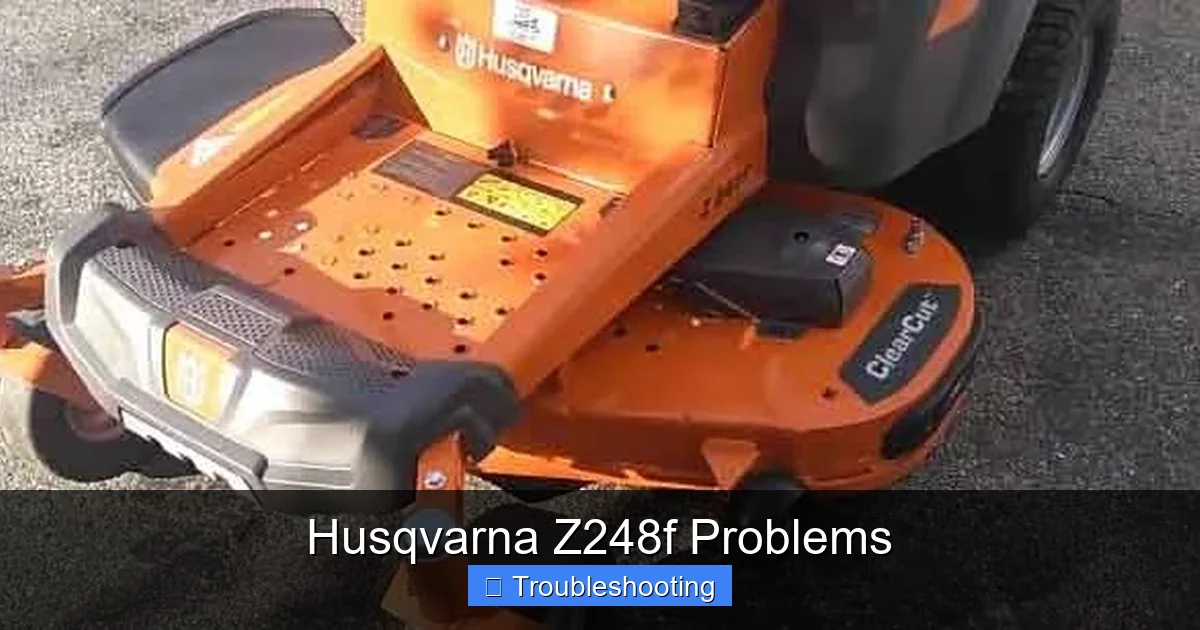
The drive belt is the lifeline of your Z248f, transferring power from the engine to the wheels. Over time, belts can wear, stretch, or break—leading to poor performance or complete failure.
Signs of Belt Wear
– Slipping sound: A high-pitched squeal when engaging the deck or turning.
– Reduced speed: The mower doesn’t move as fast as it should.
– Belt visible through slots: The belt is stretched or frayed.
– Burning smell: Indicates belt slippage due to friction.
How to Inspect and Replace the Belt
1. Turn off the engine and remove the key.
2. Lift the mower deck and secure it with stands.
3. Locate the belt routing diagram inside the mower—follow it carefully.
4. Remove the old belt using pliers or a belt tool.
5. Install the new belt in the correct path, ensuring it’s seated in all pulleys.
6. Check tension: The belt should have about 1/2 inch of deflection when pressed.
Pro Tip: Always replace drive belts in pairs if possible. Using a new belt with an old one can lead to uneven wear and premature failure.
Preventing Belt Issues
– Avoid mowing over debris that can cause belt wear.
– Keep the deck clean to reduce strain on the belt.
– Replace belts every 200–300 hours or every two years, whichever comes first.
Steering and Hydraulic System Issues
Visual guide about Husqvarna Z248f Problems
Image source: denresidence.com
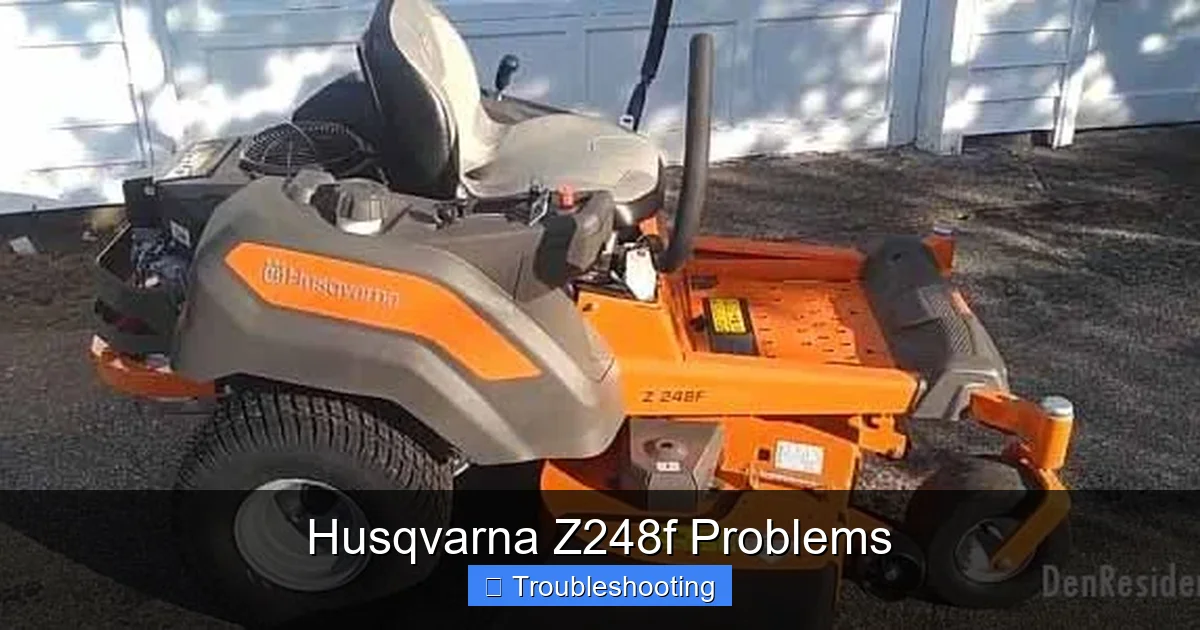
The Z248f uses a hydrostatic transmission for smooth, responsive steering. Problems with steering can make mowing difficult and unsafe.
Steering Drift or Inconsistent Response
If the mower pulls to one side or the steering feels loose, the issue may be hydraulic-related.
Low Hydraulic Fluid: Check the fluid level in the reservoir. It should be between the “MIN” and “MAX” marks. Top off with ATF (Automatic Transmission Fluid) if it’s low. Use only the type specified in the manual.
Air in the System: Air bubbles can cause spongy steering. To bleed the system:
1. Run the engine at idle.
2. Turn the steering wheel fully left and right several times.
3. Check fluid level and top off as needed.
Worn Steering Controls: The steering control arms and bushings can wear over time. Inspect for play or looseness. Replace bushings or control arms if necessary.
Hydraulic Leaks
Leaks are often visible as fluid puddles under the mower or stains on the frame. Common leak points include:
– Hose connections: Tighten fittings or replace worn O-rings.
– Seals and gaskets: Replace damaged seals in the pump or motor.
– Pump or motor: In rare cases, internal pump failure may require professional repair.
Tip: Always clean the area around fittings before inspection to avoid misdiagnosis.
Cutting Deck and Blade Issues
A clean, sharp deck is essential for a professional-looking cut. Many Z248f users report uneven cutting, scalping, or grass clumping—often due to deck or blade problems.
Dull or Damaged Blades
Dull blades tear grass instead of cutting it cleanly, leading to brown tips and poor appearance.
How to Sharpen Blades:
1. Remove the blade using a socket wrench.
2. Secure it in a vise with a rag to protect the edge.
3. Use a file or grinder to sharpen along the cutting edge.
4. Balance the blade after sharpening to prevent vibration.
Tip: Replace blades every 50–100 hours of use, or when they show signs of wear.
Deck Misalignment
An improperly aligned deck can cause uneven cutting. To check alignment:
1. Park on a flat surface.
2. Measure the distance from the blade tip to the ground on both sides.
3. Adjust the deck hangers using the deck lift knob.
Clogged Deck or Spindles
Grass clippings and debris can build up inside the deck, reducing airflow and cutting quality.
Cleaning the Deck:
1. Turn off the engine and remove the key.
2. Use a pressure washer or brush to remove debris.
3. Inspect spindles for damage or wear.
4. Lubricate spindle bearings with grease.
Weekly Maintenance Tip: After each use, wipe down the deck and check for blockages.
Battery and Electrical Problems
The Z248f relies on a 12V battery for starting and electrical systems. Battery issues are common, especially in extreme temperatures.
Dead Battery
A dead battery can result from:
– Old age: Most lead-acid batteries last 3–5 years.
– Parasitic drain: A faulty component drawing power when off.
– Corroded terminals: Clean terminals with a wire brush and apply dielectric grease.
Charging System Failures
If the battery won’t hold a charge, the alternator or voltage regulator may be faulty. Test the charging system:
1. Run the engine at 2000 RPM.
2. Measure voltage at the battery terminals.
3. It should read between 13.5V and 14.5V.
If voltage is too low, inspect the alternator belt and wiring.
Fuse and Relay Checks
Check the main fuses and relays in the fuse box. Replace any blown fuses with the correct amperage. Corroded or loose connections can also cause electrical issues—tighten all terminals.
Preventive Maintenance Tips for the Husqvarna Z248f
The best way to avoid Husqvarna Z248f problems is through consistent maintenance. Here’s a simple monthly and seasonal checklist:
Monthly:
– Check and clean the air filter.
– Inspect belts for wear.
– Test battery voltage.
– Clean the deck and spindles.
– Check hydraulic fluid level.
After Every 50 Hours:
– Change engine oil and filter.
– Sharpen or replace blades.
– Grease all fittings.
Seasonal (Before Storage):
– Drain fuel or add stabilizer.
– Clean the mower thoroughly.
– Inspect for rust or damage.
– Store in a dry, covered area.
Pro Tip: Keep a maintenance log to track service dates and issues. This helps identify patterns and prevent repeat problems.
When to Call a Professional
While many Husqvarna Z248f problems can be fixed at home, some issues require expert help. Call a certified technician if you encounter:
– Persistent hydraulic leaks.
– Internal engine damage (knocking sounds, white smoke).
– Complex electrical faults.
– Transmission or steering system failures.
Attempting major repairs without experience can lead to further damage or void warranties.
Conclusion
The Husqvarna Z248f is a reliable mower, but like any machine, it needs care to perform at its best. By understanding common Husqvarna Z248f problems—from engine stalling to belt wear—you can take proactive steps to prevent breakdowns. Regular maintenance, timely inspections, and knowing how to troubleshoot will save you time, money, and frustration.
Whether you’re dealing with a hard-starting engine, uneven cuts, or steering drift, the solutions in this guide are designed to help you get back to mowing with confidence. Remember, a little prevention goes a long way. With the right care, your Z248f will continue to deliver a clean, efficient cut for years to come.
Frequently Asked Questions
Why does my Husqvarna Z248f engine stall when I stop the blades?
This is often caused by a faulty fuel shut-off solenoid or a clogged fuel filter. Check the solenoid for proper operation and replace the fuel filter if it’s dirty. Also, ensure the fuel line isn’t kinked.
How often should I replace the drive belt on my Z248f?
Replace the drive belt every 200–300 hours of use or every two years, whichever comes first. Inspect it regularly for cracks, fraying, or slippage, especially after mowing over rough terrain.
What type of oil should I use in the Husqvarna Z248f?
Use SAE 10W-30 or 10W-40 engine oil for most operating conditions. Check your owner’s manual for specific recommendations based on temperature and usage.
Why is my Z248f pulling to one side while mowing?
Steering drift is usually due to low hydraulic fluid, air in the system, or worn steering components. Check fluid levels, bleed the hydraulics, and inspect control arms and bushings.
How do I clean the mower deck properly?
Turn off the engine, remove the key, and use a pressure washer to spray under the deck. Scrub with a brush to remove grass clippings and debris. Let it dry completely before reinstalling.
Can I use synthetic oil in my Husqvarna Z248f?
Yes, synthetic oil is acceptable and may offer better protection in extreme temperatures. However, ensure it meets the specifications in your owner’s manual for optimal performance.
