
Cub Cadet Lawn Mower Will Not Go Forward Or Backwards: Fix
A Cub Cadet lawn mower that will not go forward or backward can turn a simple mowing job into a frustrating repair. You may hear the engine run, see the blades spin, and still get no movement from the wheels. In many cases, the cause is simple, such as a disengaged drive lever, a loose belt, a low hydrostatic fluid level, or a parking brake that has not released.
The right fix depends on the type of Cub Cadet mower you own. A walk-behind self-propelled mower uses a drive cable and transmission. A riding mower or zero-turn mower uses a transaxle, drive belt, control linkage, or hydrostatic system. This guide explains how to find the problem safely, what you can fix at home, and when a repair shop is the better choice.
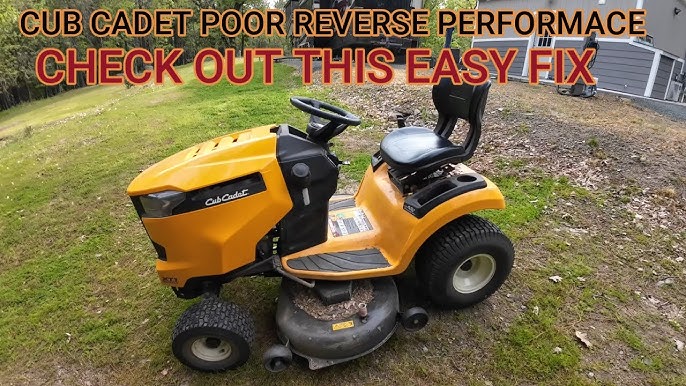
Why a Cub Cadet mower may stop moving
The most common reason a Cub Cadet mower will not go forward or backward is that power from the engine is not reaching the wheels or transaxle. A loose belt, damaged pulley, stuck linkage, failed drive cable, or low hydraulic fluid can interrupt that power. A safety switch or parking brake can also prevent movement.

Before you remove a cover, identify your mower style. Look for the model number under the seat, near the frame, on the rear body panel, or beside the engine. The model number helps you find the correct belt, cable, filter, fluid, and repair instructions.
| Mower type | Common drive problem | First check |
|---|---|---|
| Self-propelled walk-behind | Loose or broken drive cable, belt, or gearbox | Drive lever and cable movement |
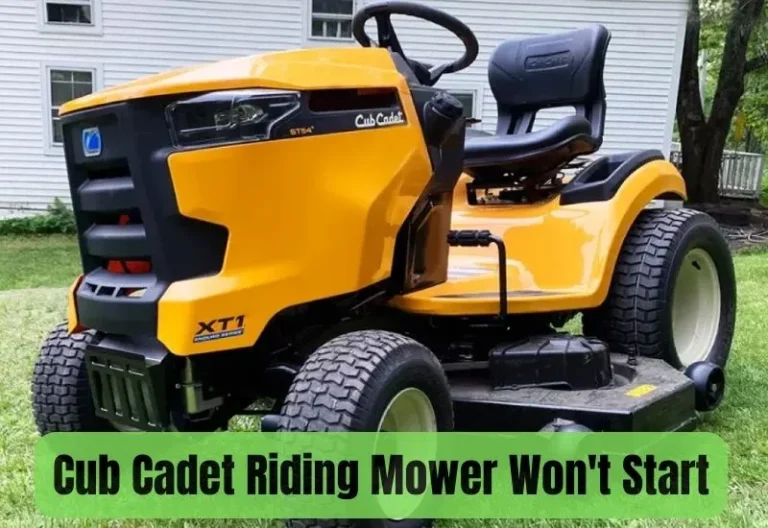
| Riding lawn tractor | Drive belt, brake linkage, or hydrostatic issue | Parking brake, belt, and pedal |
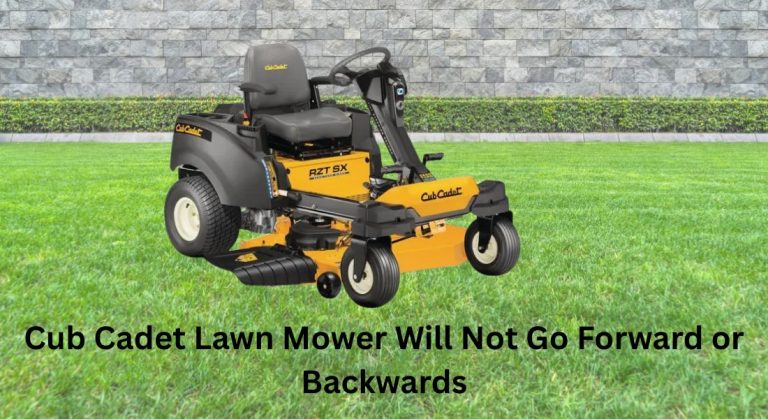
| Zero-turn mower | Motion-control linkage, drive belt, or hydrostatic system | Bypass levers and control arms |
The main takeaway is simple: do not use the same repair steps for every Cub Cadet mower. A riding mower and a self-propelled push mower may share the Cub Cadet name, but their drive systems are very different.
Quick answer: what to check first
If your Cub Cadet lawn mower will not go forward or backward, place it on level ground, shut off the engine, remove the key, and check the parking brake, transmission bypass levers, drive belt, and control linkage. On a self-propelled mower, inspect the drive cable and engage lever. If the belt is broken or the hydrostatic unit is noisy, leaking, or still will not move after basic checks, stop using the mower and contact a qualified repair shop.

Use this order:
- Confirm the engine is running at full operating speed.
- Release the parking brake.
- Check that the transmission bypass or freewheel levers are in the drive position.
- Inspect the drive belt for damage or slack.
- Look for blocked, bent, or disconnected linkage.
- Check the hydrostatic fluid only as the manual directs.
- Test the mower briefly on flat ground.
Never reach under a running mower. Disconnect the spark plug wire on a gas model or remove the battery on an electric model before working near belts, pulleys, blades, or wheels.
symptoms that help narrow the problem
The symptom often tells you which part deserves attention first. A mower that does nothing may have a control or safety issue. A mower that moves only in one direction may have a damaged linkage, belt, transaxle, or control arm.

The mower will not move in either direction
A mower that will not move forward or backward may have an engaged bypass lever. This lever lets you push a riding mower by hand when the engine is off. If it remains in the freewheel position, the wheels may not receive power.
A released parking brake, broken drive belt, or disconnected pedal linkage can cause the same symptom. On a zero-turn mower, the steering levers may not be centered correctly, or the neutral switches may not sense the proper position.

The mower moves forward but not backward
If forward travel works but reverse does not, check the reverse pedal, linkage, and reverse safety switch. Some Cub Cadet riding mowers use a reverse mowing system that requires a specific key or button setting before the deck can operate in reverse. The mower should still normally travel in reverse, but a faulty switch or linkage can affect movement.
Do not bypass a safety switch. These switches help prevent unintended blade or mower movement.
The mower moves backward but not forward
A mower that reverses but will not drive forward may have a bent forward pedal linkage, a weak return spring, or a problem inside the hydrostatic transmission. A loose belt can also slip more under the heavier load of forward travel.
Check whether the forward pedal moves through its normal range. If the pedal feels loose, hard, or stuck, do not force it.
The mower moves, then stops
A mower that moves for a short time and then stops may have a slipping belt, low hydrostatic fluid, an overheating transaxle, or a clogged cooling area. Grass clippings can collect around the transmission fan and reduce airflow.
A hydrostatic drive uses pressurized fluid to transfer engine power to the wheels. Heat, air, low fluid, and worn internal parts can reduce its performance.

The mower makes a whining or grinding sound
A whining sound can point to low fluid, air in a hydrostatic system, or a worn drive component. Grinding may indicate a damaged gear, pulley, bearing, or axle.
Stop mowing if the noise is new or severe. Continued use can turn a small belt or pulley repair into a costly transaxle repair.

Main causes and likely solutions
The table below connects common symptoms with the parts most likely to cause them. It is a starting point, not a substitute for the Cub Cadet owner’s manual.
| Symptom | Likely cause | Basic action |
|---|---|---|
| No movement at all | Bypass lever, parking brake, belt, or linkage | Set drive levers correctly and inspect the belt |
| Forward only | Forward linkage, pedal, or transmission fault | Check pedal travel and linkage |
| Reverse only | Reverse linkage or control fault | Inspect reverse pedal and switch |
| Jerky movement | Air, worn belt, low fluid, or damaged linkage | Stop use and inspect the drive system |
| Whining noise | Low fluid or hydrostatic problem | Check the manual and fluid level |
| Belt comes off | Worn belt, bent pulley, or poor alignment | Replace the belt and inspect pulleys |
| Wheels turn slowly | Engine speed, belt slip, or transaxle issue | Run engine at the specified speed |
The key lesson is to look for a simple external fault before assuming the transmission has failed. Many repairs begin with a lever, spring, cable, or belt.
Safe inspection before repair
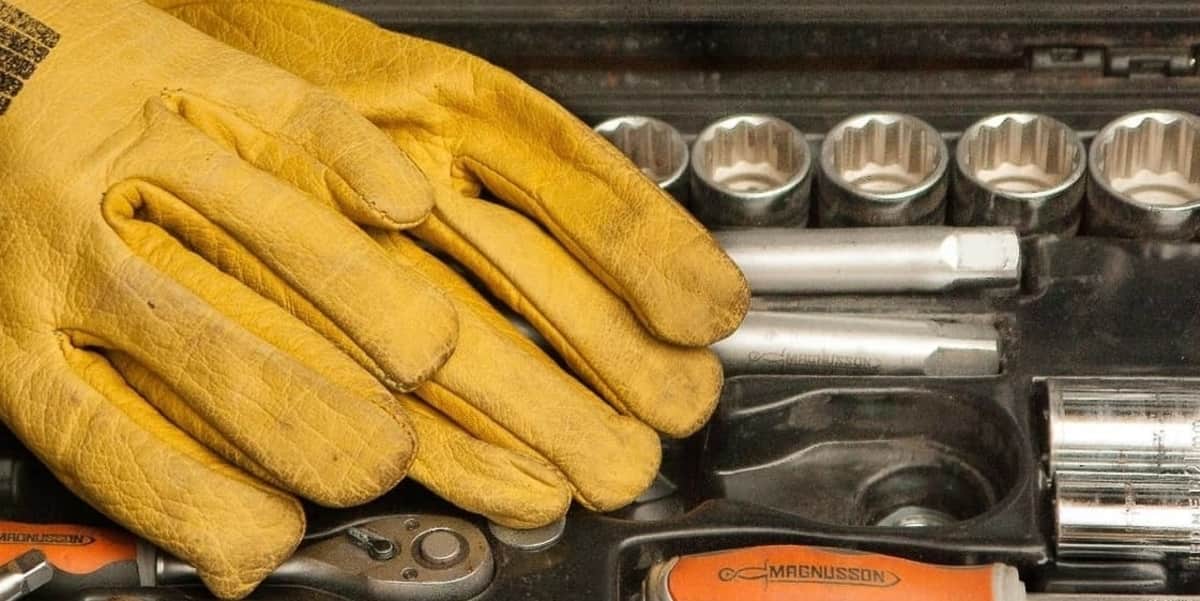
Safety comes before diagnosis. Park the Cub Cadet on a flat surface, lower the cutting deck, set the parking brake, turn off the engine, remove the key, and wait for all parts to stop. Wear safety glasses, work gloves, hearing protection when the engine runs, and closed-toe shoes.
Clear sticks, stones, toys, wire, and other debris from the work area. Keep children and pets away. Never mow wet grass on a slope. Wet turf can reduce traction and make a heavy riding mower harder to control.
Tools and materials
Most basic inspections need common hand tools. The exact tool size depends on the model.
| Tool or material | Use |
|---|---|
| Safety glasses and gloves | Protect eyes and hands |
| Socket set and wrenches | Remove covers and adjust linkage |
| Flashlight | View belts, pulleys, and springs |
| Tire pressure gauge | Check uneven tire pressure |
| Replacement belt or cable | Repair worn drive parts |
| Approved hydrostatic fluid | Service the transmission if specified |
| Shop towels | Clean fluid and grass residue |
Do not guess at the fluid type. Some transmissions are sealed, while others have a service port or expansion tank. Use only the fluid listed in the manual.
Disconnect power before touching the drive system
On a gas mower, disconnect the spark plug wire and secure it away from the plug. On a battery mower, remove the battery pack. For a riding mower, remove the ignition key as well.
This step matters even when the engine is off. A blade, pulley, or wheel can move if the machine rolls or someone turns the key.
Step-by-step troubleshooting
The best way to diagnose a Cub Cadet mower is to start with controls and work toward the drive system. This method saves time and reduces the risk of replacing a good part.
1. Confirm the engine reaches operating speed
A hydrostatic transmission needs the engine to run at the speed listed in the manual. If the engine is weak, surging, or running at low throttle, the mower may not have enough power to move.
Check the air filter, fuel level, spark plug, and throttle setting on a gas model. Old fuel can cause poor engine speed. Cold weather can make starting and fuel delivery harder. In hot weather, grass buildup around the engine and transmission can increase heat.
Do not adjust the governor unless the manual specifically tells you how. An incorrect governor setting can damage the engine or create a safety risk.
2. Release the parking brake
A riding mower may refuse to move if the parking brake is partly engaged. Move the brake handle through its full range. Watch the brake linkage under the frame if it is visible.
A stuck brake can also make the mower feel weak. The engine may strain while the wheels barely turn. Rust, packed grass, or a bent rod can stop the brake from releasing fully.
If the brake will not release, do not drive the mower. A dragging brake can heat the wheel and damage brake parts.
3. Check the transmission bypass levers
Most Cub Cadet riding mowers have one or two bypass or freewheel levers near the rear axle. These levers allow the mower to roll without engine power.
Make sure each lever is pushed or pulled into the drive position shown in the manual. The exact direction varies by model. Never rely on a generic picture from another mower.
After setting the levers, sit in the seat, start the mower, release the brake, and test movement at low speed on level ground.
4. Inspect the drive belt
The drive belt transfers engine power to the transmission. It may be under the mower frame or deck area, depending on the model. Look for a belt that is broken, stretched, glazed, frayed, oily, or off the pulley.
A belt may appear intact but still slip. Signs include rubber dust, a burning smell, slow movement, and a belt that flutters while the engine runs. A worn idler pulley or weak tension spring can also cause belt slip.
Never install a belt by forcing it over a pulley while the engine is running. Use the belt routing diagram in the manual.
5. Check the pulleys and idler arm
Pulleys should turn smoothly by hand when the engine is off and the belt is removed or safely slack. A rough pulley may have a failing bearing. A pulley that wobbles may be bent or loose.
The idler arm keeps tension on the drive belt. If it sticks, the belt may remain loose. Grass, dirt, rust, or a damaged spring can limit its movement.
Replace a damaged pulley rather than trying to straighten it. A misaligned pulley can throw a new belt.
6. Inspect the control linkage
The forward pedal, reverse pedal, or zero-turn control arms should move smoothly. Look for a disconnected rod, missing cotter pin, bent bracket, loose bolt, or broken spring.
Ask someone to move the control slowly while you watch the linkage with the engine off. Do not place your hands near pinch points. The linkage should move the transmission control arm through its full range.
A small missing clip can stop a large mower. This is one of the easier repairs for a careful DIY owner, but the replacement part must match the model.
7. Check tire pressure and traction
Low or uneven tire pressure can make a mower seem unable to move. One tire may spin while the other has poor contact with the ground. This is more common on damp grass, slopes, and soft soil.
Check the pressure listed on the tire sidewall or in the manual. Do not exceed the maximum printed on the tire. Replace a tire with a damaged sidewall or badly worn tread.
Tire pressure will not fix a failed transmission, but it can correct weak traction on a small, flat lawn.
8. Inspect hydrostatic fluid only as directed
Hydrostatic systems use oil to transfer power. Some Cub Cadet units have a reservoir or service point. Others are sealed and should not be opened by the owner.
Look for a low fluid level, dark fluid, foam, or leaks around hoses, seals, and the transaxle case. A small oil leak can reduce performance over time. Air in the system may also cause slow or jerky movement.
Use the exact fluid listed for your model. Mixing fluids or adding automotive transmission fluid can cause damage.
9. Purge air from the system when the manual allows it
Air can enter a hydrostatic system after service, a leak, or long storage. Some units can be purged by raising the drive wheels, moving the control several times, and following a set procedure.
The procedure differs by model. Do not lift a mower without proper stands and support. Never work under a mower supported only by a jack.
If the owner’s manual does not provide a purge procedure, ask a Cub Cadet dealer or small-engine repair shop for help.
10. Test the mower after the repair
After you replace or adjust a part, test the mower on a flat area free of people, pets, and obstacles. Keep the deck disengaged during the first drive test.
Move slowly in forward and reverse. Listen for belt slap, grinding, whining, or a new vibration. Stop at once if the mower pulls to one side or the controls do not respond normally.
Repairs you may handle at home
A careful homeowner can often handle a loose control rod, a drive cable adjustment, a belt replacement, or a clogged cooling screen. These jobs need basic tools and patience.
Drive cable adjustment on a self-propelled mower
On a self-propelled walk-behind mower, the drive control cable connects the handle lever to the transmission or drive clutch. If the cable is too loose, the mower may not move. If it is too tight, the drive may stay engaged when you release the lever.
Follow the adjustment steps in the manual. Many cables use a threaded barrel or clamp. Make small changes, then test the lever with the engine off.
A cable that is rusty, kinked, frayed, or broken should be replaced. Lubricating a damaged cable may hide the problem for a short time but will not restore safe control.
Drive belt replacement
Replace a belt when it is cracked, burned, stretched, or contaminated with oil. Confirm the belt length, width, shape, and part number.
Remove the deck or belt guards only as directed. Photograph the old belt route before removal. Then compare the new route with the diagram.
A new belt will not solve the problem if a pulley is bent or a bearing is seized. Inspect the full belt path before closing the covers.
Cleaning grass from the transmission area
Grass clippings can block cooling fins, fans, and pulleys. Let the mower cool, disconnect power, and use a brush or compressed air as the manual permits.
Do not spray water into electrical connectors, bearings, or the hydrostatic vent. Moisture can cause rust and electrical faults.
Problems that need a repair shop
Some signs point to internal damage or a safety issue. A repair shop is the better choice if the mower has a cracked transaxle case, a major fluid leak, metal particles in the oil, severe grinding, or no movement after the belt and controls check out.
Professional service also makes sense when the mower is still under warranty. Opening a sealed hydrostatic unit may affect warranty coverage. Check the warranty terms before disassembly.
Stop using the mower if you notice these signs
- The mower moves without touching the controls.
- The brake will not hold the mower on level ground.
- The transaxle leaks a large amount of fluid.
- The belt repeatedly jumps off.
- A wheel, pulley, or axle wobbles.
- The mower loses control on a mild slope.
- The engine runs, but the machine makes loud grinding sounds.
- A safety switch has been bypassed by a previous owner.
A repair shop can test hydraulic pressure, inspect internal gears, check electrical interlocks, and identify the correct replacement parts. These tests are often faster and safer than guessing.
How terrain and weather affect movement
A Cub Cadet that works on a dry, flat lawn may struggle on a wet slope or soft ground. Turfgrass loses strength when it is wet. Tires can spin, and a heavy riding mower can slide.
Drought can also harden soil and reduce tire grip. Cold weather may make hydrostatic fluid thicker during the first minutes of use. Hot weather can increase heat in the transmission, especially when grass blocks airflow.
For hilly lawns, use a mower designed for the slope and follow the manual’s limits. A riding mower is not automatically suitable for steep terrain. A walk-behind mower may be safer in some areas, while a string trimmer may be better for very steep banks.
Prevention and maintenance schedule
Regular care can help prevent drive problems. It cannot prevent every failure, but it lets you find small faults before they become expensive.
| Service item | When to check | What to look for |
|---|---|---|
| Drive belt | Before each season and after heavy use | Cracks, fraying, oil, and slack |
| Linkage and cables | Before mowing season | Smooth movement and secure clips |
| Tire pressure | Every few weeks | Equal pressure and tread condition |
| Hydrostatic area | Each use | Leaks, grass buildup, and damage |
| Air filter | Per the manual | Dirt, oil, or restricted airflow |
| Spark plug | Per the manual | Wear, deposits, and correct gap |
| Battery | Monthly during storage | Charge level and corrosion |
Keep the mower deck and transmission area free of packed grass. Store the machine in a dry garage or shed. Avoid leaving a battery mower in extreme heat or freezing conditions unless the battery maker allows it.
Belt and linkage care
Do not spray belt dressing on a mower drive belt unless the manufacturer approves it. Belt dressing can attract dust and hide wear. Replace belts with the correct part.
Check pins, clips, springs, and rods after hitting an object. A bent deck shell can also affect belt alignment.
Hydrostatic system care
Never tow a hydrostatic mower unless the manual gives a safe method. The bypass levers often need to be used before moving the mower without engine power.
Follow the manual for fluid changes. Some manufacturers require a service after a set number of hours, while other units use sealed systems.
Winter storage
Before storage, clean grass from the frame and deck. Stabilize or drain fuel as directed. Remove and store the battery in a dry place if the manufacturer recommends it.
Do not store gasoline in an unsafe container or near a flame. Old fuel and oil should go to a local hazardous-waste site. Never pour them onto soil or down a drain.
Choosing the right replacement or alternative mower
If your Cub Cadet is old and the repair cost is high, compare the repair with a replacement. The right choice depends on yard size, slope, grass type, storage space, and the user’s strength.
A small flat yard may suit a push mower, battery mower, corded mower, or reel mower. A medium yard with mild slopes may suit a self-propelled mower. Larger open lawns may justify a riding mower, while wide areas with many obstacles may suit a zero-turn mower.
Mower options by yard and user
| Yard and user | Suitable option | Main limitation |
|---|---|---|
| Small flat yard, first-time owner | Battery push mower or reel mower | Battery or hand effort limits coverage |
| Small to medium yard, senior user | Self-propelled battery mower | Weight and controls still matter |
| Medium hilly yard, experienced user | Self-propelled gas or battery mower | Wet slopes remain risky |
| Large open yard, strong DIY user | Riding lawn tractor | Needs storage and maintenance |
| Large open yard with few obstacles | Zero-turn mower | Higher cost and learning curve |
| Simple routine, tech-friendly user | Robotic mower | Needs setup, boundary planning, and charging |
Take measurements before buying. Check gate width, storage space, slope, cutting width, battery voltage, amp-hours, and replacement part support.
Is a battery mower worth it?
Battery and electric mowers can reduce fuel storage, exhaust, and engine noise. A brushless motor uses electronic control and has fewer wear parts than a brushed motor. Runtime depends on battery capacity, grass height, moisture, temperature, and cutting width.
A battery mower suits a small or medium yard where charging is easy. It may not suit a large lot with thick wet grass unless you have extra batteries. Check whether the battery works with other tools such as string trimmers, edgers, and leaf blowers.
When a gas mower still makes sense
Gas mowers can provide long work sessions with quick refueling. They may suit large yards, thick grass, and users who do not want to wait for batteries to charge.
They also need more care. Oil, spark plugs, air filters, fuel stabilizer, and winter storage all matter. Noise may also be a concern under local rules or HOA policies.
Common mistakes that make the problem worse
The biggest mistake is driving a mower after it shows signs of a failing belt, brake, or transmission. A short test can become a major repair when a loose belt reaches a pulley or a low-fluid unit overheats.
Avoid these errors:
- Forcing the drive pedal or control arms.
- Replacing a belt without checking the pulleys.
- Adding the wrong hydraulic fluid.
- Lifting the mower without rated support stands.
- Working under a mower with the key installed.
- Bypassing a seat, brake, or reverse safety switch.
- Using a belt that only looks similar.
- Ignoring tire pressure and traction.
- Washing electrical parts with a high-pressure hose.
- Storing old gasoline in an unapproved container.
The owner’s manual is not just a formality. It lists the correct belt route, fluids, adjustment points, safety switches, and service limits for that exact Cub Cadet model.
When to call a professional
Call a repair shop when the mower has a serious leak, internal transmission noise, repeated belt failure, damaged axle parts, or a control problem you cannot identify. Seek help sooner if the mower is used by a senior, on a slope, or near public areas.
A professional can be worth the cost when the mower is otherwise in good shape. Compare the repair estimate with the mower’s age, deck condition, engine hours, tire wear, battery cost, and replacement value.
If the deck is badly rusted, the engine smokes, and the transaxle also fails, replacement may make more sense. If the machine only needs a belt and a small linkage part, repair is often the practical choice.
Local rules, storage, and disposal
Gas equipment may be limited by local noise rules, air-quality rules, or HOA policies. Some communities also control fuel storage and disposal. Check your city, county, and HOA before buying a new gas mower or storing fuel.
For electric models, use the charger supplied or approved by the manufacturer. Do not charge a damaged lithium-ion battery. Recycle old lithium-ion batteries at a designated drop-off, not in household trash.
Take old gasoline and oil to a hazardous-waste collection site. A usable mower may be donated, repaired for reuse, or recycled through a local equipment program.
📜 Check Local Rules: Noise limits, gas-equipment restrictions, and fuel-storage laws vary. Confirm the rules before replacing a quiet battery mower with a gas riding mower.
Affiliate disclosure
This article may contain affiliate links. If you buy through one of those links, we may earn a commission at no extra cost to you. Product details, compatibility, availability, and prices can change, so confirm the latest information on the manufacturer’s product page and in the owner’s manual.
Frequently asked questions
Q: Why will my Cub Cadet riding mower not move in either direction?
A: Start by checking the parking brake, transmission bypass levers, drive belt, and control linkage. The bypass levers may be set for freewheeling. If those parts are correct and the mower still will not move, the hydrostatic transmission may need professional testing.
Q: Where are the Cub Cadet transmission release levers?
A: They are often near the rear axle or transaxle. Their location and operating direction vary by model. Use the owner’s manual rather than guessing.
Q: Can low hydrostatic fluid stop a Cub Cadet mower from moving?
A: Yes. Low or incorrect fluid can cause slow, weak, or jerky movement. Some Cub Cadet transmissions are sealed, so check the manual before opening or adding fluid.
Q: Why does my Cub Cadet move slowly but the engine sounds normal?
A: A slipping drive belt, low fluid, blocked cooling area, weak engine speed, poor tire traction, or worn hydrostatic unit may cause slow movement. Inspect the simple external parts first.
Q: Why does my mower move forward but not reverse?
A: The reverse pedal, control rod, return spring, or safety switch may be damaged or disconnected. Do not bypass the switch. Have a technician inspect it if the linkage appears correct.
Q: Can I push my Cub Cadet mower when it will not start?
A: Only use the transmission bypass or freewheel procedure in the manual. Release the parking brake and move the mower slowly on level ground. Never tow it unless the manual permits towing.
Q: How do I know if the drive belt is bad?
A: Look for cracks, fraying, glazing, oil, rubber dust, slack, or a belt that repeatedly jumps off. A belt can look whole and still slip under load, so also inspect the idler pulley and belt tension.
Q: Is a Cub Cadet mower worth repairing?
A: Repair is often sensible when the engine, deck, frame, and tires are in good condition and the fault is a belt, cable, spring, or linkage. Replacement may be better when the mower has several major failures or severe rust.
Q: What mower is easiest for a senior homeowner?
A: A light battery mower with simple controls can suit a small, flat yard. A self-propelled mower may reduce pushing effort, but it still requires safe control. For a riding mower, choose easy access, clear controls, a stable seat, and a model suited to the yard’s slope.
Q: Can wet grass cause a Cub Cadet mower to stop moving?
A: Wet grass can reduce traction and pack around the deck, pulleys, and transmission cooling parts. It can make a healthy mower seem weak. Avoid mowing wet slopes and clean the machine only after disconnecting power.
Q: How long does a Cub Cadet mower last?
A: Service life depends on model quality, hours, storage, terrain, maintenance, and how hard it is used. Belts, blades, tires, batteries, spark plugs, and air filters wear before the frame or engine. Good records help you decide when repair remains practical.
Q: Should I repair the mower myself?
A: Basic inspection, belt replacement, tire inflation, and some cable adjustments may suit a careful DIY owner. Internal hydrostatic repairs, brake faults, electrical safety faults, and work under a raised mower are better for a trained technician.
Final thoughts
When a Cub Cadet lawn mower will not go forward or backward, begin with the controls. Check the parking brake, bypass levers, belt, pulleys, linkage, tire pressure, and fluid instructions before assuming the transmission has failed.
Work on level ground and disconnect the spark plug wire or battery before servicing. If the mower leaks, grinds, rolls unexpectedly, or still will not move after basic checks, stop using it and call a qualified repair shop. A calm, step-by-step inspection can protect both your mower and the person who uses it.

One Comment