
Lawn Mower Deck Not Engaging: Fixes That Work
A lawn mower deck that will not engage can turn a simple mowing job into a frustrating repair. You may hear the engine run while the blades stay still, or the mower may cut for a few minutes and then stop. In many cases, the cause is a worn belt, a stuck idler pulley, a weak electric clutch, or a safety switch that is doing its job.
The good news is that many deck engagement problems are easy to find. A visual check can often reveal a loose belt, packed grass, or a damaged cable. More serious faults, such as a failed electric clutch or bent spindle, may need a repair shop. This guide explains what to check, how to test common parts, and when to stop working and call a professional.

Quick answer: why the mower deck will not engage
A mower deck may not engage because the drive belt is loose or broken, the blade-control cable is damaged, the PTO switch or electric clutch has failed, a safety switch is open, or grass and debris are blocking the deck. Turn off the engine, remove the key, disconnect the spark plug wire or battery, and inspect the belt, pulleys, cables, and blade area before testing anything.

How the deck engagement system works
The deck is the metal housing beneath the mower that holds the mower blades. Its job is to guide grass into the blade path and control the flow of cut clippings. The blades spin when power travels from the engine or motor to the deck through a belt, pulley system, clutch, or direct-drive setup.
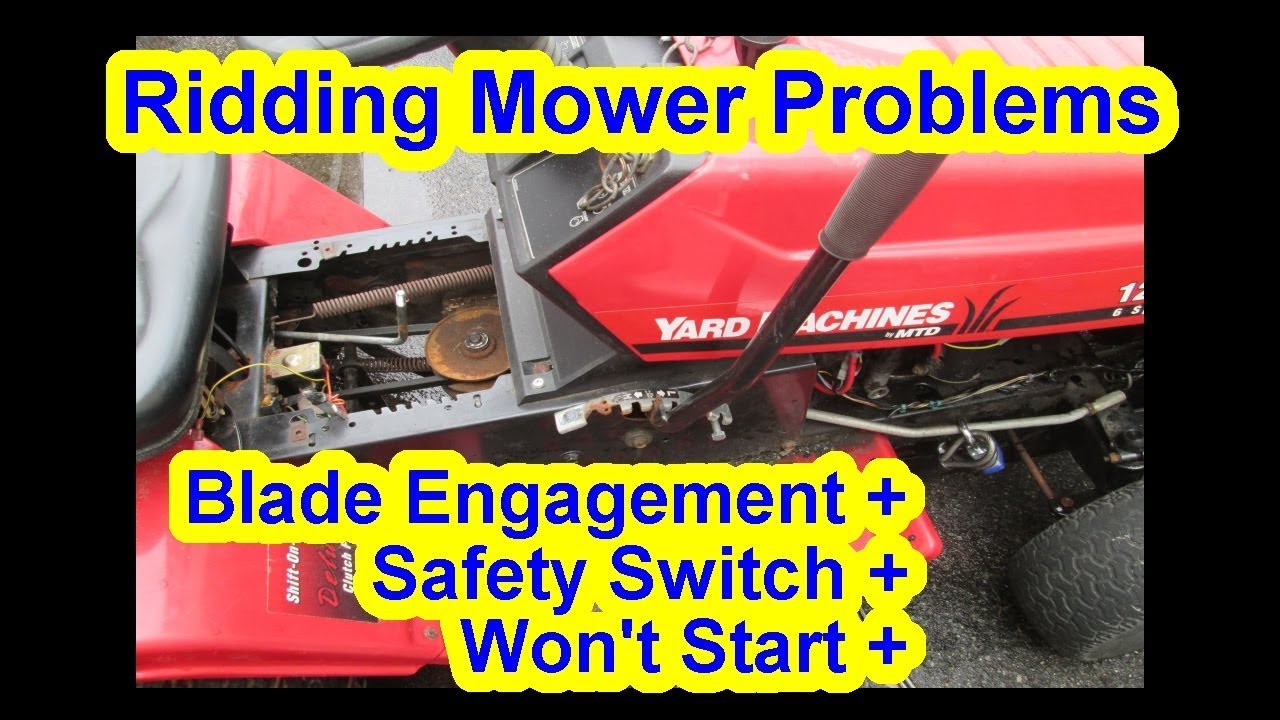
On a riding mower, the engine turns a drive pulley. A deck belt transfers that motion to one or more blade spindle pulleys. The spindle is the shaft that holds and turns each blade. An idler pulley keeps the belt tight as the deck moves.
A push mower works in a different way. Most gas push mowers use an engine shaft connected to the blade. Most battery push mowers use a motor that turns the blade with a direct drive or a short belt. A cordless mower may have no traditional deck belt at all.
The PTO, or power takeoff, is the control that sends power to the blades. On some riding mowers, it is a lever. On others, it is an electric PTO switch. When you pull the lever or press the switch, the system should engage the blades.
A safety interlock may stop the deck from engaging if the operator is not seated, the brake is not set, the transmission is in the wrong position, or a control is not in the correct place. These switches can seem like a fault, but they are designed to prevent injury.
Riding mower deck systems
Riding mowers often use a manual engagement lever or an electric clutch. A manual system uses a cable, spring, and pulley tensioner. An electric system uses wiring, a fuse, a PTO switch, and an electric clutch under the engine.
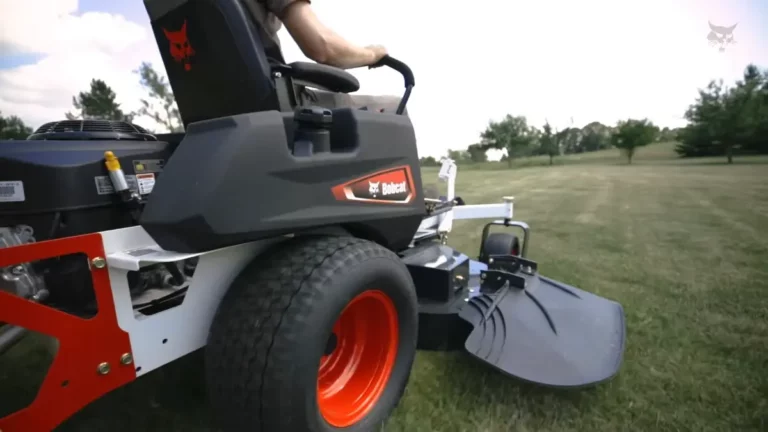
Electric clutches are common on lawn tractors and zero-turn mowers. A zero-turn mower uses two independent drive systems to turn left and right. It can cut large, open yards quickly, but its deck system can be more complex and costly to repair than that of a small push mower.
Push mower and battery mower systems
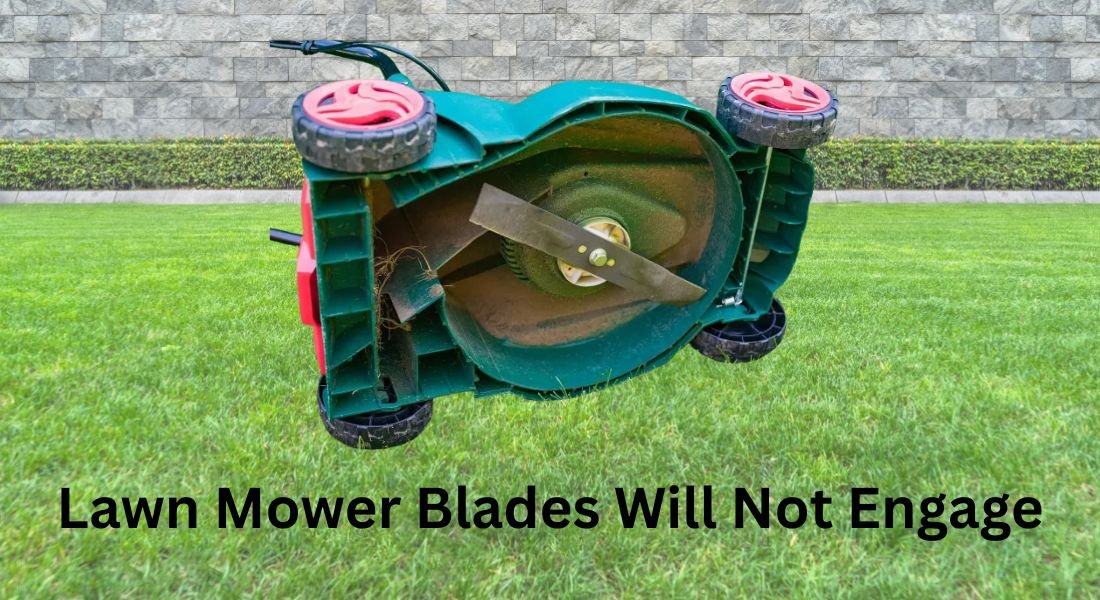
Gas push mowers usually have a blade-control bar. You must hold the bar against the handle for the engine and blade to run. If the cable stretches or the brake mechanism binds, the blade may not engage correctly.
Battery mowers often use a safety button and a control bar. The battery must be charged and fully seated. Some models stop the blade when they sense heavy load, wet grass, a jam, or a high motor temperature.

Common symptoms and what they mean
The symptom often points to the right part. A belt that squeals suggests slip. A blade that will not turn by hand may point to a seized spindle or debris jam. A blade that engages only at high engine speed may have a weak belt tension system or clutch.
Do not assume that a silent deck has one single cause. Check the simple items first. The best repair path starts with safe inspection, not random part replacement.
| Symptom | Likely cause | First check |
|---|---|---|
| Engine runs, blades never spin | Broken belt, PTO fault, failed clutch | Belt and PTO control |
| Blades engage, then stop | Loose belt, weak clutch, overload | Belt tension and grass load |
| Loud squeal when engaging | Worn belt or seized pulley | Pulley movement |
| Grinding or rumbling sound | Damaged spindle bearing | Spin each blade by hand |
| One blade cuts poorly | Bent blade or damaged spindle | Blade and spindle |
| PTO switch does nothing | Fuse, wiring, switch, or safety interlock | Fuse and connectors |
| Blade turns with engine off | Faulty brake or clutch issue | Stop use and inspect |
The main takeaway is simple: noise, motion, and smell matter. Burning rubber suggests belt slip. A hot electrical smell may point to a clutch or wiring problem. A grinding sound means you should avoid continued use until the rotating parts are checked.
Safety steps before you inspect the mower
Never place your hands under an active mower deck. Blades can turn without warning if the engine starts, the PTO engages, or stored energy releases from a belt or spring. Park on a flat surface and let the machine cool before you begin.
Use safety glasses, hearing protection, work gloves, and closed-toe shoes. Clear the work area of children, pets, tools, and loose parts. Follow the owner’s manual because mower layouts and service steps vary by brand and model.
For a gas mower, remove the key and disconnect the spark plug wire. Keep the wire away from the plug. For a battery mower, remove the battery and keep it away from the machine while you inspect the deck.
A riding mower needs extra care. Set the parking brake, place the transmission in neutral, lower the deck, and remove the key. Never rely only on the parking brake when lifting or reaching under a mower. Use approved ramps or a mower lift that can support the machine.
⚠️ Safety Warning: Never bypass a seat switch, blade brake, reverse switch, or other safety interlock. A bypass can make the mower run, but it can also allow the blades to turn when a person or child is in danger.

The main causes of a mower deck not engaging
Most deck problems fall into a few groups: drive parts, controls, electrical parts, blockages, and engine or motor conditions. Start with the cause that matches the symptom and is easiest to inspect.
A broken, loose, or wrong deck belt
The deck belt transfers power to the blade spindles. It can crack from age, stretch from use, burn from slipping, or break after a pulley locks. A belt may look intact while its inner ribs are badly worn.
A loose belt may allow the blades to start slowly or stop under load. A belt that is too tight can overload the spindle bearings and PTO clutch. The correct replacement must match the mower model, deck size, length, width, and belt profile.
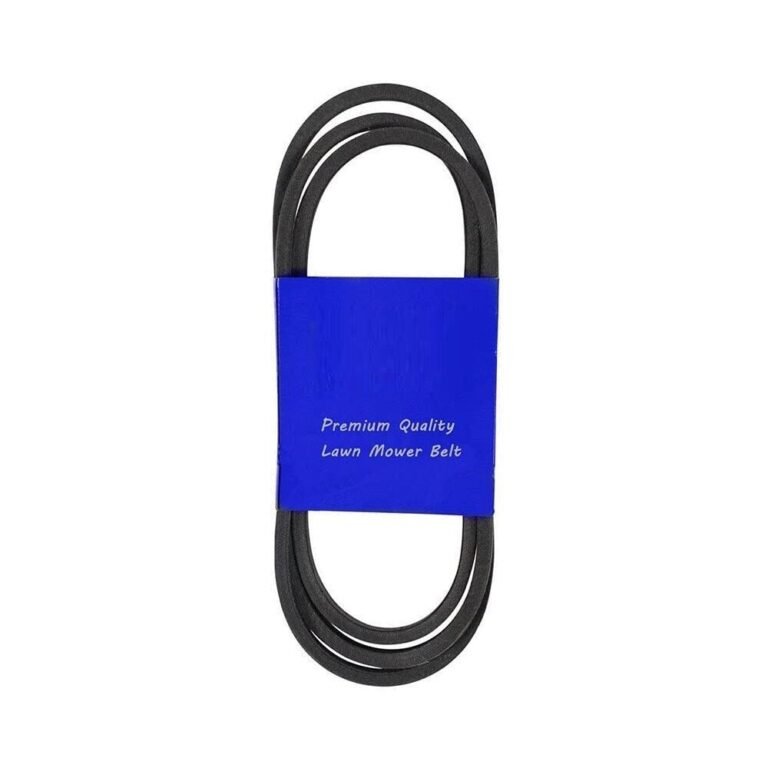
Do not choose a belt only because it looks close. Check the part number in the owner’s manual, on the old belt, or in the manufacturer’s parts diagram. A belt made for a 42-inch deck may not fit a 46-inch deck, even if the shape looks similar.
A stuck idler pulley or tension spring
The idler pulley keeps the belt tight. Its bearing should turn smoothly without wobble, grinding, or side play. The tension spring should pull with firm force and return the pulley to its normal position.
Grass, dust, and dried mud can block the pulley arm. A stretched spring can also reduce belt tension. If the idler does not move through its full range, the belt may slip or fail to engage.
A damaged blade-control cable
Manual deck systems use a cable to move a lever or tensioner. The cable may stretch, kink, rust, or break inside its outer sleeve. A cable that moves only part way may not apply enough tension to the belt.
Look for a frayed wire, loose anchor, cracked housing, or a control lever that feels unusually light. Do not oil a cable unless the manual allows it. Some modern cables have a sealed design, and oil can trap grit.
A failed PTO switch or electric clutch
An electric PTO switch sends power to the clutch. The clutch then locks the engine pulley to the deck drive. If the switch, fuse, connector, ground, or clutch fails, the deck may remain still even though the engine runs normally.
Common signs include a missing engagement click, a blown fuse, melted wiring, or a clutch that becomes very hot. A clutch can also wear internally and fail to hold the pulley under load.
Electrical testing requires the correct meter setting and the mower’s wiring diagram. A repair shop may be the safer choice if you are not comfortable testing live voltage or resistance.
A safety interlock is preventing engagement
A safety switch may prevent the blades from turning if the operator leaves the seat, the brake is not set, or the mower is in reverse. A switch can fail because of dirt, damage, poor adjustment, or a loose connector.
Check the normal operating conditions listed in the manual. Do not jump wires or tape a switch closed. The interlock is there to reduce the chance of blade contact and unexpected movement.
A blocked or overloaded deck
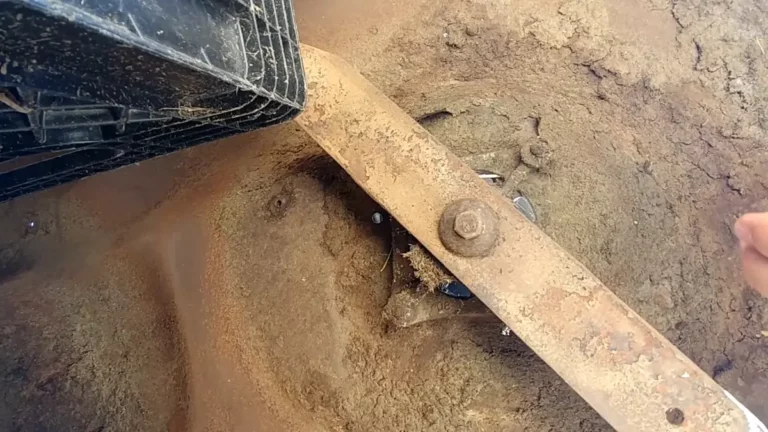
Wet grass can pack beneath the deck. Tall turfgrass, thatch, leaves, vines, and small sticks can block blade movement. A mower may engage on dry grass but stop when the deck meets a heavy patch.
Wet grass also clumps and adds load. This is hard on belts, pulleys, blades, and electric motors. Avoid mowing wet grass, especially on a slope. Let the lawn dry and clean the deck only after the power source is disconnected.
A damaged spindle or blade
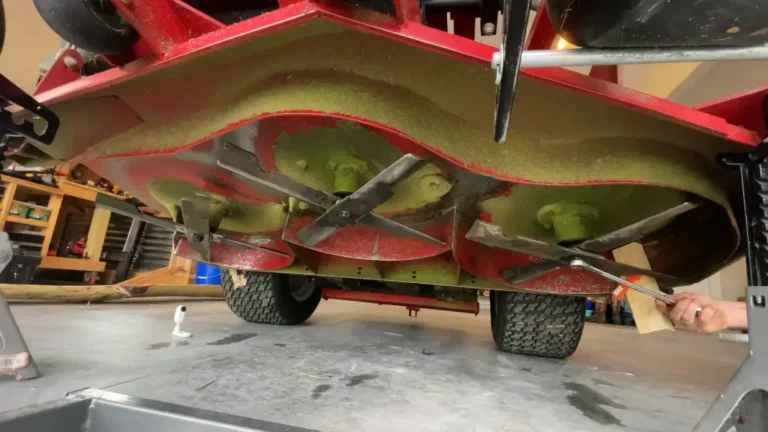
Each spindle turns a blade. A bent blade, worn bearing, or damaged spindle can create drag. The belt may then slip or the clutch may shut down under load.
With the mower secured and the power disconnected, rotate each blade by hand. It should move with steady resistance. A rough, tight, or noisy spindle needs inspection before use.

A step-by-step diagnostic process
The best way to find a deck engagement fault is to move from simple visual checks to part testing. You do not need to remove every cover at once. Take photos before removing belts or springs so you can restore the original routing.
1. Confirm the operating controls
Read the starting and blade-engagement steps in the manual. Make sure the parking brake, transmission, seat, PTO lever, and control bar are in the correct position.
For a riding mower, check whether the blades engage only with the operator seated. Some mowers also require the brake pedal to be released or the reverse mode to be selected in a certain way.
For a battery mower, confirm that the battery is charged and locked in place. Check whether the mower has a second safety button or a blade-start sequence.
2. Check for a dead battery or weak electrical supply
A riding mower battery can start the engine yet still have a charging or wiring problem. Inspect battery terminals for corrosion and loose connections. A weak charging system may cause the PTO clutch to drop out when the blades engage.
On a battery mower, check the battery indicator and compare it with the manual. A battery that shuts down under load may be too cold, too hot, damaged, or near the end of its useful life.
Never use a battery pack that is swollen, cracked, wet, or hot to the touch. Place damaged lithium-ion batteries at a designated recycling drop-off.
3. Inspect the belt without starting the engine
Look for a belt that is broken, off the pulley, deeply cracked, shiny, frayed, or coated with oil. Check that the belt follows the routing diagram. A belt can jump off after a pulley bends or a spindle locks.
Do not pull a belt across a sharp pulley edge. If the belt is trapped, find the reason it came off. Simply installing another belt may lead to another failure.
4. Test the pulleys and spindles
With the spark plug wire disconnected or battery removed, rotate each accessible pulley by hand. The motion should be smooth. Listen for grinding and feel for wobble.
Turn each blade carefully while wearing gloves. Compare the resistance of the blades. One blade that feels much tighter than the others may indicate a spindle problem.
5. Inspect the tensioner and springs
Move the idler arm through its normal range if the manual permits it. Look for a bent arm, broken spring, stuck pivot, or missing washer.
A spring can store energy. Keep your face and fingers out of its path. Use the correct tool when removing a spring, and replace it with the exact type listed for the mower.
6. Inspect the cable or linkage
Ask another person to move the engagement lever while you watch the linkage from a safe position. The cable should pull the lever through its full travel. It should not rub against a tire, pulley, or frame edge.
If the control moves but the deck does not, the problem may be at the deck end. If the control barely moves, start with the cable, pivot, or handle assembly.
7. Check the fuse, connectors, and wiring
Look for loose plugs, damaged insulation, green corrosion, and wires rubbed against the frame. Replace a blown fuse only with the same type and rating.
A fuse that blows again is a warning. It may indicate a shorted clutch, damaged harness, or overloaded circuit. Do not install a larger fuse.
8. Test the PTO clutch only when qualified
An electric clutch may require a voltage test, resistance test, or air-gap measurement. The correct values differ by mower model. Use the service manual and a digital multimeter set correctly.
Keep hands, clothing, and test leads away from moving parts. If the test requires the engine to run, a trained technician should perform it. Many homeowners can replace a belt, but clutch diagnosis may need more skill.
9. Clean and level the deck
After the fault is fixed, remove packed grass from the deck. Keep the mower level and use a scraper or brush rather than your hands. Check the deck height and blade balance.
A level deck helps create an even cut. It also reduces uneven load on the belt and spindles. Replace blades that are bent, badly worn, or cracked.

Tools and parts that can help
Most basic inspections need common hand tools. The exact tools depend on the mower model. A parts diagram is often more useful than a general repair video because belt routing and safety systems vary.
| Tool or part | Use | Notes |
|---|---|---|
| Safety glasses | Protect eyes from dust and debris | Wear during cleaning and repair |
| Work gloves | Protect hands from sharp blades | Do not use them to defeat safety controls |
| Socket set | Remove guards and blade hardware | Match the manual’s sizes |
| Screwdrivers | Remove covers and clamps | Use the correct tip |
| Digital multimeter | Test voltage and resistance | Follow the wiring diagram |
| Replacement deck belt | Restore power transfer | Match model and deck size |
| Blade-stop tool | Hold a blade safely | Use the approved type |
| Mower lift or ramps | Access a riding mower | Check weight capacity |
A belt, cable, or fuse is often a reasonable DIY repair for a capable homeowner. A clutch, spindle, or wiring harness may cost more in time and risk. Compare the repair estimate with the mower’s age, condition, and replacement value.
Common fixes for each type of mower
The right repair depends on the mower design. A small push mower may need a cable adjustment, while a riding mower may need a deck belt or PTO clutch.
Push mower fixes
A gas push mower with a blade-control bar may have a stretched cable or a damaged blade brake. Check that the bar moves fully and returns when released. If the engine runs but the blade does not, inspect the blade adapter, engine shaft, and brake assembly.
A battery push mower may stop the blade because of a jam or overload. Remove the battery and clear the deck. Check the blade bolt, blade adapter, battery contacts, and control button.
Do not sharpen or replace a blade without checking its balance and direction. A blade installed upside down can reduce cutting performance and create a safety risk.
Lawn tractor fixes
A lawn tractor often uses a deck belt, idler arm, and PTO lever or electric clutch. Replace a belt only after checking the pulleys and spindles. Otherwise, the new belt may fail soon after installation.
If the PTO lever feels loose, inspect the cable and spring. If an electric PTO gives no click, check the fuse and switch before ordering a clutch.
Zero-turn mower fixes
Zero-turn mowers often have a wide deck, multiple blades, and an electric clutch. They may also have more complex interlocks. A belt that jumps off can result from a worn idler, a bent pulley, a damaged spindle, or incorrect belt routing.
Zero-turn models suit large, open yards with few obstacles. They are less suitable for tight spaces, steep slopes, or homeowners who need a light machine for a small lot. If a zero-turn deck stops engaging, a commercial-style repair can become expensive.
Battery riding mower fixes
Battery riding mowers may shut the deck down when the battery is low, the motor is overloaded, or the control system detects a fault. Let the machine cool, clear dry debris, and check the battery connection.
Do not mix battery packs, chargers, or voltage systems unless the manufacturer lists them as compatible. Check the product page and manual for voltage, amp-hours, charger type, blade system, and replacement part numbers.

Problems, solutions, and repair difficulty
This table gives a practical starting point. It does not replace the owner’s manual or a model-specific service guide.
| Problem | Usual solution | DIY level |
|---|---|---|
| Belt has snapped | Install the correct belt after checking pulleys | Easy to moderate |
| Belt keeps coming off | Find bent pulley, bad spindle, or wrong routing | Moderate |
| Cable is stretched | Adjust or replace the cable | Easy to moderate |
| Idler pulley grinds | Replace pulley or bearing | Moderate |
| PTO fuse blows | Diagnose short or clutch fault | Moderate to advanced |
| Electric clutch is silent | Test switch, wiring, and clutch | Advanced |
| Deck is packed with grass | Disconnect power and clean it | Easy |
| Blade spindle is tight | Repair or replace spindle | Moderate to advanced |
The repair is worth doing when the mower is otherwise sound and parts are available. A ten-year-old mower with a healthy engine, solid frame, and good tires may justify a belt or cable. A machine with rust, smoke, poor compression, worn steering, and repeated electrical faults may not.

How to prevent the deck from failing again
Prevention starts with mowing conditions. Keep grass dry when possible, avoid cutting more than one-third of the grass blade at a time, and raise the mowing height during drought or heat. Tall, wet grass places heavy load on the deck.
Clean the underside after the power source is disconnected. Do not use a pressure washer on bearings, electrical connectors, or sealed engine areas unless the manual allows it. Water can force dirt into bearings and cause corrosion.
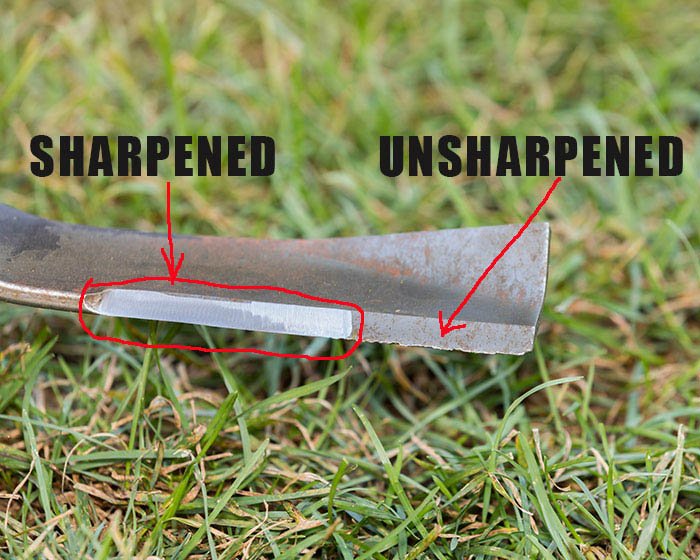
Keep mower blades sharp and balanced. A dull blade tears grass and makes the engine or motor work harder. Inspect the belt at the start of the mowing season and after any loud squeal, smoke, or sudden stop.
Store the mower in a dry shed or garage. Keep it away from rain, fertilizer, pool chemicals, and direct heat. For a gas mower, use fresh fuel, follow the manual for fuel stabilizer, and obey local fuel-storage rules.
A simple maintenance schedule
A small schedule can prevent many engagement faults. Adjust the schedule for dusty yards, wet climates, sandy soil, and heavy commercial use.
| Service time | Check or service | Why it matters |
|---|---|---|
| Before each mow | Debris, blade area, belt visibility | Finds hazards early |
| Every 10–25 hours | Blade condition and belt wear | Limits vibration and slip |
| Monthly in season | Pulleys, springs, cables, guards | Finds loose or damaged parts |
| Every 25–50 hours | Air filter, engine oil, deck level | Supports engine and cut quality |
| End of season | Fuel, battery, deck cleaning, storage | Reduces cold-start and corrosion issues |
The exact interval comes from the manual. Dusty conditions may require more frequent air-filter cleaning. Wet climates may require closer belt and spindle checks.
Mowing conditions that stress the deck
Wet grass is one of the most common causes of overload. It sticks to the deck and can stop a blade. It also leaves clumps that block light and air from reaching the turfgrass.
Drought-stressed grass can be brittle and dusty. Raise the mowing height and avoid removing too much leaf tissue. Cold weather can make rubber belts less flexible and reduce battery performance.
Leaves, pine cones, small branches, and hidden toys can damage blades and spindles. Walk the lawn before mowing. This is especially important for first-time homeowners and seniors who may not see small debris in tall grass.
The yard itself also affects mower choice. A lightweight electric push mower can suit a small, flat yard with nearby charging space. A self-propelled mower can help on a larger yard or gentle slope. A riding mower suits larger lots with wide access gates. A zero-turn mower suits large, open lawns, but it needs safe slope limits and more storage room.
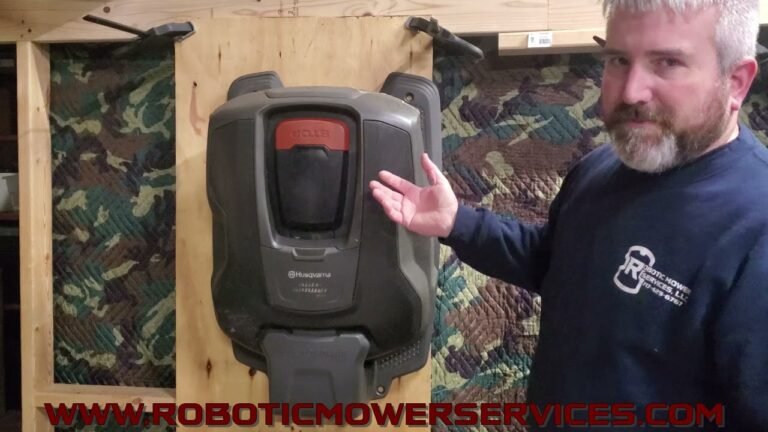
A reel mower may suit a small, flat yard with fine turfgrass and frequent mowing. A corded mower can work near an outdoor outlet, but the cord must stay clear of the blade. A robotic mower can reduce routine labor, but it needs boundary setup, a suitable lawn layout, secure storage, and local rule checks.
Choosing an alternative if repairs keep adding up
A deck engagement failure does not always mean you need a new mower. Compare the repair with your yard size, slope, grass type, storage, noise limits, and budget.
| Mower type | Best fit | Main limitation |
|---|---|---|
| Push battery mower | Small, flat yards and quiet neighborhoods | Battery and charger compatibility |
| Self-propelled mower | Medium yards and mild slopes | Heavier and more costly than push models |
| Gas mower | Longer sessions and areas without charging | Noise, fuel, oil, and emissions |
| Lawn tractor | Larger lots with open access | Needs storage and wider turning space |
| Zero-turn mower | Large open lawns and fast coverage | Cost, slope limits, and storage size |
| Robotic mower | Maintained lawns with clear boundaries | Setup, theft risk, and complex layouts |
| Reel mower | Small flat lawns and frequent cuts | Poor fit for tall or rough grass |
A battery mower can be worth the money for a small yard near a garage or shed. A gas mower may suit a large property where charging is difficult. A riding mower is not automatically a better choice; it can be too large for narrow gates, tight landscaping, or a small lawn.
Gift buyers should ask about yard size, slope, gate width, storage space, and the recipient’s comfort with fuel, batteries, and controls. A lighter electric mower may suit a senior with a small level yard, but only if the handle height, weight, and battery system are manageable.
🎁 Gift-Buyer Note: Do not buy a mower by deck width alone. Confirm the recipient can lift, store, charge, fuel, and safely control it. For a small flat yard, a simple battery push mower may be easier than a large riding model.
What repairs can cost in time and effort
A belt or cable repair may take less than an hour for an experienced DIYer. A first-time owner may need more time to find the belt diagram, remove guards, and check the tension system.
A spindle or electric clutch repair can take much longer. Parts may need to be ordered by model number. A shop may also find related wear that is not visible during a quick inspection.
Repair cost changes with mower type, part availability, labor rates, and region. Avoid hard-coded estimates without checking current local listings. A low-cost part is not always the right part, and a cheap belt can fail early if its size or material is wrong.
Before ordering, record the mower brand, model number, serial number, deck width, engine or motor type, and the old part number. Confirm the blade type, belt routing, voltage, amp-hours, and battery compatibility on the manufacturer’s current product page.
When to stop and call a repair shop
Call a qualified repair technician when the mower has a fuel leak, damaged wiring, a seized spindle, a cracked deck, a bent frame, or a clutch fault you cannot test safely. Seek help if the mower starts unexpectedly, the blade brake does not work, or the machine vibrates heavily.
A professional is also a good choice for a heavy riding mower without safe lifting equipment. Never crawl under a raised mower supported only by a jack. Use equipment rated for the machine’s weight, or let a shop handle the repair.
Stop using the mower after a blade strike against a rock, pipe, stump, or buried object. The blade may look fine while the spindle shaft or crankshaft is bent. Vibration after an impact is a strong reason for inspection.
Signs that the deck needs more than a simple fix
Watch for these signs:
- The belt fails more than once.
- The deck makes grinding or scraping sounds.
- The blades wobble or sit at different heights.
- The clutch overheats or smells burned.
- The frame or deck shell has deep rust or cracks.
- The mower loses power under normal grass load.
- Safety switches work only when wires are moved.
- The machine has a fuel leak or damaged battery.
These symptoms can point to a wider failure. Replacing only the visible belt may hide the real cause.
Local rules, noise, and disposal
Gas mowers can create noise that bothers neighbors, especially in tightly packed communities. Some cities and HOAs restrict mowing hours or gas-powered equipment. Some areas also have rules about small-engine emissions and fuel storage.
Check your city, county, HOA, and rental agreement before changing mower type or operating hours. A battery or corded mower may reduce noise, but it still needs safe use and proper blade care.
Dispose of old gasoline and engine oil at a household hazardous-waste site. Do not pour fuel, oil, or battery chemicals into soil, drains, or trash bins. Recycle lithium-ion batteries at a designated drop-off, and cover exposed battery terminals as instructed by the recycling program.
Usable mowers can be donated, repaired for reuse, or taken to a recycling center that accepts outdoor power equipment. Remove fuel and oil only as local rules direct.
🌿 Eco or Disposal Note: A failed deck does not always make the whole mower useless. A repair shop or parts recycler may reuse the engine, motor, wheels, controls, or metal deck.
FAQs about a mower deck that will not engage
Q: Why does my mower deck not engage but the engine runs?
A: The most common causes are a broken or loose belt, a failed PTO switch, a damaged electric clutch, a stretched cable, or a safety interlock. Start with the belt and controls. Disconnect the spark plug wire or battery before inspecting the deck.
Q: How do I know if my mower deck belt is bad?
A: Look for cracks, frayed edges, shiny spots, missing ribs, burning, or a belt that repeatedly slips off. A belt can be worn even when it is not broken. Match the replacement by the mower model and deck specifications.
Q: Can grass stop the mower blades from engaging?
A: Yes. Wet grass, leaves, vines, and thatch can block the deck or overload the belt and motor. Disconnect the power source and clear the deck with a tool, not your hands. Avoid mowing wet grass on slopes.
Q: Why does the mower deck engage and then stop?
A: A loose belt, weak idler spring, failing PTO clutch, low battery, overheating motor, or heavy grass load can cause this symptom. Check for slip, heat, debris, and battery warnings.
Q: Should I bypass the seat safety switch?
A: No. Never bypass a seat switch or other safety interlock. The switch helps prevent blade operation when the operator leaves the seat or when another unsafe condition occurs.
Q: Why does my electric PTO make no sound?
A: The fuse, switch, wiring, ground, or clutch may have failed. Some clutches make a clear click, but sound alone cannot confirm the fault. Use the service manual and a multimeter, or ask a technician to test it.
Q: Can I replace a mower deck belt myself?
A: Many homeowners can replace a belt if they have the correct diagram, tools, and safe access. Take a photo of the old routing first. Check pulleys and spindles before installing the new belt.
Q: How often should I inspect the deck belt?
A: Inspect it before the mowing season and after any squeal, burning smell, blade stoppage, or belt failure. Heavy use, dust, wet grass, and heat may require more frequent checks.
Q: Is a riding mower better than a battery push mower for a large yard?
A: A riding mower may save time on a large, open yard, but it needs more storage and maintenance. A battery push mower may suit a smaller property with a nearby charging point. Measure the lot, gate, slope, and storage area before buying.
Q: What is the best mower for a senior with a small yard?
A: A light battery push mower with simple controls may suit a senior with a small, flat yard. A self-propelled model can help on a mild slope, but added weight and controls may not suit every user. Check handle comfort, total weight, battery removal, and local service support.
Q: How long does a mower last?
A: Service life depends on design, use, storage, climate, and maintenance. Belts, blades, spark plugs, air filters, batteries, and cables wear out first. A mower with a solid deck and available parts can remain useful longer than one that is neglected.
Q: Is fixing a mower deck worth it?
A: A belt, cable, blade, or pulley repair is often worth considering when the engine, motor, frame, and wheels are sound. Repeated clutch, spindle, wiring, and structural repairs may not make financial sense. Compare a current repair quote with the mower’s condition and replacement cost.
Q: Why will the deck not engage after I replaced the belt?
A: The belt may be routed incorrectly, the wrong size, too loose, or blocked by a damaged pulley. Check the belt diagram, idler movement, spindle rotation, and PTO operation. Never force a belt into place around a locked pulley.
Q: Can a dull blade stop a mower deck?
A: A dull blade usually does not stop the deck by itself, but it increases cutting resistance and can worsen belt slip or motor overload. Sharpen or replace the blade according to the manual, and balance it before installation.
Final thoughts
A lawn mower deck that is not engaging usually gives you useful clues. A loose belt, stuck pulley, damaged cable, safety switch, or packed deck can often be found with a careful inspection. More complex faults, such as an electric clutch, spindle bearing, or damaged wiring, deserve the right tools and skill.
Work in a safe order: shut down the mower, disconnect the spark plug wire or battery, inspect the belt and pulleys, check the controls, and use the mower’s manual for model-specific tests. Keep blades sharp, mow dry grass when possible, store the machine in a dry space, and replace parts by exact model number.
If the repair involves fuel leaks, severe vibration, a cracked deck, a seized spindle, or unsafe electrical testing, call a qualified repair shop. A sound repair protects the mower, the turfgrass, and the people who use the yard.
Affiliate disclosure: This article may contain affiliate links. If you buy through a link, we may earn a commission at no extra cost to you. Always confirm current specifications, compatibility, safety instructions, and local availability with the manufacturer or retailer before purchasing a product or replacement part.



One Comment