How Sharp Should A Lawn Mower Blade Be: Right Sharpness
A sharp lawn mower blade helps grass blades get a clean, even cut instead of tearing them. But a mower blade should not be sharpened like a kitchen knife or razor. The right edge is sharp enough to cut grass with little effort, yet strong enough to handle small bits of grit, twigs, and normal lawn debris.
For most rotary mower blades, the best target is a smooth, even edge with a small flat area at the tip. The blade should feel sharp to the touch, but it should not be dangerously razor-like. A slightly rounded or “butter-knife” edge often lasts longer than an ultra-thin edge.
This guide explains how sharp a lawn mower blade should be, how to test it, how to sharpen it, and how to know when replacement is safer than repair. It also covers push mowers, self-propelled mowers, riding mowers, battery mowers, gas mowers, reel mowers, hilly lawns, small yards, and common mistakes.

How sharp should a lawn mower blade be?
The right lawn mower blade sharpness is similar to a sharp butter knife. It should have a clean, smooth bevel that can slice grass without much force, but it should not be thin enough to shave hair or cut skin easily.
A typical rotary mower blade works well with a bevel angle of about 30 to 45 degrees. The exact angle depends on the blade design. Keep the original angle whenever possible instead of changing the shape.
The cutting edge should also be even from end to end. A small flat edge at the very tip can help the blade resist dents. Many lawn care professionals avoid making the edge razor sharp because a thin edge can fold, chip, or wear away quickly.

The simple sharpness test
Turn the blade off the mower before testing it. The safest test is visual and practical, not a thumb test.
Look for a bright, smooth edge with no large nicks. You can also hold a blade of grass against the edge while the blade is removed and secured. A properly sharpened edge should cut the grass with light pressure.
Do not run your finger along the blade. Even a mower blade that is not razor sharp can cause a deep cut.

What “sharp enough” looks like
A properly sharpened lawn mower blade usually has these traits:
- A clear bevel on the cutting side
- A smooth edge with no loose burrs
- Similar sharpness on both ends
- No large dents or cracks
- A small, durable flat at the cutting edge
- Proper balance after sharpening
If the edge shines like a mirror and feels very thin, it may be over-sharpened. If the edge is rounded, jagged, or heavily worn, it is not sharp enough.
The goal is not to create a knife. The goal is to create a durable cutting edge that moves fast under a mower deck.
Why blade sharpness changes the lawn cut
A sharp blade cuts grass. A dull blade tends to tear and pull it. Torn grass can leave a ragged, pale, or brown tip.
Grass is a living plant. A clean cut creates less damaged tissue than a torn cut. This does not mean a sharp blade will solve every lawn problem. Mowing height, watering, soil, turfgrass type, heat, and disease still matter.
A dull blade also makes the mower work harder. Gas engines may labor and use more fuel. Battery mowers can draw more power. A riding mower may leave uneven strips or require extra passes.
Sharp blade versus dull blade
The main difference between a sharp and dull mower blade is how the blade meets the grass. A sharp edge slices. A dull edge bends, bruises, and tears before it breaks the grass.
| Blade condition | Common lawn result | Common mower symptom |
|---|---|---|
| Properly sharp | Even cut and cleaner tips | Steady sound and normal power |
| Slightly dull | Ragged tips and a less even look | More engine load |
| Very dull | Brown or white grass tips | Vibration, poor cutting, or repeated passes |
| Damaged or cracked | Missed grass and unsafe operation | Strong vibration or noise |
A slightly dull blade may still mow a small, dry lawn. A badly damaged blade should not stay in service.
Grass type and climate matter
Cool-season grasses, such as Kentucky bluegrass and tall fescue, can show torn tips after mowing with a dull blade. Warm-season grasses, such as Bermuda grass and zoysia, also benefit from a clean cut, especially during active growth.
Wet grass places extra stress on the blade and deck. It can clog the mower and hide the quality of the cut. Drought-stressed grass may look poor even when the blade is sharp, so do not blame the blade for every brown patch.
In cold weather, gas mowers may have cold-start problems caused by old fuel, a dirty air filter, or a worn spark plug. Battery mowers may lose runtime in very cold conditions. Blade sharpness still matters, but it is only one part of mower performance.
The right edge shape for a rotary mower blade
Most walk-behind and riding mowers use rotary blades. These blades spin under the deck and create airflow while cutting. The edge shape must support both cutting and safe, stable operation.
Keep the factory bevel as you sharpen. Do not grind the back of the blade into a new shape. Removing too much metal can weaken the blade or change its balance.
The cutting edge should run in a straight line. Small factory curves or lift areas may be part of the blade design. Never remove raised wings, air-lift sections, or mounting features unless the manufacturer’s manual says to do so.
Blade edge angles
A 30- to 45-degree bevel works for many rotary mower blades. Some blades use a different angle, so the manual and original edge are the best guides.
A lower angle creates a thinner edge. It may cut well at first, but it can dull faster. A higher angle creates a stronger edge, but it may not cut as smoothly if it is too blunt.
When in doubt, match the existing bevel. A basic file or bench grinder can follow that angle without complex measuring tools.
Why a razor edge is not better
A razor-sharp edge sounds useful, but mower blades face rough conditions. They can strike small stones, sticks, pine cones, sand, and hidden soil.
A very thin edge can roll over after a single impact. It may also develop small chips that make the cut less even. The blade then needs more frequent sharpening.
A durable edge is better than an extreme edge. Think of it like a work boot. It needs to be strong and useful, not delicate.
How to tell when a mower blade needs sharpening
The best time to sharpen a mower blade is before the cut becomes poor. Waiting for severe damage can make the job harder and may shorten the blade’s life.
Inspect the lawn after mowing. Look at the grass tips from a standing height and, if needed, kneel down after the mower is off. Ragged ends, pale tips, and strands left standing can point to a dull blade.
You should also inspect the mower itself. Excessive vibration, an uneven cut, or a sudden change in sound may come from a damaged or unbalanced blade.
Common signs of a dull blade
Watch for these signs:
- Grass tips look torn instead of sliced.
- The lawn has a gray, white, or brown cast after mowing.
- The mower leaves strips of tall grass.
- You must make two passes over the same area.
- The engine sound drops under normal grass.
- The battery mower loses power sooner than usual.
- The mower vibrates more than it did before.
- The blade edge looks rounded or nicked.
One sign alone may not prove that the blade is dull. For example, uncut strips can also come from a bent deck, low tire pressure, a clogged deck, or a blade installed upside down.
When to sharpen or replace
Sharpen a blade when the metal is sound and the damage is minor. Replace it when it is cracked, badly bent, deeply gouged, badly worn, or missing a large section.
Do not try to straighten a blade with a hammer. A blade can look straight but still be weak or unbalanced. Replacement blades are often safer and less costly than repairing a badly damaged part.
Check the part number, center-hole shape, length, width, and manufacturer requirements before ordering. Two blades may look similar but fit different spindles or decks.
Tools and materials for sharpening
You do not need a large workshop to sharpen a mower blade. A hand file is slow but affordable and easy for a first-time homeowner. A bench grinder is faster, but it removes metal quickly and can overheat the edge.
A blade balancer is a helpful low-cost tool. It can show whether one end is heavier than the other. A vice makes filing safer and more controlled.
| Tool or item | Main use | Best for |
|---|---|---|
| Flat metal file | Removes small amounts of steel | Beginners and occasional sharpening |
| Bench grinder | Removes metal quickly | Experienced DIY users |
| Angle grinder | Fast sharpening with care | Heavy damage and skilled users |
| Blade balancer | Checks equal weight | Anyone who sharpens often |
| Work gloves | Protect hands during handling | All users |
| Safety glasses | Protect eyes from filings | All users |
| Vice or blade holder | Holds the blade still | Safer hand filing |
A file is often the best choice for a small yard and a careful beginner. A grinder suits someone who maintains several mowers, but it requires more control.
Choosing a file or grinder
A medium or coarse metal file can sharpen a typical mower blade. A round file is not usually the first choice because most rotary blades have a flat bevel.
A bench grinder can produce heat. If the metal turns blue, the edge may have overheated and lost some hardness. Dip the blade in water often, but do not use water in a way that creates a safety risk around electric equipment.
An angle grinder with a flap disc can work, but it removes metal fast. It is easy to change the bevel or make one end lighter. Use it only if you know how to control the tool.
Safe preparation before removing the blade
Safety comes before sharpness. A mower blade can spin without warning if the machine is moved, the engine starts, or the battery is connected.
Park the mower on a flat surface. Turn off the engine, remove the key, and let hot parts cool. For a gas mower, disconnect the spark-plug wire and secure it away from the plug. For a battery mower, remove the battery pack.
Wear safety glasses, closed-toe shoes, and work gloves. Keep children and pets away from the work area. Never reach under a mower deck while the blade is connected to power.
⚠️ Safety Warning: Always disconnect the spark plug or remove the battery before servicing a mower. Clear debris before mowing, wear eye and hearing protection, and never mow wet grass on a slope.
Blocking and tilting a walk-behind mower
Follow the owner’s manual before tipping a mower. On many gas mowers, tipping with the air-filter side down can allow oil or fuel to enter places it should not. Some battery mower designs have different instructions.
Use a sturdy block to stop the blade from moving. Do not rely only on your hand or foot. Take a photo of the blade position before removing it so you know which side faces the ground.
The side marked “bottom,” “grass side,” or with a symbol usually faces down. Installing a blade upside down can cause poor cutting and unsafe operation.
How to sharpen a lawn mower blade
The safest process is slow and even. Remove only enough metal to create a clean edge. Excess grinding shortens blade life and can affect balance.
Step 1: Remove the blade
Secure the mower as described in its manual. Hold the blade with a block or blade-holding tool while loosening the center bolt.
Most mower blade bolts use a standard tightening direction, but some models differ. Check the manual if the bolt does not loosen with normal force. Do not use excessive force that could damage the spindle.
Mark the top side of the blade before removal. Place the bolt, washer, and any blade adapter in a clean tray.
Step 2: Inspect the blade
Clean grass and dirt from the blade with a stiff brush. Look closely for cracks, deep rust, bends, and thin sections.
Place the blade on a flat surface. If it rocks badly or has a clear bend, replacement is usually the better choice. A blade that is not straight can cause vibration even when its edge is sharp.
Check the mounting hole for damage. Also inspect the blade adapter and bolt. A worn adapter can allow movement and create noise.
Step 3: Match the original bevel
Place the file on the existing cutting angle. Push the file across the edge in one direction, away from your body.
Use steady strokes from the center toward the tip. Do not saw back and forth with heavy pressure. Count strokes on each end so you remove a similar amount of metal.
If you use a grinder, touch the edge to the wheel for only a short time. Move the blade so heat does not build in one spot.
Step 4: Remove the burr
Sharpening creates a small metal burr on the opposite side. Remove it with one or two light file strokes.
Do not grind away large amounts of metal to chase a tiny burr. A small burr often disappears during normal use. The key is a smooth edge, not a polished edge.
Wipe the blade clean. Avoid touching the edge with bare fingers.
Step 5: Check balance
Place the center hole on a blade balancer, nail, or purpose-made balancing cone. The blade should sit level.
If one end drops, remove a small amount of metal from the heavy side. Take metal only from the cutting edge. Do not drill holes, grind the center, or alter the lift wing.
A balanced blade helps reduce vibration and protects the spindle, bearings, deck, and operator.
Step 6: Reinstall the blade
Install the blade in the original direction. Make sure it sits against the correct blade adapter or mounting surface.
Tighten the center bolt to the torque listed in the owner’s manual. Do not guess if the manual provides a value. An over-tightened bolt can be difficult to remove, while an under-tightened bolt can allow the blade to move.
Reconnect the spark-plug wire or reinstall the battery only after all tools are clear.
Step 7: Test the mower
Start the mower in an open area. Listen for unusual vibration, knocking, or scraping. Turn it off at once if the mower shakes or sounds different.
Mow a small test patch. Check the grass tips and the cut height. If the cut is uneven, inspect the blade direction, deck, wheels, and mower settings.
Do not test a repaired mower near people, pets, gravel, or loose objects.
Blade sharpness for different mower types
Different mowers need different blade care. A rotary blade on a battery push mower is not maintained in exactly the same way as a reel mower or a riding mower.
The blade type, deck size, cutting system, and mower power all affect the result. Always confirm the correct replacement part and service method in the manual.
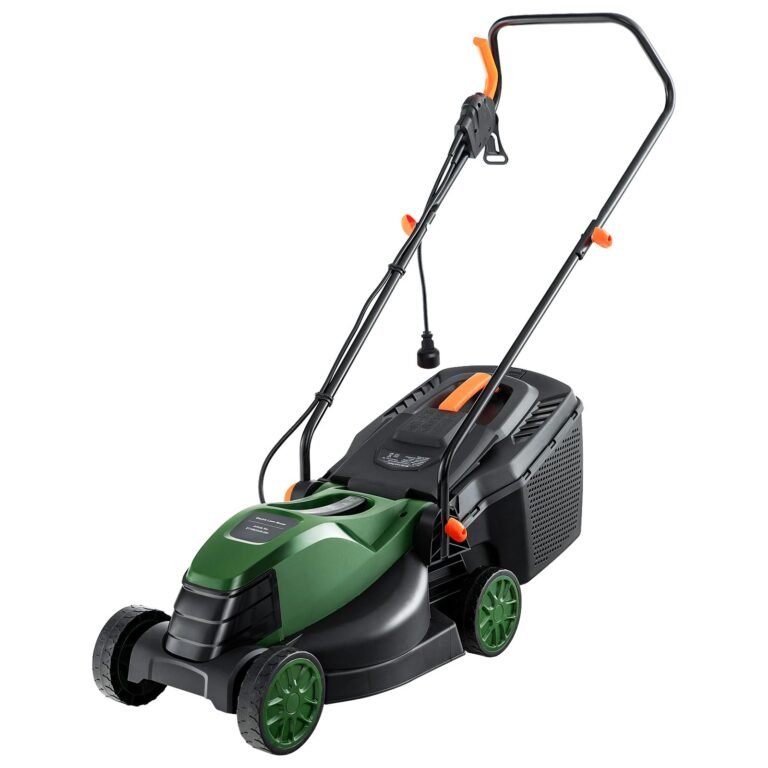
Push and self-propelled mowers
Push mowers suit many small and medium yards. Self-propelled mowers use a drive system to move the mower forward, which can help on slopes or larger lots.
Both often use a single rotary blade. A clean, balanced edge matters because the blade spins at high speed under a compact deck.
A sharp blade is especially helpful on battery push mowers. It can reduce cutting resistance, although runtime also depends on grass height, moisture, cutting width, battery voltage, and amp-hours, or Ah. Ah measures battery capacity, not cutting power by itself.
Riding mowers and zero-turn mowers
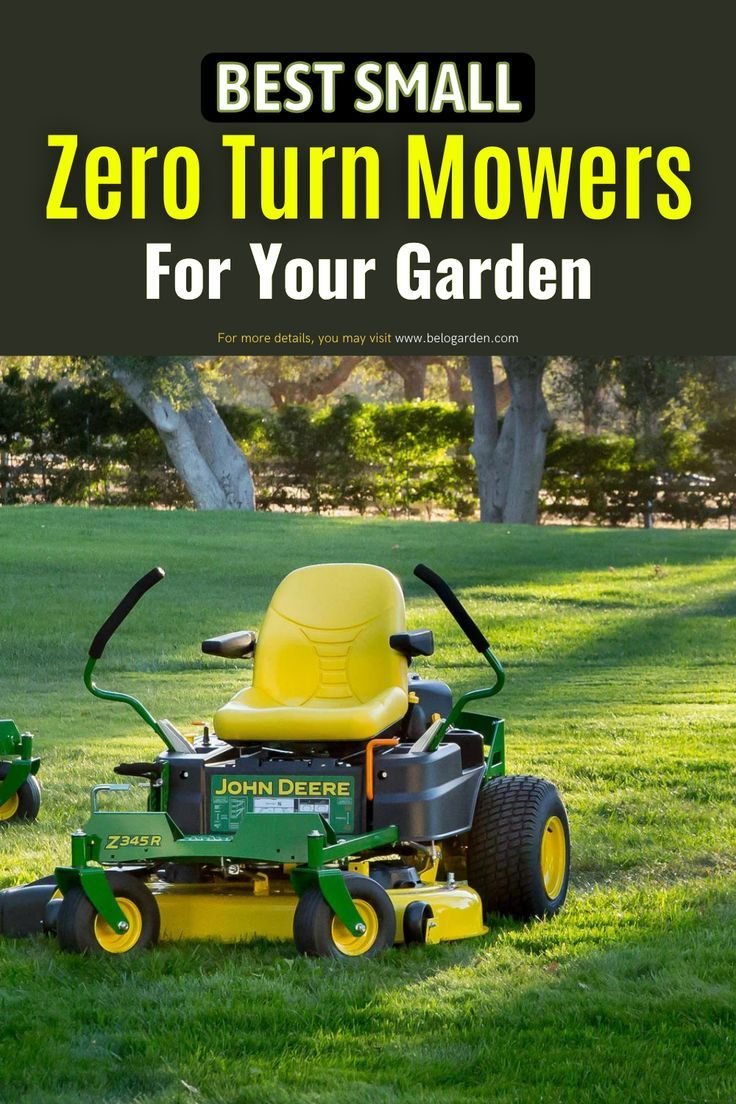
Riding mowers and zero-turn mowers use larger decks and may use two or three blades. A zero-turn mower turns by changing the speed of its drive wheels, so it suits open yards with fewer tight obstacles.
Multi-blade decks need more care. All blades should be in good condition and balanced. One badly worn blade can create an uneven cut even if the other blades are sharp.
For a sloped lawn, follow the manufacturer’s slope limits. A riding mower may not be suitable for steep hills, wet areas, or uneven ground.
Reel mowers
Reel mowers use a cylinder of blades that passes against a fixed bed knife. They cut more like scissors than a rotary mower.
A reel mower should not be sharpened with the same bevel used on a rotary blade. Reel and bed-knife adjustment must be correct, or the mower may crush grass instead of cutting it.
Reel mowers suit small, fairly level yards with short grass. They need regular cleaning and occasional professional backlapping or sharpening.
Robotic and specialty mowers
Robotic mowers often use small pivoting blades or blade discs. These parts may be thin and designed for replacement rather than repeated sharpening.
Check the product manual before filing or grinding them. Some systems require a specific screw, blade shape, or torque setting. Using the wrong hardware can damage the cutting disc or create a safety risk.
Blade sharpness and mowing height
A sharp blade cannot compensate for mowing too short. Cutting too much grass at once can stress turfgrass and overload the mower.
A common lawn care rule is to remove no more than about one-third of the grass height in a single mowing. The correct height depends on the grass type, season, shade, and local climate.
| Yard condition | Mowing approach | Blade advice |
|---|---|---|
| Small, flat lawn | Use a push or battery mower at a steady pace | Keep the edge clean and balanced |
| Hilly lawn | Consider a suitable self-propelled mower | Avoid wet slopes and inspect for damage |
| Tall or missed grass | Raise the deck and make gradual passes | Sharpen before cutting thick growth |
| Dry, stressed turf | Mow less often and avoid scalping | A clean edge helps reduce tearing |
| Wet grass | Wait for the lawn to dry | Do not use wet conditions to test sharpness |
The correct mowing height protects the crown of the grass plant. It also reduces the strain caused by cutting too much material at once.
Mulching, bagging, and side discharge
Mulching cuts grass into small pieces and returns them to the lawn. Bagging collects clippings in a grass catcher. Side discharge sends clippings out through the deck.
A sharp blade helps all three systems, but deck design and blade shape also matter. Mulching blades often have extra lift or curved sections. Do not reshape a mulching blade into a standard blade.
When grass is wet or very tall, mulching can clog the deck. Side discharge may handle heavy growth better, while bagging can help keep paths clear.
Problems caused by the wrong blade sharpness
Over-sharpening and under-sharpening can both create problems. The blade should be sharp, strong, straight, and balanced.
| Problem | Likely cause | Useful action |
|---|---|---|
| Brown or ragged grass tips | Dull or damaged edge | Inspect and sharpen or replace |
| Strong vibration | Bent or unbalanced blade | Stop and check balance and blade shape |
| Mower leaves strips | Blade, deck, or overlap issue | Inspect blades and mowing pattern |
| Edge dulls very fast | Thin bevel or hard debris | Use a stronger bevel and clear debris |
| Deck clogs | Wet grass, low height, or poor airflow | Wait for dry grass and raise deck |
| Poor cut after sharpening | Blade installed backward | Check manual and blade markings |
Do not continue using a mower that vibrates strongly. Vibration can loosen hardware and damage the spindle or deck.
How often should you sharpen a lawn mower blade?
Many homeowners sharpen a mower blade about once or twice per mowing season. A large yard, sandy soil, frequent mowing, or rough terrain may require more attention.
A better rule is to inspect the blade every 20 to 25 hours of use or whenever the cut changes. Commercial landscapers may check blades daily because they mow more acres and encounter more debris.
A new blade may need no sharpening until it shows wear. A blade used on a small, clean lawn may last for years. A blade used around gravel, roots, and sticks may wear much sooner.
A simple maintenance schedule
| Service item | Suggested check time | Why it matters |
|---|---|---|
| Blade edge | Every 20–25 hours or when cut worsens | Maintains clean cutting |
| Blade balance | After each sharpening | Reduces vibration |
| Blade bolt | During blade service | Helps prevent movement |
| Deck underside | Several times per season | Removes packed clippings |
| Air filter | Per manual and dusty conditions | Supports engine airflow |
| Spark plug | Per manual | Helps gas mower starting |
| Drive belt | Each season | Detects cracks and wear |
Your manual takes priority over a general schedule. Dust, sand, wet grass, and heavy use shorten service intervals.
Other mower parts that affect the cut
A sharp blade will not fix a damaged mower. Check the deck for packed debris, the wheels for uneven height, and the spindle for looseness.
Gas mowers also need clean air filters, fresh fuel, a suitable fuel stabilizer during storage, and a healthy spark plug. Battery mowers need clean battery contacts and proper storage. Corded mowers need a safe outdoor-rated extension cord and a path free of cutting hazards.
A string trimmer, edger, or leaf blower can finish areas the mower cannot reach. These tools do not replace blade maintenance, but they can reduce the need to force a mower into tight spaces.
Common sharpening mistakes
Most mower blade problems come from rushing. A few careful checks prevent costly damage.
Making the edge too thin
A thin edge may look impressive, but it can bend or chip. Keep the original bevel and leave a small durable flat at the edge.
Removing too much metal
Grinding too far changes blade weight and shape. Stop once the edge is clean. Do not keep grinding to remove every small mark.
Ignoring balance
An uneven blade can shake the mower. Always check balance after sharpening, even if the blade appears symmetrical.
Installing the blade backward
The sharp edge must face the correct direction of rotation. The lift wing must also face the correct way. Use the manual and the markings on the blade.
Sharpening a cracked blade
A crack is a replacement warning. Do not trust welding, hammering, or grinding to make a cracked blade safe.
Mowing over hidden debris
Clear stones, wire, toys, branches, and other objects before mowing. A sharp blade still can be damaged by debris.
Is professional sharpening worth the money?
Professional sharpening can be worth it for riding mower blades, multi-blade decks, commercial equipment, or anyone who lacks a safe work area.
A hardware store, outdoor power equipment shop, or mower repair shop may sharpen and balance blades. Ask whether the service includes inspection and balance, not only grinding.
For a small flat yard and a basic push mower, a hand file can be the least costly option. For a senior homeowner or gift buyer helping a family member, a professional service may be safer than buying a grinder.
🎁 Gift-Buyer Note: If you are buying for a senior, new homeowner, or renter, consider a blade service voucher, safety glasses, gloves, and a mower manual check before choosing power tools.
Who should do the work?
A beginner who can safely disconnect the mower and use a file can often handle light sharpening. Someone with poor grip strength, vision limits, or no stable work surface may be better served by a repair shop.
Experienced DIY users may prefer a bench grinder or dedicated blade sharpener. They should still follow the manual and wear eye and hearing protection.
Do not judge the right choice by price alone. The best method depends on skill, yard size, mower type, storage space, and comfort with power tools.
Safety, storage, and local rules
Safe blade care continues after sharpening. Store loose blades where children cannot reach them. Keep the cutting edge covered or place the blade in a labeled box.
Store a gas mower in a ventilated area away from flames and ignition sources. Never refuel a hot engine. Follow fuel storage laws and the mower manufacturer’s instructions.
Battery mowers should be stored with the battery in the condition listed by the manufacturer. Keep lithium-ion batteries dry and away from extreme heat. Do not store damaged or swollen battery packs.
📜 Check Local Rules: Some HOAs and cities restrict gas equipment, mowing hours, noise, or fuel storage. Confirm local rules before buying a gas mower, running a loud grinder, or mowing early near neighbors.
Disposal and recycling
Do not throw a lithium-ion battery in household trash. Use a designated battery recycling or hazardous-material drop-off.
Old gasoline and engine oil belong at an approved hazardous-waste or household chemical collection site. Never pour them into soil, drains, or storm sewers.
Usable mowers can often be donated, repaired, sold, or recycled through a local program. Remove fuel and batteries as required before transport.
Questions homeowners ask about mower blade sharpness
Q: Should a lawn mower blade be razor sharp?
A: No. A mower blade should be sharp enough to cut grass cleanly but strong enough to resist small impacts. A smooth, durable edge with the original bevel is usually better than a thin razor edge.
Q: Can I sharpen a mower blade without removing it?
A: It is safer and more effective to remove the blade. Sharpening under the deck creates a higher risk of accidental movement and makes balance checks difficult.
Q: How do I know if my blade is sharp enough?
A: Inspect the bevel and edge. It should be smooth and even, with no large nicks or rounded sections. After reinstalling it, mow a small test area and check for clean grass tips and low vibration.
Q: What angle should I use to sharpen a mower blade?
A: Many rotary blades use a bevel near 30 to 45 degrees. Match the original angle rather than forcing a new one. Check the owner’s manual if the design is unusual.
Q: Is a file better than a grinder?
A: A file is slower but gives a beginner more control and removes less metal. A grinder is faster for frequent work but can overheat the blade or ruin its balance if used carelessly.
Q: How often should I sharpen a battery mower blade?
A: Inspect it every 20 to 25 hours of mowing or whenever the cut worsens. Battery mower blades need the same care as gas mower blades. The power source does not change the need for a sound edge.
Q: Can a dull blade damage grass?
A: A dull blade can tear and bruise grass tips. This may leave a ragged, pale, or brown appearance. Other issues, such as drought, disease, poor mowing height, and wet conditions, can cause similar symptoms.
Q: Should I sharpen a bent mower blade?
A: Replace a blade that is clearly bent, cracked, deeply damaged, or badly worn. Do not hammer it straight and return it to service without proper professional inspection.
Q: How long does a mower blade last?
A: Blade life depends on the yard, soil, debris, mowing hours, and blade material. A blade on a clean small lawn may last for years, while one used on rough ground may need early replacement.
Q: Can I use a kitchen knife sharpener?
A: No. A kitchen knife sharpener is not designed for the thickness, shape, or steel of a mower blade. Use a metal file, suitable grinder, or professional sharpening service.
Q: Does a sharp blade improve mower battery runtime?
A: A sharp blade can reduce cutting resistance, but runtime depends on many factors. Grass height, moisture, deck width, battery voltage, amp-hours, speed, and terrain all affect battery use.
Q: Why does my mower vibrate after sharpening?
A: The blade may be unbalanced, bent, installed incorrectly, or loose. Stop the mower, disconnect power, and inspect it. Continued vibration can damage the spindle and deck.
Q: Can I mow wet grass with a sharp blade?
A: It is better to wait. Wet grass can clog the deck, create slippery footing, and increase the risk of losing control. Never mow wet grass on a slope.
Q: Is a mulching blade supposed to be sharper?
A: A mulching blade still needs a durable, clean edge. Its curved design and airflow features matter as much as sharpness. Follow the blade and mower instructions rather than grinding away the lift sections.
Q: What is the best mower blade sharpness for a senior homeowner?
A: The best choice is a properly balanced blade maintained by a safe method. A small flat yard may suit a light battery push mower and professional blade service. Hilly or large yards may require a suitable self-propelled or riding mower, but slope limits must be checked.
Final advice for a clean mower cut
The right lawn mower blade sharpness is not razor sharp. It is a smooth, even, durable edge that follows the original bevel and stays balanced.
Inspect the blade before the lawn shows serious damage. Sharpen lightly with a file, or use a qualified mower shop when the blade is bent, heavily damaged, or part of a multi-blade riding mower deck. Replace cracked or badly worn blades.
For every mower, match the blade to the model, check the installation direction, follow the manual, and keep safety first. Clear debris, wear eye and hearing protection, keep children and pets away, disconnect the spark plug or battery before service, and never refuel a hot engine.
A sharp blade helps the mower do its job. Good mowing height, dry conditions, steady speed, clean equipment, and healthy turfgrass complete the work.
Affiliate disclosure: This article may contain affiliate links. If you buy a product through one of these links, we may earn a commission at no extra cost to you. Product availability, specifications, compatibility, and prices can change, so confirm current details on the manufacturer’s product page and in the owner’s manual.