Lawn Mower Runs Rough At Idle: Causes And Fixes
A lawn mower runs rough at idle when fuel, air, spark, or engine speed is not properly balanced.
When a lawn mower runs rough at idle, it may surge, cough, vibrate, or nearly stall. This problem is common in both push mowers and riding mowers, especially after winter storage or long periods with old fuel. With a careful check of the air filter, spark plug, carburetor, fuel system, and governor, most owners can find the cause without guessing.
What a Rough Idle Looks and Sounds Like
A smooth idle should sound steady. The engine may vibrate a little, but its speed should not rise and fall on its own. A rough idle feels more like a car with a weak engine tune: it shakes, pops, hunts for speed, or stops when you release the blade control.
Common signs include:
• The engine surges up and down at idle
• The mower sputters or coughs
• The engine stalls when the blades engage
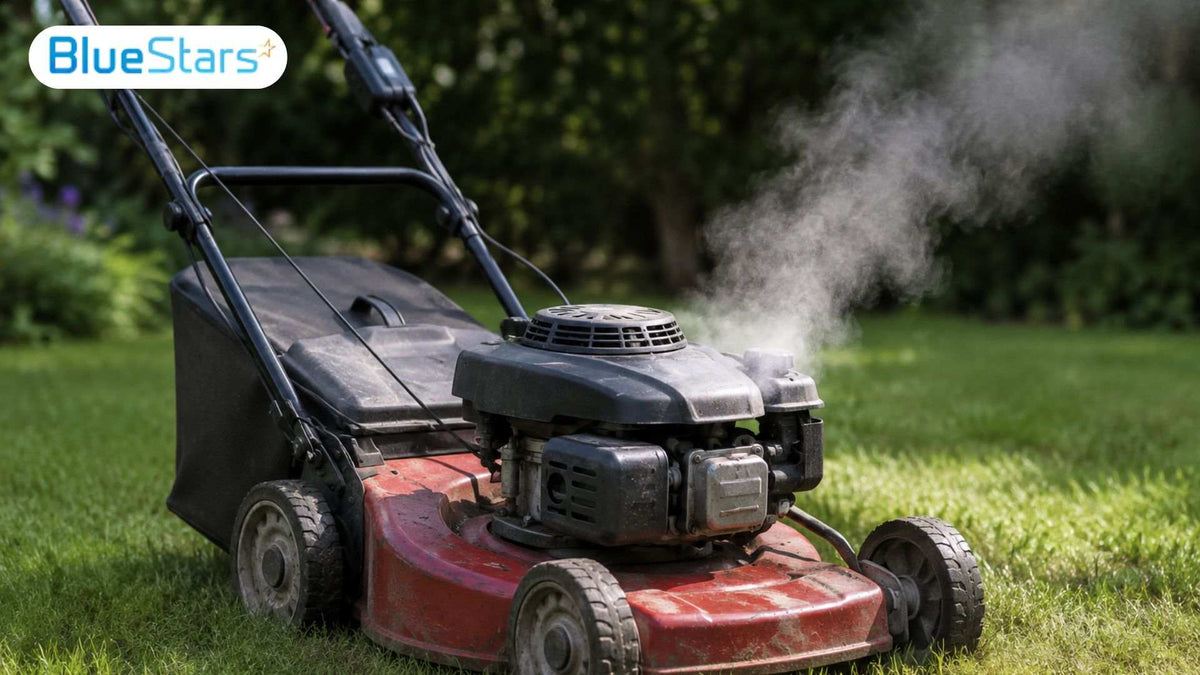
• Black smoke comes from the muffler
• The mower needs several pulls to start
• The engine only runs well with the choke partly closed
• The mower vibrates more than usual
The engine may run normally at full speed but fail at idle. This often points to a restricted idle circuit, a dirty carburetor passage, or an air leak. A mower that runs poorly at every speed may have a wider fuel, spark, compression, or mechanical issue.
Why Your Lawn Mower Runs Rough at Idle
Several systems must work together for a small engine to idle smoothly. The carburetor meters fuel, the air filter controls incoming air, the spark plug lights the mixture, and the governor controls engine speed. A fault in any one of these areas can make a lawn mower run rough at idle.
Dirty or clogged carburetor
A dirty carburetor is one of the most common causes. Old gasoline can leave a sticky varnish inside the bowl and small jets. Even a tiny blockage can reduce fuel flow at idle.
The idle passage is very small. It may clog before the main jet does. That explains why the engine can run at full throttle but stumble when the throttle closes.
Old or contaminated fuel
Gasoline loses quality during storage. Moisture can also enter the tank and cause rust or poor combustion. Fuel that looks dark, smells sour, or contains visible debris should not remain in the tank.
Fuel with more than 10% ethanol can attract moisture and damage some older fuel system parts. Always check your mower manual for the correct fuel type and storage advice.
Restricted air filter
A foam or paper air filter that is packed with dust can reduce airflow. The engine then receives too much fuel compared with air. This rich mixture may cause a rough idle, black smoke, or a strong fuel smell.
Never wash a paper filter. Replace it when dirty. Foam filters may be washed and lightly oiled if the manufacturer allows it.
Faulty or worn spark plug
A spark plug with a worn electrode, cracked ceramic, or heavy carbon deposits may not ignite the mixture well. The result can be a misfire, hard starting, or an uneven idle.
The correct plug type and gap matter. A plug that looks clean can still be worn, so replacement is often a simple and low-cost test.
Air leak near the carburetor
A loose carburetor bolt or damaged gasket can let extra air enter the engine. This creates a lean mixture, which may cause surging and stalling. The engine may improve when you partly close the choke because the choke adds fuel to offset the extra air.
Do not spray flammable cleaner around a running engine to search for a leak. This creates a fire risk. Inspect the gasket and mounting bolts with the engine off.
Incorrect governor or throttle linkage
The governor helps maintain a steady engine speed as the load changes. A bent spring, loose linkage, or incorrectly installed control cable can cause hunting at idle.
The governor is sensitive. Moving its arm or spring without following the service manual can make the engine overspeed. An overspeeding mower can damage itself and create a serious safety hazard.
Blocked fuel cap vent
A fuel tank needs air to replace the fuel leaving the tank. If the cap vent is blocked, a vacuum can form. The engine may run for a few minutes, lose power, and then recover after sitting.
If the problem changes when you loosen the cap, inspect the cap vent. Replace the cap if the manual lists it as a service part.

How to Diagnose a Lawn Mower That Runs Rough at Idle
Begin with simple checks. Many mower problems come from maintenance items, not major engine damage. Work in a clean, well-lit area and keep a small container nearby for old fuel.
1. Check the fuel
Look inside the tank with the engine cold. Fresh fuel should be clean and free of water or dirt. If the fuel is old, drain it into an approved container and dispose of it according to local rules.
Do not pour gasoline on the ground or into a drain. Add fresh fuel only after checking the owner’s manual for the recommended grade and ethanol limit.
2. Inspect the air filter
Remove the air filter cover and examine the filter. If it is dark, oily, torn, or packed with grass dust, clean or replace it as directed by the manufacturer.
Run the mower only briefly without the filter for testing if the manual allows it. Never mow without the filter installed. Dirt entering the engine can wear the cylinder and piston.
3. Examine the spark plug
Disconnect the spark plug wire before removing the plug. Look for:
• A light tan or gray deposit, which is often normal
• Heavy black soot, which may show a rich mixture or weak spark
• Wet fuel, which may indicate flooding or poor ignition
• A cracked insulator or worn electrode
Install the correct replacement plug and gap. Do not force a plug into the cylinder head, since damaged threads can turn a small repair into an expensive one.
4. Listen to the idle pattern
Notice how the engine behaves:
• A steady cough often suggests a lean mixture or blocked idle passage
• Black smoke often suggests too much fuel or restricted air
• A repeated rise and fall in speed may suggest a governor or fuel problem
• A sharp metallic knock may signal internal damage
Stop testing if you hear knocking, grinding, or loud backfiring. Those sounds need professional attention.
5. Check the blade and engine load
A bent blade, packed grass under the deck, or damaged blade adapter can overload the engine. Always remove the spark plug wire before reaching near the blade area.
A mower that idles well but dies when the blade engages may have a dull blade, clogged deck, weak engine, or blade brake problem. Never bypass a safety switch to keep testing.

How to Fix the Problem Safely
Once basic checks point to the fuel system, clean parts in a logical order. There is no benefit in adjusting the governor if the air filter is blocked or the carburetor contains stale fuel.
Clean or replace the air filter
Replace a paper filter that is dirty. For a serviceable foam filter, wash it with mild soap and warm water. Let it dry fully, then apply the amount of filter oil listed in the manual.
Too much oil can restrict airflow. Too little oil can allow dust to reach the engine.
Replace the spark plug
A new spark plug can restore a smooth idle when the old plug is worn or fouled. Use the plug number recommended for your engine model.
Before installation, check the gap with a wire gauge. Tighten the plug to the manual’s specification. Over-tightening can damage the cylinder head.
Clean the carburetor
If a lawn mower runs rough at idle after fresh fuel, filter service, and a new plug, the carburetor may need cleaning.
A basic cleaning process is:
-
Turn off the fuel valve, if fitted.
-
Disconnect the spark plug wire.
-
Remove the air filter housing and carburetor as needed.
-
Photograph the linkage and spring positions before taking parts apart.
-
Remove the carburetor bowl and inspect for water, dirt, or varnish.
-
Clean the bowl, main jet, and passages with approved carburetor cleaner.
-
Use compressed air carefully and wear eye protection.
-
Replace damaged gaskets and O-rings.
-
Reassemble the parts in their original positions.
Do not push steel wire through a small jet. It can enlarge the opening and change the fuel mixture. If the jet remains blocked, use the correct cleaning tool or install a replacement.
Inspect the intake gasket
Check the gasket between the carburetor and the engine. Look for cracks, flattening, or gaps. Make sure the mounting bolts are snug, but do not over-tighten them.
An intake leak can be hard to see. If the engine still surges after carburetor cleaning, a repair shop can test for leaks and check engine vacuum.
Avoid random adjustment
Some engines have an idle adjustment screw. Others use fixed settings that should not be changed. If the screw has a limiter cap, do not remove it unless the manufacturer provides a procedure.
Adjusting a mixture screw may hide a blocked passage or air leak. It can also increase emissions and make starting harder. Fix the root cause first.

When the Governor Causes an Uneven Idle
The governor reacts to changes in engine speed. When the blades enter heavy grass, engine speed drops, and the governor opens the throttle. When the load decreases, it closes the throttle again.
This system should move freely, but it must remain set correctly. A bent arm or misplaced spring can cause the engine to hunt. A weak spring can also make the mower respond slowly.
Check for:
• A spring that is stretched or disconnected
• Linkage that rubs against the shroud
• Grass or dirt blocking movement
• A throttle cable that does not reach its stop
• A governor arm that appears loose
Do not bend the governor arm or move the clamp by trial and error. Small engines can overspeed quickly. Service manuals provide the correct adjustment method and engine speed, often measured with a tachometer.
In my experience, this is a common place for well-meaning owners to make the problem worse. A mower may sound better for a moment after an adjustment, yet run above its safe speed. If the linkage looks altered, let a qualified technician set it.

Why the Choke Can Hide the Real Problem
If the mower runs better with the choke partly closed, the engine may be receiving too much air or too little fuel. The choke reduces air and enriches the mixture, so it can temporarily hide a clogged jet or intake leak.
This does not mean the choke should stay on during normal mowing. Continuous choke use can cause black smoke, poor power, carbon buildup, and excess fuel in the crankcase.
Check these areas instead:
• Dirty idle or main jet
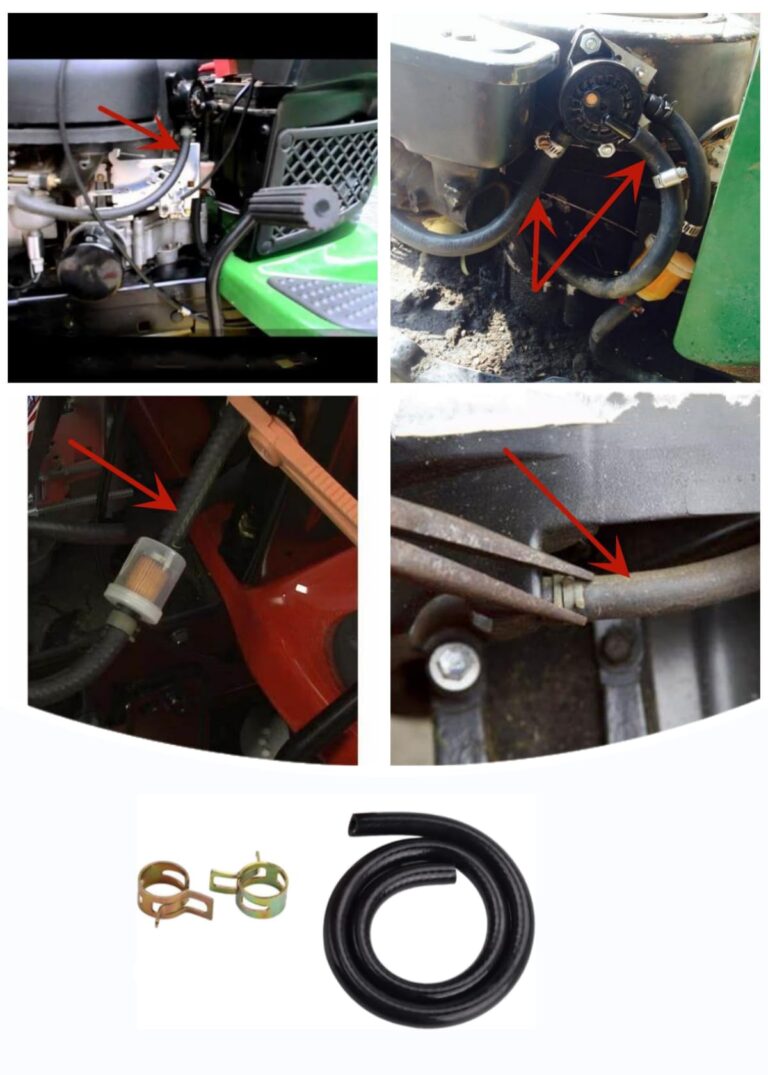
• Restricted fuel line
• Blocked fuel filter
• Loose carburetor gasket
• Low fuel flow from the tank
A choke test is useful as a clue, not as a repair.
When the Problem May Be Mechanical
Most rough idle problems come from maintenance or fuel issues. Still, a lawn mower runs rough at idle sometimes because of low compression or internal wear.
Possible mechanical causes include:
• A valve that does not seal
• Incorrect valve clearance
• A worn piston ring
• A damaged head gasket
• A sheared flywheel key
• Carbon buildup around a valve
Compression problems often cause hard starting, low power, smoke, or poor performance at all speeds. A compression test can provide useful information, but readings vary by engine design. A leak-down test gives a clearer view of where pressure escapes.
A sheared flywheel key can change ignition timing after the blade hits a solid object. The mower may start but run badly or kick back during starting. This repair requires flywheel removal and should follow the engine manual.

Preventing Rough Idle Problems
Good storage and basic service can prevent many idle issues. The best maintenance plan is simple and consistent.
• Use fresh fuel from a clean container
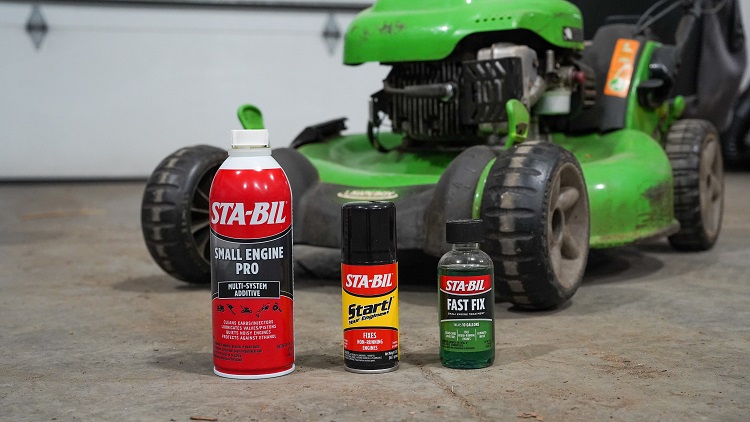
• Add fuel stabilizer when storing the mower
• Run the engine as directed after adding stabilizer
• Replace the air filter at the recommended interval
• Check the spark plug each season
• Clean grass from the engine cooling fins
• Keep the mower deck free of packed clippings
• Store the mower in a dry, covered place
• Avoid leaving untreated fuel in the tank for long storage
At the end of the mowing season, follow the storage instructions for your specific engine. Some manufacturers recommend draining the tank. Others recommend stabilizing the fuel and running the engine. The right choice depends on the fuel system and manual.
One lesson I learned early is that prevention costs far less than carburetor repair. A few minutes spent using fresh fuel and a clean filter can prevent a frustrating weekend repair.
When to Call a Small Engine Professional
DIY service is reasonable for a filter, spark plug, fuel replacement, or basic carburetor cleaning. A professional inspection is safer when the problem involves engine timing, compression, governor calibration, or repeated stalling.
Seek help if:
• The engine overspeeds
• You find metal in the oil
• The mower produces heavy blue smoke
• The engine knocks or grinds
• The carburetor leaks gasoline
• The mower backfires often
• The engine remains rough after basic service
• You are not comfortable working with fuel
Always work outdoors or in a well-ventilated area. Keep gasoline away from sparks, cigarettes, hot mufflers, and electrical tools. Let the engine cool before servicing it, and disconnect the spark plug wire before working near the blade.

Frequently Asked Questions About a Lawn Mower Runs Rough at Idle
Why does my lawn mower run rough at idle but smooth at full throttle?
A blocked idle passage or dirty carburetor is a common reason. The main jet may supply enough fuel at full speed, while the smaller idle circuit remains restricted.
Can bad gas make a lawn mower run rough at idle?
Yes. Old or water-contaminated gasoline can cause poor combustion and carburetor deposits. Drain questionable fuel, inspect the tank, and use fresh fuel recommended for your engine.
Should I adjust the carburetor when my lawn mower runs rough at idle?
Not at first. Check the fuel, air filter, spark plug, and carburetor for dirt before changing any adjustment screw. Incorrect adjustment can create unsafe engine speed or hide a deeper fault.
Why does my mower idle better with the choke on?
The choke adds fuel by reducing air. If the mower improves with the choke partly closed, it may have a clogged fuel passage, weak fuel flow, or an air leak near the carburetor.
Can a dirty air filter cause a rough idle?
Yes. A blocked filter reduces air and creates a rich fuel mixture. Cleaning or replacing the filter may restore a smoother idle, especially if the engine also produces black smoke.
Is it safe to mow if the engine runs rough at idle?
It is better to repair the issue first. A rough engine may stall near obstacles, lose power in heavy grass, or signal a fuel leak, governor fault, or mechanical problem.
Conclusion
A lawn mower runs rough at idle most often because of stale fuel, a dirty carburetor, a restricted air filter, a worn spark plug, or an intake leak. Start with safe, simple checks before adjusting the governor or opening the engine. Fresh fuel, clean filters, correct spark plug service, and careful storage prevent many repeat problems.
Work slowly, follow the mower manual, and stop when you find signs of overspeed, fuel leakage, or internal damage. Use this guide to narrow down the cause, then share your results or explore your engine’s service resources for the next step.