


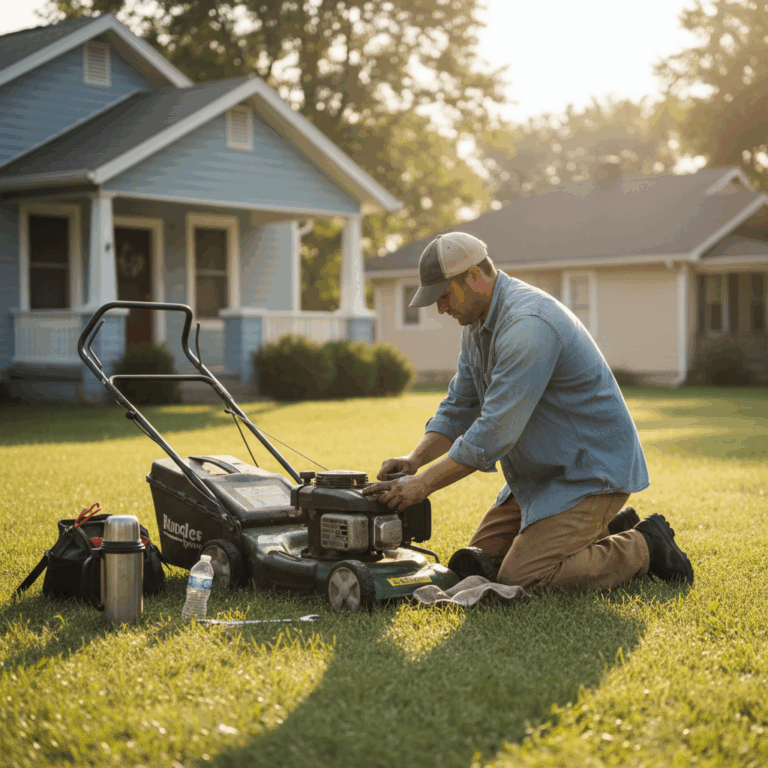
The best time of day to mow a lawn is mid-morning, after dew dries but before the day becomes hot.
Choosing the best time of day to mow lawn can protect grass, improve cut quality, and make yard work easier. The right mowing window depends on sunlight, moisture, heat, grass type, and your local weather. This guide explains each factor so you can build a simple routine that keeps your lawn thick, green, and healthy.
Why the Time of Day Matters
Mowing is more than cutting grass short. Each cut creates small wounds on the grass blades. If you mow when the lawn is stressed, wet, or exposed to strong heat, recovery can take longer.
The best time of day to mow lawn helps you balance three needs:
• Dry grass for a clean cut
• Mild temperatures to reduce plant stress
• Enough daylight for safe and even mowing
Grass is a living plant. Like any plant, it needs time to heal after damage. A good mowing time gives the lawn a better chance to recover before night, heat, or heavy foot traffic.
Mowing at the wrong time can also cause practical problems. Wet clippings may clump together, mower wheels can leave ruts, and damp soil can compact under heavy equipment.

The Best Time of Day to Mow Lawn
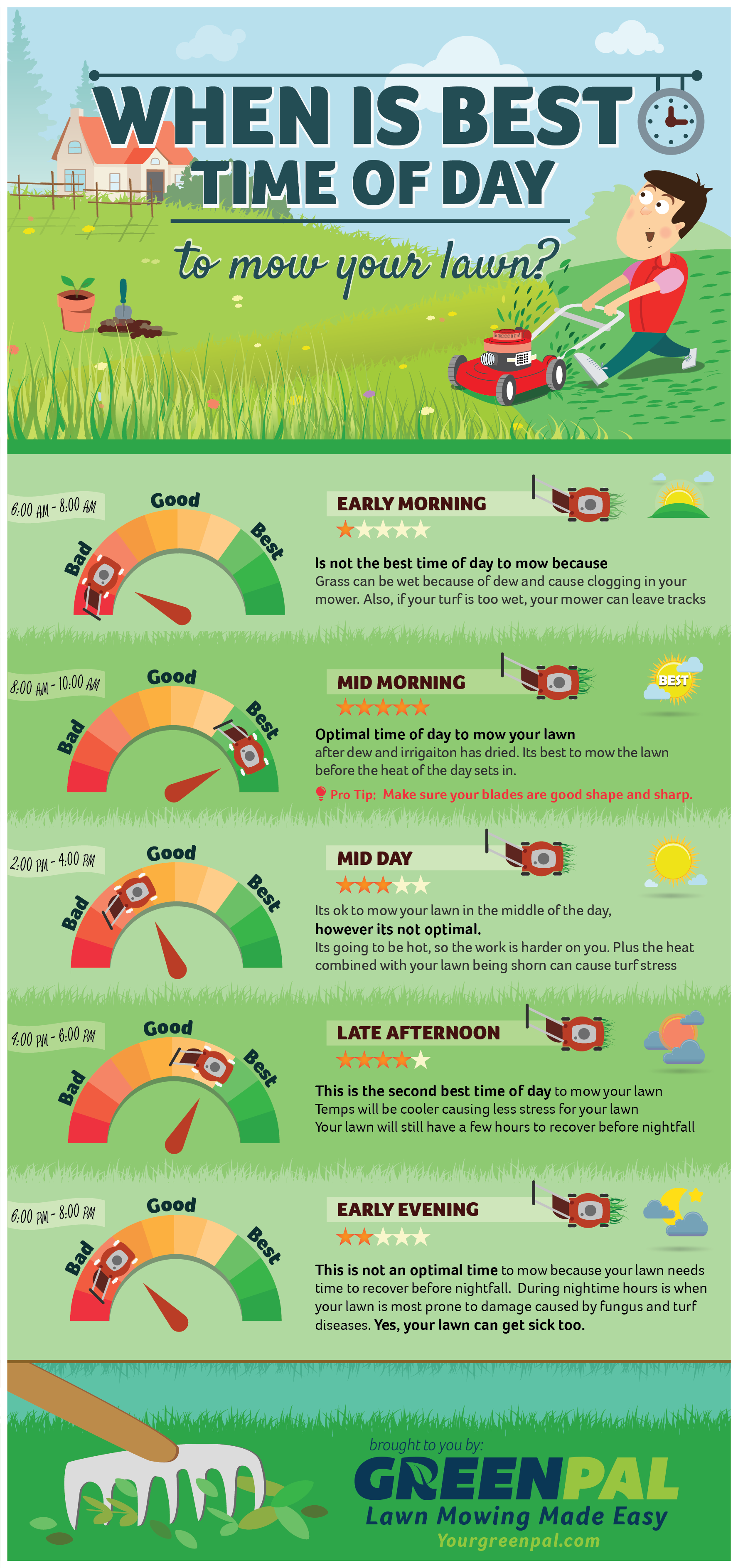
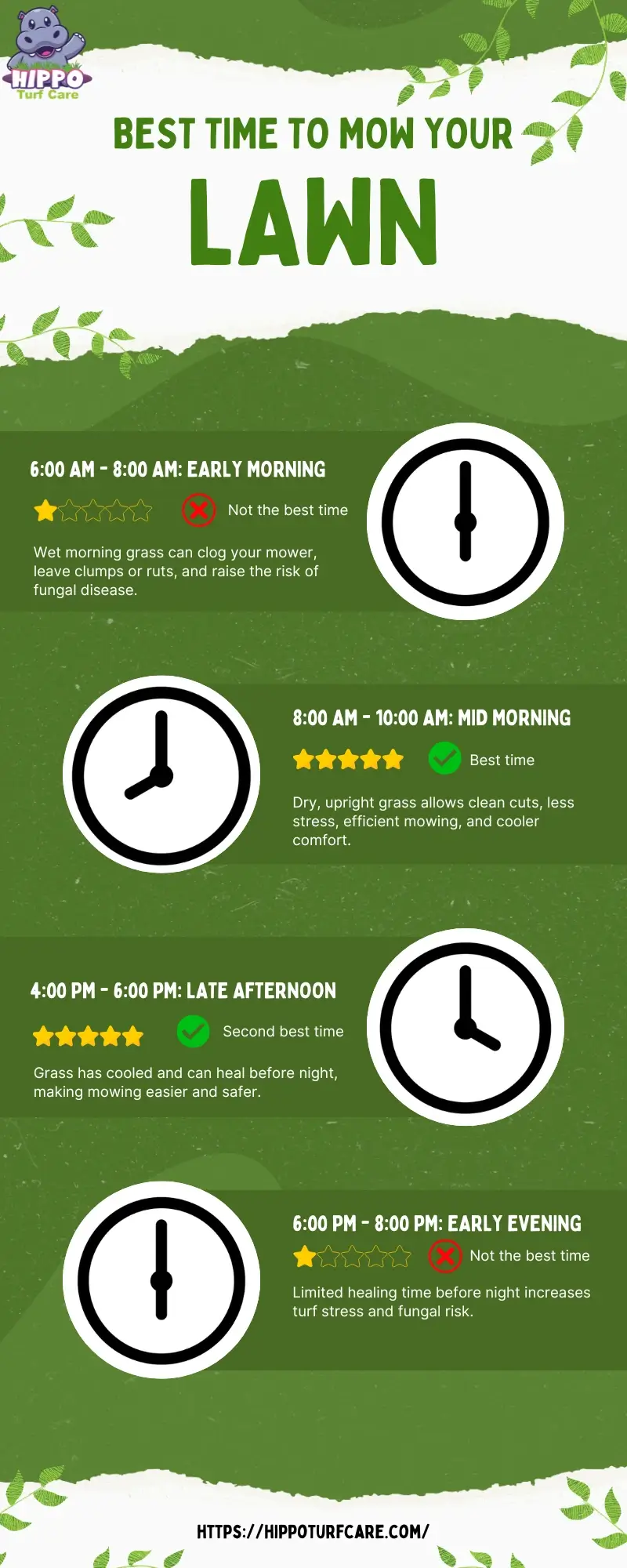
For most homes, the best time of day to mow lawn is between 9 a.m. and 11 a.m. This window usually works well because morning dew has dried, temperatures are still moderate, and the grass has much of the day left to recover.
Local conditions matter more than the clock. In a dry area, dew may disappear early. In a humid area, the lawn may remain damp until late morning. Check the grass by touching it or walking across a small area before you start.
A strong mowing window should meet these conditions:
• Grass blades feel dry
• Soil is firm under your shoes
• The sun is not at its strongest
• The weather forecast shows no immediate storm
• You have enough light to see roots, toys, stones, and uneven ground
Mid-morning is not a strict rule. It is a useful starting point. The best time of day to mow lawn may be later in the morning during a cool spring or earlier in the morning during a hot summer.

Is Late Afternoon a Good Time to Mow?
Late afternoon can also be a good choice. Aim for about 4 p.m. to 6 p.m., when the strongest heat has passed but there is still plenty of daylight.
This time can work well when morning dew lasts too long. It is also helpful for people with busy work schedules. However, avoid mowing right before sunset. Grass that stays wet overnight may be more likely to develop fungal problems, especially in humid weather.
Late afternoon mowing is best when:
• The grass is fully dry
• The temperature has started to fall
• At least two hours of daylight remain
• The lawn is not already stressed by drought
• The forecast does not call for evening rain
Do not mow during the hottest part of the afternoon. Strong heat can increase moisture loss from freshly cut blades. The lawn may look dull or wilted, and you may feel the strain too.
Why Mid-Morning Usually Works Best
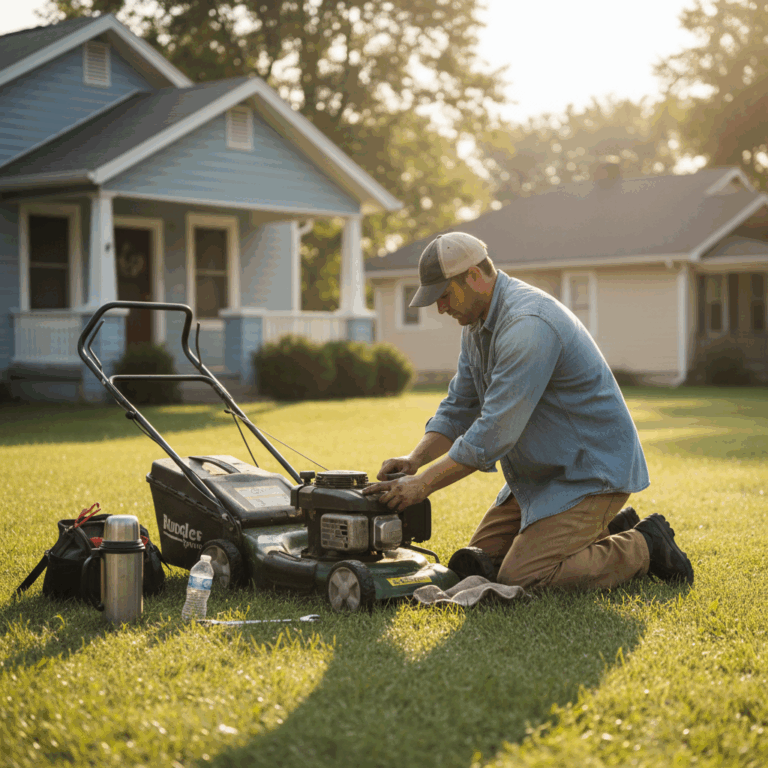
Mid-morning offers a useful middle ground. The grass has had time to dry, but the soil and plants have not yet faced the full force of the afternoon sun.
A clean cut helps grass heal faster. Sharp mower blades slice the blades instead of tearing them. Dry conditions help the mower move smoothly and spread clippings more evenly.
The best time of day to mow lawn also supports lawn appearance. Freshly cut grass can stand upright better when it is not weighed down by dew. This creates a more even finish and reduces the chance of missed patches.
There are limits, though. A very hot morning may not be safe for cool-season grass or for the person mowing. During a heat wave, late afternoon may be safer for the lawn if the temperature has dropped.

The Worst Times to Mow Your Lawn
Some times create more harm than benefit. You should usually avoid mowing during these conditions.
Early Morning When Grass Is Wet
Early morning often brings heavy dew. Wet grass sticks to the mower deck and can block the discharge chute. It may also create uneven clumps across the lawn.
Wet blades are harder to cut cleanly. The mower may bend them instead of slicing them, which can leave a ragged, brown appearance.
Midday During Extreme Heat
The hottest part of the day can stress both grass and people. Freshly cut blades lose water faster, and the lawn may struggle if the soil is already dry.
If mowing cannot wait, raise the mower deck slightly. Still, it is better to choose a cooler time when possible.
Right After Heavy Rain
Wait until the grass and soil dry. Mowing soggy ground can create deep tracks and compact the soil. Compacted soil leaves less room for air, water, and roots.
A simple test works well: walk across the lawn. If your shoes sink or leave clear prints, wait longer.
At Night
Night mowing is risky because visibility is poor. You may miss branches, rocks, pet toys, irrigation heads, or uneven ground. Noise can also disturb neighbors and wildlife.
:max_bytes(150000):strip_icc()/ms-mowed-lawn-getty-f69e0556304d4ffa95de615ca341ce52.jpg)
How Grass Type Changes the Ideal Mowing Time
Grass type affects the best time of day to mow lawn because cool-season and warm-season grasses respond differently to heat.
Cool-Season Grass
Cool-season grasses include Kentucky bluegrass, tall fescue, fine fescue, and perennial ryegrass. They grow best during cooler spring and fall weather.
For these grasses, mid-morning is often ideal. Avoid mowing during intense afternoon heat, especially when the lawn shows signs of drought stress.
Warm-Season Grass
Warm-season grasses include Bermuda grass, St. Augustine grass, zoysia grass, and centipede grass. They grow most actively during warm months.
These grasses may handle late afternoon mowing better than cool-season grass. However, the lawn should still be dry, and you should avoid cutting during extreme heat.
Grass Height Matters Too
Never remove more than one-third of the grass blade at one time. Cutting more can shock the plant and expose the soil to sunlight.
Typical mowing heights vary by grass type, but many home lawns perform well when kept between 2.5 and 4 inches. Taller grass often develops deeper roots and needs less frequent watering.
Check local university extension guidance for your grass type and region. Local advice is more reliable than a single national mowing rule.

How Weather Affects Mowing Time
Weather can change the best time of day to mow lawn from one day to the next. Temperature, humidity, wind, rain, and sunlight all play a role.
Use this simple weather check before mowing:
-
Look at the hourly forecast.
-
Check whether rain is expected within the next few hours.
-
Feel the grass for moisture.
-
Press your shoe into the soil to check firmness.
-
Look for wilted or folded grass blades.
If the grass is wilted, delay mowing and water according to local watering rules. Mowing drought-stressed grass can add pressure when the plant is already struggling.
Do not mow during thunderstorms or when lightning is nearby. A riding mower or metal push mower offers no protection from lightning. Safety should always come before lawn appearance.
Wind also matters. Strong wind can blow clippings onto sidewalks, roads, gardens, and neighboring yards. Mow when the air is calm enough to control the discharge.
Mowing Before or After Watering
Mowing before watering is usually easier. Dry grass cuts better, and the mower is less likely to clog.
If the lawn needs water, mow first and water later. This order helps prevent wet clumps and reduces the risk of soil damage.
After mowing, water deeply but only when the lawn needs it. Frequent, shallow watering can lead to weak roots. Many established lawns do better with deeper watering less often, but local soil and weather conditions matter.
Avoid watering immediately after every mow by habit. Grass does not need water simply because it was cut. Look for signs of real need, such as a dull color, folded blades, or footprints that remain visible.
Mowing Tips for a Healthier Lawn
The best time of day to mow lawn matters, but mowing technique matters too. Use these simple habits for a cleaner cut.
• Keep mower blades sharp. A dull blade tears grass and leaves ragged tips.
• Set the correct deck height for your grass type.
• Change mowing direction each time to reduce soil compaction and leaning grass.
• Avoid mowing more than one-third of the blade height.
• Leave fine clippings on the lawn when they are spread evenly.
• Remove thick clumps so they do not block light and air.
• Clean the mower deck after use.
• Wear closed-toe shoes, eye protection, and hearing protection when needed.
• Keep children and pets away from the mower.
Sharp blades are especially important. Many lawn professionals check or sharpen blades several times during the active growing season. Sandy soil, sticks, and rough yards can dull blades faster.
One common mistake is mowing on a fixed schedule without looking at the lawn. A calendar may say it is time to mow, but slow growth may mean the grass is still at the right height. Let grass height guide you.
A Practical Mowing Schedule
A flexible schedule is better than mowing every Saturday at the same hour. Grass grows faster during warm, wet periods and slower during cold or dry periods.
Use this routine:
-
Check the grass height twice each week during active growth.
-
Wait for a dry day with mild temperatures.
-
Choose mid-morning or late afternoon.
-
Mow high enough to remove no more than one-third of the blade.
-
Inspect the lawn after mowing for clumps, scalped spots, or tire marks.
-
Adjust the next mowing time based on the lawn’s response.
For many lawns, mowing once a week works during peak growth. Some lawns need mowing more often, while drought-stressed lawns may need less frequent cutting.
A useful real-world lesson is to avoid rushing after a rainy week. Grass may grow quickly, but cutting it very short to catch up can damage the crown and expose bare soil. Raise the deck and mow in stages if the grass has become unusually tall.
Signs You Mowed at the Wrong Time
Your lawn can show clear signs that the mowing conditions were poor.
Watch for:
• Ragged, shredded blade tips
• Yellow or brown grass soon after mowing
• Thick clumps left on the surface
• Deep tire tracks
• Mud sticking to the mower
• Grass that stays wet for many hours
• Increased weeds in thin areas
• A lawn that looks wilted after cutting
Ragged tips often point to dull blades or wet mowing. Brown patches may result from heat, drought, scalping, or cutting too much at once.
Do not assume every brown patch comes from mowing. Disease, insects, pet urine, poor soil, and irrigation problems can create similar symptoms. When the cause is unclear, take a close look at the roots and blades or ask a local lawn professional.
Mowing Safety and Neighborhood Courtesy
Good timing protects more than grass. It also protects people, equipment, and community peace.
Avoid mowing when children are playing nearby. Pick up stones, sticks, wire, and toys before starting. A mower can throw objects at high speed, even when the yard looks clean.
Keep the mower away from wet slopes and steep areas. Slipping near a running blade can cause serious injury. For riding mowers, travel up and down slopes when the manufacturer allows it, not across them.
Noise matters too. Local rules vary, but late morning and early afternoon are often more considerate than dawn or evening. The best time of day to mow lawn should work for your yard and your neighbors.
Frequently Asked Questions
What is the best time of day to mow lawn?
The best time of day to mow lawn is usually mid-morning, around 9 a.m. to 11 a.m. Wait until dew dries, but try to finish before intense afternoon heat.
Can I mow my lawn in the afternoon?
Yes, you can mow in the afternoon if the grass is dry and temperatures are moderate. Late afternoon is usually better than the hottest part of the day.
Is it bad to mow wet grass?
Mowing wet grass can create clumps, uneven cuts, clogged mower decks, and soil ruts. It is best to wait until the blades and soil are dry enough to support the mower.
Should I mow before or after watering?
Mow before watering whenever possible. Dry grass cuts more cleanly, and watering afterward can help only if the lawn actually needs moisture.
Can I mow my lawn in the evening?
You can mow in the early evening if the grass is dry and there is enough daylight to see hazards. Avoid mowing after dark or just before heavy overnight moisture.
How often should I mow the lawn?
Mow when the grass grows beyond the preferred height, often about once a week during active growth. Never remove more than one-third of the blade at one time.
Conclusion
The best time of day to mow lawn is usually mid-morning after dew dries and before strong afternoon heat arrives. Late afternoon can also work when the grass is dry, the weather is mild, and daylight remains.
Use grass height, soil firmness, weather, and grass type to guide your choice. With sharp blades, the right cutting height, and a flexible schedule, you can create a healthier lawn with less stress. Try adjusting your next mowing time and observe how your grass responds.
