To sharpen manual lawn mower blades, clean the reel and cutting bar, inspect the blade condition, apply sharpening compound or use an appropriate sharpening tool, adjust the blades correctly, and test the mower until it cuts grass cleanly.
In the United States, many homeowners use manual reel lawn mowers for small yards, environmentally friendly lawn care, and precise grass cutting. A sharp blade system is essential because reel mowers cut by using a scissor-like action between the rotating reel blades and the stationary cutting bar. When these parts become dull or misaligned, the mower may push over grass instead of cutting it cleanly.
Sharpening manual lawn mower blades is different from sharpening a typical gas or electric rotary mower blade. Most reel mowers require maintaining the contact between the reel and bed knife rather than creating a razor edge on a single blade. The correct method depends on the mower design, blade condition, and available tools.
What You Need Before Sharpening Manual Lawn Mower Blades
Before starting, gather the correct tools and prepare a safe workspace. Manual reel mowers have multiple moving cutting surfaces, so careful preparation reduces the risk of injury and prevents incorrect adjustments.
The exact tools required depend on the sharpening method. Many homeowners use a reel mower sharpening kit with grinding compound and a brush, while others use specialized reel mower sharpening equipment for more worn blades.
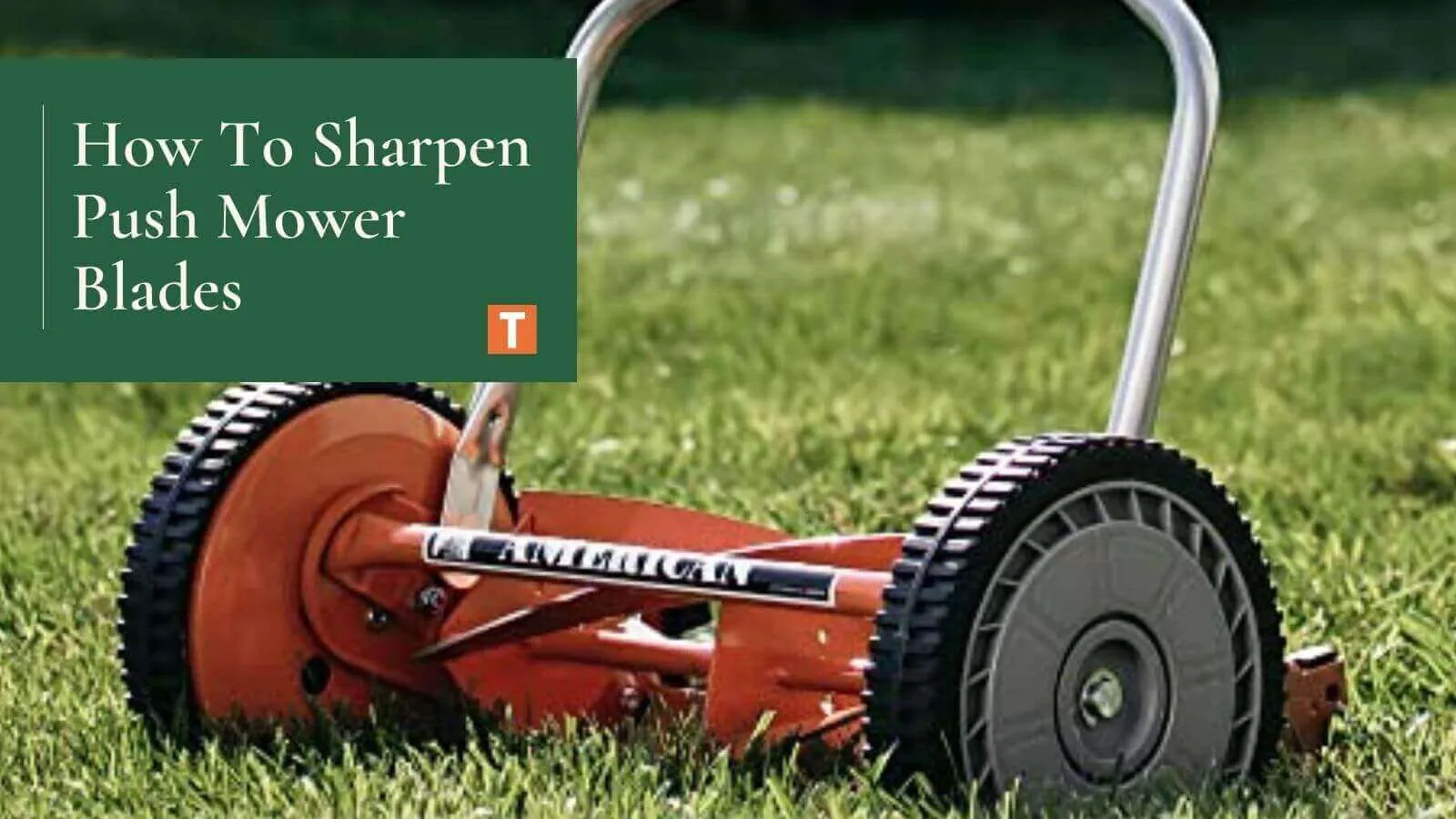
Source: toolsofficial.com
Basic supplies
Common supplies include protective gloves, a cleaning brush, a screwdriver or wrench for adjustments, sharpening compound, an applicator brush, and a cloth for removing debris.
Safety preparation
Place the mower on a stable surface, remove grass buildup, and avoid placing hands near the reel blades while turning or adjusting the mower.
Inspect the Blade Condition First
Check the reel blades and cutting bar before sharpening. Light dullness, minor uneven cutting, or reduced performance can often be corrected with sharpening. However, deep rust, chips, bent blades, or major damage may require replacement or professional servicing.
Signs sharpening may help
The mower leaves uncut strips, tears grass tips, requires more pushing effort, or produces an uneven cut.
Signs sharpening may not be enough
Cracked blades, severely worn edges, or damaged reel components usually need more than routine sharpening.
How to Sharpen Manual Lawn Mower Blades Step by Step
The most common sharpening approach for manual reel mowers is backlapping. This process uses abrasive compound to restore the contact surface between the reel blades and the stationary cutting bar while the reel rotates in reverse.
Follow these steps carefully because incorrect adjustment can reduce cutting performance or create unnecessary wear.
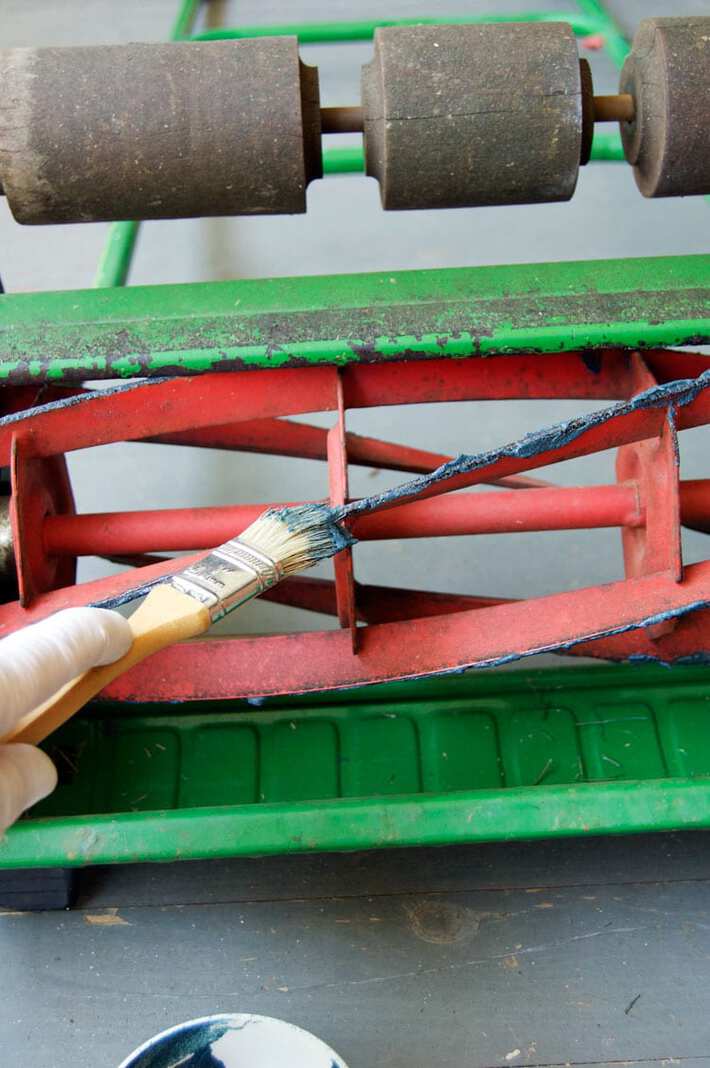
Source: i.ytimg.com
Step 1: Clean the cutting system
Remove grass, dirt, and rust from the reel blades and cutting bar so the abrasive compound can work evenly.
Step 2: Apply sharpening compound
Spread a thin layer of reel mower sharpening compound across the reel blades according to the product instructions.
Step 3: Rotate the reel backward
Turn the reel in the reverse direction so the abrasive compound removes small amounts of metal and restores the cutting surfaces.
Step 4: Clean and test the mower
Remove the compound, adjust the blade contact if needed, and test the mower on grass or paper to confirm a cleaner cut.
A properly sharpened manual lawn mower should cut grass blades cleanly instead of pulling or folding them. The reel should rotate smoothly, and the cutting surfaces should contact correctly without excessive resistance.
Successful sharpening signs
The mower cuts evenly, requires normal pushing effort, and produces cleaner grass tips.
Alternative Methods for Sharpening a Manual Reel Mower
Backlapping is often the easiest maintenance method for homeowners, but other sharpening approaches exist. The best option depends on blade wear, available tools, and the mower manufacturer’s recommendations.
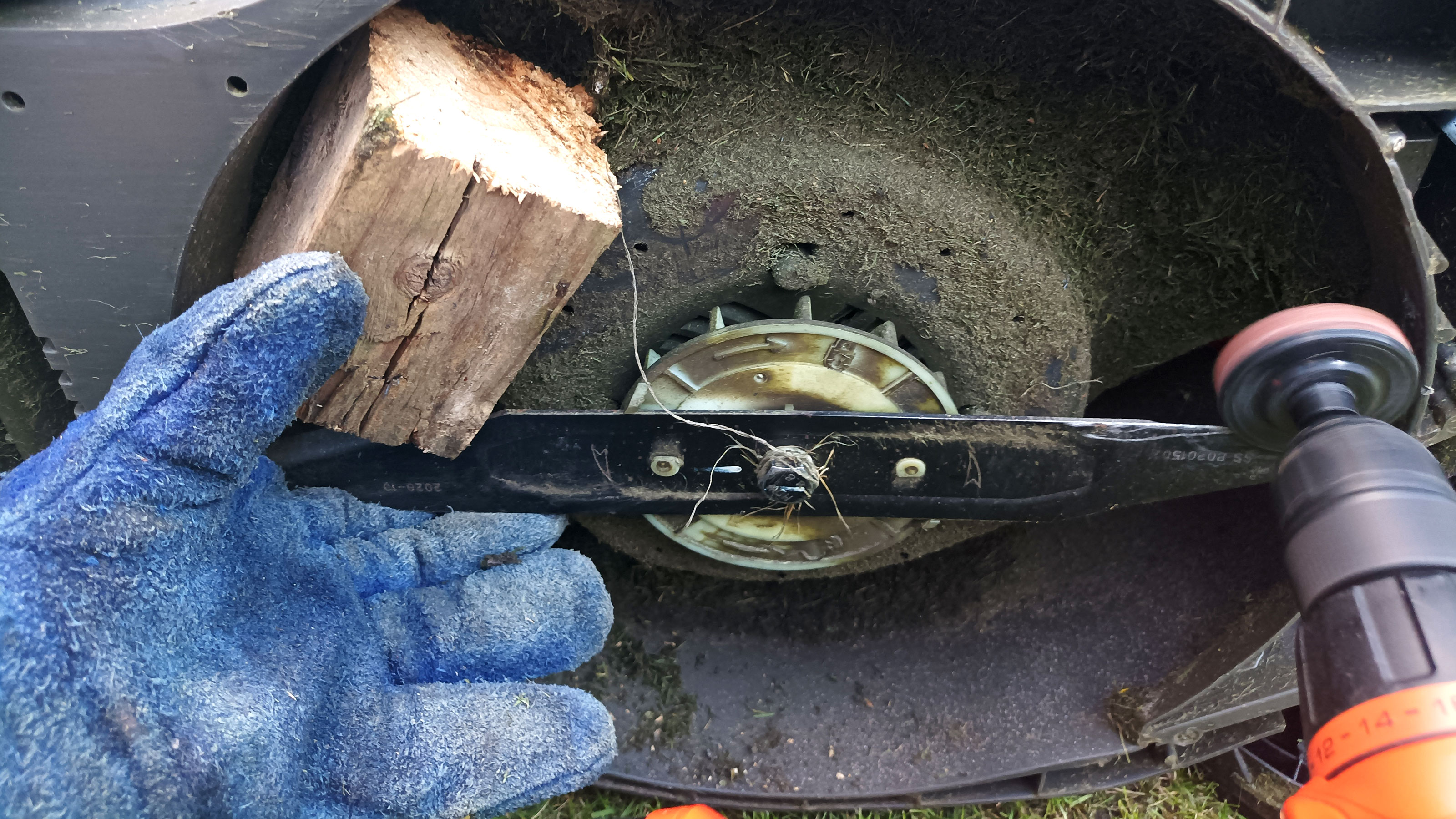
Source: theartofdoingstuff.com
Sharpening kit method
Reel mower sharpening kits are designed for routine maintenance and are suitable for many lightly worn blades.
Professional grinding
A professional service can restore severely worn reel mower components using specialized equipment and precise adjustments.
Hand filing
Manual filing may help with minor edge corrections but can create uneven cutting surfaces if done incorrectly.
Why Rotary Mower Sharpening Methods Are Different
A rotary mower uses a single spinning blade that cuts grass through impact, while a reel mower uses multiple rotating blades against a fixed cutting bar. Because the cutting systems work differently, techniques designed for rotary mower blades may not properly sharpen a manual reel mower.
Common Manual Lawn Mower Blade Sharpening Mistakes
Many sharpening problems happen because homeowners focus only on making blades sharper and ignore alignment, blade contact, or mower condition. Proper maintenance requires balancing sharpness with correct adjustment.
Source: cdn.mos.cms.futurecdn.net
Over-tightening the cutting bar
Excessive contact between the reel and cutting bar creates unnecessary friction and makes the mower harder to push.
Sharpening damaged blades
Sharpening cannot repair cracks, major bends, or severely worn components.
Skipping cleaning
Grass residue and corrosion can prevent accurate inspection and adjustment.
Using incorrect sharpening tools
Tools designed for other mower types may damage reel mower cutting surfaces.
Replacement or professional repair may be the better option when the reel blades or cutting bar are permanently damaged, heavily worn, or unable to maintain proper contact after adjustment.
Consider replacement when
The mower continues producing poor cuts after proper cleaning, adjustment, and sharpening.
How Often Should You Sharpen Manual Lawn Mower Blades?
The sharpening schedule depends on how frequently the mower is used, the size of the lawn, grass conditions, and whether the mower encounters dirt, sticks, or other debris.
Many homeowners sharpen or adjust their reel mower when cutting quality declines rather than following a fixed calendar schedule.
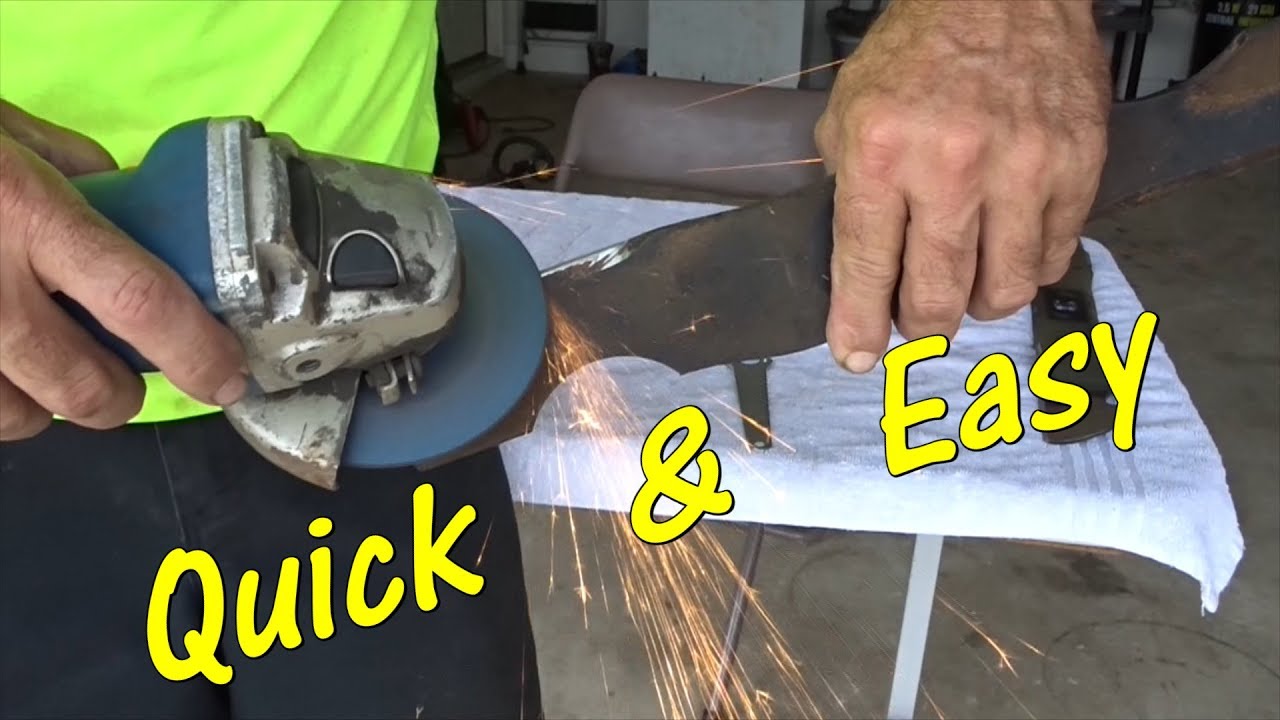
Source: i.ytimg.com
Light residential use
Small, well-maintained lawns may only require occasional sharpening and regular cleaning.
Frequent mowing
Large lawns or frequent mowing schedules may require more frequent inspection and maintenance.
Frequently Asked Questions
Q
Can I sharpen manual lawn mower blades without removing them?
Yes, many reel mower sharpening methods, especially backlapping, are performed without removing the reel assembly. However, always follow the mower manufacturer’s maintenance instructions.
Q
How do I know if my manual mower blades are dull?
Common signs include grass tips that look torn instead of cleanly cut, uneven mowing, more pushing effort, and missed strips of grass.
Q
Can I use a file to sharpen a reel mower blade?
A file can help with minor adjustments, but improper filing may create uneven edges. Reel mower sharpening methods are usually designed to maintain precise blade contact.
Q
Why is my reel mower still not cutting after sharpening?
The problem may be incorrect blade adjustment, damaged cutting components, dirty blades, or excessive wear. Inspect the entire cutting system before repeating the sharpening process.
Q
Do manual lawn mower blades need to be razor sharp?
No. Reel mower performance depends on accurate contact between the reel blades and cutting bar rather than a razor-like edge on one blade.
✦ Wrapping Up
Conclusion
Sharpening manual lawn mower blades is mainly about restoring the precise cutting relationship between the reel and cutting bar. With proper cleaning, the correct sharpening method, and careful adjustment, many homeowners can improve cutting performance without replacing their mower.
The best maintenance approach is to inspect the blades regularly and address dullness before poor cutting performance becomes a larger problem.
💡 Key Takeaway
Clean and inspect your reel mower first, use a sharpening method designed for manual reel mowers, and test the cut quality before returning the mower to regular use.
Learn how to install riding mower blades safely with this detailed step-by-step guide. Understand blade direction, required tools, safety steps, common mistakes, and troubleshooting tips.
When your lawn mower battery stops charging right before a mow, it feels like the universe is playing a cruel joke. You’re ready to get the yard done, the weather’s perfect, and then—click, click—nothing. The good news? You don’t need to panic or rush to buy a new mower just yet. Most lawn mower battery…
You’re ready to tackle the lawn, the grass looks wild, and you’re feeling productive—until you grab the starter handle and realize your lawn mower cord is not pulling. It either locks solid or moves just an inch before refusing to budge. That sinking frustration hits instantly. It feels like your weekend just got derailed before…