Foam Vs Paper Air Filter Lawn Mower: Best Choice
Choosing between a foam and paper air filter for a lawn mower seems simple. Yet this small part has a big job. The air filter keeps dust, grass bits, and grit out of the engine. A dirty or wrong filter can lead to hard starts, weak power, black smoke, poor fuel use, and faster engine wear.
The main choice is clear: a paper air filter is usually easier and cleaner to replace, while a foam air filter can be washable and useful in dusty yards. Some mowers use both. Your mower’s engine design, yard conditions, service habits, and budget should guide the choice.
This guide compares foam vs. paper air filters for push mowers, self-propelled mowers, riding mowers, and other small gas engines. It also covers filter care, wet grass, dry weather, storage, replacement signs, cost, safety, and the needs of first-time owners, DIY users, and gift buyers.
Quick answer: foam vs. paper air filter for a lawn mower
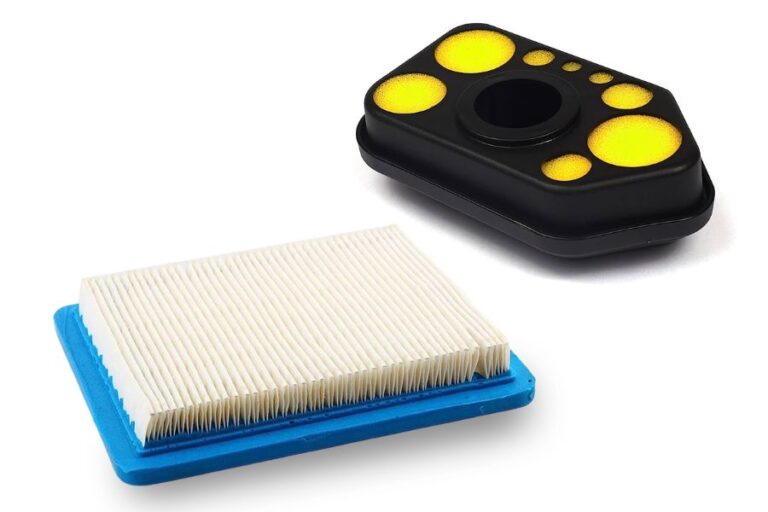
The main difference between foam and paper mower air filters is how they trap dirt and how they are maintained. Paper filters are usually dry, disposable, and simple to replace. Foam filters are often washable, reusable, and better suited to dusty yards when cleaned and oiled as the manual directs. Some engines use a foam pre-filter with a paper main filter.
For most homeowners, use the exact filter type and part number listed in the owner’s manual. Do not replace a paper filter with foam unless the engine maker approves the change.

The basic job of a mower air filter
A mower engine needs two things to burn fuel: gasoline and air. The air filter cleans that air before it enters the carburetor or fuel system. It acts like a gatekeeper at the engine’s front door.
Grass clippings, dry soil, pollen, sand, and small bits of leaf litter can damage internal engine parts. Fine grit can act like sandpaper inside the cylinder. A clean filter helps the engine breathe while blocking those particles.
What happens when the filter gets dirty?
A clogged filter reduces airflow. The engine may then run too rich, which means it receives too much fuel compared with air. You may notice a rough idle, dark exhaust, loss of power, or a mower that dies when the grass gets thick.
A dirty filter does not always cause an immediate failure. The mower may still start. That is why filter checks matter. A few minutes of inspection can prevent a long afternoon of troubleshooting.
Common symptoms include:
- Hard starting
- Engine stalling
- Weak cutting power
- Uneven engine speed
- Black smoke
- Higher fuel use
- A dirty or oil-soaked filter
- Grass left standing after a pass

Foam, paper, and dual-filter designs
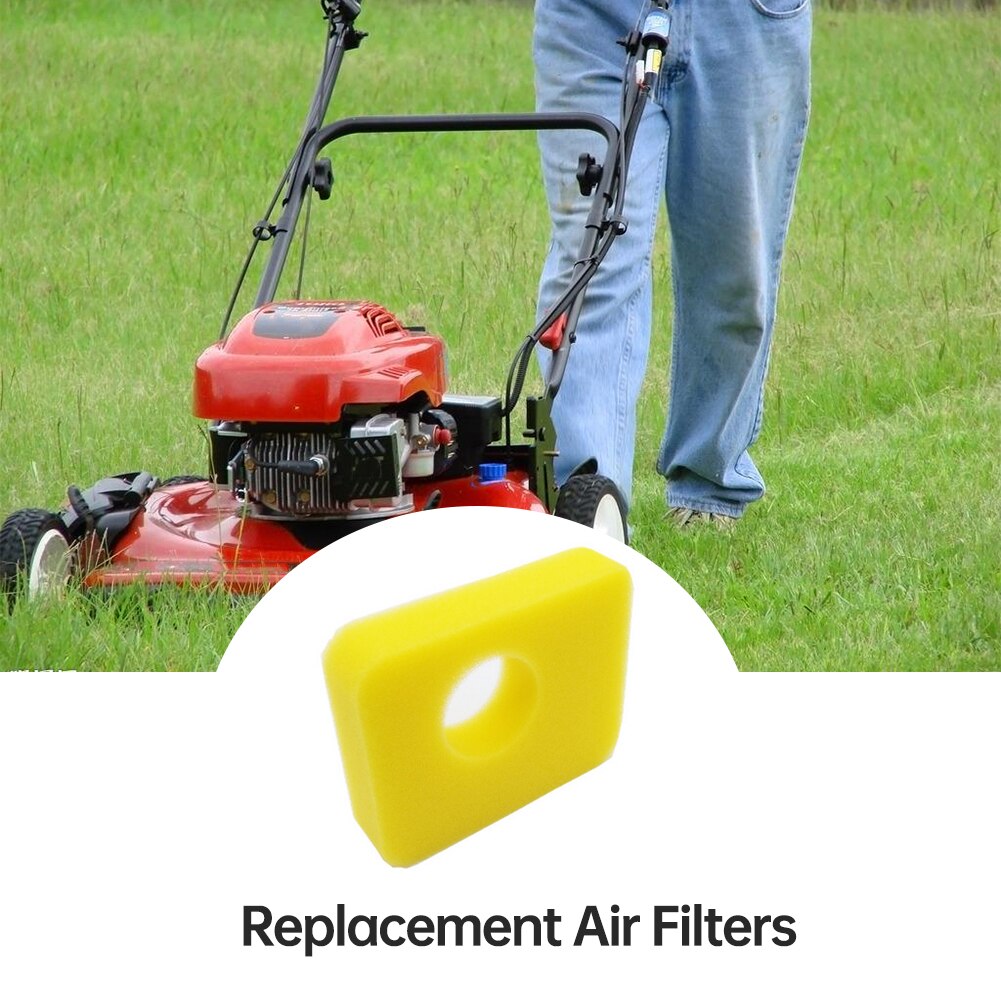
A foam filter is made from open-cell foam. It may be dry or designed to hold special filter oil. That oil helps trap fine dust as air passes through the foam.
A paper filter uses pleated filter material. The folds create more surface area in a small housing. Paper filters are usually not meant to be washed or oiled.
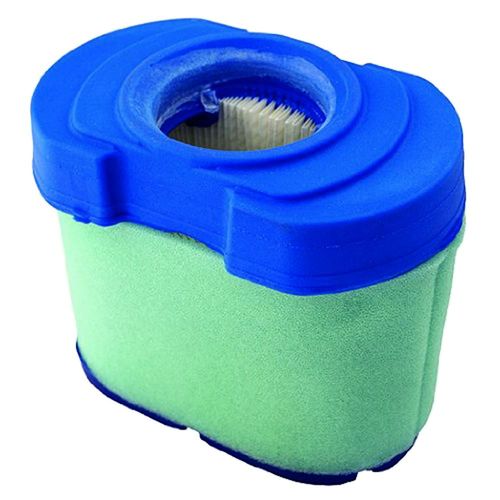
Some mower engines have a dual-filter system. A foam pre-cleaner sits over a paper cartridge. The foam catches larger debris, while the paper handles finer dust. This design can extend the service life of the paper element when maintained correctly.
Foam and paper air filters compared
Both filter types can protect a mower engine when they match the engine and receive proper care. The better choice depends less on marketing and more on the design of your mower, the dust in your yard, and how often you want to service the part.
Comparison table
The table below gives a quick look at the main differences. Always confirm the details in your mower manual because filter shape, service rules, and replacement times vary.
| Feature | Foam air filter | Paper air filter |
|---|---|---|
| Basic design | Open-cell foam | Pleated paper cartridge |
| Normal care | Clean and oil if directed | Replace when dirty or damaged |
| Reusable | Often, if designed for reuse | Usually no |
| Dust handling | Strong when clean and correctly oiled | Strong filtration in a sealed housing |
| Water tolerance | May be washable, but must dry fully | Water can damage the element |
| Mess level | Cleaning and oiling can be messy | Quick and clean to replace |
| Common users | Dusty-yard owners and hands-on DIY users | Most homeowners who want simple service |
The key takeaway is simple: foam can save waste and offer repeat use, but it needs more care. Paper costs more over time in some cases, yet it is often the least confusing option.

Pros and cons at a glance
Neither filter wins in every yard. A small city lawn beside a paved street creates different conditions from a large rural lot with dry soil and a gravel drive.
| Filter type | Main advantages | Main drawbacks |
|---|---|---|
| Foam | Reusable, washable when approved, useful in dusty conditions | Needs correct cleaning and oiling; can be damaged by solvents or sharp edges |
| Paper | Easy to install, clean to handle, common replacement option | Must be replaced; can clog fast in heavy dust; should not be washed |
| Foam pre-filter plus paper | Adds a first layer of protection and can reduce paper loading | More parts to inspect; both must fit and seal correctly |
A foam filter suits a DIY owner who enjoys regular care. A paper filter suits a first-time homeowner, senior user, or gift recipient who wants a fast service routine.

How foam mower air filters work
A foam filter traps dirt as air moves through its pores. Many small-engine foam filters use a special filter oil. The oil catches fine dust that dry foam may allow through.
The foam must have the correct density and shape. A loose piece of household foam is not a safe substitute. It may allow grit into the engine, break apart, or fail to seal around the housing.
When a foam filter needs oil
Some foam filters must be oiled. Others are designed for dry use. The manual should decide.
If oil is required, use foam air-filter oil made for small engines or the product named by the manufacturer. Motor oil may be too heavy or may not spread through the foam as intended. Too much oil can restrict airflow and make the engine run poorly.
The usual care process is:
- Remove the filter from the housing.
- Tap away loose dirt.
- Wash it with the cleaner listed in the manual.
- Rinse it if the instructions allow.
- Let it dry completely.
- Apply the correct filter oil.
- Work the oil through the foam.
- Remove excess oil.
- Inspect the seal and reinstall it.
Do not rush the drying step. Damp foam can hold dirt in the wrong way and may cause service problems.

Foam filter strengths
A foam filter can work well for a mower used beside a dusty driveway, on a dry field edge, or on a property with loose soil. It may also suit a riding mower that runs for long periods in dust.
Reusable foam can reduce the number of discarded filters. This may appeal to owners who maintain several machines, such as a mower, string trimmer, edger, and leaf blower. Still, each engine needs the correct filter design.
Foam filter limits
Foam filters are not maintenance-free. A neglected foam filter can become packed with dirt or lose its shape. Oil that is missing, uneven, or excessive can also cause trouble.
Foam can tear from rough handling. It can also harden with age, fuel exposure, heat, or the wrong cleaner. Replace it if it has cracks, holes, shrinking, swelling, or a poor seal.

How paper mower air filters work
A paper filter uses pleated material to catch dust. The pleats provide a large filtering area inside a compact cartridge. The filter sits in a housing with a cover and a sealing edge.
Paper filters are common on gas push mowers and self-propelled mowers. They are also used on many riding mower engines. The exact shape may be rectangular, oval, round, or panel-style.
Why paper filters are popular
Paper filters make routine service easy. Remove the old part, clean the housing, check the seal, and install the correct new filter. There is no washing, drying, or oiling.
This design suits a homeowner with a small yard who mows once a week. It also helps gift buyers who want to give a new mower owner useful supplies without adding a complex care task.
Paper filter limits
Paper filters are disposable. A heavily dusty yard may require more frequent replacement. A wet or oil-soaked paper element may lose its shape or block airflow.
Do not wash a paper filter unless the manufacturer clearly says it is washable. Water can swell the paper. Compressed air can tear the filter or push dirt deeper into the media.
A light tap may remove loose dust from some filters, but it is not a replacement for a new filter when the element is clogged or damaged.

Which air filter is better for different yards?
The best filter is the approved filter that fits the engine and matches the yard’s demands. A filter choice should follow the mower, not the other way around.
Small suburban yards
A paper filter often makes sense for a small, flat yard. The mower may run for only 20 to 45 minutes each week. Dust levels may stay low if the lawn has good turf cover and nearby paved surfaces.
A foam filter can still work if the mower came with one. It may not offer enough benefit to justify extra cleaning for a new owner.
Dry, dusty, or rural lots
Foam may suit a dusty lot when the engine is designed for it. A foam pre-filter can also help in some dual-filter systems. Check it more often during drought, construction, and dry mowing seasons.
Paper can still be the right choice. It may filter very well when sealed correctly. The key is frequent inspection and timely replacement.
Hilly lawns
Hills do not automatically require a foam or paper filter. The larger concern is mower safety and engine lubrication. Use a mower approved for the slope, and follow the manual’s direction for mowing across or up and down a hill.
Never mow wet grass on a slope. The tires can lose grip, and a clogged filter can make the engine less responsive when you need steady control.
Large lots and riding mowers
A riding mower may collect more dust because it runs longer and travels over wider areas. Inspect the filter before each heavy mowing period. A dual-filter setup can be helpful when the engine includes one.
A paper cartridge may be simpler for a family member who does not want to wash parts. A reusable foam design may suit an experienced owner who already performs regular oil, blade, belt, and spark plug service.
Table: filter choice by yard and user
Use this table as a starting point, not as a substitute for the owner’s manual. Yard size alone does not determine the correct filter.
| Yard or user | Filter approach that often fits | Why |
|---|---|---|
| Small, flat lawn and first-time owner | Approved paper filter | Simple inspection and replacement |
| Dusty rural lot and DIY owner | Approved foam or dual-filter system | More frequent cleaning may be practical |
| Senior user or gift recipient | Factory-specified paper filter | Less mess and fewer service steps |
| Riding mower on a large property | Factory-specified foam, paper, or dual system | Longer run time makes inspection important |
| Wet coastal climate | Correct factory filter with careful storage | Moisture control matters more than filter type |
| Dry climate with loose soil | Foam pre-filter or frequent paper checks | Dust can load filters quickly |
The best match for a beginner is usually the simplest approved design. The best match for a hands-on owner may be a serviceable foam system, but only when the engine supports it.

Filter care in wet, dry, and cold weather
Weather changes how much dirt reaches the filter. It also changes how you should store and service the mower.
Wet grass and humid air
Wet grass may produce fewer airborne dust clouds, but it creates other risks. Clippings can stick to the mower deck and block airflow around the engine housing. Moist storage can lead to mildew, rust, or a damp filter.
Let a cleaned foam filter dry fully before installation. Keep paper filters dry. Store the mower in a ventilated shed or garage, away from roof leaks and direct rain.
Wet mowing also affects turfgrass. It can leave ruts, smear soil, and spread disease. The air filter is only one part of good lawn care.
Drought and dusty soil
Dry weather can fill a filter quickly. Dust rises from bare spots, gravel, field edges, and dry thatch. Thatch is a layer of dead stems and roots near the soil surface. It can shed dry bits when the mower passes.
Check the filter more often during drought. If you mow a dusty lot, avoid removing the filter cover in the wind. Dirt can fall straight into the intake.
Cold starts and winter storage
A dirty filter can make cold starting harder, but cold fuel and old gasoline can also cause starting trouble. Gasoline that sits for months may lose quality. Fuel stabilizer can help when used as directed.
Before seasonal storage, follow the manual. Some engines call for draining fuel. Others allow treated fuel to remain in the tank. Never guess, and never store gasoline in a way that breaks local fire or fuel-storage rules.

Maintenance costs and long-term value
A paper filter usually has a low single-service cost and a short service time. A foam filter may cost more at first or require filter oil and cleaner, but it can be reused when it remains in good condition.
The value depends on your habits. If you skip cleaning, a reusable filter loses its advantage. If you dislike oily parts, a paper cartridge may save time and frustration.
Table: typical ownership trade-offs
Prices vary by brand, engine, and retailer. Check current listings and the exact part number before buying.
| Ownership factor | Foam filter | Paper filter |
|---|---|---|
| First replacement | May be moderate to high | Often moderate |
| Repeat replacement cost | Lower if reusable and maintained | Ongoing |
| Extra supplies | Filter oil and cleaner may be needed | Usually none |
| Service time | Longer | Shorter |
| Waste | Less when reused | More disposable material |
| Risk of user error | Incorrect oiling or cleaning | Wrong fit or delayed replacement |
Do not choose a filter only because it appears cheaper. A poor seal can let dirt bypass the filter and damage the engine. Part fit matters more than a small price difference.

What wears out first?
Air filters are only one part of mower upkeep. Blades become dull, spark plugs wear, drive belts stretch, and batteries lose capacity. A gas mower may also need an oil change and fuel-system care.
A paper filter often reaches the end of its useful life through clogging or damage. Foam may wear at the edges, lose its shape, or become brittle. The housing gasket or sealing lip can also fail.
Inspect these parts during routine service:
- Air filter and filter seal
- Mower blade
- Spark plug
- Engine oil
- Drive belt
- Wheels and wheel height controls
- Grass catcher
- Battery terminals, if equipped
- Fuel lines and fuel cap
Installation and cleaning basics
Filter service is usually easy, but the wrong step can cause engine damage. Work on a cool mower and keep dirt away from the intake.
Basic paper filter replacement
- Park the mower on a level surface.
- Turn off the engine and let it cool.
- Remove the spark-plug wire on a gas mower.
- Remove the filter cover.
- Note the filter’s position.
- Take out the old filter.
- Clean loose dirt from the housing without pushing it into the intake.
- Check the gasket or sealing edge.
- Install the exact replacement.
- Refit the cover and reconnect the spark-plug wire.
Some mowers use screws, clips, or a knob. Use the correct tool and do not overtighten plastic parts.
Basic foam filter cleaning
- Shut off the engine and let it cool.
- Disconnect the spark-plug wire.
- Remove the foam filter carefully.
- Knock off loose debris.
- Wash it only with the approved cleaner.
- Rinse if the manual allows.
- Press out water without twisting the foam.
- Let it air-dry fully.
- Add the correct filter oil if required.
- Reinstall it so the seal sits flat.
Never use gasoline as a foam filter cleaner. It can damage the foam and creates a fire hazard.
Table: simple maintenance checklist
This checklist gives a practical routine. The manual may call for different service intervals.
| Task | When to check | What to look for |
|---|---|---|
| Filter exterior | Before each mowing session | Grass, dust, oil, loose cover |
| Foam condition | During every filter service | Tears, hard spots, poor seal |
| Paper condition | During regular service | Heavy dirt, wet areas, crushed pleats |
| Spark-plug wire | Before servicing | Secure connection and safe removal |
| Filter housing | At every filter change | Dirt, cracks, damaged gasket |
| Storage area | Before long storage | Moisture, pests, fuel hazards |
A clean filter housing matters as much as a clean filter. Dirt left inside can enter the engine during the next start.

Signs it is time to replace your mower air filter
The clearest sign is a filter that is damaged, clogged, or unable to seal. Engine symptoms can support the diagnosis, but they may also point to a spark plug, carburetor, fuel, blade, or ignition problem.
Replace a paper filter when:
- The paper is heavily darkened with fine dust
- Pleats are crushed or torn
- The filter is wet with fuel or oil
- The gasket is damaged
- Dirt has passed through the filter
- The housing cannot hold it firmly
Replace a foam filter when:
- The foam has a hole or tear
- The material feels hard or brittle
- It no longer returns to shape
- The sealing edge is damaged
- It remains dirty after approved cleaning
- It cannot hold the correct filter oil
A filter that looks dusty is not always finished. The important question is whether air can pass through and whether the filter still seals. Follow the maker’s inspection method.

Common buyer mistakes
Many mower owners buy the wrong filter because several parts look similar. A close fit is not always a safe fit.
Buying by mower color or deck size
A 21-inch deck does not tell you the correct air filter. Deck size is the width of the cutting deck, not the engine model. Two mowers with the same cutting width can use different engines and filters.
Find the engine model, mower model, serial number, and filter part number. Confirm them on the product page and in the manual.
Assuming all foam is reusable
Some foam elements are disposable. Some are dry. Some require oil. Do not apply a general rule to every foam filter.
Washing paper
Paper filters are usually disposable. Washing can deform the pleats and weaken the media. Replace the part when the manual says to replace it.
Using household oil
Cooking oil, used motor oil, and random sprays can cause problems. Use the filter oil named by the maker, if oil is required.
Ignoring the seal
A new filter with a poor seal may protect the engine less than an older filter that fits correctly. Check the cover, gasket, clips, and housing for cracks.
Storing a wet filter
Moisture can harm paper and encourage mold on foam. Dry service parts fully before storage.
Foam vs. paper air filter: which one should you choose?
Your yard and service style should decide the answer. There is no universal winner.
Choose a foam filter when
A foam filter may suit you if:
- Your mower is designed for that filter
- You mow dusty soil or rural grass
- You are willing to clean it on schedule
- You can store filter oil and cleaner safely
- You want to reduce disposable filter waste
- You already service blades, oil, belts, and spark plugs
Skip a foam conversion if the engine manual does not allow it. A filter that is not designed for the housing can let dirt into the engine.
Choose a paper filter when
A paper filter may suit you if:
- You want fast, clean replacement
- You have a small or moderate suburban lawn
- You are buying for a senior or new homeowner
- You do not want to handle filter oil
- You prefer a simple seasonal checklist
- Your mower came with a paper cartridge
Paper is not a low-quality choice. It is often the most practical design for ordinary home use.
Keep a dual-filter system when supplied
If the mower came with a foam pre-filter and paper main filter, use both. Do not remove one to make the engine “breathe better.” The system was designed to work as a set.
Alternatives to consider when buying a mower
Air filter type should not be the only buying factor. The mower itself should fit the yard.
A corded mower can suit a small yard near an outdoor outlet, but the cord needs careful handling. A battery mower avoids gas and spark plugs, though battery cost, charging space, voltage, amp-hours, and runtime matter. Amp-hours, or Ah, describe battery capacity, but actual runtime changes with grass height, slope, blade load, and battery condition.
A gas mower can suit larger lawns or areas far from outlets. It needs fuel care, oil changes, air-filter service, and more noise control. A self-propelled mower can help on slopes or larger lots, but it adds weight, cost, and drive-system parts.
A reel mower may suit a small, flat lawn with short turfgrass and frequent mowing. A riding mower or zero-turn mower can make sense for a larger property, but it needs more storage and carries higher purchase and service costs. A robotic mower may reduce routine mowing for some yards, but boundaries, charging space, local rules, and installation needs matter.
Table: mower type and air-filter relevance
The filter issue mainly applies to gas engines. Electric mowers have no engine air filter in the same sense, though they still need deck and cooling-area care.
| Mower type | Air-filter concern | Yard that may suit it |
|---|---|---|
| Gas push mower | Regular paper or foam service | Small to medium lawns |
| Gas self-propelled mower | Filter plus drive-system care | Larger or sloped lawns |
| Riding mower | Longer run time and dusty intake | Large properties |
| Battery mower | No gas-engine air filter | Small to medium lawns near charging space |
| Corded mower | No gas-engine air filter | Small yards near an outlet |
| Reel mower | No engine filter | Small, flat, regularly cut lawns |
| Robotic mower | No conventional gas filter | Suitable yards with safe boundaries and charging space |
The filter type should never persuade you to buy a mower that is too heavy, too wide for the gate, or too hard to store.
Safety and local rules
Air-filter service involves moving parts, fuel, and sometimes hot engine parts. Use basic safety every time.
Wear eye protection, hearing protection, closed-toe shoes, and work gloves when appropriate. Clear sticks, stones, wire, and toys before mowing. Keep children and pets away from the work area.
For a gas mower, disconnect the spark-plug wire before servicing. For a battery mower, remove the battery before working near the blade or other moving parts. Never refuel a hot engine. Follow the owner’s manual for fuel, oil, filter, blade, and storage work.
Never mow wet grass on slopes. Wet turf can be slippery, and wet clippings can clog the deck. If the mower behaves oddly, stop it and find the cause instead of working around the problem.
⚠️ Safety Warning: Disconnect the spark plug or remove the battery before servicing. Keep fuel away from heat and flames, and never start a mower with the air-filter cover missing unless the manual specifically directs that test.
Noise rules vary by city, county, and HOA. Some communities limit gas equipment during early or late hours. Some regions restrict new gas-powered equipment or control fuel storage. Confirm local rules before buying or using a mower.
📜 Check Local Rules: Review HOA rules, local noise ordinances, gas-equipment restrictions, and fuel-storage laws. A mower that fits your lawn may still need to fit your neighborhood’s rules.
Eco-friendly disposal and storage
A reusable foam filter can reduce waste, but it still needs replacement when damaged. Do not throw oily foam or old fuel into drains, soil, or household recycling bins.
Recycle lithium-ion mower batteries at a designated battery drop-off. Take old gasoline and used motor oil to a household hazardous-waste site or another approved collection point. Do not burn, bury, or pour them out.
Usable mowers can often be donated, repaired, or recycled through local programs. Remove fuel as required by the receiving organization and ask about battery handling.
Store filters in a clean, dry place. Keep fuel in an approved container and away from living areas, flames, and heat. A small shelf in a dry garage can prevent many service problems.
🌿 Eco or Disposal Note: Reuse a foam filter only while it remains safe and sealed. Dispose of oily parts, old fuel, used oil, and lithium batteries through the correct local program.
How the choice affects mower ownership
A filter does not decide the mower’s cutting quality by itself. Sharp mower blades, correct mowing height, proper tire pressure, deck cleanliness, and suitable mowing speed also matter.
For cool-season turfgrass, mowing too low can stress the lawn. For warm-season grass, the best height depends on the species and local growing conditions. Follow local turf guidance rather than copying a neighbor’s setting.
Mulching means cutting clippings into small pieces so they return to the lawn. A grass catcher collects clippings, while side discharge sends them out of the deck. A mulching kit may change airflow and engine load, so keep the air filter clean when using one.
Lawn striping comes from bending grass in different directions. It does not require a special air filter. A clean engine can help the mower maintain steady operation, but striping also depends on the mower deck, blade, turf, and mowing pattern.
Frequently asked questions
Q: Is a foam air filter better than a paper air filter on a lawn mower?
A: Not in every case. Foam can be useful in dusty yards and may be reusable. Paper is often easier for routine home service. The correct factory-approved filter is better than an unapproved conversion.
Q: Can I replace a paper mower filter with a foam filter?
A: Only if the engine manufacturer or manual approves that filter design. The part must fit the housing, seal correctly, and provide suitable filtration. Check the model and part number before buying.
Q: Can I wash a paper air filter?
A: Usually no. Washing can damage the paper and change the filter shape. Replace it unless the manufacturer clearly says the element is washable.
Q: Do all foam mower filters need oil?
A: No. Some foam filters are used dry, while others need special filter oil. Follow the manual. Do not assume that motor oil or household oil is suitable.
Q: How often should I clean a foam mower filter?
A: Inspect it before regular mowing and clean it according to the manual. Dusty lots, dry weather, long mowing sessions, and gravel drives may require more frequent service.
Q: How often should I replace a paper air filter?
A: Use the manufacturer’s service schedule as a guide, then adjust for dust and mowing hours. Replace it sooner if it is wet, torn, crushed, oily, or heavily clogged.
Q: Can a dirty air filter stop a mower from starting?
A: It can make starting harder and may cause poor running. A no-start problem can also come from old fuel, a bad spark plug, a blocked carburetor, a safety switch, or an ignition issue.
Q: Should I use compressed air on a paper filter?
A: Usually no. High-pressure air can tear the filter or force dirt through the media. Check the manual and use replacement as directed.
Q: Why is my mower smoking after I clean the foam filter?
A: Too much filter oil may restrict airflow or enter the intake. Oil may also have spilled onto a hot engine. Shut the mower off, let it cool, inspect the filter, and follow the manual’s cleaning method.
Q: Is a foam pre-filter worth it?
A: It can be useful when the mower is designed for a foam pre-filter and you mow in dust. It adds a maintenance step, so it may not be worth adding to an engine that was not built for it.
Q: Which filter is best for a senior who wants simple mower care?
A: A factory-specified paper filter often offers the simplest service. The mower should also have manageable weight, easy controls, suitable cutting width, and safe handling on the yard’s slope.
Q: Does an air filter affect mower fuel use?
A: A clogged filter can reduce airflow and may cause poor fuel use or weak performance. Fuel use also depends on blade sharpness, grass height, engine condition, mowing speed, and terrain.
Q: Can I run a mower without an air filter for a short test?
A: Do not do so unless the owner’s manual gives a specific test procedure. Unfiltered air can pull grit into the engine quickly. A short test can create a costly problem.
Q: What should I check before ordering a replacement filter?
A: Confirm the mower model, engine model, serial number, filter shape, dimensions, gasket, and part number. Check the current product listing and the owner’s manual because parts can change.
Q: How should I store a spare paper or foam filter?
A: Keep it sealed in a clean, dry place away from fuel, oil, heat, pests, and moisture. Store foam filter oil upright and follow its label.
Q: Is a battery mower better because it has no air filter?
A: It may reduce gas-engine maintenance, but it still needs blade, deck, wheel, battery, and charging care. Consider yard size, slope, runtime, battery cost, storage, and local rules.
Final advice
For most homeowners, the safest answer to “foam vs. paper air filter lawn mower” is to keep the filter type the engine maker specifies. Choose paper when you want clean, simple replacement. Choose foam when the mower is designed for it and you are willing to clean, dry, and oil it correctly.
A first-time owner or gift buyer will often appreciate the easy routine of a paper filter. A hands-on DIY owner with a dusty rural lot may value a reusable foam filter or a factory dual-filter system. For every buyer, confirm the part number, seal, mower model, storage space, yard slope, and local rules before spending money.
A clean air filter is not a glamorous upgrade. It is more like a quiet gate at the engine’s door. When it fits, seals, and receives timely care, it helps the mower do its basic work without asking for much in return.
Affiliate disclosure: This article may contain affiliate links. If you purchase through a link, we may earn a commission at no extra cost to you. Product availability, specifications, compatibility, and prices can change, so confirm the latest details with the manufacturer or retailer before buying.


One Comment