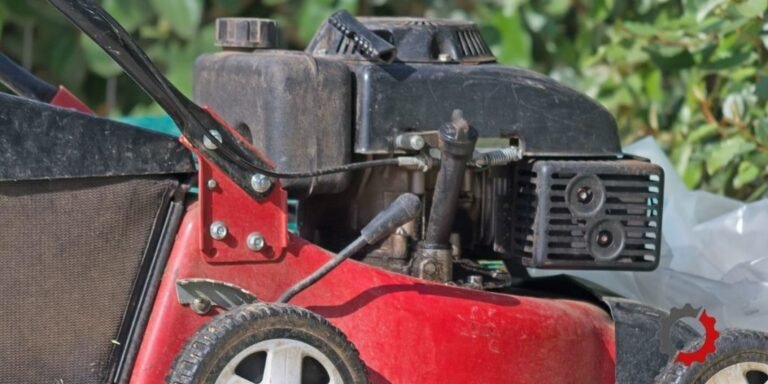
How Long Can Gas Sit In Lawn Mower: Safe Storage Guide
Gas can sit in a lawn mower for about 30 days before it starts to lose quality. With a fuel stabilizer, fresh gasoline may remain usable for up to 6–12 months, depending on the product, fuel, storage conditions, and mower manual. Old gas can cause hard starting, rough running, clogged carburetors, gum, varnish, and costly small-engine repairs.
The safest habit is simple: buy only the fuel you expect to use within 30 days, add stabilizer when you fill the can, and run the mower long enough to move treated fuel through the system. This advice applies to push mowers, self-propelled mowers, riding mowers, and zero-turn mowers with gasoline engines.

Affiliate disclosure: This article may contain affiliate links. If you buy through a link, we may earn a commission at no extra cost to you. Product details, prices, compatibility, and local rules can change, so check the current product page and your mower manual before buying or servicing equipment.
Quick answer: How long can gas sit in a lawn mower?
Untreated gas can sit in a lawn mower for around 30 days before it may begin to degrade. In a cool, sealed fuel system, it may last longer, but there is no safe reason to rely on that. Gas treated with the correct fuel stabilizer can often last 6–12 months. For storage longer than one season, many mower makers advise draining the tank and carburetor.

Gas does not spoil like milk. It slowly changes as it reacts with air, heat, moisture, and metal parts. The lighter parts can evaporate, while the remaining fuel becomes thick and less useful.
A mower may still start on old gas. That does not mean the fuel is healthy. It may start hard, surge, smoke, stall, or leave deposits inside the carburetor.
The best plan depends on your mower, yard, and storage space:
- A small push mower used weekly can use fresh fuel often.
- A mower for a small yard may need only a few gallons per season.
- A riding mower or zero-turn may use much more fuel but still needs proper storage.
- A mower kept in a hot shed needs more care than one stored in a cool garage.
- A senior or gift recipient may benefit from a simple fuel routine written on a tag near the mower.
What makes gasoline go bad?
Gas becomes less reliable when air, heat, water, and time affect its chemical balance. Ethanol-blended fuel can also attract moisture, which may lead to corrosion and poor engine performance.
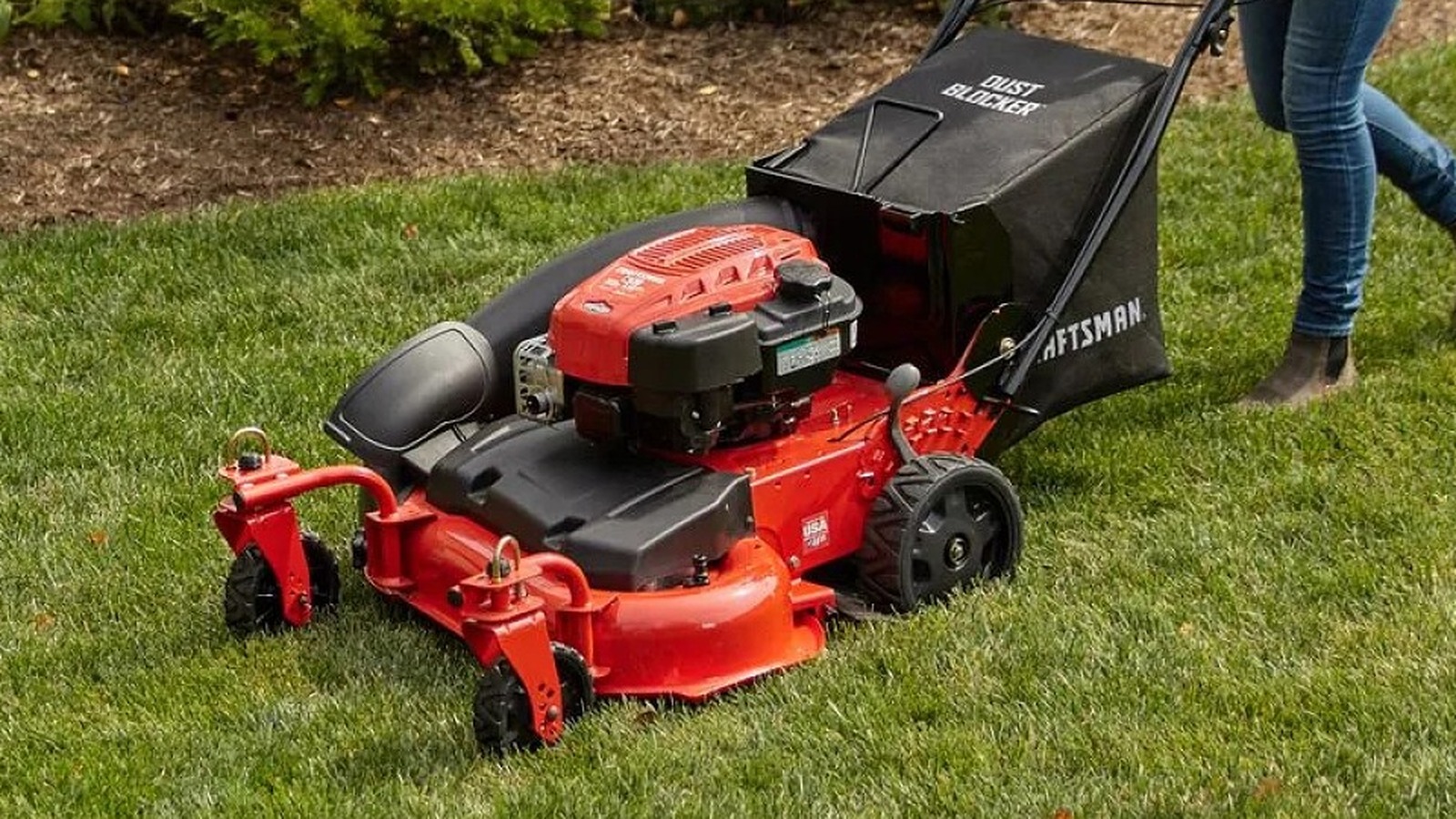
Most gas sold in the United States contains ethanol. E10 fuel contains up to 10% ethanol. Ethanol helps fuel burn, but it also pulls moisture from the air. That moisture can settle in a fuel tank or carburetor.
Modern gasoline also contains light compounds that evaporate over time. When those compounds leave, the fuel may not burn in the same way. The remaining gas can become darker, sour-smelling, sticky, or cloudy.
Air exposure
A mower tank is not always sealed. A vent in the cap or fuel system lets pressure balance as the fuel level changes. That vent also allows air and moisture to enter.
A half-full tank has more air space than a full tank. More air can mean more room for moisture and oxidation. Still, do not fill a tank beyond the level stated in the owner’s manual. Fuel needs room to expand.
Heat and sunlight
Heat speeds up fuel breakdown. A mower stored in a dark, cool garage usually faces less stress than one left in a hot metal shed.
Sunlight can heat the fuel tank and damage plastic parts over time. Keep gas cans away from direct sun, furnaces, water heaters, pilot lights, and electrical sparks.
Moisture and ethanol
Water in fuel can cause hard starts, rust, and poor combustion. In severe cases, water and ethanol can separate from gasoline. This is called phase separation.
The engine may draw this water-heavy layer first. It can then stall or refuse to start. A fuel filter may not solve the issue because the problem is inside the fuel itself.
Metal, plastic, and rubber parts
Old fuel can leave varnish. Varnish is a sticky residue that can block small passages in a carburetor. It may also affect fuel lines, gaskets, needle valves, and seals.
A mower with a small carburetor passage is often less forgiving than a car. A small amount of residue can stop fuel flow.
Fresh gas life by storage condition
The table below gives practical time ranges. These are guidelines, not guarantees. Always follow the fuel and mower manuals.
| Fuel condition | Practical storage window | Main concern |
|---|---|---|
| Untreated gas in a mower tank | About 30 days | Oxidation, moisture, hard starting |
| Untreated gas in a sealed approved can | About 1–3 months | Air exposure and heat |
| Stabilized gas in a mower | About 6–12 months | Treatment must reach the full fuel system |
| Stabilized gas in a sealed can | Often up to 12 months | Product label and storage temperature |
| Fuel with water or a sour smell | Do not use | Engine damage and poor combustion |
These ranges show why a small amount of fresh fuel is often better than a large amount stored for months. A small-yard owner may save money by buying less fuel, not by keeping a full can all summer.
Fuel age is only one clue. A clean-looking fuel sample can still have lost its best qualities. When in doubt, replace it rather than risk a carburetor repair.
How to tell if gas is too old
Old gas often shows itself through starting and running problems. The first sign may be a mower that cranks but does not start after sitting for winter.

Watch for these symptoms:
- The engine takes many pulls to start.
- The mower starts, then stalls.
- The engine surges up and down.
- The mower runs only with the choke partly closed.
- The engine loses power under load.
- The exhaust smells unusually strong.
- The gas smells sour or stale.
- The fuel looks dark, cloudy, or rusty.
- The carburetor leaks fuel.
- The spark plug becomes wet or heavily coated.
A bad spark plug can cause similar symptoms. So can a dirty air filter, blocked mower blade, damaged ignition coil, or clogged fuel filter. Do not blame old gas without checking the simple items first.
A quick visual and smell check
Fresh gasoline is usually clear or lightly colored, depending on the fuel. It should not look cloudy, milky, rusty, or separated.
Old fuel may smell sharp, sour, or like varnish. Do not place fuel close to your nose. Waft the smell from a safe distance, outdoors, and keep it away from your skin.
Never taste fuel. Never test it near a flame. If you see water, sediment, or separation, treat the fuel as waste.
Why a mower may run after adding fresh gas
Fresh gas can dilute old fuel. This may let the engine start for a while. Yet the old fuel may remain in the carburetor bowl and fuel line.
That is why adding new gas is not always enough. If the mower still runs poorly, the stale fuel may need to be drained, and the carburetor may need cleaning.
Does fuel stabilizer really help?
Fuel stabilizer can slow fuel breakdown, but it cannot turn bad gas into fresh gas. It works best when added to new fuel before storage.

A stabilizer contains chemicals that help limit oxidation and deposit formation. Some products also help protect against corrosion. The exact storage claim depends on the brand and formula.
Use the amount listed on the bottle. More is not better. Too much product can create another fuel problem.
How to add stabilizer correctly
Follow these steps:
- Buy fresh gasoline from a busy fuel station.
- Pour the correct amount of stabilizer into the approved gas can.
- Add gasoline to the can.
- Close the cap tightly.
- Gently rock or swirl the can to mix the fuel.
- Add the treated fuel to the mower.
- Run the engine for about 5–10 minutes, unless the manual says otherwise.
Running the mower matters. Fuel stabilizer in the tank does not help fuel trapped in the carburetor unless treated fuel reaches that area.
Do not add stabilizer to fuel that already smells stale or looks cloudy. Start with fresh gas.
Can you use fuel stabilizer in every mower?
Most stabilizers are made for gasoline engines, but products differ. Check the label for use with four-stroke engines, two-stroke mixtures, ethanol-blended fuel, and small engines.
A two-stroke mower or outdoor tool uses oil mixed into the fuel. A four-stroke mower has separate engine oil. Use the correct fuel mix and stabilizer for the equipment.
Fuel age and mower type
Different mower types use fuel in different ways. The best storage plan depends on engine size, use, terrain, and how much fuel remains after the season.
| Mower type | Typical fuel concern | Storage advice |
|---|---|---|
| Push mower | Small tank and small carburetor passages | Use fresh fuel and avoid storing half-full fuel for months |
| Self-propelled mower | Engine and drive system may sit for weeks | Treat fuel and inspect the drive cable before spring |
| Riding mower | Larger tank and longer storage period | Stabilize fuel, clean the deck, and follow the manual |
| Zero-turn mower | Large fuel volume and complex storage needs | Stabilize or drain fuel; protect from heat and moisture |
| Two-stroke outdoor tool | Fuel-oil mix can age quickly | Mix small batches and follow the oil maker’s ratio |
A small push mower for a flat yard may need less fuel care than a riding mower used on a large, hilly property. Yet both can suffer from stale fuel.

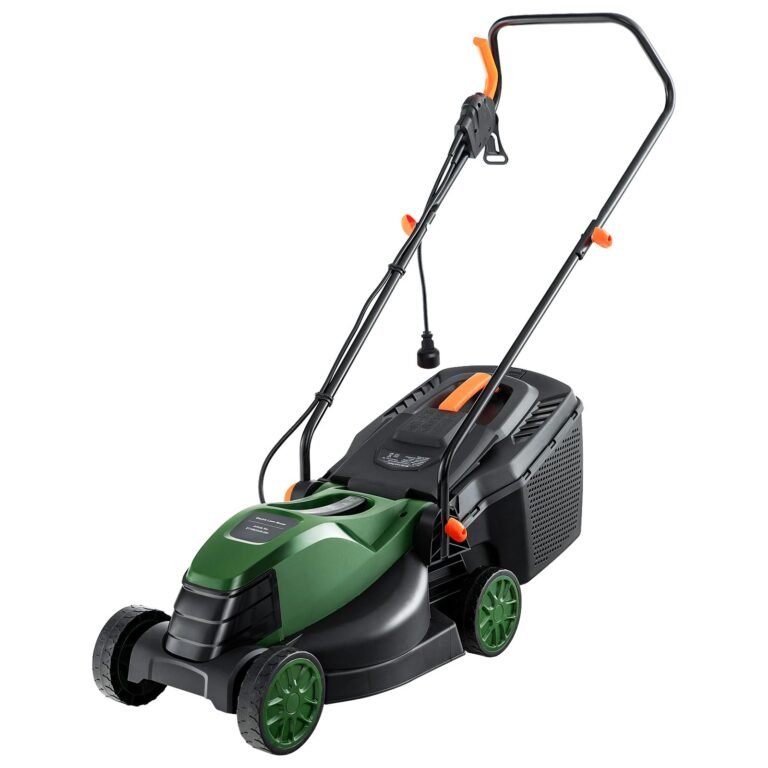
Electric and battery mowers avoid gasoline storage. They still need battery care, clean mower blades, dry storage, and safe charging. A corded mower needs a suitable outdoor-rated extension cord and a yard layout that allows safe movement.
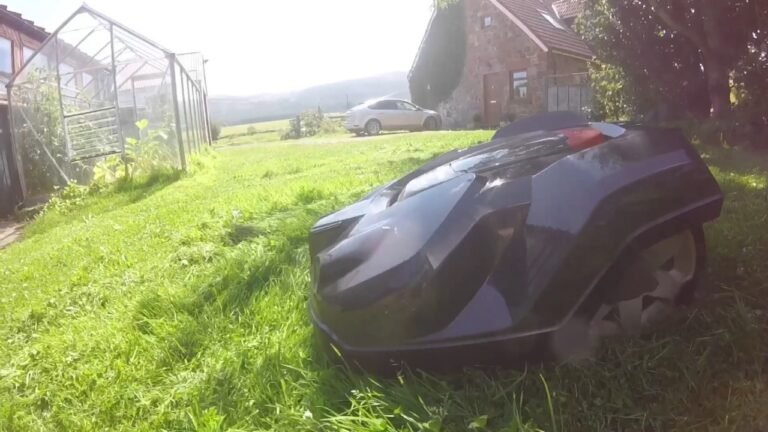
Robotic mowers usually use lithium-ion batteries, not gas. Their charging station and boundary system need different storage steps. Reel mowers use human power and have no engine fuel at all, but their blades still need cleaning and sharpening.
Should you drain the gas or leave the tank full?
For short storage, treated fuel in the tank is often practical. For long storage, draining the fuel system may reduce the risk of stale gas and deposits.

The right choice depends on the mower manual. Some manufacturers advise filling the tank with treated fuel. Others advise draining the tank and carburetor before long storage.
When a full tank makes sense
A full tank with fresh, stabilized fuel leaves less air space. This may reduce condensation in some storage conditions. It can work well when the mower will sit for a few weeks or a few months.
Do not overfill the tank. Fuel expands with heat. Leave the space required by the manual.
When draining makes sense
Drain fuel when:
- The mower will sit for several months.
- The fuel is already old.
- The mower is stored in a very hot space.
- The manufacturer tells you to drain it.
- You cannot confirm the age of the fuel.
- The carburetor has a drain screw or approved drain method.
Draining is often useful for small push mowers. A small engine repair shop may suggest draining the carburetor because fuel can remain in its bowl even after the tank looks empty.
How to drain a mower safely
Work outdoors in a well-ventilated area. Let the engine cool fully. Use an approved fuel container, not a food jar or open bucket.
Turn off the fuel valve if the mower has one. Remove the fuel line only if the manual allows it and you know how to control spills. Some carburetors have a drain screw and a small tube.
Never drain fuel onto soil, gravel, a driveway, or a storm drain. Take old fuel to a household hazardous-waste site or a fuel recycling location.
A simple fuel storage plan
A written plan helps first-time owners, busy families, and gift buyers avoid guesswork. It also helps seniors who may not want to remember several fuel steps each season.
| Storage period | Recommended fuel plan | Extra care |
|---|---|---|
| Less than 30 days | Fresh gas is usually reasonable | Keep the cap closed |
| 1–3 months | Use fresh gas with stabilizer | Run treated fuel through the engine |
| 3–6 months | Stabilize or drain as the manual directs | Store in a cool, dry place |
| Over 6 months | Drain if approved by the manual | Inspect fuel lines before use |
| Unknown fuel age | Replace the fuel | Check the spark plug and air filter |
The main takeaway is to treat fuel before storage, not after it turns bad. If you cannot remember when the gas went into the mower, assume it is old.

What to do with old gas in a lawn mower
Old gasoline needs careful removal and proper disposal. It should never go in household trash, a sink, a toilet, a storm drain, or a garden bed.
First, check local rules. Some communities accept gasoline at household hazardous-waste events. Others direct residents to a recycling center, transfer station, or special collection site.
Store the fuel in a labeled, approved container during transport. Keep the container upright and secured. Do not mix unknown fuel with oil, solvents, diesel, or other chemicals.
A small amount of slightly old gas may sometimes be accepted by a local recycling site. Do not assume you can pour it into a car or another mower. Contaminated fuel can damage fuel systems.
🌿 Eco or Disposal Note: Recycle old gasoline and engine oil through a local hazardous-waste program. Never pour fuel on the ground. Recycle lithium-ion mower batteries at a designated battery drop-off, and donate or recycle a usable mower instead of sending it to a landfill.
How to restart a mower after winter storage
A mower that sat all winter needs more than fresh gas. Check the fuel system, oil, air filter, spark plug, battery, tires, and mower deck before cutting grass.

Use this order:
- Move the mower outdoors.
- Look for fuel leaks, cracked hoses, mouse nests, and chewed wires.
- Check the fuel age and smell.
- Drain old fuel if needed.
- Add fresh fuel approved by the manual.
- Check the engine oil level.
- Inspect or replace the air filter.
- Inspect the spark plug.
- Make sure the mower blade turns freely with the spark plug disconnected or battery removed.
- Start the mower and let it warm up.
- Watch for leaks, smoke, odd noise, or surging.
For a riding mower, inspect the battery terminals, tire pressure, belts, deck spindles, and safety switches. For a self-propelled mower, inspect the drive cable and wheels.
Do not mow right away if the engine runs poorly. A mower that surges or stalls can leave uneven turfgrass and may become harder to repair.
What if the mower will not start?
Start with fuel, air, and spark. Confirm that the fuel valve is open, the choke is set correctly, and the safety bar is held as directed.
Then check the air filter and spark plug. A flooded engine may need time to clear, but follow the manual. Do not spray random fluids into the intake.
If fresh fuel does not help, the carburetor may be dirty. A repair shop can clean or replace it. Some newer mowers use fuel injection, which may need a different diagnostic process.
Common problems caused by old gas
The table below connects common symptoms with possible causes. It is a starting point, not a diagnosis.
| Mower symptom | Possible fuel-related cause | Other possible cause |
|---|---|---|
| Hard starting | Stale fuel or blocked carburetor | Worn spark plug |
| Starts and stalls | Water or varnish in fuel | Dirty air filter |
| Surging engine | Restricted fuel flow | Governor or air leak |
| Weak power | Poor fuel quality | Dull blade or clogged deck |
| Fuel leak | Damaged gasket or stuck needle | Cracked fuel line |
| Strong fuel smell | Old or leaking gas | Flooded engine |
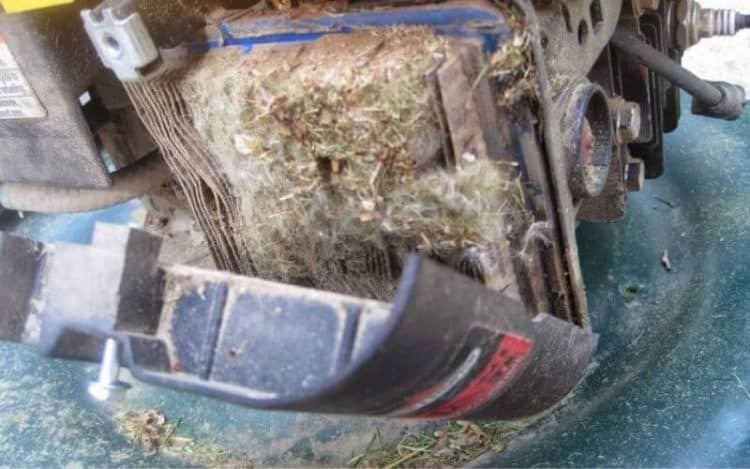
Clean the underside of the deck before assuming the engine lacks power. Wet grass and built-up thatch can make a mower struggle even with good fuel.

A dull mower blade also increases engine load. Sharpen or replace mower blades according to the manual. Disconnect the spark plug wire or remove the battery before working near the blade.
How to prevent stale fuel
The best prevention is a small, repeatable routine. It costs less than many carburetor repairs and takes only a few minutes.

Use these habits:
- Buy fuel in small amounts.
- Date the gas can with a marker.
- Use an approved container with a tight cap.
- Store fuel in a cool, dry, ventilated place.
- Keep cans out of sunlight.
- Add stabilizer when buying fuel for storage.
- Run the engine after adding treated fuel.
- Do not mix old and fresh fuel to hide a problem.
- Check fuel lines and caps each season.
- Follow the mower manual.
Choose the right fuel can
A modern approved fuel can with a secure cap helps limit spills and vapor loss. Keep the can upright and away from ignition sources.
Do not store gasoline inside a living area, basement, or near a furnace. A garage or detached shed may be suitable only if local rules and ventilation allow it.
A fuel can should not sit where children or pets can reach it. A locked storage cabinet may help, but it must be approved for fuel storage and properly ventilated.
Use the right fuel
Most four-stroke lawn mower engines use regular unleaded gasoline with an octane rating listed in the manual. Do not use diesel. Do not add two-stroke oil unless the equipment requires a fuel-oil mix.
Some small-engine makers recommend ethanol-free fuel when available. It may cost more, but it can reduce moisture concerns during long storage. Check the mower manual before choosing fuel.
Keep the mower clean
Grass clippings hold moisture near the deck. They can also cover leaks and make engine cooling harder. Clean the deck after the mower cools.
Do not spray water into the engine, carburetor, control panel, or battery compartment. Let the mower dry before storage.
Fuel and climate: hot, cold, wet, and dry areas
Climate changes how fast fuel problems appear. A coastal, humid area may create more moisture concerns, while a very hot region can speed evaporation and oxidation.

In hot climates:
- Store fuel away from sun and heat.
- Avoid leaving a gas can in a vehicle.
- Check the tank and fuel cap more often.
- Use stabilizer for fuel that will sit.
In cold climates:
- Drain or stabilize fuel before winter.
- Protect the mower from freezing moisture.
- Charge batteries according to the battery manual.
- Check for condensation before spring use.
In humid climates:
- Keep fuel containers tightly closed.
- Avoid storing a half-full can for long periods.
- Look for cloudy fuel or water separation.
- Use fresh fuel more often.
In dry climates, heat still matters. Dry air does not remove the risk of evaporative loss or gum deposits.
Does old gas damage the mower?
Old gas can damage or clog fuel-system parts, especially when it remains in a carburetor for months. It may also increase repair costs and create poor engine performance.
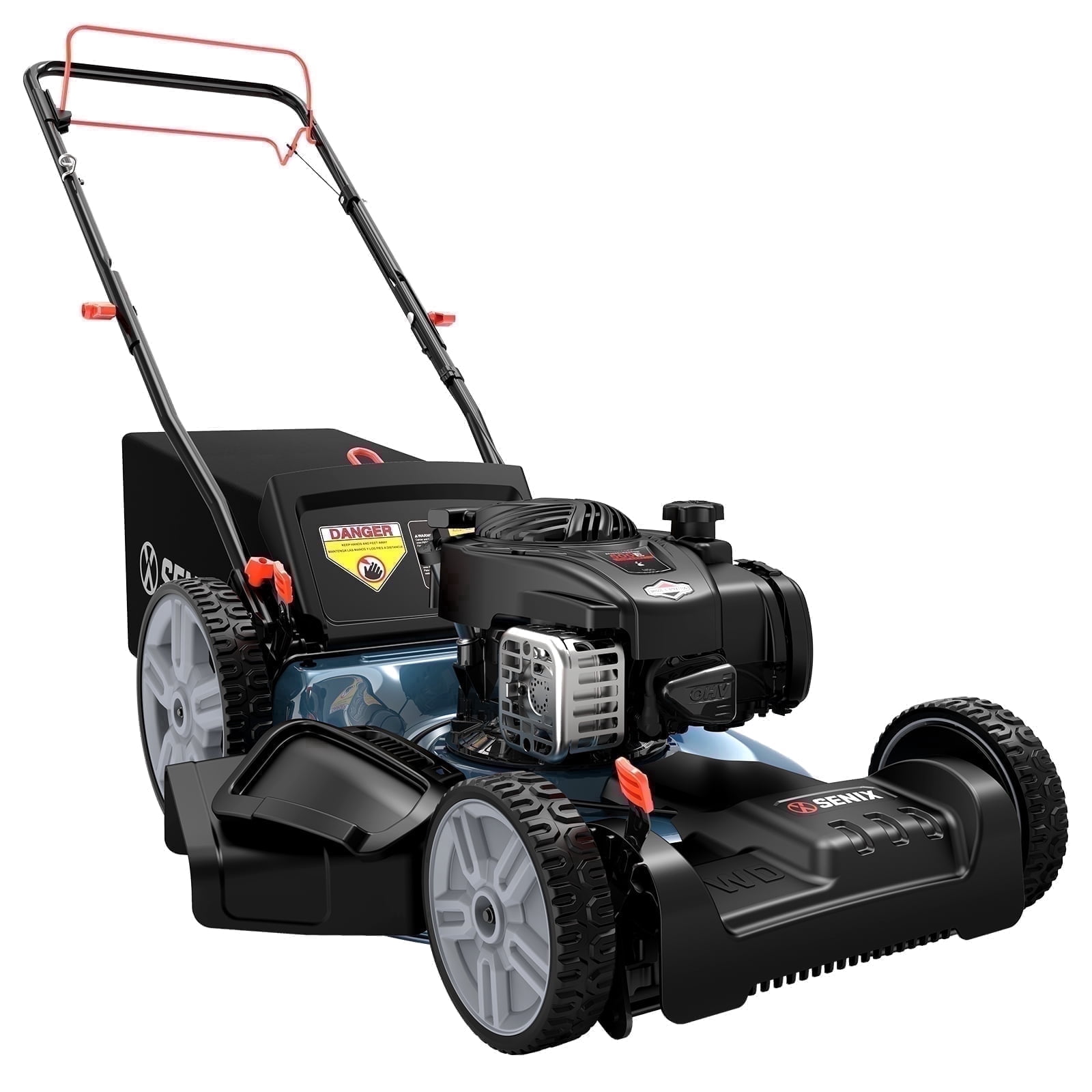
Common parts affected include:
- Carburetor jets
- Needle and seat
- Fuel filter
- Fuel lines
- Tank grommets
- Primer bulb
- Spark plug
- Fuel pump on some riding mowers
The engine itself may not fail at once. The problem often begins as poor fuel delivery. If ignored, the mower may run lean, stall, overheat, or suffer repeated starting problems.
Gas is not the only fluid to manage. Check engine oil before every mowing session. Old or low oil can harm the engine even when the fuel is fresh.
When should you call a repair shop?
Call a qualified repair shop when fresh, correctly stored fuel does not solve the problem or when fuel has entered places it should not.
Professional help makes sense when:
- The mower leaks fuel.
- The carburetor needs removal.
- The fuel tank is cracked.
- The engine backfires.
- The starter rope will not move.
- A riding mower will not crank.
- The mower has fuel in the crankcase oil.
- You smell strong fuel indoors.
- Electrical wires or safety switches are damaged.
- You are not comfortable draining fuel.
Do not keep pulling the starter on a mower with a fuel leak. Move it outdoors only if you can do so safely, keep flames away, and contact a repair professional.
A shop can test fuel flow, compression, ignition, carburetor operation, and safety controls. This may be more affordable than replacing several parts by guesswork.
A seasonal lawn mower fuel checklist
A short checklist keeps fuel problems from becoming spring surprises. Use it at the start and end of the mowing season.
| Season | Fuel task | Mower task |
|---|---|---|
| Spring | Replace unknown or stale fuel | Check oil, spark plug, and air filter |
| Summer | Buy only what you will use soon | Clean the deck and inspect the blade |
| Fall | Add stabilizer or drain as directed | Clean, dry, and inspect the mower |
| Winter | Store fuel safely | Protect the mower from moisture and pests |
A small yard may need only one fuel purchase per season. A large yard may need several cans. In both cases, mark the date on each can.
Store fuel and mower equipment in a way that fits your home. A renter may need a compact approved storage cabinet. A homeowner with a large shed can separate fuel from tools, fertilizers, string trimmers, edgers, and leaf blowers.
Gas mowers versus electric and battery mowers
Gas mowers offer long refueling range and strong power for many large or rough yards. Electric and battery mowers reduce fuel storage and may create less local exhaust, but they need charging space and battery care.
| Mower power type | Fuel storage issue | Best fit |
|---|---|---|
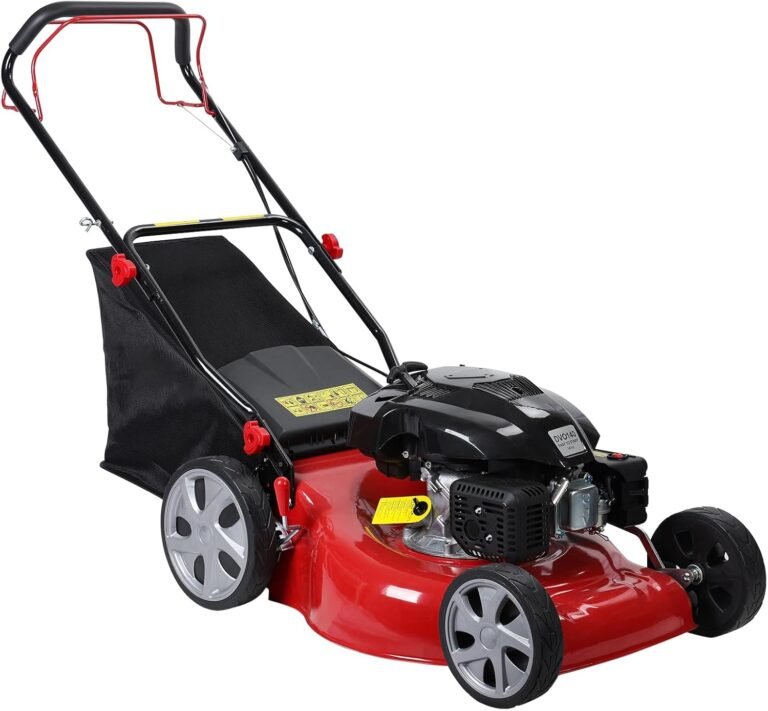
| Gas push mower | Must manage gasoline and oil | Small to medium yards with regular mowing |
| Gas riding mower | Larger fuel volume and long storage | Large yards and long mowing sessions |
| Battery mower | No gasoline storage | Small to medium yards with charging space |
| Corded mower | No fuel storage, but cord limits range | Small, open yards near an outlet |
| Reel mower | No engine fuel or battery | Small, flat yards with frequent mowing |
A battery mower can suit a first-time homeowner with a small, flat yard and a garage outlet. A gas riding mower may better fit a large property with rough terrain, but it carries more maintenance and storage needs.
A battery is not free of upkeep. Avoid leaving lithium-ion batteries in extreme heat or cold. Charge and store them as the maker directs.
Is a battery mower worth it?
For many small yards, a battery mower can be worth considering because it removes gasoline, spark plugs, carburetor cleaning, and fuel disposal. The tradeoffs include charging time, battery replacement cost, limited runtime, and compatibility with the maker’s battery platform.
Check voltage, amp-hours, charger type, deck size, cutting height, battery cost, and warranty. Amp-hours, or Ah, describe battery capacity. They do not guarantee a set runtime because grass height, moisture, slope, and mowing speed affect use.
Safety rules for fuel and mowing
Fuel work and mowing both carry real risks. Use the owner’s manual as the final guide.
Follow these rules:
- Wear eye protection and hearing protection.
- Wear closed-toe shoes and work gloves.
- Clear sticks, rocks, wire, and toys before mowing.
- Keep children and pets away from the mower.
- Never refuel a hot engine.
- Turn the engine off before checking the blade.
- Disconnect the spark plug or remove the battery before servicing.
- Never smoke near gasoline.
- Do not mow wet grass on slopes.
- Keep fuel away from flames and sparks.
- Use fuel only in approved containers.
- Follow local fuel-storage rules.
Wet grass can reduce traction and clog the deck. On a slope, that loss of traction can lead to a slip or rollover. A riding mower, zero-turn mower, or self-propelled mower is not automatically safe on every hill.
⚠️ Safety Warning: Let a hot engine cool before refueling. Gas vapor can ignite quickly. If fuel spills, stop work, move away from ignition sources, and follow the manual and local cleanup rules.
Local rules, HOAs, and fuel storage
Your city, county, state, or homeowners association may set rules for gasoline storage, mower noise, operating hours, and gas-powered equipment.
Some communities limit gas equipment during certain hours. Others restrict gasoline storage in attached garages or limit the amount kept at a home. A few areas also restrict new gas-powered lawn equipment.
Check:
- City or county fire rules
- Local fuel-storage limits
- HOA quiet-hour rules
- Noise ordinances
- Gas-equipment restrictions
- Hazardous-waste disposal programs
- Battery recycling locations
A quieter battery mower may suit a close-set neighborhood. A gas mower may still be practical in a rural area, but local rules come first.
📜 Check Local Rules: Confirm fuel storage, disposal, operating hours, and gas-equipment restrictions with your city, fire department, waste agency, or HOA. Rules vary by location and can change.
Common fuel mistakes to avoid
Small errors often create large repair bills. Most are easy to prevent.
Avoid these mistakes:
-
Keeping one can for several seasons
Date every can. Replace fuel that has an unknown age. -
Adding stabilizer after the gas turns bad
Stabilizer helps fresh fuel. It does not restore stale fuel. -
Using a kitchen container
Fuel belongs in an approved container made for gasoline. -
Filling the mower to the cap
Fuel needs room to expand. Follow the fill line. -
Leaving the mower in direct sun
Heat speeds fuel problems and can damage parts. -
Ignoring a fuel smell
A leak can create fire and health risks. -
Pouring gas on the ground
This harms soil and water and may break local law. -
Forgetting the carburetor
Emptying the tank may leave fuel in the carburetor bowl. -
Using the wrong oil or fuel mix
Check whether the mower is a two-stroke or four-stroke engine. -
Servicing with the spark plug connected
Disconnect it before working near the blade or engine.
Frequently asked questions
Q: Can gas sit in a lawn mower for a year?
A: Untreated gas should not sit in a mower for a year. It may become stale, absorb moisture, and leave varnish in the carburetor. Stabilized fuel may last up to 6–12 months, but follow the mower and stabilizer manuals. For longer storage, drain the fuel system if the manufacturer allows it.
Q: Is three-month-old gas still good for a mower?
A: It may be usable if it was stored in a sealed, approved container in a cool place. Check for a sour smell, cloudiness, water, or sediment. If it sat in a mower tank in heat, replace it rather than risk hard starting or carburetor deposits.
Q: Can I mix old gas with new gas?
A: Mixing a small amount of clean, slightly old gas with fresh fuel may sometimes work, but it is not a reliable fix. Never mix fuel that contains water, debris, or a strong varnish smell. When fuel quality is unknown, dispose of it properly.
Q: How long does gas last in a lawn mower with stabilizer?
A: Many fuel stabilizers claim protection for 6–12 months, but the exact period depends on the product, fuel, container, temperature, and engine. Add stabilizer to fresh fuel and run the mower so treated fuel reaches the carburetor.
Q: Should I empty the lawn mower gas tank for winter?
A: Follow the owner’s manual. Some makers advise stabilized fuel in a full tank. Others advise draining the tank and carburetor. Draining can make sense for long storage, but it must be done safely and legally.
Q: Can bad gas ruin a lawn mower engine?
A: Bad gas can clog the fuel system, damage seals, create poor combustion, and cause hard starting. It does not always ruin the engine, but delayed repairs can increase the cost. Stop using the mower if it leaks, backfires, or runs severely rough.
Q: What does stale lawn mower gas smell like?
A: Stale gas may smell sour, sharp, or like varnish. Fresh gasoline has a strong smell too, so smell alone is not a complete test. Look for dark color, cloudiness, separation, or sediment as well.
Q: Can I use premium gas in a lawn mower?
A: Use the fuel grade listed in the mower manual. Premium fuel does not automatically improve a mower that is designed for regular unleaded gasoline. The most important factors are fresh fuel, correct fuel type, and safe storage.
Q: Is ethanol-free gas better for lawn mowers?
A: Ethanol-free gas can reduce some moisture concerns during storage, but it may cost more and may not be available everywhere. It is an option for seasonal equipment. Still, use the grade and fuel type approved by the mower maker.
Q: Why does my mower start with fresh gas but then stop?
A: Possible causes include a clogged carburetor, restricted fuel cap vent, dirty air filter, bad spark plug, or water in the fuel system. Fresh gas may have diluted the problem without removing deposits. Inspect simple items first, then seek service if needed.
Q: Can I leave gas in a battery lawn mower?
A: A battery mower has no gasoline tank. Store and charge its battery as directed. Keep the battery dry and away from extreme heat. Remove it before cleaning or servicing if the manual says to do so.
Q: How often should I replace lawn mower gas?
A: Replace untreated gas after about 30 days if it has been sitting in the mower. Stabilized fuel may last 6–12 months. Buying smaller amounts and dating the fuel can help you use it while it is fresh.
Q: Where can I dispose of old lawn mower gas?
A: Contact your local household hazardous-waste program, recycling center, or fire department for instructions. Use an approved container for transport. Never pour gas into a drain, trash can, soil, or stormwater system.
Q: Is it safer to store a mower with a full tank?
A: A full tank of fresh, stabilized fuel can limit air space, but only if the manual supports that method. Do not overfill the tank. For long storage, the manual may recommend draining the tank and carburetor instead.
Final thoughts
Gas can sit in a lawn mower for about 30 days before stale-fuel problems become more likely. Stabilizer can extend the useful storage period to roughly 6–12 months, but it works best when mixed with fresh gas and run through the engine.
For a small, flat yard, buy less fuel and use it often. For a large yard with a riding mower or zero-turn, use a dated fuel plan and prepare the machine before winter. If the mower will sit for a long time, drain or stabilize the system exactly as the manual says.
Fresh fuel, safe storage, clean mower blades, a good air filter, and basic seasonal checks can help your mower start when you need it. When fuel is cloudy, leaking, or of unknown age, replacement and proper disposal are safer than guessing.