


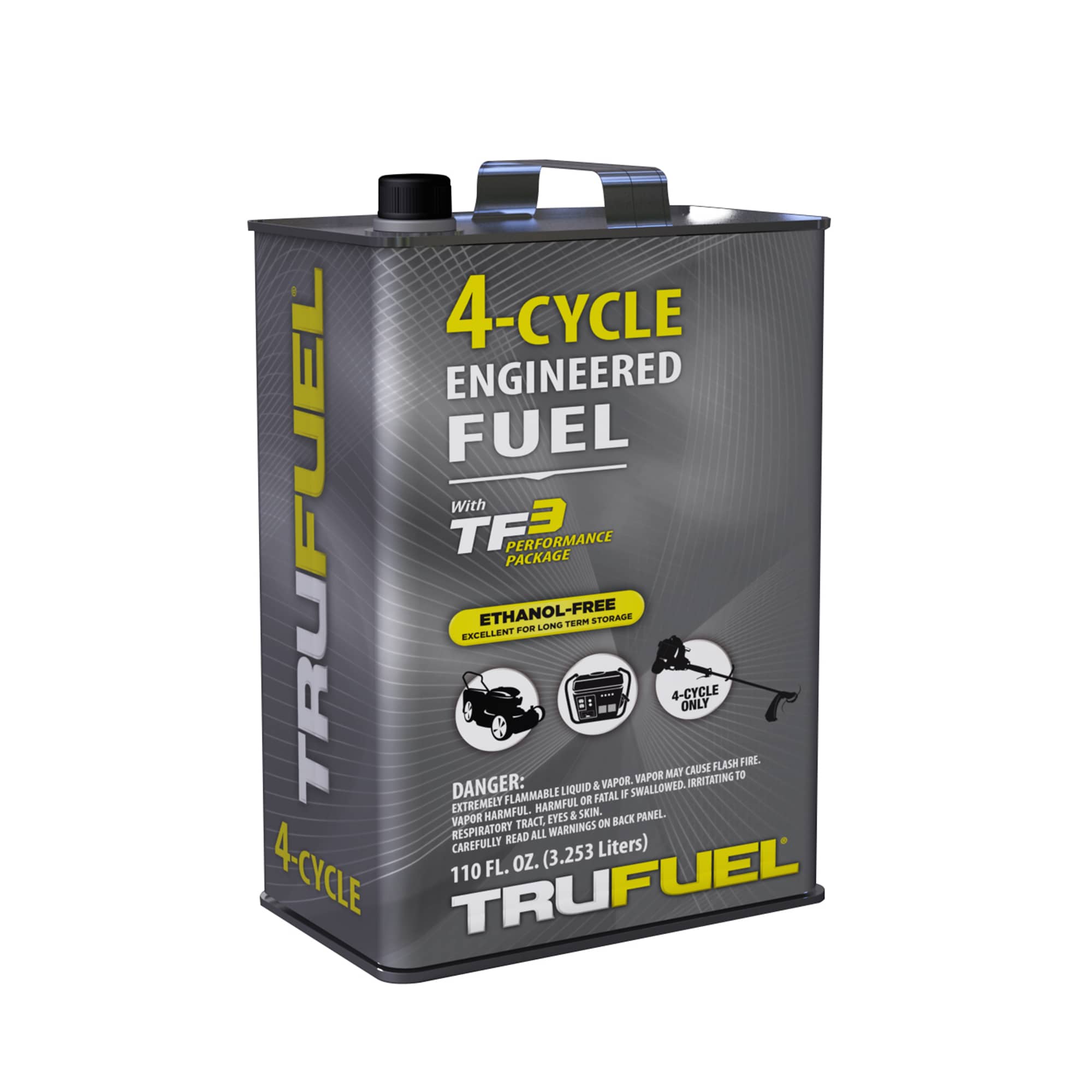
Ethanol free gas helps lawn mowers avoid moisture, fuel damage, hard starts, and storage problems.
If you are asking, “ethanol free gas for lawn mower why,” the answer comes down to fuel stability and small-engine care. Ethanol-free gasoline can be a smart choice for mowers that sit for weeks or months, though fresh fuel, proper storage, and the correct octane still matter most. This guide explains the benefits, limits, costs, and best ways to use it.

Ethanol Free Gas for Lawn Mower: Why It Matters
Ethanol is an alcohol added to much of the gasoline sold in the United States. Most regular pump gas is E10, which contains up to 10% ethanol. Many lawn mower engines can run on E10, but ethanol can create problems when fuel sits for a long time.
The main reasons to consider ethanol-free gas for a lawn mower include:
• It absorbs less moisture from the air.
• It reduces the risk of fuel separation during storage.
• It can be gentler on older fuel lines, seals, and carburetor parts.
• It often stays usable longer than gasoline with ethanol.
• It may help reduce hard starts after winter storage.
Think of ethanol as a sponge for water. A small amount of moisture may not cause trouble at first, but more water can lead to rust, corrosion, poor combustion, and fuel separation. That is why ethanol free gas for lawn mower why searches often increase before spring mowing season.
Still, ethanol-free gas is not a cure for every mower problem. A dirty air filter, worn spark plug, blocked carburetor, or old engine oil can also cause poor performance.

What Ethanol Does Inside a Lawn Mower Engine
Ethanol burns as fuel, but it also has chemical properties that matter during storage. It attracts and holds water more readily than pure gasoline. This is called hygroscopic behavior.
When moisture enters a fuel tank, ethanol may absorb it. If enough water collects, the fuel can separate into layers. This process is called phase separation. The water and ethanol settle at the bottom of the tank, where the carburetor may draw them into the engine first.
Possible results include:
• Difficult starting
• Rough idling
• Stalling under load
• Reduced engine power
• Carburetor corrosion
• Plugged fuel passages
• Damaged rubber parts
Ethanol can also act as a solvent. In some older systems, it may loosen varnish or deposits inside the tank. Those particles can then travel into the carburetor and block small jets.
Modern lawn mowers are often designed to handle E10. However, “able to run on E10” does not mean the fuel is ideal for long-term storage. The owner’s manual should always be the first guide.
Ethanol Free Gas for Lawn Mower Why It Helps With Storage
Storage is the strongest reason to choose ethanol-free fuel. A mower may sit unused through winter, during rainy weeks, or between mowing jobs. Fuel that remains in the tank can age and lose quality.
Ethanol-free gasoline does not eliminate fuel aging, but it removes one major concern: ethanol-related moisture absorption. This can make the fuel more stable when stored in a sealed, approved container.
For seasonal storage, use this simple process:
-
Add fresh fuel to the tank if the mower will be used soon.
-
Follow the mower manual for fuel stabilizer use.
-
Run the engine for several minutes so treated fuel reaches the carburetor.
-
Store the mower in a dry, well-ventilated area away from flames.
-
Inspect the fuel before starting the mower again.
Some manufacturers recommend draining the carburetor for long storage. Others recommend filling the system with treated fuel. These instructions can differ by engine model, so do not assume one method fits every mower.
In my experience with common small-engine maintenance problems, old fuel is one of the first things worth checking when a mower refuses to start after winter. Fresh fuel often solves more problems than repeated pulling of the starter cord.

Is Ethanol-Free Gas Better for Every Lawn Mower?
Not always. Ethanol-free gas can be useful, but it is not automatically better for every situation.
If you mow several times a week and use fuel within a month, standard E10 may work well. Many current engines are built for E10, and the lower price can matter if you use a lot of fuel.
Ethanol-free gas may be a better fit when:
• Your mower is older.
• The mower sits unused for long periods.
• You have repeated carburetor problems.
• You store fuel for a seasonal machine.
• Your area has humid weather.
• You use other small engines, such as chainsaws or trimmers.
Ethanol-free fuel may offer little practical benefit when the mower is new, the fuel is always fresh, and the tank is used quickly. The biggest performance improvement usually comes from clean fuel and proper maintenance, not from a higher octane number.

Ethanol-Free Gas Versus E10 Gas
The choice between ethanol-free gasoline and E10 depends on price, availability, and how you use the mower.
| Feature | Ethanol-free gasoline | E10 gasoline |
|---|---|---|
| Ethanol content | Usually 0% | Up to 10% |
| Moisture attraction | Lower | Higher |
| Storage tolerance | Generally better | More sensitive to storage |
| Cost | Often higher | Usually lower |
| Availability | Limited in some areas | Widely available |
| Use in many modern mowers | Usually acceptable | Usually approved |
| Best for long storage | Often preferred | Needs careful treatment |
Ethanol-free gas for lawn mower why discussions often focus on fuel life. That is fair, but fuel age matters more than fuel type alone. Gasoline left in an open or poorly sealed container can degrade even without ethanol.
Use only a clean, approved fuel container. Keep the cap closed, avoid direct sunlight, and do not mix old fuel with fresh fuel unless you know the old fuel is still safe to use.
Does Ethanol-Free Gas Improve Mower Performance?
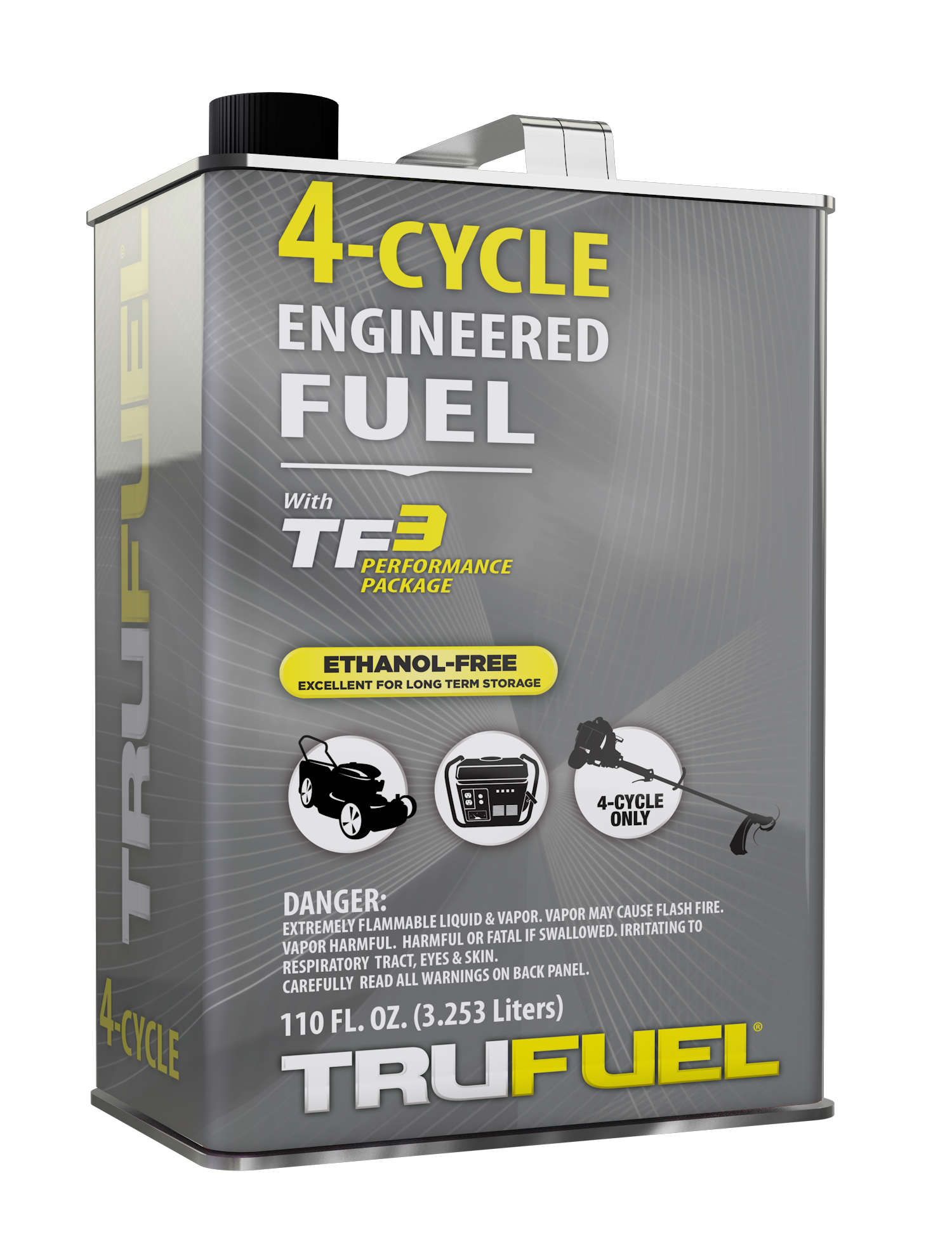
It can improve performance when ethanol-blended fuel has absorbed water or become stale. A mower may start more easily, run more smoothly, and stall less often after switching to fresh ethanol-free gasoline.
However, ethanol-free fuel does not create extra engine power by itself. If the mower runs well on fresh E10, changing fuel may not produce a noticeable difference.
Performance depends on several factors:
• Fuel freshness
• Correct fuel grade
• Clean air filter
• Good spark plug
• Clean carburetor
• Proper engine oil level
• Sharp mower blade
• Clean cooling fins
Using premium ethanol-free fuel also does not guarantee better results. High octane helps prevent knocking in engines designed for it. Most walk-behind lawn mowers do not need premium fuel unless the manufacturer says so.
Choose the octane listed in the owner’s manual. Higher octane is not automatically cleaner, stronger, or better for a basic mower engine.
How to Choose Ethanol-Free Gas for a Lawn Mower
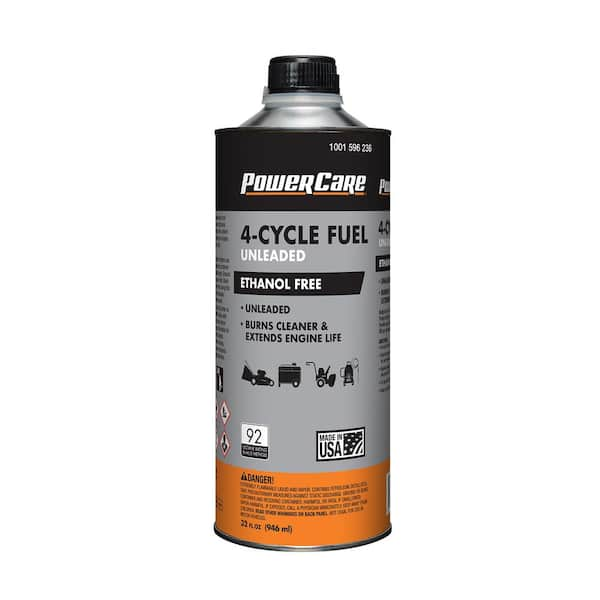
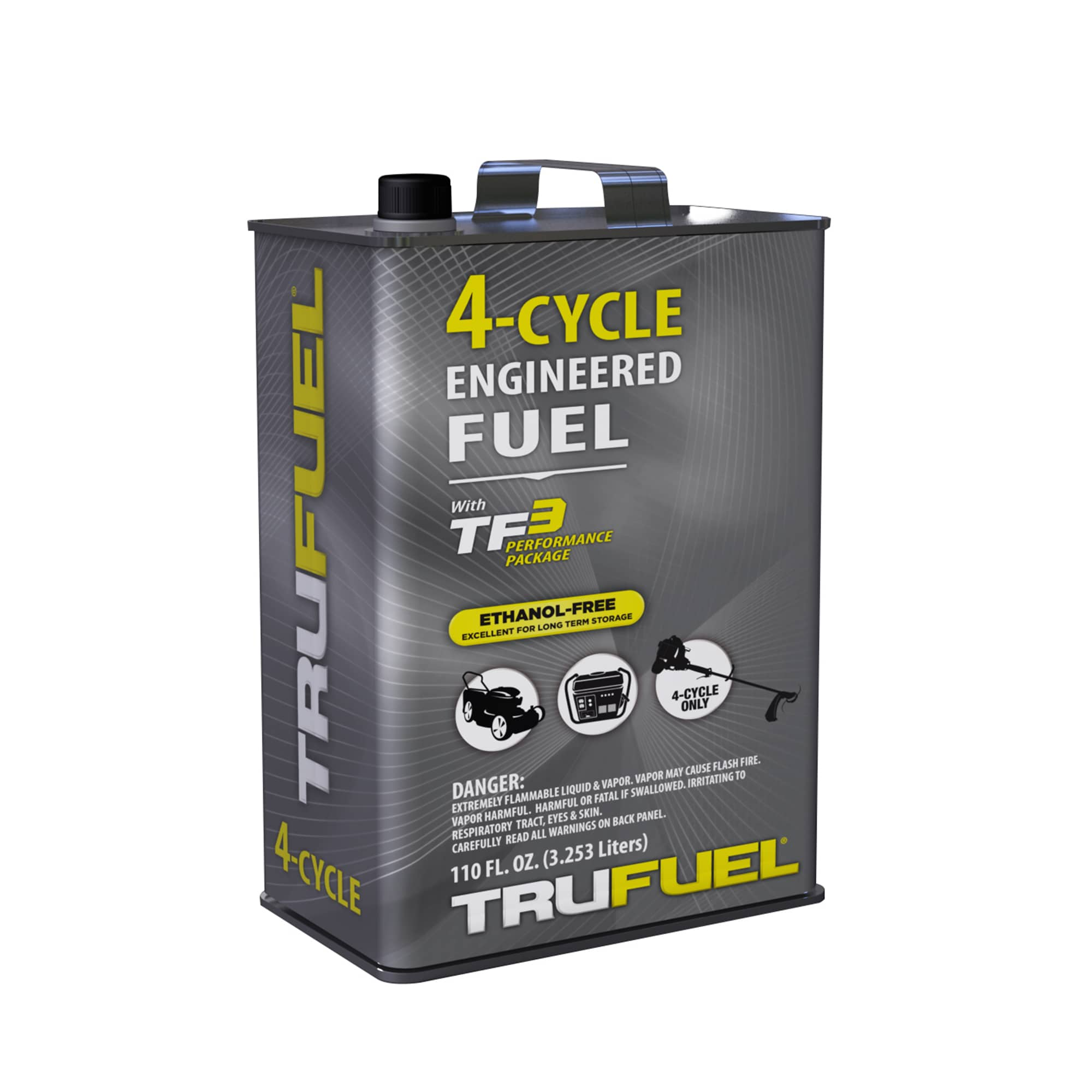
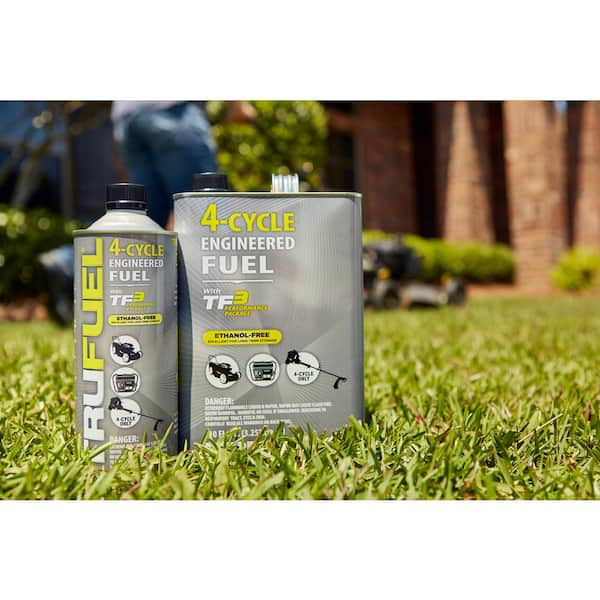
Look for gasoline labeled ethanol-free or E0. Some fuel stations sell it as recreational fuel, marine fuel, or small-engine fuel. Read the pump label carefully because product names vary by state and retailer.
Before buying, check these points:
• Confirm that the fuel is gasoline and not diesel.
• Select the octane recommended by the mower maker.
• Avoid fuel that has been sitting in a questionable container.
• Buy only the amount you can use within a reasonable time.
• Ask whether the fuel contains ethanol if the label is unclear.
For a two-cycle mower or trimmer, add the correct two-cycle oil at the exact ratio listed by the manufacturer. Ethanol-free gasoline does not replace the required oil mixture.
For a four-cycle mower, never add two-cycle oil to the fuel unless the manual specifically requires it. Four-cycle engines usually keep gasoline and crankcase oil separate.
How Long Does Ethanol-Free Gas Last?
There is no single guaranteed shelf life. Fuel quality depends on its age, storage temperature, container seal, and exposure to air and moisture.
Fresh gasoline stored in a sealed, approved container may remain usable for several months. A fuel stabilizer can help slow oxidation, but it cannot restore badly degraded gasoline.
Signs of old or contaminated fuel include:
• A sour or varnish-like smell
• Dark or cloudy color
• Sediment at the bottom
• Water droplets
• Hard starting
• Stalling after a few seconds
Do not pour questionable gasoline into a mower simply because it is ethanol-free. Old E0 fuel can still cause deposits and starting trouble. When in doubt, follow local rules for household hazardous waste disposal.
Common Mistakes to Avoid With Lawn Mower Fuel
Many fuel problems come from small habits that seem harmless. Avoiding them can protect the carburetor and save you a repair bill.
• Do not use E15 or higher ethanol blends unless the engine maker clearly approves them. Small engines are commonly not approved for E15.
• Do not leave the gas cap loose during storage.
• Do not store gasoline in a milk jug or other unapproved container.
• Do not mix fresh gas with fuel that smells stale.
• Do not overfill the fuel tank.
• Do not use fuel left in a mower all winter without checking it.
• Do not rely on fuel stabilizer to fix water-contaminated gasoline.
• Do not ignore the owner’s manual.
One mistake I often see is treating a fuel additive as a complete solution. Stabilizer can help preserve fresh fuel, but it cannot repair corrosion, remove heavy deposits, or reverse phase separation.
A Practical Fuel Routine for Mower Owners
A simple routine can make ethanol free gas for lawn mower why much easier to understand in daily use.
During mowing season
Use fresh fuel and keep the container tightly sealed. If possible, buy only enough gasoline for 30 days or less. Check the oil and air filter at the intervals listed in the manual.
Before long storage
Clean grass from the deck and cooling areas. Decide whether your engine maker recommends draining the fuel system or storing it with treated gasoline. Then follow that method carefully.
Before spring use
Inspect the fuel before starting. If it smells stale or looks cloudy, dispose of it safely and add fresh fuel. Check the spark plug, oil, air filter, and blade before mowing.
If the mower will not start
Begin with the basics:
-
Confirm that fresh fuel is in the tank.
-
Check that the fuel valve is open, if equipped.
-
Inspect the spark plug.
-
Check the air filter.
-
Look for a blocked carburetor or fuel line.
-
Seek professional service if fuel has caused corrosion or internal damage.
This process prevents you from replacing parts before checking the simplest cause.
Cost and Availability of Ethanol-Free Gas
Ethanol-free gasoline often costs more than E10. The price difference may be worthwhile for a mower that uses little fuel or sits for long periods. It may not be economical for large properties that consume many gallons each week.
You can often find ethanol-free fuel at:
• Marinas
• Outdoor power equipment dealers
• Select gas stations
• Farm supply stores
• Some hardware stores
Availability varies by location. In some states, online fuel directories and station apps can help you find E0 gasoline.
The best value is not always the cheapest gallon. A slightly higher fuel price may cost less than a carburetor replacement, especially when the mower is old or hard to service.
Frequently Asked Questions About Ethanol Free Gas for Lawn Mower Why
Why is ethanol-free gas better for a lawn mower?
Ethanol-free gas absorbs less moisture and may remain more stable during storage. It can reduce fuel-related problems, especially in older mowers or machines that sit unused for months.
Can I use ethanol-free gas in any lawn mower?
Most gasoline lawn mowers can use ethanol-free gasoline if the octane meets the manufacturer’s requirements. Always check the owner’s manual, especially for two-cycle engines and specialty equipment.
Is E10 gas bad for lawn mowers?
E10 is approved for many modern lawn mower engines and is not automatically harmful when fresh. Problems are more likely when E10 is stored too long, exposed to moisture, or used in an engine that does not approve it.
Does ethanol-free gas give a lawn mower more power?
Usually, no. It may improve starting or running if the previous fuel was stale or contaminated, but it does not normally increase the engine’s rated power.
How long can ethanol-free gas sit in a lawn mower?
Fresh ethanol-free gas may last for several months under good storage conditions, but there is no fixed guarantee. A sealed container, cool storage, and proper stabilizer use can help extend its useful life.
Should I use premium ethanol-free gas in my mower?
Use the octane recommended in the owner’s manual. Premium fuel is not needed for most basic lawn mowers unless the engine manufacturer specifically calls for it.
Can I mix ethanol-free gas with E10?
Yes, mixing them will create a blend with some ethanol, and it normally will not harm an engine approved for E10. However, mixing does not remove the moisture and storage concerns linked to ethanol.
Conclusion
Ethanol free gas for lawn mower why questions usually have a simple answer: it can reduce moisture problems and make seasonal storage safer. It is especially useful for older mowers, humid climates, and equipment that sits for long periods.
Still, fresh fuel and proper maintenance matter more than the label alone. Use the correct octane, avoid E15 unless approved, store gasoline safely, and follow the mower manual for winter storage.
Choose the fuel that fits your mower and routine, then keep the engine clean and well maintained. If this guide helped, share your fuel experience or explore more lawn equipment care tips before your next mowing season.
