


John Deere Power Reverser transmissions are reliable but can develop issues over time. Common problems include difficulty shifting, grinding noises, and complete failure to engage gears. These issues often stem from worn components, hydraulic leaks, or improper maintenance. Understanding the symptoms and solutions can save you time, money, and downtime.
Key Takeaways
- Understanding John Deere Power Reverser Transmission Problems: Provides essential knowledge
📑 Table of Contents
- Understanding the John Deere Power Reverser Transmission
- How the John Deere Power Reverser System Works
- Common Symptoms of Power Reverser Transmission Problems
- Common Causes of John Deere Power Reverser Transmission Problems
- Step-by-Step Troubleshooting Guide
- DIY Repair Tips and When to Call a Professional
- Preventative Maintenance for Long-Term Reliability
- Real-World Case Studies
- Conclusion: Keep Your John Deere Running Strong
Understanding the John Deere Power Reverser Transmission
Have you ever been driving your John Deere tractor or implement, expecting a smooth shift into reverse, only to be met with resistance, grinding, or silence? You’re not alone. The John Deere Power Reverser transmission is a hallmark of reliability in agricultural machinery, designed to provide seamless gear changes without the need for a traditional clutch pedal. Instead, it uses hydraulic and mechanical systems to shift gears automatically—making it popular among operators who value efficiency and reduced operator fatigue.
But like any complex system, the Power Reverser isn’t immune to problems. Over time, components wear out, fluid degrades, or contaminants enter the system. When this happens, you might notice symptoms like jerky movements, difficulty shifting, or even a complete failure to engage reverse. These issues can halt productivity and lead to costly repairs if ignored. The good news? Many common problems have known causes and solutions—and in this article, we’ll walk you through everything you need to know about diagnosing, fixing, and preventing John Deere Power Reverser transmission problems.
Whether you’re a seasoned farmer, a landscaper, or a mechanic, understanding how this system works—and how to troubleshoot it—can save you hours of downtime and thousands in repair bills. So let’s dive in and get your machine back in top shape.
How the John Deere Power Reverser System Works
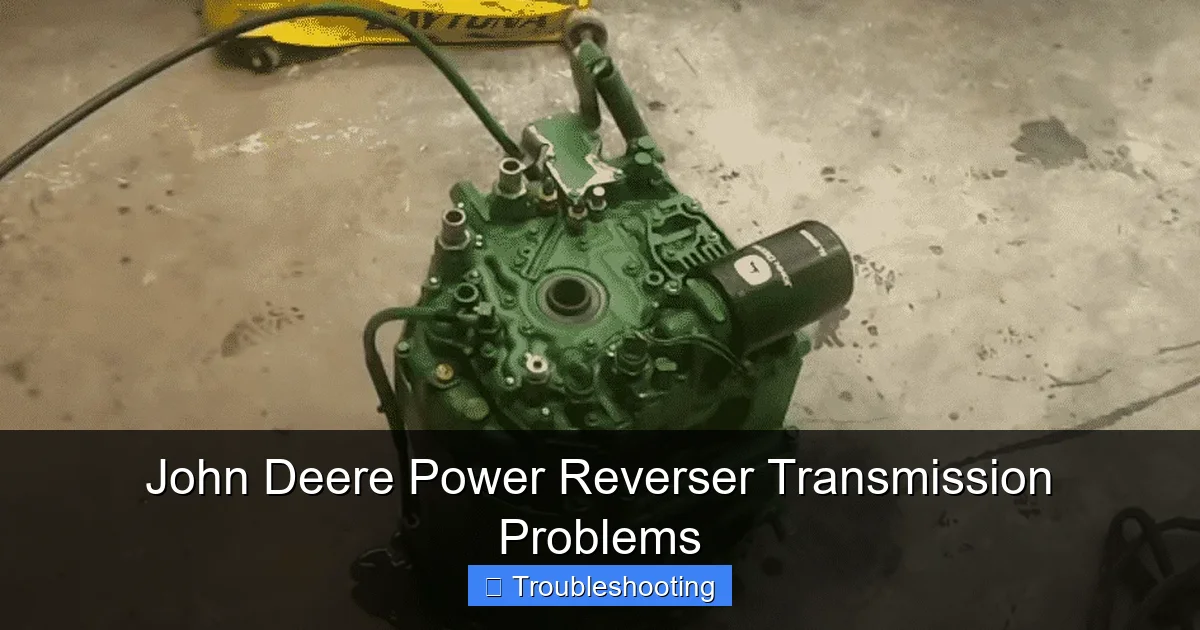
Before we jump into troubleshooting, it’s important to understand how the Power Reverser functions. Unlike traditional transmissions that require clutch engagement for gear changes, the Power Reverser uses a combination of hydraulic pressure, centrifugal clutches, and planetary gears to shift smoothly between forward, neutral, and reverse—all without touching the clutch pedal.
Visual guide about John Deere Power Reverser Transmission Problems
Image source: farmergrows.com
The Core Components
- Hydraulic Pump: Driven by the engine, it pressurizes transmission fluid to operate control valves and clutch packs.
- Control Valves: These valves regulate fluid flow to engage or disengage specific clutches based on operator input.
- Centrifugal Clutches: As engine RPM increases, these clutches automatically engage to transfer power to the output shaft.
- Planetary Gear Set: This assembly changes direction (forward to reverse) and provides gear ratios.
- Transmission Fluid: Acts as both a lubricant and hydraulic medium, ensuring smooth operation.
The system is designed to be self-adjusting and responsive. When you move the gear lever to reverse, the control valves redirect fluid to the appropriate clutch pack, which engages the reverse gear. The beauty of this design is that it eliminates the need for double-clutching or clutch wear—but it also means that any disruption in the hydraulic system can cause significant issues.
Why It’s Popular
The Power Reverser is especially valued in applications like mowing, hay baling, and plowing, where frequent direction changes are required. Operators appreciate the smooth, intuitive shifting and reduced physical strain. However, because the system relies heavily on precise hydraulic pressure and clean fluid, even minor issues can escalate quickly if not addressed.
Common Symptoms of Power Reverser Transmission Problems
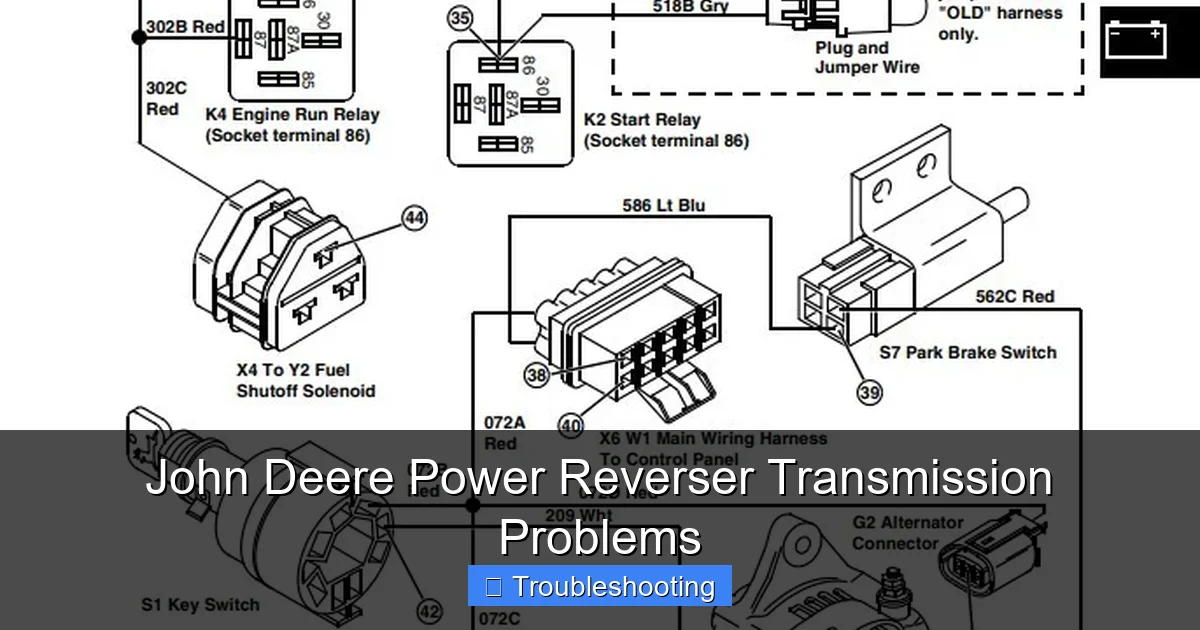
Recognizing the signs early can prevent minor issues from becoming major repairs. Here are the most common symptoms of Power Reverser transmission problems:
Visual guide about John Deere Power Reverser Transmission Problems
Image source: tractorbynet.com
1. Difficulty Shifting into Reverse
If you notice that the tractor or implement struggles to shift into reverse—especially when it used to be smooth—this is often the first red flag. The shift may feel stiff, require extra force, or not engage at all. This could indicate low hydraulic pressure, air in the system, or worn clutch plates.
Example: A farmer reports that their JD 5075E tractor hesitates and grinds slightly when shifting into reverse. After checking, they found the transmission fluid was dark and smelled burnt—a sign of overheating and degraded fluid.
2. Grinding or Clunking Noises
Unusual noises during gear changes are never normal. Grinding, clunking, or whining sounds when shifting into reverse suggest that components aren’t engaging properly. This could be due to misalignment, worn gears, or a failing centrifugal clutch.
Tip: If you hear a loud clunk when shifting into reverse, stop immediately. Continuing to use the machine could damage internal gears or cause further hydraulic issues.
3. Jerky or Erratic Movement
Instead of a smooth transition into reverse, the machine lurches or moves in fits and starts. This jerking motion often points to inconsistent hydraulic pressure or air trapped in the system. It can also indicate worn clutch plates that aren’t engaging fully.
4. Complete Failure to Shift
In severe cases, the transmission may refuse to shift into reverse at all. This is usually a sign of a major internal failure—such as a broken control valve, a seized clutch, or a ruptured hydraulic line. This requires immediate attention and professional diagnosis.
5. Fluid Leaks or Low Fluid Levels
Visible fluid leaks under the tractor or low fluid levels in the dipstick are clear indicators of a problem. Transmission fluid is essential for lubrication and hydraulic operation. Low levels can lead to overheating, increased wear, and eventual system failure.
Pro Tip: Always check fluid levels when the engine is warm but turned off. Use the correct fluid type—typically John Deere Hy-Gard or equivalent—as specified in your operator’s manual.
Common Causes of John Deere Power Reverser Transmission Problems
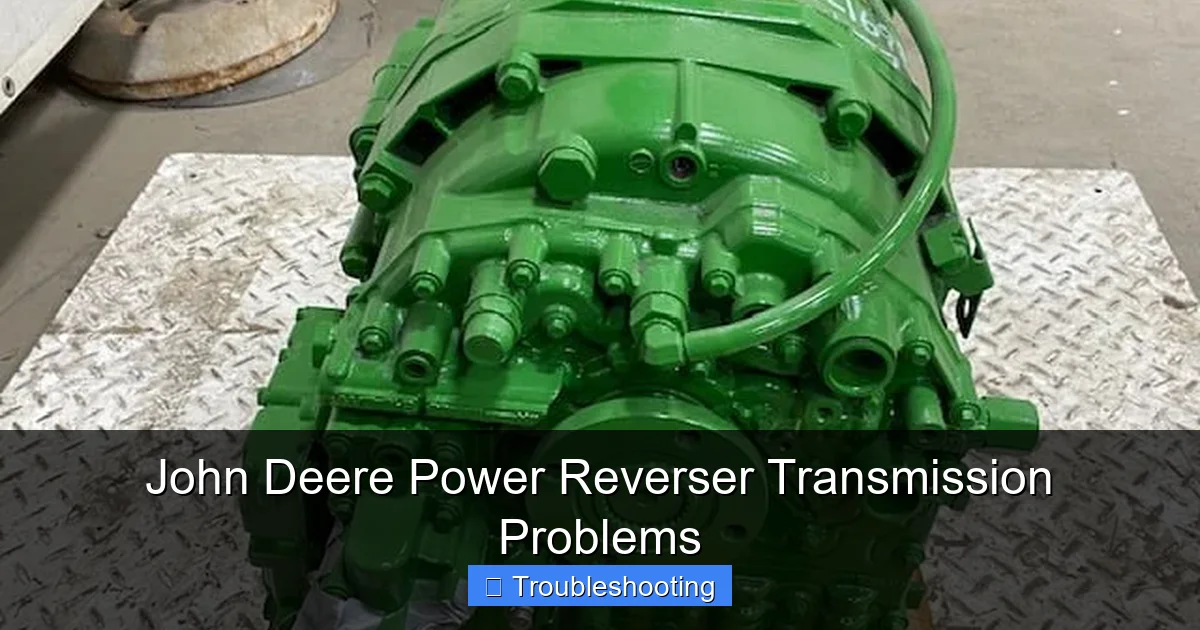
Now that you know the symptoms, let’s explore the root causes. Understanding why these issues happen can help you prevent them in the future.
Visual guide about John Deere Power Reverser Transmission Problems
Image source: andersontractorinc.com
1. Worn or Damaged Clutch Plates
The clutch plates in the Power Reverser are subject to constant friction and heat. Over time, they wear down, becoming less effective at transferring power. This leads to slipping, poor engagement, and difficulty shifting.
Signs: Slippage, delayed response, or excessive heat in the transmission housing.
2. Hydraulic Fluid Contamination or Degradation
Transmission fluid breaks down over time, losing its viscosity and lubricating properties. Contaminants like dirt, metal shavings, or water can enter the system, causing blockages or accelerated wear.
Tip: Replace fluid every 1,000 hours or annually, depending on usage and manufacturer recommendations.
3. Air in the Hydraulic System
Air bubbles in the hydraulic lines reduce pressure and cause erratic shifting. This often happens after a fluid change or due to a leak in the system. Bleeding the system properly is essential to restore performance.
4. Faulty Control Valves or Solenoids
The control valves direct fluid flow to engage the correct clutches. If a valve sticks or a solenoid fails, the system can’t shift properly. This is a common issue in older models or machines with high hours.
5. Mechanical Wear and Misalignment
Over time, gears, bearings, and shafts can wear or become misaligned. This affects the smooth operation of the planetary gear set and can lead to grinding or binding.
6. Improper Maintenance or Overloading
Skipping scheduled maintenance or operating the machine beyond its capacity puts extra stress on the transmission. This accelerates wear and increases the risk of failure.
Step-by-Step Troubleshooting Guide
Before calling a mechanic, try these troubleshooting steps to identify the issue:
Step 1: Check Transmission Fluid
- Park on level ground and let the engine cool.
- Locate the dipstick (usually near the engine or transmission housing).
- Check the level and condition. It should be clean, bright red, and smell like oil—not burnt.
- If low, top up with the correct fluid (Hy-Gard or equivalent).
Step 2: Inspect for Leaks
- Look under the machine for wet spots or puddles.
- Check seals, hoses, and connections around the transmission.
- Replace any cracked or worn hoses immediately.
Step 3: Test the Shift Response
- Start the engine and move the gear lever through each position (forward, neutral, reverse).
- Listen for unusual noises and note any hesitation or stiffness.
- If the shift is stiff, the issue may be mechanical or hydraulic.
Step 4: Bleed the Hydraulic System
- If you suspect air in the system (jerky movement, poor response), bleed the transmission.
- Follow the procedure in your operator’s manual—usually involves running the engine and cycling through gears with the parking brake engaged.
- Repeat until shifting becomes smooth.
Step 5: Scan for Error Codes (If Applicable)
- Some newer John Deere models have diagnostic ports for error codes.
- Use a compatible scanner (like JDLink or a basic OBD2 reader) to check for transmission-related faults.
Step 6: Inspect Clutch and Gears
- If the above steps don’t resolve the issue, internal components may need inspection.
- Remove the transmission cover (if accessible) and check for wear, scoring, or damage.
- Look for metal shavings in the fluid—this indicates internal wear.
DIY Repair Tips and When to Call a Professional
Some Power Reverser issues can be fixed at home, especially if you have basic mechanical skills. However, others require specialized tools and expertise.
Repairable Issues (DIY)
- Replacing Transmission Fluid: A simple drain and refill can resolve issues caused by degraded fluid.
- Replacing Seals and O-Rings: If you find a small leak, replacing the seal is often straightforward.
- Bleeding the System: Follow the manual’s procedure to remove air from the hydraulic lines.
When to Call a Technician
- Internal Gear Damage: Replacing planetary gears or clutch packs requires precision alignment.
- Control Valve Replacement: These components are complex and often need calibration.
- Complete Transmission Rebuild: This is a major job best left to professionals.
Warning: Attempting to disassemble the Power Reverser without proper training can lead to irreversible damage. Always refer to service manuals and safety guidelines.
Preventative Maintenance for Long-Term Reliability
The best way to avoid Power Reverser problems is through consistent maintenance. Here’s how to keep your transmission running smoothly:
1. Follow the Maintenance Schedule
- Change transmission fluid and filter every 1,000 operating hours or annually.
- Inspect belts, hoses, and connections regularly.
- Check for wear on the clutch and gear components during major servicing.
2. Use the Right Fluids
- Only use John Deere Hy-Gard or a high-quality equivalent.
- Never mix different types of transmission fluid.
3. Avoid Overloading
- Don’t exceed the machine’s rated capacity during operation.
- Heavy loads increase stress on the transmission and accelerate wear.
4. Keep the Area Clean
- Dirt and debris can enter the system through open ports or damaged seals.
- Keep the transmission housing and surrounding area clean during maintenance.
5. Monitor Performance
- Pay attention to shifts, noises, and fluid levels.
- Address minor issues before they become major problems.
Real-World Case Studies
Let’s look at a few real examples of John Deere Power Reverser transmission problems and how they were resolved:
Case 1: Farmer in Iowa
A John Deere 6120M tractor began jerking during reverse shifts. The operator checked the fluid and found it dark and gritty. After a complete fluid change and filter replacement, the issue was resolved. The farmer now changes fluid annually and inspects for leaks monthly.
Case 2: Landscaping Business in Oregon
A zero-turn mower with a Power Reverser started grinding when shifting into reverse. Technicians found a cracked hydraulic line near the control valve. Replacing the line and bleeding the system restored smooth operation. The business now uses a preventative maintenance checklist.
Case 3: Small Farm in Texas
A Power Reverser failed completely on a JD 7250R. Diagnosis revealed worn clutch plates and a seized control valve. The transmission was rebuilt at a certified dealer. The farmer now avoids overloading and performs monthly fluid checks.
Conclusion: Keep Your John Deere Running Strong
The John Deere Power Reverser transmission is a sophisticated and efficient system, but it’s not invincible. Like any mechanical component, it requires attention, care, and timely intervention to perform at its best. By understanding the common symptoms—difficulty shifting, grinding noises, jerky movement—and knowing the likely causes—worn clutches, low fluid, air in the system—you can take proactive steps to prevent downtime.
Regular maintenance is your best defense. Change the fluid, check for leaks, bleed the system, and follow the operator’s manual. When issues arise, don’t ignore them. Address them early, and when in doubt, consult a certified technician. With the right care, your John Deere Power Reverser can deliver decades of reliable service.
Remember: a well-maintained machine is a productive machine. Stay on top of your transmission health, and you’ll spend less time troubleshooting and more time doing what you love—farming, mowing, or building.
Frequently Asked Questions
What causes a John Deere Power Reverser to grind when shifting into reverse?
Grinding during reverse shift is often due to worn clutch plates, low hydraulic pressure, or air in the system. It can also result from misaligned gears or a failing control valve. Addressing fluid levels and bleeding the system can often resolve the issue.
How often should I change the transmission fluid in a John Deere Power Reverser?
It’s recommended to change the transmission fluid every 1,000 operating hours or annually, whichever comes first. Regular changes prevent contamination and maintain hydraulic performance.
Can I fix Power Reverser problems myself?
Simple issues like fluid changes or seal replacements can be done at home. However, internal repairs like clutch or valve work require specialized tools and expertise. When in doubt, consult a certified technician.
Why is my John Deere not shifting into reverse at all?
A complete failure to shift into reverse may indicate a broken hydraulic line, a seized clutch, or a failed control valve. This requires professional diagnosis and repair.
Is it safe to drive with a faulty Power Reverser?
No. Driving with transmission issues can cause further damage or safety hazards. Stop using the machine and have it inspected immediately.
Where can I find a service manual for my John Deere Power Reverser?
Service manuals are available through John Deere dealers, online retailers, or the official John Deere website. Always use the manual specific to your model and year.
