


Toro zero turn mowers are powerful, but hydraulic issues like leaks, low power, or strange noises can disrupt performance. This guide walks you through the most common Toro zero turn hydraulic problems, how to spot them, and practical steps to fix or prevent them. Whether you’re dealing with a slow deck or a slipping belt, understanding your mower’s hydraulic system helps you save time, money, and frustration.
Key Takeaways
- Common Hydraulic Issues: Most Toro zero turn hydraulic problems include leaks, low power, overheating, and unusual noises—each pointing to specific causes.
- Quick Diagnosis Tips: Check fluid levels, inspect hoses, and look for wear on pumps and motors to catch problems early.
- Prevention Matters: Regular maintenance like changing oil, flushing the system, and cleaning filters can prevent up to 80% of hydraulic failures.
- Know When to Call a Pro: Complex repairs like pump or motor replacement should be handled by certified technicians to avoid further damage.
- Use Genuine Parts: Always replace hydraulic components with OEM parts to ensure compatibility and long-term reliability.
- Climate Impacts Performance: Extreme heat or cold can affect hydraulic fluid viscosity, so adjust service schedules accordingly.
- Upgrade Considerations: Some older models may benefit from hydraulic system upgrades for better efficiency and fewer breakdowns.
📑 Table of Contents
- Introduction: Why Toro Zero Turn Hydraulics Matter
- Understanding Toro Zero Turn Hydraulic Systems
- Common Toro Zero Turn Hydraulic Problems
- How to Diagnose Toro Zero Turn Hydraulic Problems
- Preventing Toro Zero Turn Hydraulic Problems
- When to Call a Professional
- Upgrading Your Hydraulic System
- Conclusion: Keep Your Toro Zero Turn Running Strong
Introduction: Why Toro Zero Turn Hydraulics Matter
If you’re a homeowner or landscaper who relies on a Toro zero turn mower, you know how much time and effort you save with its powerful cutting deck and agile maneuverability. But when the hydraulic system starts acting up, that convenience turns into frustration. Toro zero turn hydraulic problems aren’t just annoying—they can shut down your mowing for hours or even days.
The hydraulic system in your zero turn mower is the heart of its performance. It powers the wheels, controls speed, and keeps the deck moving smoothly. When something goes wrong—whether it’s a leak, a drop in power, or a strange noise—your mower’s efficiency plummets. The good news? Many common Toro zero turn hydraulic problems are fixable with the right knowledge and tools.
In this guide, we’ll walk you through the most frequent hydraulic issues, explain what causes them, and show you how to diagnose and resolve them. Whether you’re troubleshooting a slow deck or dealing with a persistent leak, this article will help you get your mower back in top shape—faster and smarter.
Understanding Toro Zero Turn Hydraulic Systems
Before diving into specific problems, it helps to understand how Toro zero turn hydraulic systems work. Unlike standard riding mowers that use mechanical linkages, zero turns rely on hydraulic pumps and motors to control each rear wheel independently. This allows for sharp, precise turns and powerful acceleration—but it also means more components that can fail.
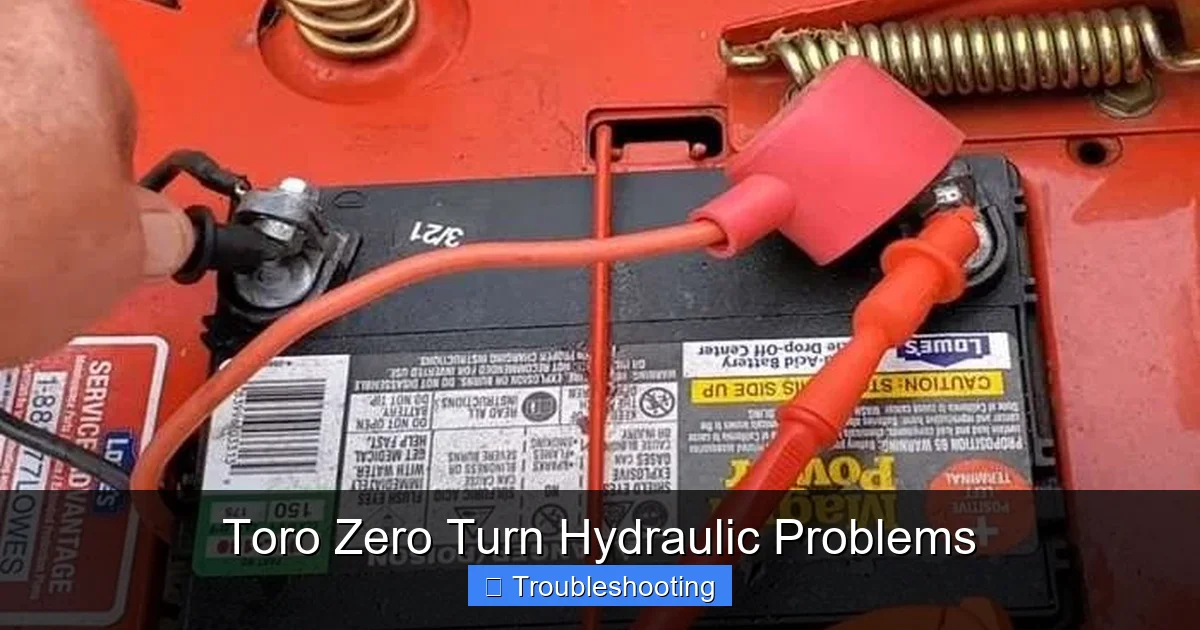
Visual guide about Toro Zero Turn Hydraulic Problems
Image source: gardenerpoints.com
Key Components of the Hydraulic System
The hydraulic system includes several critical parts:
- Hydraulic Pump: Converts engine power into hydraulic pressure to drive the wheels.
- Hydraulic Motors: Transform hydraulic pressure into mechanical motion for the rear wheels.
- Hydraulic Fluid: Transfers power through the system and lubricates components.
- Hoses and Fittings: Carry fluid between components; prone to wear and leaks.
- Cooler and Filter: Keep fluid clean and at optimal temperature.
When any of these parts wear out or fail, the whole system suffers. That’s why recognizing early warning signs is essential.
Common Toro Zero Turn Hydraulic Problems
Let’s face it—no mower is perfect. But when you notice something off with your Toro zero turn, knowing what to look for can save you time and money. Here are the most frequent hydraulic problems owners report:
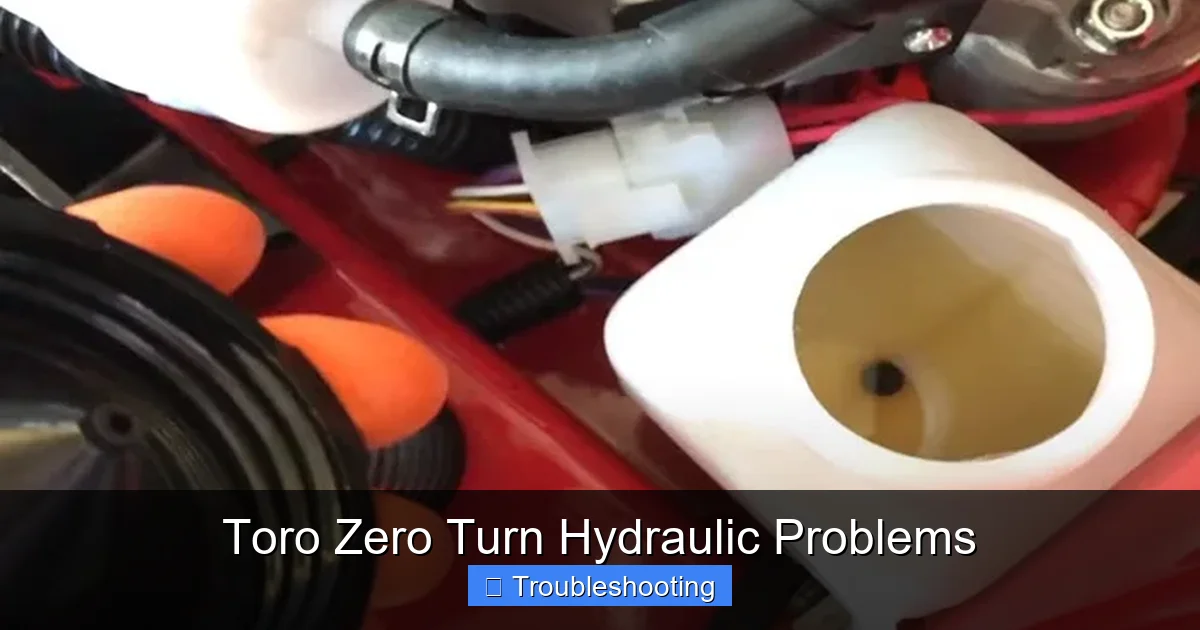
Visual guide about Toro Zero Turn Hydraulic Problems
Image source: gardenerpoints.com
1. Hydraulic Fluid Leaks
Leaks are one of the most obvious—and frustrating—Toro zero turn hydraulic problems. You might notice puddles under your mower or a sticky residue on hoses. Common leak sources include cracked hoses, loose fittings, or damaged seals in the pump or motor.
Example: A homeowner in Arizona noticed a slow leak near the right rear wheel. After inspecting, they found a cracked high-pressure hose. Replacing it with a genuine Toro part fixed the issue in under an hour.
Tip: Always inspect hoses for bulges, cracks, or soft spots. Tighten fittings with a flare wrench—don’t over-torque, or you’ll damage the threads.
2. Low Hydraulic Power or Slow Response
If your mower feels sluggish or the wheels don’t respond quickly when you turn the control lever, the problem might be low hydraulic pressure. This can stem from a weak pump, air in the system, or clogged filters.
Example: A landscaper reported that his Toro zero turn took twice as long to reach full speed. After checking, he found the hydraulic filter was clogged with debris. Replacing the filter and bleeding the system restored normal performance.
Tip: Always change the hydraulic filter every 25–50 hours of use, depending on conditions. Use only high-quality, OEM-compatible filters.
3. Overheating Hydraulic System
Overheating occurs when the hydraulic fluid gets too hot, reducing its effectiveness and potentially damaging components. Causes include low fluid levels, a clogged cooler, or excessive load on the system.
Example: A mower operator in Florida noticed the fluid temperature gauge creeping into the red zone during long mowing sessions. After cleaning the hydraulic cooler and refilling with fresh fluid, the issue disappeared.
Tip: Park in the shade when possible and avoid mowing during peak heat. Consider upgrading to a larger cooler if you frequently work in hot climates.
4. Unusual Noises (Whining, Clicking, or Knocking)
Strange sounds from the hydraulic system are never a good sign. A whining noise often indicates air in the lines or a failing pump. Clicking or knocking may point to worn motor bearings or loose components.
Example: A homeowner heard a loud whine when turning left. After draining and refilling the fluid and bleeding the system, the noise stopped. It turned out the fluid had been contaminated with moisture.
Tip: Bleed the system slowly to remove air bubbles. Never run the mower with air in the lines—it can damage the pump.
5. Uneven Wheel Movement or Slippage
If one wheel moves faster than the other or slips during turns, the hydraulic motor on that side may be failing. This can also result from a clogged orifice or internal leakage in the motor.
Example: A golf course maintenance team noticed one side of a Toro zero turn wasn’t turning as sharply. After replacing the faulty motor, turning performance returned to normal.
Tip: Check the drive belts and pulleys for wear. A loose belt can mimic motor issues but is easier and cheaper to fix.
6. Premature Wear or Component Failure
Hydraulic components don’t last forever. Premature wear can result from poor maintenance, using the wrong fluid, or operating the mower under extreme conditions.
Example: A mower used in rocky terrain had a cracked pump housing after just two seasons. The owner had used generic hydraulic fluid instead of the recommended synthetic blend.
Tip: Always use Toro-recommended hydraulic fluid. It’s formulated to handle temperature swings and resist oxidation.
How to Diagnose Toro Zero Turn Hydraulic Problems
Diagnosing hydraulic issues doesn’t require a degree in engineering—just a methodical approach and the right tools. Here’s how to pinpoint the root cause:
Visual guide about Toro Zero Turn Hydraulic Problems
Image source: gardenerpoints.com
Step 1: Check Fluid Level and Condition
Start by checking the hydraulic fluid reservoir. Low fluid? Top it off with the correct type (usually synthetic ISO 46 or 68). If the fluid is dark, smells burnt, or has metal shavings, it’s time for a full flush.
Step 2: Inspect for Leaks
Run the mower for a few minutes, then park it on level ground. Look under the mower for fresh fluid. Check hoses, fittings, and seals for wet spots. Use a flashlight and clean the area first for better visibility.
Step 3: Listen for Unusual Sounds
Turn on the engine and engage the drive. Listen closely to the hydraulic pump and motors. Any grinding, whining, or clicking? Note the location and when it happens.
Step 4: Test Performance
Drive the mower and observe how it responds. Does it accelerate slowly? Turn unevenly? Does the deck move sluggishly? These behaviors help narrow down the issue.
Step 5: Use a Pressure Gauge
For advanced troubleshooting, a hydraulic pressure gauge can measure system pressure. Compare readings to Toro’s specifications. Low pressure usually points to a pump or motor issue.
Pro Tip: Keep a log of mowing hours and maintenance. Over time, you’ll spot patterns—like recurring issues after heavy use in wet conditions.
Preventing Toro Zero Turn Hydraulic Problems
The best way to avoid Toro zero turn hydraulic problems is through consistent, proactive maintenance. Here’s how to keep your system running smoothly:
1. Change Hydraulic Fluid Regularly
Most Toro manuals recommend changing hydraulic fluid every 200–300 hours or annually. In harsh conditions (dusty, sandy, or hot), do it more often.
2. Replace Filters on Schedule
Use the hydraulic filter every 25–50 hours. A clogged filter restricts flow and strains the pump.
3. Flush the System Periodically
Every 500 hours, flush the hydraulic system to remove sludge and debris. Use a flushing kit and clean solvent.
4. Keep the Cooler Clean
Dirt and grass buildup on the hydraulic cooler reduce heat dissipation. Clean it monthly with compressed air or a soft brush.
5. Store Properly
Winterize your mower by draining old fluid and refilling with fresh, anti-wear fluid. This prevents corrosion and keeps seals flexible.
6. Avoid Overloading
Don’t carry extra weight or mow on steep slopes. Overloading strains the hydraulic system and accelerates wear.
Bonus Tip: Use a hydraulic fluid analyzer to test for water contamination, oxidation, and viscosity changes. It’s a small investment that can prevent major failures.
When to Call a Professional
While many Toro zero turn hydraulic problems can be handled at home, some situations require expert help:
- Pump or Motor Replacement: These components are complex and require precision alignment. DIY attempts often lead to leaks or premature failure.
- Internal Leaks: If the pump or motor is internally worn, it may need rebuilding or replacement by a certified technician.
- Persistent Overheating: Could indicate a blocked cooler or failing relief valve—best diagnosed with specialized tools.
- Warranty Work: If your mower is under warranty, unauthorized repairs may void coverage.
Tip: Find a Toro-certified service center near you. They have the training, tools, and genuine parts needed for reliable repairs.
Upgrading Your Hydraulic System
If you’ve owned your Toro zero turn for several years, you might consider a hydraulic system upgrade. Newer models feature improved pumps, better filtration, and more efficient motors. Some owners retrofit older mowers with aftermarket kits for better performance.
Example: A homeowner upgraded his 2015 Toro TimeCutter with a high-flow hydraulic kit. He reported faster acceleration, smoother turns, and fewer breakdowns.
Considerations:
- Compatibility with your model year
- Cost vs. benefit analysis
- Warranty implications
Always consult a Toro dealer before making major modifications.
Conclusion: Keep Your Toro Zero Turn Running Strong
Toro zero turn hydraulic problems can be frustrating, but with the right knowledge, most issues are manageable. From leaks and low power to overheating and strange noises, recognizing the signs early makes all the difference. Regular maintenance, using genuine parts, and knowing when to call a pro are your best defenses.
Remember, a well-maintained hydraulic system means more mowing time, less downtime, and a healthier lawn. Take the time to inspect your mower, follow Toro’s maintenance schedule, and address small issues before they become big ones. Your future self—and your lawn—will thank you.
Frequently Asked Questions
What are the most common Toro zero turn hydraulic problems?
Common issues include fluid leaks, low hydraulic power, overheating, unusual noises, uneven wheel movement, and premature component wear. These often stem from poor maintenance, contaminated fluid, or worn parts.
How do I fix a hydraulic leak on my Toro zero turn?
First, identify the leak source—usually a cracked hose or loose fitting. Tighten fittings with a flare wrench and replace damaged hoses with genuine Toro parts. Always use thread sealant on fittings to prevent leaks.
Why is my Toro zero turn slow to respond?
Slow response can result from low fluid, air in the lines, a clogged filter, or a failing pump. Check fluid level, bleed the system, and replace the hydraulic filter. If the problem persists, inspect the pump for wear.
Can I use any hydraulic fluid in my Toro zero turn?
No. Always use Toro-recommended hydraulic fluid, typically a synthetic ISO 46 or 68. Using incorrect fluid can cause overheating, corrosion, and component failure.
How often should I change the hydraulic fluid?
Change the fluid every 200–300 hours or once a year. In harsh conditions, do it more frequently. Also flush the system every 500 hours to remove sludge.
When should I replace the hydraulic pump on my Toro zero turn?
Replace the pump if you hear whining noises, notice low pressure, or see internal leaks. If the pump is damaged internally, it usually needs professional replacement by a Toro-certified technician.
