


Tired of your 29 hp Kohler EFI engine acting up? These engines are powerful but can develop frustrating issues like hard starts, stalling, or poor performance. This guide breaks down the most common 29 hp Kohler EFI problems and gives you step-by-step solutions to fix them fast. Whether you’re dealing with fuel delivery issues or sensor failures, you’ll learn how to diagnose and resolve problems so you can get back to work or play without delays.
Key Takeaways
- Common Issues: Hard starting, stalling, rough idle, and loss of power are the most frequent problems with 29 hp Kohler EFI engines.
- Diagnostic Tools: A scan tool or multimeter is essential for reading error codes and testing electrical components.
- Fuel System: Clogged filters, dirty injectors, and weak fuel pumps can disrupt performance and cause hesitation.
- Sensor Failures: Faulty oxygen, throttle position, or crankshaft position sensors often trigger check engine lights.
- Software Updates: Kohler occasionally releases EFI firmware updates to fix known bugs and improve reliability.
- Preventive Maintenance: Regular oil changes, air filter cleaning, and spark plug replacement prevent many EFI-related issues.
- Professional Help: If troubleshooting doesn’t resolve the issue, a certified Kohler technician can perform advanced diagnostics.
📑 Table of Contents
Understanding the 29 Hp Kohler EFI Engine
If you’re running a 29 horsepower Kohler EFI (Electronic Fuel Injection) engine, you’re likely using it in a generator, commercial lawn mower, industrial equipment, or marine application. These engines are prized for their reliability and fuel efficiency—thanks to their advanced EFI system. But like any complex machine, they’re not immune to problems. In fact, many owners report encountering frustrating issues such as hard starts, stalling, or sudden power loss. The good news? Most 29 hp Kohler EFI problems are fixable with the right knowledge and tools.
Kohler’s EFI system uses a network of sensors, an ECU (Engine Control Unit), and high-pressure fuel injectors to precisely control fuel delivery. This results in better performance and cleaner emissions compared to older carbureted engines. However, the complexity also means there are more components that can fail. Understanding how the system works is the first step toward diagnosing and solving issues. In this comprehensive guide, we’ll walk through the most common 29 hp Kohler EFI problems, explain their causes, and provide practical solutions you can try at home.
Common 29 Hp Kohler EFI Problems and How to Fix Them
1. Hard Starting or No-Start Condition
One of the most frustrating 29 hp Kohler EFI problems is when the engine cranks but won’t start. This could be due to a dead battery, faulty ignition switch, or issues with the fuel delivery system. Unlike older carbureted engines, EFI systems require all components—especially sensors and the ECU—to function properly before the engine will start.

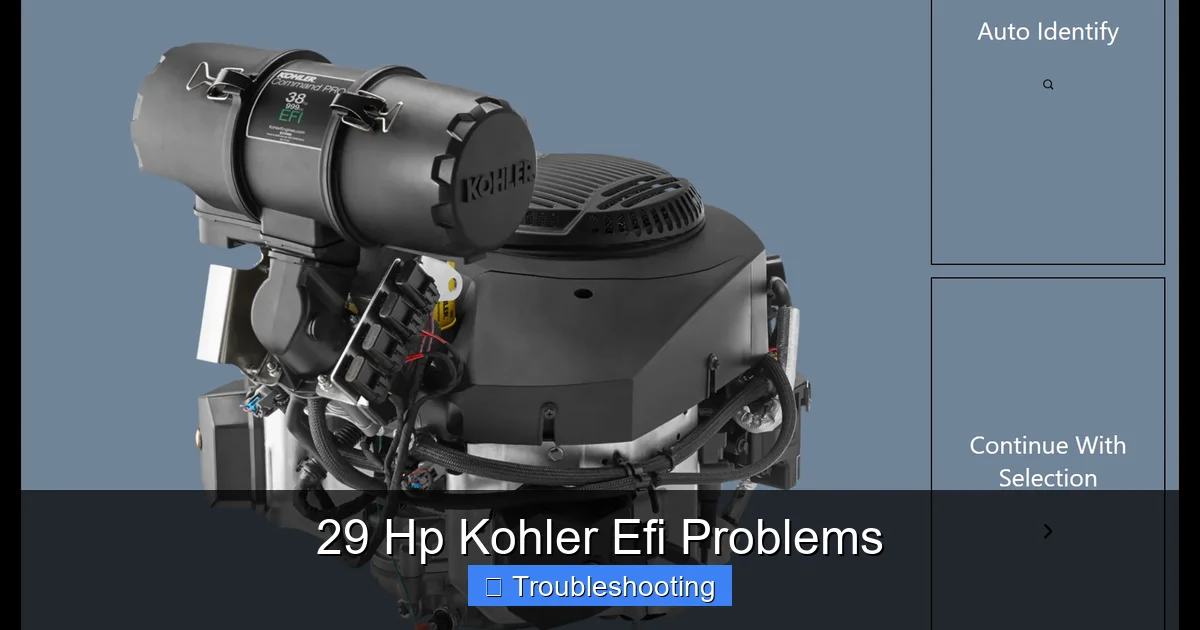
Visual guide about 29 Hp Kohler Efi Problems
Image source: i0.wp.com
Start by checking the battery voltage. A weak battery can prevent the ECU from initializing. Use a multimeter to confirm the voltage is at least 12.4V when the key is off and above 13.5V with the engine running. If the battery is weak, recharge or replace it. Next, inspect the ignition switch and starter solenoid for corrosion or loose connections.
If the battery and electrical connections are fine, the issue may lie in the fuel system. The EFI system relies on a fuel pump to deliver pressurized fuel to the injectors. A failing fuel pump or clogged fuel filter can prevent fuel from reaching the engine. Replace the fuel filter first—it’s a common cause of hard starts. Then, test the fuel pump pressure using a fuel pressure gauge. Kohler EFI systems typically require 40–50 psi. If pressure is low, the pump may need replacement.
2. Engine Stalling or Rough Idle
Stalling, especially at idle or under light load, is another frequent 29 hp Kohler EFI problem. This often points to air-fuel mixture issues or sensor malfunctions. The ECU constantly adjusts the fuel injection based on input from sensors like the throttle position sensor (TPS), mass airflow sensor (MAF), and oxygen sensor.
Begin by checking for diagnostic trouble codes (DTCs) using an OBD2 scanner or Kohler-specific diagnostic tool. A blinking check engine light usually indicates a stored code. For example, code P0171 (system too lean) suggests insufficient fuel delivery, possibly due to a vacuum leak or dirty fuel injectors. Code P0231 (fuel pump circuit low) points to a weak pump.
Cleaning the throttle body and intake manifold can resolve idle issues caused by carbon buildup. Use a throttle body cleaner and a soft brush to remove grime. Also, inspect the air filter—a clogged filter restricts airflow and throws off the air-fuel ratio. Replace it if it’s dirty. If the problem persists, test the TPS and MAF sensor with a multimeter or scan tool. A faulty sensor can send incorrect data to the ECU, leading to poor idle quality.
3. Loss of Power or Hesitation
When your engine feels sluggish or hesitates during acceleration, it’s often a sign of fuel delivery or ignition system problems. The 29 hp Kohler EFI engine is designed for consistent power, so any drop in performance should be investigated.
Start by inspecting the spark plugs. Worn or fouled plugs can cause misfires and power loss. Remove the plugs and check for black soot (indicating rich fuel mixture) or white deposits (lean mixture). Replace them with OEM-specified plugs if needed. Also, inspect the spark plug wires for cracks or corrosion.
Next, clean the fuel injectors. Over time, carbon buildup can clog them, reducing fuel spray. Use a fuel injector cleaner additive or ultrasonic cleaning service. If you suspect the fuel pump is weak, test it with a pressure gauge. Low fuel pressure will result in poor atomization and reduced power.
Another possible cause is a failing crankshaft position sensor. This sensor tells the ECU when to fire the spark plugs. A weak signal can cause hesitation or power loss. Use a scan tool to monitor sensor data in real time. If readings are erratic, replace the sensor.
4. Check Engine Light and Error Codes
The check engine light is your engine’s way of saying, “Something’s wrong.” In Kohler EFI engines, this light can be triggered by dozens of potential issues. Reading the error code is the fastest way to pinpoint the problem.
Connect a diagnostic scanner to the OBD2 port (usually located near the steering column or under the dash). Turn the key to the “ON” position without starting the engine. The scanner will retrieve stored codes. Common codes include:
- P0300: Random/multiple misfires
- P0101: MAF sensor circuit range/performance
- P0128: Coolant thermostat malfunction
- P0420: Catalyst system efficiency below threshold
Once you identify the code, research its meaning and follow the appropriate repair steps. For example, P0300 suggests a misfire—check ignition components and compression. P0101 means the MAF sensor isn’t reading airflow correctly—clean it with MAF sensor cleaner.
Note: Some older Kohler EFI engines use a proprietary diagnostic port. In those cases, you’ll need a Kohler-specific tool like the Kohler Diagnostic Tool or a compatible OBD2 scanner with updated software.
5. Overheating and Cooling System Issues
Overheating can damage the ECU and other sensitive components in your 29 hp Kohler EFI engine. While overheating isn’t always caused by the EFI system itself, it can trigger shutdowns or performance loss.
Check the coolant level and condition. Low coolant or contaminated fluid reduces heat transfer. Flush the cooling system and refill with fresh coolant. Inspect the radiator for blockages or debris. Clean the fins gently with compressed air.
Also, verify the thermostat is functioning. A stuck-open thermostat prevents the engine from reaching optimal operating temperature, while a stuck-closed one causes overheating. Test the thermostat by placing it in hot water and checking if it opens. Replace it if it doesn’t respond.
Finally, ensure the fan clutch is working. On some models, the fan is electrically controlled. If the fan doesn’t turn on when the engine is hot, check the fan relay and wiring. A faulty fan can lead to rapid overheating, especially in high-load situations.
6. Electrical and Wiring Problems
The EFI system relies heavily on electrical connections. Corrosion, loose wires, or damaged connectors can disrupt communication between sensors and the ECU. This is a common but often overlooked 29 hp Kohler EFI problem.
Inspect all connectors, especially those near the engine and ECU. Look for signs of moisture, corrosion, or loose pins. Clean connectors with electrical contact cleaner and reseat them firmly. Use dielectric grease to prevent future corrosion.
Check the ground connections. A poor ground can cause erratic behavior. Locate the main ground wire (usually from the engine block to the chassis) and ensure it’s tight and free of rust. Clean the contact points with sandpaper if necessary.
If you’ve recently replaced components like the battery, alternator, or ECU, double-check all connections. Improper installation can introduce new problems.
Preventive Maintenance for 29 Hp Kohler EFI Engines
Prevention is always better than repair. Regular maintenance can significantly reduce the likelihood of 29 hp Kohler EFI problems. Follow the manufacturer’s service schedule, which typically includes:
Visual guide about 29 Hp Kohler Efi Problems
Image source: kohler-efi.diagsys.com
- Oil and filter changes every 100 hours or annually
- Air filter inspection and replacement
- Spark plug replacement every 200–300 hours
- Fuel filter replacement every 200 hours
- Throttle body cleaning every 500 hours
Also, keep the engine clean. Dirt and debris can clog sensors and restrict airflow. After mowing in dusty conditions, wipe down the engine and inspect the air intake.
Store your equipment properly. If you’re not using it for several weeks, run the engine for 10 minutes to circulate oil and prevent fuel from gumming up the injectors. Add a fuel stabilizer to the tank to protect the EFI system during storage.
When to Call a Professional
While many 29 hp Kohler EFI problems can be resolved with basic tools and knowledge, some issues require advanced diagnostics. If you’ve tried troubleshooting and the problem persists, it’s time to consult a certified Kohler technician. They have access to specialized tools, updated service bulletins, and factory training.
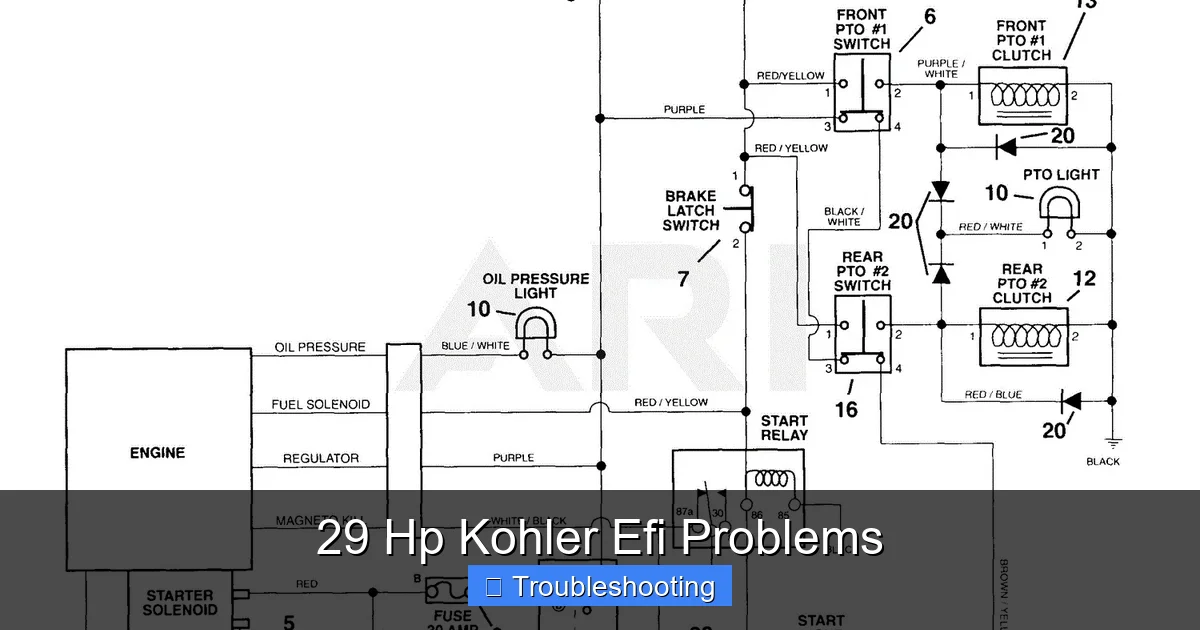
Visual guide about 29 Hp Kohler Efi Problems
Image source: detoxicrecenze.com
Common reasons to seek professional help include:
- Complex ECU programming or software updates
- Suspected internal engine damage (e.g., low compression)
- Recurring electrical faults after repairs
- Unclear or conflicting diagnostic codes
Attempting to replace the ECU without proper training can cause more harm than good. Always follow Kohler’s guidelines and use genuine parts.
Conclusion
29 hp Kohler EFI engines are powerful, efficient, and built to last—but they’re not immune to problems. By understanding the most common issues—like hard starts, stalling, power loss, and check engine lights—you can diagnose and fix many problems on your own. Regular maintenance, attention to electrical connections, and prompt response to warning signs go a long way in keeping your engine running smoothly.
Remember, the EFI system is only as reliable as its components. A clogged fuel filter, dirty sensor, or weak battery can bring your engine to a halt. But with the right tools and knowledge, you can keep your 29 hp Kohler EFI engine in top shape. Stay proactive, stay informed, and your engine will reward you with years of dependable performance.
Frequently Asked Questions
Why won’t my 29 hp Kohler EFI engine start?
A hard start or no-start condition is often due to a weak battery, faulty ignition switch, or fuel delivery issues. Check the battery voltage, inspect connections, and test fuel pressure. A clogged fuel filter or failing fuel pump is a common culprit.
How do I read error codes on a Kohler EFI engine?
Use an OBD2 scanner connected to the diagnostic port. Turn the key to “ON” and retrieve stored codes. Common tools include the Kohler Diagnostic Tool or a compatible OBD2 scanner. Each code points to a specific issue, like sensor failure or misfires.
Can a dirty air filter cause 29 hp Kohler EFI problems?
Yes. A clogged air filter restricts airflow, throwing off the air-fuel ratio and causing rough idle, hesitation, or power loss. Replace the air filter regularly and clean the intake system to prevent buildup.
Is it safe to clean the fuel injectors myself?
Yes, you can use a fuel injector cleaner additive in the gas tank. For best results, consider professional ultrasonic cleaning. Avoid using harsh chemicals that could damage the EFI system.
What causes the check engine light to come on?
The check engine light activates when the ECU detects a fault—such as a misfire, sensor failure, or fuel system issue. Use a scan tool to read the code and identify the root cause.
How often should I replace the spark plugs on a 29 hp Kohler EFI engine?
Replace spark plugs every 200–300 hours of operation or as recommended in the owner’s manual. Worn plugs can cause misfires, poor performance, and increased emissions.
