


The John Deere LT155 is a reliable lawn tractor, but like any machine, it can develop issues over time. Common John Deere LT155 problems include engine stalling, transmission slipping, and electrical faults. With proper maintenance and timely fixes, most of these issues can be resolved, ensuring your tractor stays in top shape.
Key Takeaways
- Engine Performance Issues: Stalling, hard starting, and power loss are common, often due to fuel system or spark plug problems.
- Transmission and Drive Concerns: Slipping, jerking, or failure to move may stem from belt wear or hydraulic fluid issues.
- Electrical System Failures: Faulty wiring, dead batteries, or malfunctioning lights can disrupt operation.
- Hydraulic System Problems: Difficulty steering or lifting the deck may indicate low fluid or pump wear.
- Maintenance Tips: Regular oil changes, air filter cleaning, and belt inspections help prevent many issues.
- Warranty and Support: Many LT155 problems are covered under warranty—check your dealer for service.
- DIY Fixes vs. Professional Help: Simple fixes like spark plug replacement are DIY-friendly, but complex issues require a technician.
📑 Table of Contents
Understanding the John Deere LT155: A Popular Lawn Tractor
The John Deere LT155 is a compact, reliable lawn tractor that has earned a solid reputation among homeowners and small-scale landscapers. Known for its durability and ease of use, the LT155 combines power and precision, making it ideal for medium-sized lawns. With a 19.5-horsepower Kawasaki engine and a 42-inch cutting deck, it’s built for performance without being overwhelming.
Despite its strengths, the LT155 is not immune to problems. Like any mechanical equipment, wear and tear, poor maintenance, or manufacturing flaws can lead to various issues. In this comprehensive guide, we’ll explore the most common John Deere LT155 problems and provide practical solutions to keep your tractor running smoothly.
Common John Deere LT155 Problems
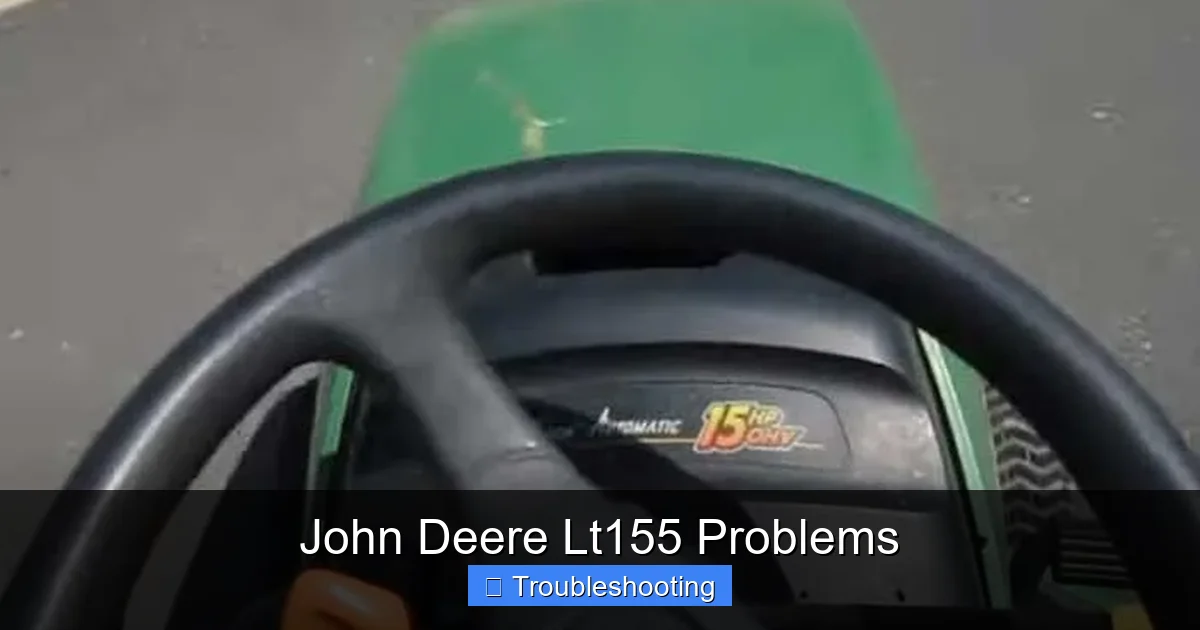
Visual guide about John Deere Lt155 Problems
Image source: denresidence.com
1. Engine Stalling or Hard Starting
One of the most frequently reported issues with the LT155 is engine stalling, especially during operation or when starting. This can be frustrating, particularly if it happens repeatedly.
Causes:
- Dirty or clogged air filter
- Fuel system contamination (old or bad fuel)
- Faulty spark plugs or ignition coil
- Fuel pump failure
- Clogged carburetor
How to Fix:
Start with the basics. Check the air filter—replace it if it’s dirty. Inspect spark plugs for wear or carbon buildup and replace them if necessary. If the engine still struggles, consider draining old fuel and replacing it with fresh gasoline. Cleaning or rebuilding the carburetor may also be needed.
Pro Tip: Always use fresh fuel with stabilizer if the tractor won’t be used for several weeks. This prevents fuel degradation and gum formation.
2. Transmission Slipping or Jerking
The LT155 features a hydrostatic transmission, which should provide smooth, continuous motion. However, many users report slipping, jerking, or sudden stops.
Common Causes:
- Worn drive belt
- Low hydraulic fluid
- Contaminated fluid
- Pump or motor wear
- Improper belt tension
Diagnosis and Repair:
Check the drive belt for cracks or fraying. Replace it if damaged. Inspect the hydraulic fluid level and color—dark or gritty fluid indicates contamination. Change the fluid and filter if needed. Adjust belt tension according to the manual’s specifications.
If the problem persists, the transmission pump or motor may need professional servicing. A mechanic can test pressure and flow to identify internal wear.
3. Loss of Power or Poor Performance
A drop in engine power can make mowing slower and less efficient. This is often mistaken for a fuel issue, but several other factors can contribute.
Possible Causes:
- Clogged air filter
- Dirty carburetor
- Throttle linkage issues
- Exhaust blockage
- Engine overheating
What You Can Do:
Replace the air filter and clean the carburetor. Check the throttle cable for proper movement. Inspect the muffler and exhaust port for carbon buildup. Ensure the cooling fins are clean and not obstructed.
Example: One user noticed their LT155 was losing power during long mowing sessions. After cleaning the air filter and carburetor, performance improved significantly. The issue was traced to a dirty carburetor jet, common with infrequent use.
4. Electrical System Malfunctions
The LT155 relies on a 12-volt electrical system for ignition, lights, and safety switches. Problems here can range from dim headlights to complete engine failure.
Common Electrical Issues:
- Dead battery
- Faulty solenoid
- Bad ignition switch
- Wiring corrosion or damage
- Malfunctioning safety switches
How to Troubleshoot:
Start by checking the battery voltage with a multimeter. A reading below 12.4V indicates a weak or dead battery. Clean battery terminals and ensure connections are tight.
If the battery is fine, test the solenoid and ignition switch. A clicking sound during cranking often points to a faulty solenoid. Inspect wiring for fraying or corrosion, especially around the engine and battery.
Tip: Always disconnect the battery before performing electrical work to avoid short circuits.
5. Steering or Lift System Problems
The LT155 uses a hydraulic steering and deck-lift system. Issues here can make steering stiff or the deck hard to raise.
Causes:
- Low hydraulic fluid
- Air in the hydraulic system
- Worn pump or hoses
- Faulty control valves
Solution:
Check the hydraulic fluid level in the reservoir. Top it off with the recommended fluid if low. Bleed the system to remove air—this involves running the engine with the control lever in the neutral position and slowly turning the steering wheel.
If the pump is worn, it may need replacement. A mechanic can test system pressure to confirm.
6. Belt and Pulley Wear
The LT155 uses multiple belts to drive the deck, transmission, and accessories. Over time, these belts can wear, stretch, or break.
Signs of Belt Problems:
- Squealing or grinding noises
- Slipping during operation
- Visible cracks or fraying
Maintenance Tips:
Inspect belts every 50 hours of use. Replace them if they show signs of wear. Always use OEM-spec belts for best performance.
DIY Fix: Replacing a deck belt is straightforward. Lift the deck, remove the old belt, and install the new one following the routing diagram in the manual.
7. Safety Switch Issues
The LT155 has several safety switches—seat, brake, and blade engagement—that prevent operation unless conditions are safe. Faulty switches can stop the engine from starting.
Common Problems:
- Seat switch failure (engine won’t start when seated)
- Brake switch malfunction
- Blade switch not engaging
How to Test:
Use a multimeter to check continuity across the switch terminals. If the switch doesn’t click or show continuity when activated, it’s faulty.
Workaround: Some users bypass certain switches temporarily, but this is not recommended. Always replace faulty switches to maintain safety.
Preventive Maintenance for the John Deere LT155
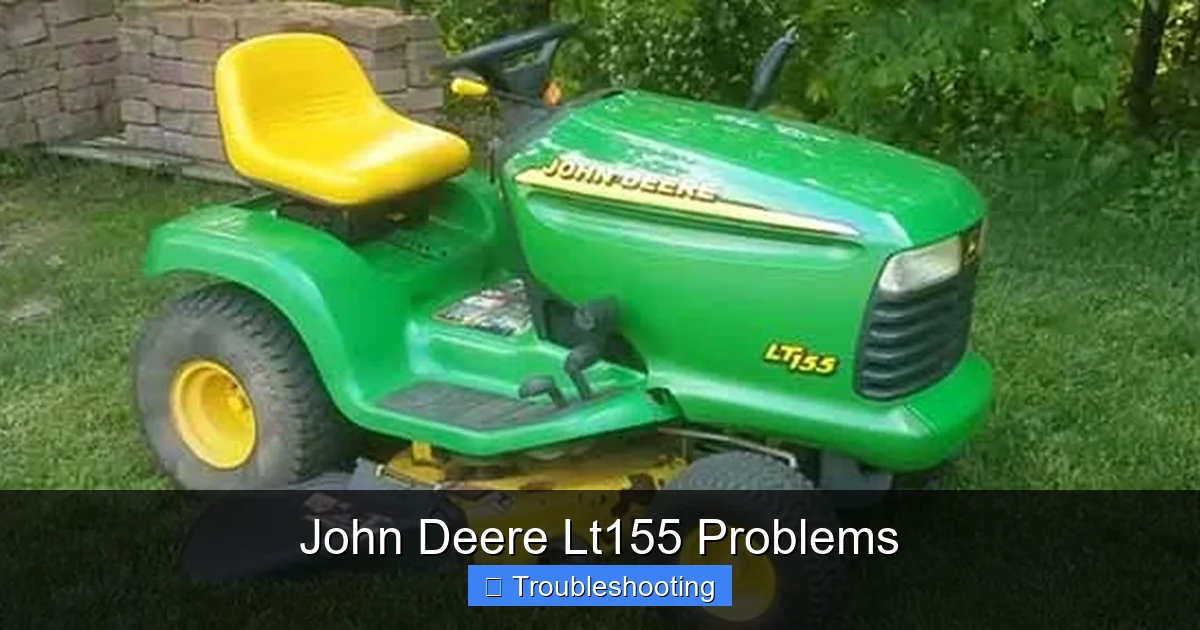
Visual guide about John Deere Lt155 Problems
Image source: denresidence.com
The best way to avoid John Deere LT155 problems is through consistent maintenance. Here’s a simple checklist:
Weekly Tasks:
- Check oil level and top off if needed
- Inspect belts for wear
- Clean undercarriage and deck
- Check tire pressure
Every 25 Hours:
- Change oil and oil filter
- Clean air filter
- Lubricate control links and pivots
Every 100 Hours:
- Inspect and clean spark plugs
- Check hydraulic fluid level
- Inspect battery terminals
Pro Tip: Keep a maintenance log. Tracking service intervals helps you stay on schedule and catch issues early.
When to Call a Professional
Visual guide about John Deere Lt155 Problems
Image source: farmsunseed.com
While many LT155 problems are fixable at home, some require expert attention. Consider professional service for:
- Complex transmission repairs
- Electrical system diagnostics
- Hydraulic pump replacement
- Engine rebuilds
Why It Matters: Attempting advanced repairs without experience can worsen the problem or void your warranty.
Finding a Reputable Technician: Look for John Deere-certified service centers. They have access to genuine parts and training.
Warranty and Support Information
The John Deere LT155 typically comes with a 2-year limited warranty. This covers defects in materials and workmanship but not wear items like belts or filters.
What’s Covered:
- Engine components
- Transmission parts
- Frame and deck
What’s Not Covered:
- Normal wear and tear
- Improper maintenance
- Accidental damage
How to Claim Warranty:
Contact your local John Deere dealer with your model number and serial number. Provide proof of purchase and maintenance records.
Tip: Register your product online within 30 days of purchase to activate warranty coverage.
User Tips and Community Insights
Owners of the LT155 often share valuable tips in forums and review sites. One recurring suggestion is to always use high-quality fuel and oil. Another is to avoid letting the tractor sit for long periods without use.
User Story:
A homeowner in Ohio reported constant stalling. After replacing the carburetor and cleaning the fuel line, the issue was resolved. They also installed a fuel stabilizer, which prevented future problems.
Community Tip:
Use dielectric grease on battery terminals to prevent corrosion. It’s a simple step that extends battery life.
Warning:
Avoid using the tractor in wet conditions. Water can seep into the engine and electrical components, causing damage.
Conclusion: Keeping Your LT155 Running Strong
The John Deere LT155 is a dependable lawn tractor, but like any machine, it needs attention to perform at its best. Common issues like engine stalling, transmission slipping, and electrical faults are often preventable with regular maintenance.
By understanding the root causes of John Deere LT155 problems and taking proactive steps, you can enjoy years of trouble-free mowing. Whether you’re replacing a spark plug or servicing the hydraulic system, a little knowledge goes a long way.
Remember: when in doubt, consult your manual or a certified technician. Your safety and the longevity of your tractor depend on it.
With the right care, your LT155 will keep your lawn looking great—season after season.
Frequently Asked Questions
Why does my John Deere LT155 stall when I release the brake?
This is often due to a faulty brake switch or a safety circuit issue. The engine may be programmed to shut off when the brake is released if the switch isn’t functioning properly. Check the switch and wiring, or consult your manual for troubleshooting steps.
How often should I change the oil in my LT155?
It’s recommended to change the oil every 25 operating hours or at least once per year, whichever comes first. Using high-quality oil and a clean filter will help maintain engine performance and prevent premature wear.
Can I replace the carburetor on my LT155 myself?
Yes, many owners successfully replace the carburetor themselves. You’ll need basic tools, a carb cleaner, and a service manual. Disconnect the fuel line and spark plug wire before starting. Make sure to clean the intake manifold and reinstall carefully.
What type of fuel should I use in my LT155?
Use fresh, unleaded gasoline with an octane rating of 87 or higher. Avoid ethanol blends above 10% (E10), as they can cause fuel system issues. Adding a fuel stabilizer is recommended if the tractor won’t be used for several weeks.
Why won’t my LT155 start even with a charged battery?
This could be due to a faulty ignition switch, solenoid, or safety switch. Check all connections, test the battery voltage, and inspect the starter solenoid. A multimeter can help diagnose electrical issues.
Is it safe to bypass the seat switch on my LT155?
No, bypassing safety switches is not recommended. The seat switch prevents accidental starts and protects users. Instead, replace a faulty switch to maintain safe operation. Safety should always come first.
