


The John Deere X390 is a popular compact tractor, but owners often face common issues like transmission problems, electrical faults, and engine troubles. This guide covers the most frequent John Deere X390 problems and provides practical solutions to keep your tractor running efficiently.
The John Deere X390 is a highly regarded compact tractor, known for its versatility, durability, and ease of use in landscaping, small farm work, and residential property maintenance. With its 22-horsepower engine, hydrostatic transmission, and intuitive controls, it’s a favorite among homeowners and small-scale operators. However, like any mechanical equipment, the X390 isn’t immune to issues. While many owners enjoy reliable performance for years, some common John Deere X390 problems have surfaced over time, especially as units age or are used in demanding conditions.
Understanding these potential issues can save you time, money, and frustration. Whether you’re a first-time owner or a seasoned operator, knowing what to watch out for—and how to address it—can make a big difference in your tractor’s longevity and performance. In this comprehensive guide, we’ll walk through the most frequent John Deere X390 problems, explain their causes, and offer practical solutions to keep your machine running smoothly.
Key Takeaways
- Transmission Issues: The X390’s hydrostatic transmission can suffer from leaks, jerky movement, or failure to engage—often due to worn seals or low fluid levels.
- Electrical Failures: Frequent battery drain, faulty ignition switches, or dead starters are common electrical problems that may stem from wiring issues or a weak battery.
- Engine Performance: Rough idling, stalling, or loss of power can result from clogged filters, fuel system issues, or carbon buildup in the engine.
- Hydraulic System Malfunctions: Slow lift arms or unresponsive controls may indicate low hydraulic fluid or air in the system.
- Steering and Steering Column Problems: Stiff or loose steering, along with steering column lock issues, are frequently reported and often tied to worn components or loose connections.
- Overheating Concerns: Engine overheating can occur due to clogged radiators, low coolant, or a failing water pump—especially in hot weather or heavy use.
- Preventive Maintenance: Regular oil changes, filter replacements, and fluid checks significantly reduce the risk of major X390 problems.
📑 Table of Contents
Common John Deere X390 Problems: What You Need to Know
Transmission Troubles
One of the most frequently reported John Deere X390 problems involves the hydrostatic transmission. This transmission type uses hydraulic fluid to transfer power smoothly and quietly, but it’s also more complex than a manual system and more prone to certain types of failure.
Common symptoms include:
- Difficulty moving forward or backward
- Jerky or uneven movement
- Transmission fluid leaks
- Grinding or whining noises during operation
These issues often stem from worn transmission seals, contaminated fluid, or internal wear. Low fluid levels—especially if the reservoir is not filled to the proper level—can cause overheating and accelerated wear. Over time, the seals in the hydrostatic transmission can degrade, leading to leaks that not only reduce fluid levels but also allow dirt and debris to enter the system.
Pro tip: Always check the transmission fluid level with the engine off and the tractor on level ground. Use only the recommended fluid type (typically Dexron III or equivalent automatic transmission fluid). If you notice a puddle under the tractor after use, inspect the transmission and drive belts for signs of leaks.
In some cases, the problem may be a clogged filter or a failing pump. If the transmission fails to engage or slips during operation, it might be time to consult a certified technician. Attempting to repair a hydrostatic transmission without proper training can lead to further damage.
Electrical System Failures
Another widespread category of John Deere X390 problems involves the electrical system. The X390 relies on a 12-volt electrical system to power the starter, lights, ignition, and various sensors. When this system fails, it can leave you stranded or unable to operate essential functions.
Frequent electrical issues include:
- Dead battery or difficulty starting
- Dim or flickering headlights
- Faulty ignition switch
- Dashboard warning lights that won’t turn off
- Starter motor not engaging
A weak or dead battery is often the first sign of trouble. If your X390 struggles to start or the lights dim when you turn the key, the battery should be tested. Corroded terminals or loose connections can also mimic battery failure—always clean the terminals with a wire brush and apply a thin coat of dielectric grease.
The ignition switch is another common culprit. Over time, the contacts inside the switch can wear out, preventing proper current flow. If the tractor starts but dies immediately or won’t stay running, the ignition switch may need replacement. Some owners report that the switch fails intermittently, making diagnosis tricky.
Additionally, the starter solenoid can fail, preventing the engine from cranking. A clicking sound when you turn the key usually indicates a solenoid issue. In rare cases, wiring harnesses can fray or become damaged, especially if the tractor has been used in harsh environments or subjected to frequent vibration.
Prevention tip: Store your X390 in a dry place during winter months to prevent battery drain from cold weather. Use a battery maintainer if the tractor will be idle for extended periods.
Engine Performance Issues
The engine is the heart of your X390, and any issues here can drastically affect performance. While the 22-horsepower Kawasaki engine is generally reliable, several problems can arise over time.
Common engine-related John Deere X390 problems include:
- Rough idling or stalling
- Lack of power or sluggish acceleration
- Excessive smoke from the exhaust
- Hard starting or failure to start
One of the most frequent causes is a clogged air filter. A dirty air filter restricts airflow, leading to poor combustion and reduced engine power. If you notice reduced performance or black smoke, check the air filter first. Replace it if it’s dirty—this is a simple, low-cost fix that can make a big difference.
Fuel system problems are another common issue. Old or contaminated fuel can gum up the carburetor or fuel injectors. If the engine cranks but won’t start, try draining the fuel and refilling with fresh gasoline. Using a fuel stabilizer during storage can prevent this issue.
Carbon buildup in the combustion chamber can also cause rough idling or misfires. Over time, especially with infrequent use or poor fuel quality, carbon deposits can accumulate. In some cases, a professional tune-up or decarbonization service may be necessary.
Maintenance reminder: Follow the manufacturer’s recommended service intervals. Replace the oil and oil filter every 100 hours of use, and change the fuel filter annually. Neglecting these tasks increases the risk of engine damage.
Hydraulic System Malfunctions
The hydraulic system powers the lift arms and allows for the attachment of implements. While generally robust, the X390’s hydraulic system can develop issues that affect performance.
Common hydraulic John Deere X390 problems include:
- Slow or unresponsive lift arms
- Fluid leaks near the hydraulic pump or hoses
- Unusual noises during operation
- Spongy or unresponsive control levers
Low hydraulic fluid is often the cause of sluggish performance. Check the fluid level regularly—especially before heavy lifting tasks. If the fluid is low, inspect for leaks. Common leak points include the hydraulic pump seals and hose connections.
Air in the hydraulic system can also cause spongy controls. If the lift arms feel soft or unresponsive, bleeding the system may resolve the issue. Refer to your owner’s manual for the proper bleeding procedure.
In rare cases, the hydraulic pump itself may wear out. If you hear a whining noise or notice a significant drop in performance, the pump may need inspection or replacement. This is a more complex repair and typically requires professional assistance.
Tip: Always use the recommended hydraulic fluid (usually SAE 10W-30 or equivalent). Using the wrong fluid can damage seals and reduce system efficiency.
Steering and Steering Column Problems
The X390 uses a manual steering system with a steering column that connects to the front wheels. While simple in design, it’s not immune to wear and tear.
Frequent steering-related John Deere X390 problems include:
- Stiff or difficult steering
- Loose or sloppy steering feel
- Steering column lock failure
- Grinding noises when turning
Stiff steering is often caused by low power steering fluid—though the X390 doesn’t use power steering fluid, the issue may stem from worn steering linkage or a damaged steering gear. Check the steering gear and tie rod ends for play or wear. Lubricate moving parts as recommended in the manual.
The steering column lock is a safety feature that prevents the steering wheel from turning when the tractor is off. If this lock fails, the steering may feel loose or unresponsive. In some cases, the lock mechanism can stick, making it hard to start the tractor. Cleaning the ignition switch area and ensuring the key moves freely can help.
Grinding noises during turns may indicate a problem with the steering gearbox or a loose component. Inspect all bolts and connections, and tighten any that are loose. Worn bushings or ball joints can also contribute to poor steering response.
Overheating Issues
While the X390 is designed to operate in moderate conditions, overheating can occur—especially during prolonged use in hot weather or when the cooling system isn’t functioning properly.
Signs of overheating include:
- High engine temperature gauge reading
- Steam or coolant smell
- Loss of power or engine shutdown
The most common causes are low coolant levels, a clogged radiator, or a failing water pump. Always check the coolant level before long jobs. Use a 50/50 mix of antifreeze and water. If the radiator is clogged with dirt or debris—especially if the tractor is used in dusty environments—clean it gently with compressed air or a soft brush.
The water pump may develop leaks or fail to circulate coolant properly. If you notice a puddle under the tractor or hear a whining noise from the front of the engine, the water pump may need attention. This is a more involved repair and should be handled by a qualified technician.
Prevention tip: Park the tractor in the shade when possible and avoid continuous high-load operations in extreme heat. Allow the engine to idle for a few minutes after heavy use to cool down.
Preventive Maintenance: Your Best Defense Against John Deere X390 Problems
The best way to avoid John Deere X390 problems is through consistent, proactive maintenance. The X390 is built to last, but only if cared for properly.
Here’s a simple maintenance checklist:
- Change the engine oil and filter every 100 hours
- Replace the air filter annually or more often in dusty conditions
- Check and clean the battery terminals monthly
- Inspect hydraulic and transmission fluid levels regularly
- Replace the fuel filter every year
- Keep the radiator and cooling fins clean
- Follow the service schedule in your owner’s manual
Keeping a maintenance log can help you track when services were performed and catch small issues before they become major problems. For example, if you notice a minor transmission leak, addressing it early can prevent a full rebuild later.
It’s also wise to store your X390 properly during off-seasons. Use a cover to protect it from the elements, and consider using a fuel stabilizer to prevent fuel degradation. If possible, elevate the tractor on jack stands to reduce strain on tires and suspension components.
Finally, always use genuine John Deere parts or high-quality aftermarket equivalents. Cheap, low-quality filters or fluids can save money upfront but often lead to more frequent breakdowns and higher long-term costs.
Conclusion: Stay Ahead of the Curve
The John Deere X390 is a reliable and capable compact tractor, but it’s not without its share of common issues. From transmission and electrical problems to engine performance and overheating, understanding the most frequent John Deere X390 problems empowers you to take action before they escalate.
By staying on top of maintenance, using the right fluids and filters, and addressing small issues early, you can extend the life of your tractor and avoid costly repairs. When in doubt, consult your owner’s manual or reach out to a certified John Deere dealer for professional advice.
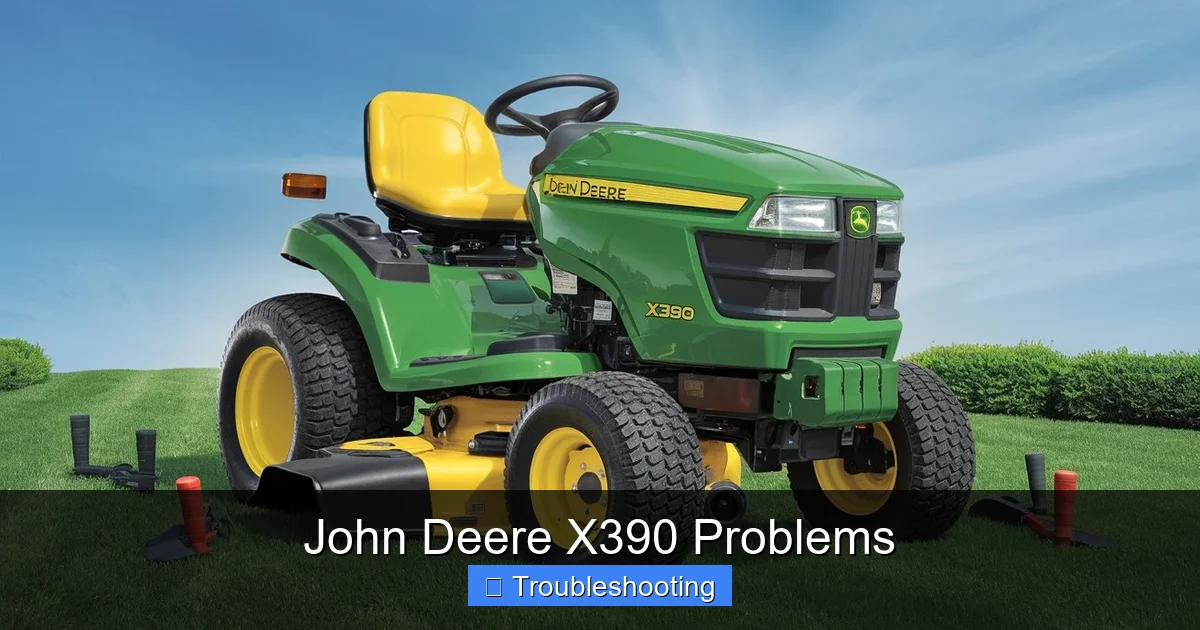
Visual guide about John Deere X390 Problems
Image source: motorcurious.com
Remember, every machine has quirks—but with care and attention, your X390 can serve you faithfully for years. Whether you’re mowing lawns, moving snow, or tending a small garden, a well-maintained X390 is a dependable partner in getting the job done.
Frequently Asked Questions
Why is my John Deere X390 not starting?
Common reasons include a dead battery, faulty ignition switch, or starter motor issues. Check the battery connections first, then test the battery voltage. If it’s weak, recharge or replace it. If the battery is fine, inspect the ignition switch and starter solenoid.
How do I fix jerky movement in my X390?
Jerky movement is often due to low transmission fluid, a clogged filter, or internal transmission wear. Check the fluid level and condition. If it’s dirty or low, drain and refill with the correct fluid. Replace the filter if necessary. Persistent issues may require professional diagnosis.
What should I do if my X390 overheats?
First, turn off the engine and let it cool. Check the coolant level and radiator for blockages. Clean the radiator fins and ensure the fan is working. If the problem persists, inspect the water pump and thermostat for failure.
Can I replace the transmission on my X390 myself?
Transmission replacement is complex and typically requires specialized tools and knowledge. It’s recommended to have a certified technician perform this repair to avoid further damage. DIY attempts can lead to costly mistakes.
Why is my X390 battery draining quickly?
Frequent battery drain can result from a failing alternator, parasitic drain, or a weak battery. Test the alternator output and check for components drawing power when the engine is off. Clean battery terminals and ensure connections are tight.
How often should I service my John Deere X390?
Follow the manufacturer’s schedule: change oil every 100 hours, replace the air filter annually, and inspect hydraulic and transmission fluids regularly. Always refer to your owner’s manual for model-specific recommendations.
