


John Deere X360 lawn tractors are reliable but not immune to issues. From engine troubles to transmission problems, knowing the most common John Deere X360 problems can save you time and money. This guide walks you through real-world fixes and maintenance tips to keep your mower in top shape.
Key Takeaways
- Engine won’t start: Often caused by faulty starters, bad spark plugs, or fuel issues—check the battery, fuel system, and ignition components.
- Transmission slipping: Usually due to low hydraulic fluid or worn drive belts—inspect fluid levels and belt tension regularly.
- Lawn uneven mowing: Can result from worn blades, uneven terrain, or a misaligned deck—balance blades and level the deck for consistent cuts.
- Excessive vibration: Typically from loose parts, unbalanced blades, or worn bushings—tighten components and replace damaged parts.
- Overheating engine: Often due to dirty air filters, clogged cooling fins, or low coolant—clean or replace filters and ensure proper airflow.
- Steering issues: Frequent in models with hydrostatic transmissions—check fluid levels and inspect for leaks or worn steering components.
- Electrical faults: Common with faulty wiring or bad fuses—inspect connections and use a multimeter to test circuits.
📑 Table of Contents
- Introduction: Why the John Deere X360 Stands Out—and What Can Go Wrong
- Engine Won’t Start: Common Causes and Fixes
- Transmission Slipping: When the Drive Loses Power
- Uneven Mowing and Deck Problems
- Vibration and Noise Issues
- Overheating: Protecting Your Engine
- Steering and Control Problems
- Electrical and Fuse Issues
- Preventive Maintenance: Avoiding Common Problems
- Conclusion: Keeping Your X360 Running Strong
Introduction: Why the John Deere X360 Stands Out—and What Can Go Wrong
The John Deere X360 is a popular mid-sized lawn tractor designed for homeowners who want power, comfort, and versatility in one machine. With its 24-horsepower engine, hydrostatic transmission, and wide range of attachments, it’s a favorite among those maintaining medium to large lawns. But like any mechanical device, it’s not immune to problems. Over the years, owners have reported a range of John Deere X360 problems, from engine stalling to transmission slipping. Understanding these issues can save you from costly repairs and keep your mower running like new.
While John Deere is known for building durable equipment, even their best models can develop issues—especially if maintenance is neglected or the machine is used in harsh conditions. The good news? Most John Deere X360 problems are fixable with the right knowledge and tools. This article dives deep into the most common issues, explains their causes, and offers practical solutions. Whether you’re troubleshooting a no-start or dealing with uneven mowing, you’ll find actionable advice to get back on track.
Engine Won’t Start: Common Causes and Fixes
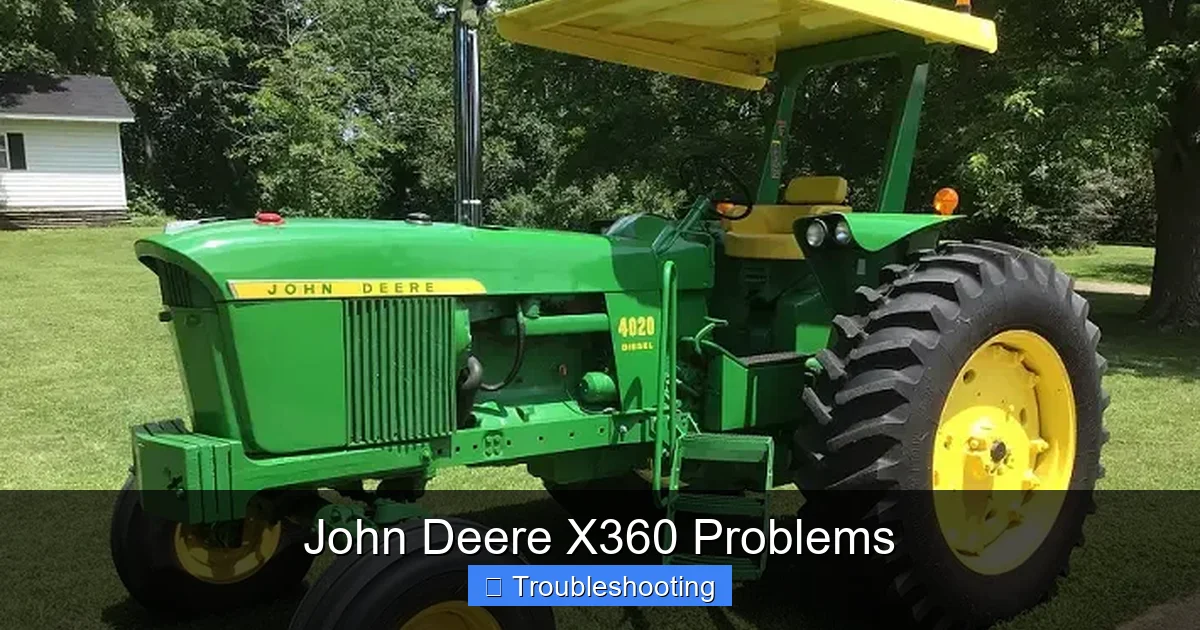
One of the most frustrating John Deere X360 problems is when the engine refuses to turn over. Before assuming it’s a major mechanical failure, start with the basics. A dead battery is often the culprit. The X360 uses a 12-volt lead-acid battery, and if it’s old or not charged, the starter won’t engage. Check the battery terminals for corrosion—clean them with a wire brush and baking soda solution if needed. Also, test the battery with a multimeter; a reading below 12.4 volts indicates a weak or dead battery.
Visual guide about John Deere X360 Problems
Image source: consort-design.com
Fuel System Issues
Old or contaminated fuel can prevent the engine from starting. Gasoline in lawn tractors can degrade after a few months, especially in humid climates. If your X360 sits unused for weeks, consider draining the fuel tank and replacing it with fresh gas. Also, inspect the fuel filter and fuel lines for clogs or cracks. A clogged filter restricts fuel flow, while cracked lines can allow air into the system, causing hard starts or no start at all.
Ignition and Starter Problems
Faulty spark plugs are another common cause. Remove the spark plug, check for carbon buildup or damage, and replace it if necessary. Use a spark tester to confirm the plug is firing. If there’s no spark, the issue could be the ignition coil, safety switch, or starter solenoid. The safety switches—especially the seat switch and blade engagement switch—can prevent the engine from starting if they’re malfunctioning. Test each switch with a multimeter to ensure continuity.
Air Filter and Carburetor Concerns
A dirty air filter restricts airflow, leading to a rich fuel mixture and poor combustion. Replace the air filter every 25 hours of use or as needed. If the carburetor is clogged—common in older models—it may need cleaning or rebuilding. Use carburetor cleaner to spray through the vents and jets. For severe clogs, consider professional rebuilding, as carburetors are delicate and require precision.
Transmission Slipping: When the Drive Loses Power
Transmission slipping is a serious John Deere X360 problem that can leave you stranded mid-mow. The X360 uses a hydrostatic transmission, which relies on hydraulic fluid to transfer power smoothly. If the fluid level is low, the transmission won’t engage properly, causing the wheels to spin freely even when the pedal is pressed.
Visual guide about John Deere X360 Problems
Image source: yardguides.com
Checking Hydraulic Fluid
Locate the hydraulic dipstick (usually near the engine) and check the fluid level. It should be between the “Low” and “High” marks. If it’s low, top it off with John Deere Hy-Gard hydraulic fluid. Avoid overfilling, as excess pressure can damage seals. After refilling, run the engine for a few minutes and recheck the level—fluid expands when warm.
Belt Tension and Wear
While hydrostatic transmissions don’t use drive belts like manual systems, the X360 does have a belt-driven deck and some pulley systems. A loose or worn belt can slip under load, reducing cutting performance. Inspect the deck belt for fraying or cracks. Replace it if damaged. Also, check the tensioner pulley to ensure it’s not loose.
Internal Transmission Failure
In rare cases, internal wear or contamination can cause slipping. If the fluid smells burnt or has metal particles, the transmission may need servicing. This requires removing the transmission pan and inspecting the pump and valves. While DIYers can attempt this, it’s complex and best left to professionals unless you’re experienced with hydraulic systems.
Uneven Mowing and Deck Problems
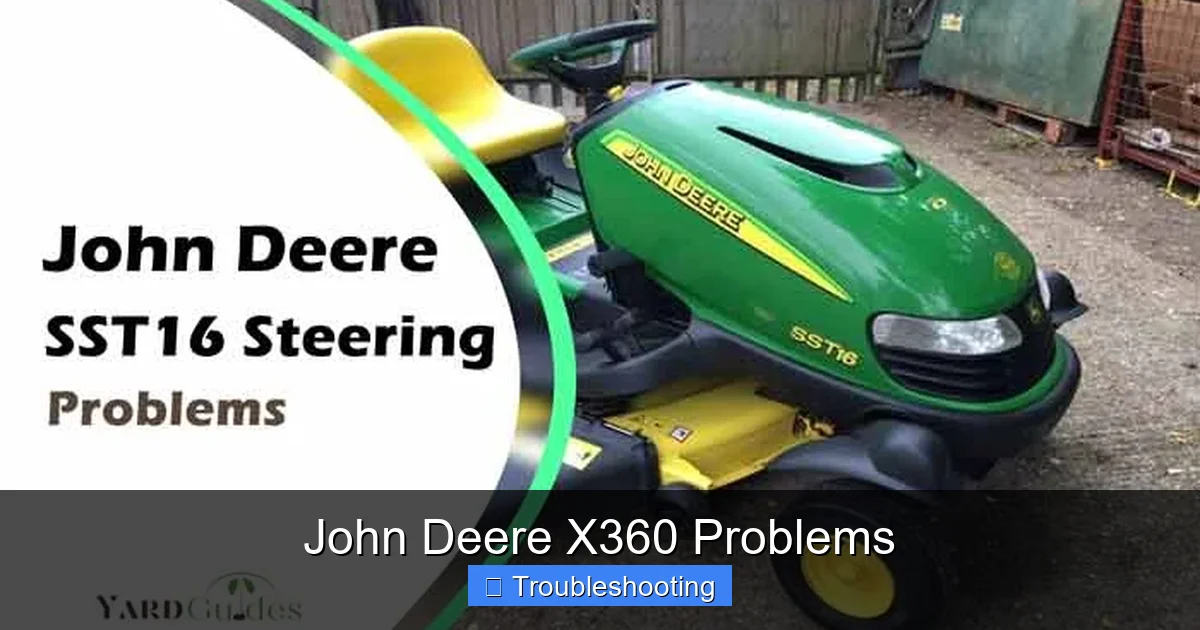
An uneven cut is not just annoying—it’s a sign of underlying issues with your mower deck. The John Deere X360 uses a 42-inch side-discharge deck, which can develop problems over time. One of the most common John Deere X360 problems is inconsistent cutting height, often due to a misaligned deck.
Visual guide about John Deere X360 Problems
Image source: yardguides.com
Deck Leveling
To level the deck, park the tractor on a flat surface and lower the deck to its lowest setting. Measure the distance between the deck and the ground at each corner using a ruler. Adjust the deck lift pedals so all four corners are at the same height. Use the deck leveling bolts (usually on the left and right sides) to fine-tune the position. Tighten all bolts securely after adjustment.
Blade Wear and Balance
Worn or unbalanced blades create uneven cuts. Inspect blades for nicks, rust, or excessive wear. Replace them if they’re dull or damaged. To balance blades, hang them on a blade balancer or use a string. If one side dips, file it down slightly until balanced. Unbalanced blades cause vibration and uneven mowing.
Debris Buildup
Grass clippings and dirt can clog the underside of the deck, raising the cutting height. Clean the deck regularly—every 5-10 hours of use. Use a scraper or pressure washer (on low setting) to remove buildup. Pay attention to the spindles and undercarriage.
Vibration and Noise Issues
Excessive vibration is a red flag that something is loose or worn. The X360 is relatively smooth, but if you feel shaking while driving or hear unusual noises, investigate immediately. Common causes include loose belts, unbalanced blades, or worn bushings.
Inspecting Belts and Pulleys
Check the deck belt and drive belt for wear or looseness. A loose belt will squeal or slip, while a worn belt may snap. Replace belts as needed. Also, inspect pulleys for cracks or misalignment. Wobbly pulleys cause vibration and premature belt failure.
Worn Bushings and Bearings
Over time, bushings in the deck and steering components can wear out, leading to play and vibration. Remove the deck and inspect the spindle bushings for wear. Replace them if they’re loose or cracked. Bearings in the spindle assemblies should spin freely without grinding. Replace any noisy or stiff bearings.
Engine Mounts
Loose engine mounts can cause the whole tractor to shake. Inspect the rubber mounts under the engine. If they’re cracked or broken, replace them. Tighten all mounting bolts to the manufacturer’s torque specifications.
Overheating: Protecting Your Engine
Engine overheating is a serious John Deere X360 problem that can lead to permanent damage if ignored. The X360 has an air-cooled engine, so proper airflow is essential. Overheating often occurs during long mowing sessions or in hot weather.
Cleaning Cooling Fins
Dirt, grass clippings, and debris can clog the engine’s cooling fins, reducing airflow. Remove the blower housing and clean the fins with a brush or compressed air. Be gentle to avoid bending the fins. Also, check the air intake screen for blockages.
Air Filter Maintenance
A clogged air filter restricts airflow to the engine, increasing operating temperature. Replace the air filter every 25 hours or annually. Use a high-quality filter designed for the X360.
Oil and Coolant Levels
While the X360 doesn’t use coolant, it does require proper oil levels. Check the oil level before each use and change it every 50 hours. Use SAE 30 or 10W-30 oil. Low oil causes increased friction and heat.
Steering and Control Problems
Steering issues are common in hydrostatic transmission tractors like the X360. The steering system uses a hydrostatic pump and control valve. If the tractor pulls to one side or the steering feels loose, it’s likely a fluid or mechanical issue.
Steering Wheel Play
Excessive play in the steering wheel indicates worn components. Inspect the steering gear and tie rods for looseness. Tighten or replace as needed. Also, check the steering pump for leaks or low fluid.
Pedal Resistance
If the forward/reverse pedals feel stiff or unresponsive, it could be due to low hydraulic fluid or air in the system. Bleed the steering system by moving the pedals fully in both directions several times. Top off the fluid and check for leaks.
Electrical and Fuse Issues
Electrical problems can range from a dead battery to a faulty light switch. The X360 has a 12-volt electrical system with multiple fuses protecting circuits.
Fuse Replacement
Locate the fuse box (usually under the seat or near the battery). Check the owner’s manual for the fuse layout. Replace any blown fuses with the same amperage. Never use a higher-rated fuse—it can cause a fire.
Wiring and Connections
Loose or corroded connections are a common cause of electrical failure. Inspect all wiring harnesses, especially near moving parts like the steering column. Clean corroded terminals with a wire brush and apply dielectric grease to prevent future corrosion.
Alternator and Charging System
If the battery keeps dying, the alternator may not be charging properly. Test the alternator output with a multimeter. It should read between 13.5 and 14.5 volts when the engine is running. If it’s lower, the alternator or voltage regulator may need replacement.
Preventive Maintenance: Avoiding Common Problems
The best way to avoid John Deere X360 problems is through consistent maintenance. The X360 is built to last, but it needs care to perform at its best.
Regular Oil Changes
Change the engine oil every 50 hours. Use high-quality oil and a new oil filter. Neglecting oil changes leads to sludge buildup and engine wear.
Blade Sharpening
Sharpen or replace blades every season. Dull blades tear grass, leading to brown tips and disease.
Filter Replacements
Replace the air filter, fuel filter, and oil filter as recommended. Use genuine John Deere parts when possible.
Hydraulic Fluid Checks
Check hydraulic fluid monthly and top off as needed. Use only Hy-Gard fluid.
Storage Care
Store the X360 in a dry place. Add fuel stabilizer if storing for more than 30 days. Run the engine for 5 minutes to circulate treated fuel.
Conclusion: Keeping Your X360 Running Strong
The John Deere X360 is a reliable and capable lawn tractor, but it’s not without its challenges. From engine stalling to transmission slipping, many John Deere X360 problems are preventable with proper care. By understanding common issues and performing routine maintenance, you can extend the life of your mower and avoid costly repairs.
Always refer to the owner’s manual for specific maintenance schedules and torque specifications. When in doubt, consult a certified John Deere dealer or experienced mechanic. With the right knowledge and tools, you can keep your X360 mowing smoothly for years to come.
Frequently Asked Questions
Why won’t my John Deere X360 start?
Common causes include a dead battery, old fuel, faulty spark plugs, or a clogged air filter. Check the battery voltage, inspect the spark plug, and ensure the fuel is fresh. Also, verify that safety switches are functioning.
How do I fix transmission slipping on my X360?
First, check the hydraulic fluid level and top it off with Hy-Gard fluid if low. Inspect for leaks and ensure the transmission isn’t overheating. If slipping persists, the internal pump or valves may need service.
Why is my John Deere X360 vibrating excessively?
Vibration is often caused by loose belts, unbalanced blades, or worn bushings. Inspect and tighten all components, balance the blades, and replace any damaged parts.
How often should I change the oil in my X360?
Change the engine oil every 50 hours of use or at least once a year. Use SAE 30 or 10W-30 oil and replace the oil filter each time.
Can I use regular gasoline in my John Deere X360?
Yes, but use only fresh, unleaded gasoline with an octane rating of 87 or higher. Avoid ethanol blends over 10% and add a fuel stabilizer if storing the mower.
Where is the fuse box located on the John Deere X360?
The fuse box is usually under the seat or near the battery. Refer to the owner’s manual for the exact location and fuse layout.
