


The John Deere 2520 is a reliable workhorse, but like any machine, it has its quirks. Many owners face engine stalling, transmission issues, or electrical glitches. This guide walks you through the most common John Deere 2520 problems, why they happen, and how to fix them fast. Whether you’re a seasoned farmer or a weekend mechanic, you’ll find practical advice to keep your tractor in top shape and your work on schedule.
Key Takeaways
- Engine Stalling: A frequent issue caused by fuel filters, air leaks, or faulty sensors—often fixable with routine maintenance.
- Transmission Slipping: Usually due to low fluid, worn clutch, or internal wear—check levels and inspect seals first.
- Electrical Failures: Flickering lights, dead batteries, or starter issues often stem from corroded connections or failing alternators.
- Hydraulic Problems: Slow response or leaks may indicate worn hoses, low fluid, or a failing pump—inspect regularly.
- Overheating: Caused by coolant leaks, clogged radiators, or thermostat failure—keep the cooling system clean and topped off.
- PTO Malfunctions: If the power take-off won’t engage, check wiring, fuses, or the PTO clutch switch.
- Preventive Care: Regular oil changes, filter replacements, and belt inspections reduce John Deere 2520 problems by up to 70%.
📑 Table of Contents
- Introduction: The Reliable John Deere 2520 – And Its Hidden Challenges
- Common John Deere 2520 Problems: Engine-Related Issues
- Transmission and Clutch Issues
- Electrical System Troubles
- Hydraulic System Problems
- PTO and Attachment Issues
- Preventive Maintenance: Your Best Defense
- Conclusion: Keep Your John Deere 2520 Running Strong
Introduction: The Reliable John Deere 2520 – And Its Hidden Challenges
The John Deere 2520 is a classic 25-horsepower compact utility tractor that’s been a favorite among farmers, landscapers, and DIYers since the early 2000s. Known for its durability, simple design, and ease of maintenance, it’s a go-to machine for mowing, hauling, and light farming tasks. But even the most reliable tractors aren’t immune to wear and tear—or the occasional hiccup when you least expect it.
Over the years, John Deere 2520 problems have popped up in online forums, repair shops, and owner manuals. While many issues are minor and fixable with a bit of know-how, others can sneak up on you if you’re not paying attention. From engine stalling during a field session to a stubborn transmission that won’t shift, these problems can derail your day—and your budget.
That’s why this guide exists. Whether you’re troubleshooting a flickering headlight, dealing with a PTO that won’t engage, or just trying to keep your JD 2520 running like new, we’ve got you covered. Think of this article as your friendly, no-nonsense companion—like a mechanic who speaks your language and doesn’t use jargon just to sound smart.
Common John Deere 2520 Problems: Engine-Related Issues
Engine Stalling and Hard Starts
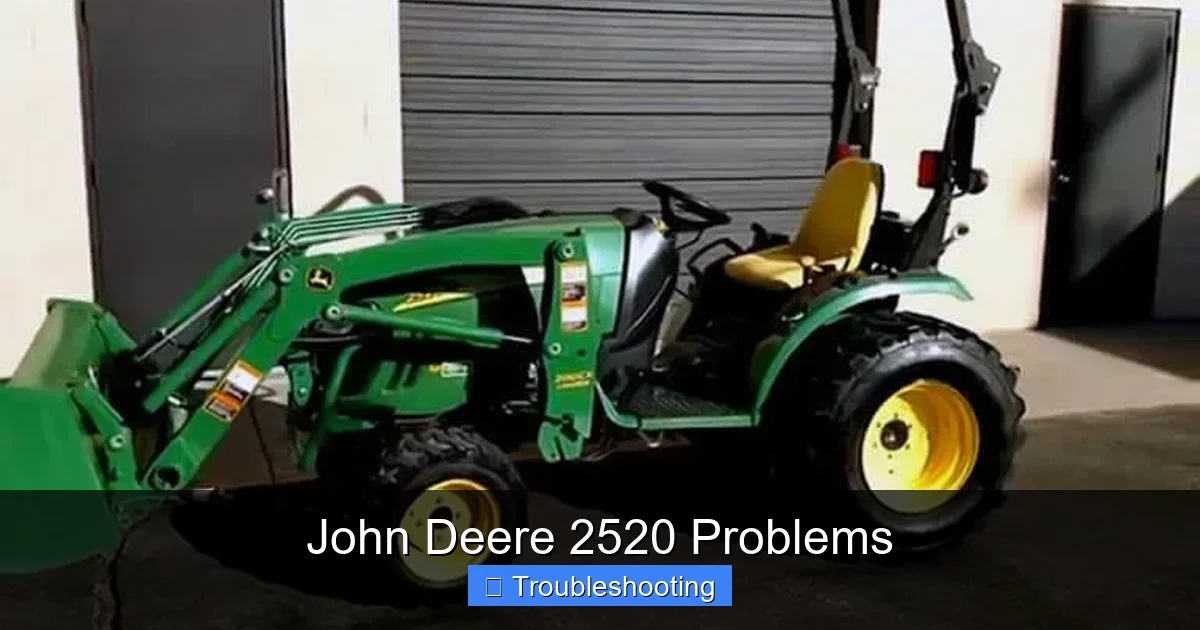
One of the most frustrating John Deere 2520 problems is the engine stalling—especially during operation or when trying to restart. This often happens because the fuel delivery system isn’t getting clean, consistent fuel. The culprit? A clogged fuel filter, air leaks in the fuel lines, or a dirty carburetor.
Visual guide about John Deere 2520 Problems
Image source: helloportable.com
For example, if you’ve been using low-quality diesel or haven’t changed the fuel filter in over a year, soot and debris can build up, restricting fuel flow. You might notice the engine sputtering, losing power, or refusing to start altogether. A simple fix? Swap the fuel filter and inspect the fuel lines for cracks or loose connections. Also, check the air intake—if the air filter is clogged with dust, it can cause a lean fuel mixture, leading to hard starts.
Pro tip: Always use high-quality diesel and add a fuel stabilizer if you’re storing the tractor for more than a few weeks. It’s a small step that can save you a lot of headaches down the road.
Overheating Under Load
Another engine-related issue is overheating—particularly when the tractor is under heavy use, like tilling tough soil or pulling a heavy load. The John Deere 2520 has a compact cooling system, so it’s sensitive to blockages or low coolant levels.
Common causes include a clogged radiator, a failing water pump, or a stuck-open thermostat. If you notice steam, a sweet smell, or the temperature gauge climbing into the red, pull over immediately. Continuing to run a hot engine can warp the cylinder head or crack the engine block—expensive repairs.
Start by checking the coolant level and ensuring the radiator isn’t blocked by grass clippings or dirt. Flush the cooling system every 2–3 years and replace the thermostat if it’s more than 5 years old. Also, inspect the fan belt—if it’s loose or glazed, it won’t spin fast enough to cool the engine.
Oil Leaks and Low Oil Pressure
Oil leaks around the valve cover, oil pan, or rear main seal are not uncommon in the JD 2520. These leaks can lead to low oil levels, which in turn cause low oil pressure and potential engine damage.
If you see oil pooling under the tractor or notice a burning smell, check the oil level first. Low oil is a red flag. But even if the level looks fine, worn gaskets or seals can allow oil to seep out over time. Replacing gaskets is doable with basic tools, but it’s a messy job—best done in a clean, well-lit space.
Also, keep an eye on your oil pressure gauge. If it drops below normal, shut off the engine immediately. A quick oil change with the right grade (check your manual—usually 15W-40) and a new oil filter can often resolve the issue.
Transmission and Clutch Issues
Slipping or Rough Shifting
The John Deere 2520 uses a hydrostatic transmission, which means it shifts smoothly without a clutch pedal—but that doesn’t mean it’s immune to problems. One of the most reported issues is transmission slipping or rough shifting, especially when going uphill or under load.
Visual guide about John Deere 2520 Problems
Image source: motorcurious.com
This often happens because the transmission fluid is low, dirty, or contaminated. Over time, fluid breaks down and picks up metal shavings from internal wear. If left unchecked, it can damage the pump or seals.
Start by checking the fluid level and condition. It should be clean and amber-colored. If it’s dark, smells burnt, or has debris, drain and refill it. Use the fluid specified in your owner’s manual—usually John Deere Hy-Gard or equivalent. Also, inspect the drive belt for wear or glazing. A loose or worn belt can slip, causing poor power transfer.
Another cause? A worn clutch assembly (if your model has a manual clutch). Listen for grinding noises when shifting, or notice the tractor lurching instead of moving smoothly. Replacing the clutch is more involved but doable with the right tools.
No Forward or Reverse Movement
If your John Deere 2520 won’t move forward or in reverse, even with the engine running, the problem could be mechanical or electrical. Start with the basics: Is the PTO engaged? Is the transmission fluid full? Is the brake pedal stuck?
Next, check the hydrostatic transmission control linkage. If it’s loose or disconnected, the tractor won’t respond to throttle input. Also, inspect the drive belt—if it’s broken or severely worn, power won’t reach the wheels.
In some cases, the issue is electrical. The transmission control module or a faulty sensor can prevent movement. If the dashboard lights are flickering or error codes appear, a diagnostic scan tool can help pinpoint the problem.
Electrical System Troubles
Dead Battery and Slow Cranking
The John Deere 2520 relies on a 12-volt battery to start and power accessories. A dead battery is one of the most common electrical issues—and often the easiest to fix.
Visual guide about John Deere 2520 Problems
Image source: thebrightesthub.com
Start by checking the battery terminals. Corrosion or loose connections are a frequent cause of poor starting. Clean the terminals with a wire brush and baking soda solution, then tighten the clamps. If the battery is more than 3–4 years old, it might just be dying—time for a replacement.
Also, test the charging system. If the alternator isn’t charging, the battery won’t stay topped up. A multimeter can help you check voltage at the battery with the engine running (should be 13.5–14.5 volts). If it’s lower, the alternator may need servicing or replacement.
Flickering Lights and Dimming Gauges
Flickering headlights or dimming instrument gauges are signs of an unstable electrical system. This can be caused by a failing alternator, a loose ground wire, or a corroded connection somewhere in the harness.
Start by inspecting the main ground wire—usually connected to the engine block or frame. A loose or dirty ground can cause all sorts of electrical gremlins. Also, check the alternator belt—if it’s loose, the alternator won’t spin fast enough to charge properly.
If the lights flicker only when the PTO is engaged, the issue might be a failing PTO clutch or a short in the wiring. In that case, trace the wiring and test the clutch switch with a multimeter.
Starter Motor Won’t Engage
If you turn the key and hear a clicking sound but the engine doesn’t crank, the starter motor or solenoid might be faulty. But first, rule out the battery—weak voltage won’t provide enough power to turn the starter.
Next, check the solenoid. A bad solenoid won’t send power to the starter motor, even if the switch is working. You can test this by jumping the solenoid terminals with a screwdriver (with the key off)—if the starter spins, the solenoid is likely bad.
Also, inspect the starter motor itself. If it’s worn or seized, it won’t turn the flywheel. Rebuilding or replacing the starter is a job for a mechanic, but it’s a common repair for the JD 2520.
Hydraulic System Problems
Slow or Weak Hydraulic Response
The John Deere 2520 uses hydraulics to operate the loader, mower lift, and other attachments. If the response is slow or weak, it’s often due to low hydraulic fluid, air in the lines, or a failing pump.
Start by checking the fluid level in the reservoir. It should be between the min and max marks. If it’s low, top it up with the correct fluid (usually ISO 46 or equivalent). Also, inspect the hoses and seals for leaks—hydraulic fluid is expensive and messy if it leaks.
If the fluid is full and clean but the response is still weak, the issue might be a worn hydraulic pump. You’ll notice it most when lifting heavy loads or using the loader. In that case, a rebuild or replacement is needed.
Hydraulic Leaks
Leaks around the cylinder, hoses, or fittings are common in older tractors. They’re often caused by worn O-rings, cracked hoses, or loose connections.
Regularly inspect the hydraulic lines, especially after heavy use. A small drip can turn into a big puddle—and a safety hazard. Tighten fittings and replace damaged hoses as needed. Also, avoid over-tightening—it can crush the hose and cause leaks.
PTO and Attachment Issues
PTO Won’t Engage
The Power Take-Off (PTO) allows you to power implements like mowers and tillers. If it won’t engage, the issue could be electrical, mechanical, or due to a safety switch.
First, check the PTO switch and fuses. A blown fuse or faulty switch can prevent engagement. Also, inspect the clutch—if it’s worn, it won’t transmit power. Listen for a clicking sound when you engage the PTO; if you hear nothing, the clutch might be bad.
Safety switches are another common culprit. The seat switch, neutral safety switch, or PTO guard switch might be tripped. Reset or bypass (carefully) to test—but don’t ignore the safety features!
Mower Deck Won’t Spin
If you’re using a mower deck attachment and the blades won’t spin, the issue is likely in the PTO system. Start by checking the belt—if it’s loose, broken, or slipped off the pulley, the blades won’t turn.
Also, inspect the mower deck clutch. If it’s worn or seized, it won’t engage. You can test it by jumping the clutch terminals with a screwdriver (with the key off)—if the blades spin, the clutch is likely bad.
Preventive Maintenance: Your Best Defense
The best way to avoid John Deere 2520 problems is through consistent preventive maintenance. Think of it like regular oil changes for your car—it’s not glamorous, but it saves you money and downtime.
Follow the Maintenance Schedule
Refer to your owner’s manual for the recommended service intervals. Most JD 2520 owners should change the oil and filter every 200 hours or annually. Replace the air filter every 100 hours, and the fuel filter every 500 hours.
Keep It Clean
Dirt, grass, and debris can clog radiators, block vents, and hide leaks. After each use, take 10 minutes to clean the tractor. Remove grass clippings from the engine, radiator, and around the battery. It’s a small effort that pays big dividends.
Use Quality Parts
When replacing filters, belts, or hoses, don’t skimp on quality. Cheap aftermarket parts may save a few dollars now but fail faster. Stick with OEM or reputable brands.
Store It Properly
If you’re not using the tractor for several months, store it in a dry place, change the oil, and add fuel stabilizer. Disconnect the battery to prevent drain. These steps can prevent corrosion and dry rot in hoses.
Conclusion: Keep Your John Deere 2520 Running Strong
The John Deere 2520 is a dependable machine, but it’s not invincible. From engine stalling to transmission slipping, John Deere 2520 problems can pop up when you least expect them. The good news? Most issues are fixable with a bit of knowledge and the right tools.
By staying on top of maintenance, using quality parts, and addressing small issues before they grow, you can keep your tractor running smoothly for years. And when you do run into trouble, remember: you’re not alone. Online forums, repair manuals, and local dealers are all great resources.
So the next time your John Deere 2520 acts up—whether it’s a flickering light or a stubborn clutch—don’t panic. Grab your manual, check the basics, and tackle the problem step by step. With a little patience and care, your tractor will be back in action, ready to get the job done.
Frequently Asked Questions
Why does my John Deere 2520 keep stalling?
Stalling is often caused by a clogged fuel filter, air leak in the fuel line, or a dirty carburetor. Check the fuel system and replace the filter. Also, inspect the air intake and clean the carburetor if needed.
How do I fix a slipping transmission on my JD 2520?
Start by checking the transmission fluid level and condition. If it’s low or dirty, drain and refill it. Also, inspect the drive belt for wear. A loose or worn belt can cause slipping.
What causes the headlights to flicker on a John Deere 2520?
Flickering lights are usually due to a loose or corroded battery connection, a failing alternator, or a bad ground wire. Clean the terminals and test the charging system with a multimeter.
Why won’t my John Deere 2520 start?
Common causes include a dead battery, faulty starter, or bad ignition switch. Check the battery voltage, clean the terminals, and test the starter solenoid. If it clicks but doesn’t crank, the starter may be bad.
How often should I change the oil in my John Deere 2520?
It’s recommended to change the oil and filter every 200 operating hours or once a year, whichever comes first. Use 15W-40 oil and a quality filter for best results.
Can I replace the hydraulic pump on my John Deere 2520 myself?
Rebuilding a hydraulic pump is possible but requires specialized tools and knowledge. If you’re not experienced with hydraulics, it’s best to have a mechanic handle it to avoid further damage.
