


Owning a John Deere 5400 brings power and reliability, but like any machine, it can face issues over time. Common problems include engine stalling, hydraulic leaks, and transmission slippage. With the right knowledge and tools, most of these issues can be diagnosed and resolved quickly. This guide walks you through the most frequent John Deere 5400 problems, helping you maintain peak performance and avoid costly downtime.
Key Takeaways
- Engine Performance Issues: The John Deere 5400 may experience stalling, hard starting, or power loss due to fuel delivery problems, air filters, or faulty sensors.
- Transmission and Drive System: Common transmission issues include slipping, rough shifting, or failure to engage—often linked to low fluid levels or worn clutch components.
- Hydraulic System Failures: Hydraulic leaks, slow implement response, or weak lifting power can stem from worn seals, damaged hoses, or a failing hydraulic pump.
- Electrical and Wiring Problems: Frequent bulb burnouts, dashboard warning lights, or intermittent power loss may indicate corroded connectors or a weak battery.
- Cooling and Overheating: Overheating can result from clogged radiators, faulty thermostats, or low coolant levels—especially during long field operations.
- Tire and Suspension Wear: Uneven tire wear or a bouncy ride may point to worn suspension bushings or improper tire inflation.
- Preventive Maintenance Tips: Regular oil changes, filter replacements, and fluid checks significantly reduce the risk of major John Deere 5400 problems.
📑 Table of Contents
- Introduction: Why the John Deere 5400 Matters
- Engine Performance Issues in the John Deere 5400
- Transmission and Drive System Problems
- Hydraulic System Failures
- Electrical and Wiring Problems
- Cooling and Overheating Issues
- Tire and Suspension Wear
- Preventive Maintenance Tips
- Conclusion: Keep Your John Deere 5400 Running Strong
Introduction: Why the John Deere 5400 Matters
The John Deere 5400 is a trusted workhorse in the world of compact and utility tractors. Known for its durability, versatility, and user-friendly design, it’s a favorite among farmers, landscapers, and small-to-medium-sized operations. Whether you’re plowing fields, mowing pastures, or hauling equipment, this tractor delivers consistent performance when properly maintained.
But even the most reliable machines can run into trouble. Over time, wear and tear, environmental conditions, and improper use can lead to a variety of issues. Understanding the common John Deere 5400 problems—and how to address them—can save you time, money, and frustration. In this article, we’ll walk through the most frequent concerns, explain their causes, and offer practical solutions to keep your tractor running like new.
Engine Performance Issues in the John Deere 5400
One of the most critical systems on any tractor is the engine. When the engine isn’t performing at its best, everything else suffers. The John Deere 5400 is powered by a robust diesel engine, but like all engines, it can develop issues that affect power, fuel efficiency, and reliability.
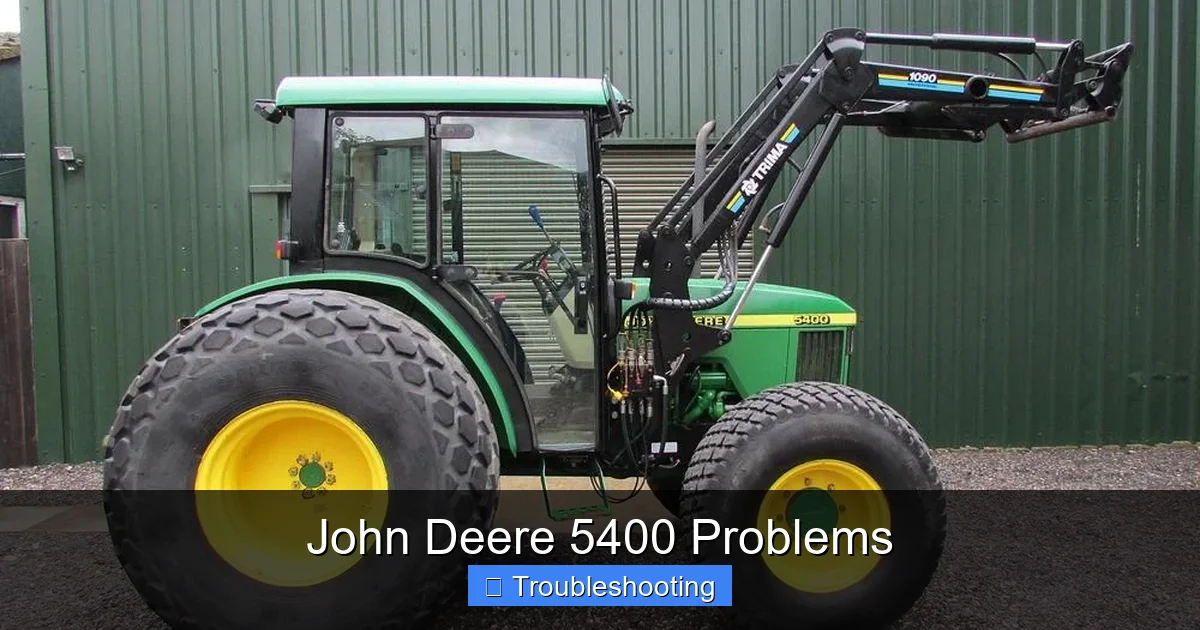
Visual guide about John Deere 5400 Problems
Image source: groundcaretrader.com
Engine Stalling or Shutting Off
Have you ever been in the middle of a job when the engine suddenly dies? This frustrating issue is common in the John Deere 5400 and can be caused by several factors:
- Fuel Delivery Problems: Clogged fuel filters, a dirty fuel injector, or a failing fuel pump can restrict fuel flow, leading to stalling. Always check the fuel filter first—it’s a cheap and easy fix.
- Air Intake Blockage: A clogged air filter prevents proper combustion. Replace the air filter every 100–150 hours of operation, especially in dusty conditions.
- Faulty Sensors: Modern tractors rely on sensors to monitor engine performance. A malfunctioning crankshaft or camshaft position sensor can cause the engine to shut down unexpectedly.
Pro Tip: Keep a logbook to track when stalling occurs. Does it happen under load? At idle? This helps narrow down the cause.
Hard Starting or No Start
Struggling to start your John Deere 5400 in the morning is a red flag. Common causes include:
- Weak Battery: Cold weather reduces battery efficiency. Test the battery voltage—it should read around 12.6 volts when fully charged.
- Glow Plug Failure: The glow plugs preheat the combustion chamber for easier cold starts. If one or more are faulty, starting will become difficult.
- Fuel Quality Issues: Contaminated or old diesel fuel can gel in cold weather or gum up the fuel system.
To prevent hard starts, always use fresh, high-quality fuel and consider adding a fuel stabilizer during winter months.
Loss of Power or Poor Acceleration
If your tractor feels sluggish or struggles to climb hills, it may be losing power. This could be due to:
- Dirty Turbocharger: A clogged or damaged turbocharger reduces airflow, limiting engine output.
- Exhaust Restrictions: A blocked exhaust or faulty EGR valve can back up gases and reduce performance.
- Timing Issues: Incorrect fuel injection timing can lead to inefficient combustion.
Regular maintenance, including oil changes and air filter checks, goes a long way in preserving engine power.
Transmission and Drive System Problems
The transmission is the heart of your tractor’s drivetrain. In the John Deere 5400, the standard configuration is a 12-speed transmission with a 4-speed range box. When this system fails, it affects mobility and productivity.
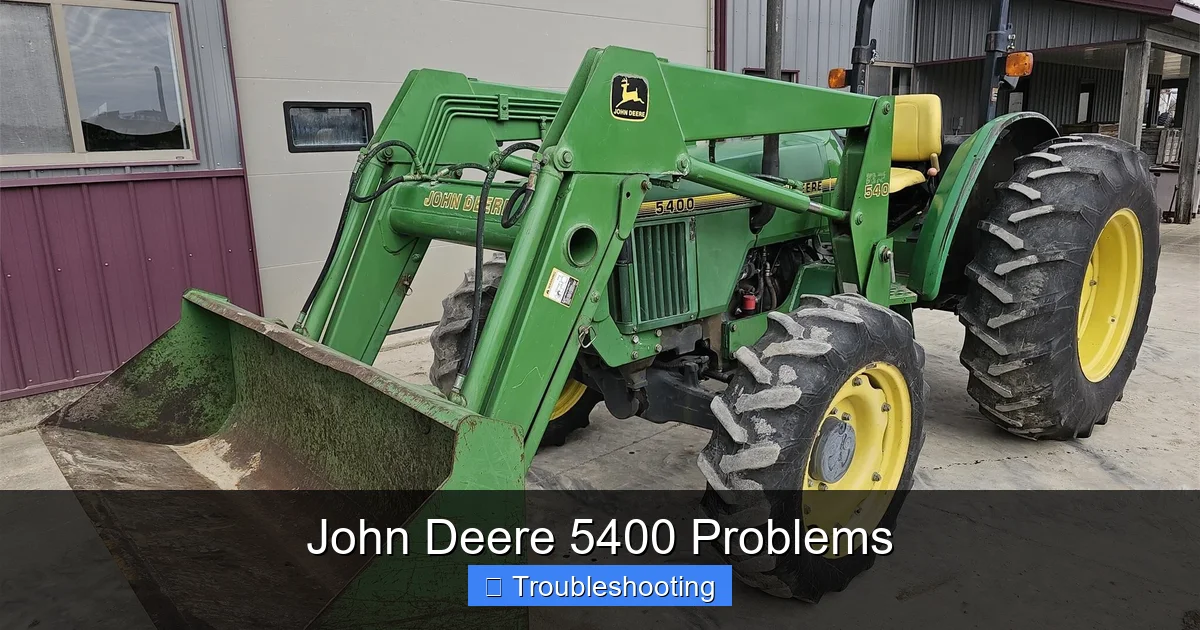
Visual guide about John Deere 5400 Problems
Image source: assets.allmachines.com
Transmission Slippage
Slippage occurs when the transmission fails to transfer power efficiently from the engine to the wheels. Symptoms include:
- The engine revs high, but the tractor doesn’t move faster.
- Burning smell from the transmission.
- Difficulty shifting gears.
Common causes include:
- Low or Dirty Transmission Fluid: Check the fluid level and condition regularly. Fluid should be clear and have a slight amber hue. Dark or gritty fluid indicates contamination.
- Worn Clutch Components: A slipping clutch plate or pressure plate can mimic transmission slippage.
- Misaligned or Damaged Shafts: Bent input or output shafts can disrupt power transfer.
Always use the correct type of transmission fluid—refer to your operator’s manual for specifications.
Difficulty Shifting Gears
If your John Deere 5400 grinds or resists shifting, it could be due to:
- Air in the Hydraulic System: Air bubbles can cause spongy shifting. Bleed the transmission system if you’ve recently replaced fluid or components.
- Worn Synchronizers: In manual transmissions, worn synchronizers make smooth gear changes impossible.
- Linkage or Cable Issues: Misadjusted or frayed shift linkage cables can prevent proper engagement.
Quick Fix: Try shifting slowly and applying gentle pressure. Avoid forceful shifts, which can damage internal components.
Hydraulic System Failures
Hydraulics power everything from the loader to the three-point hitch. A failing hydraulic system can bring your operations to a halt. The John Deere 5400 uses a gear-driven hydraulic pump, which is reliable but not immune to issues.
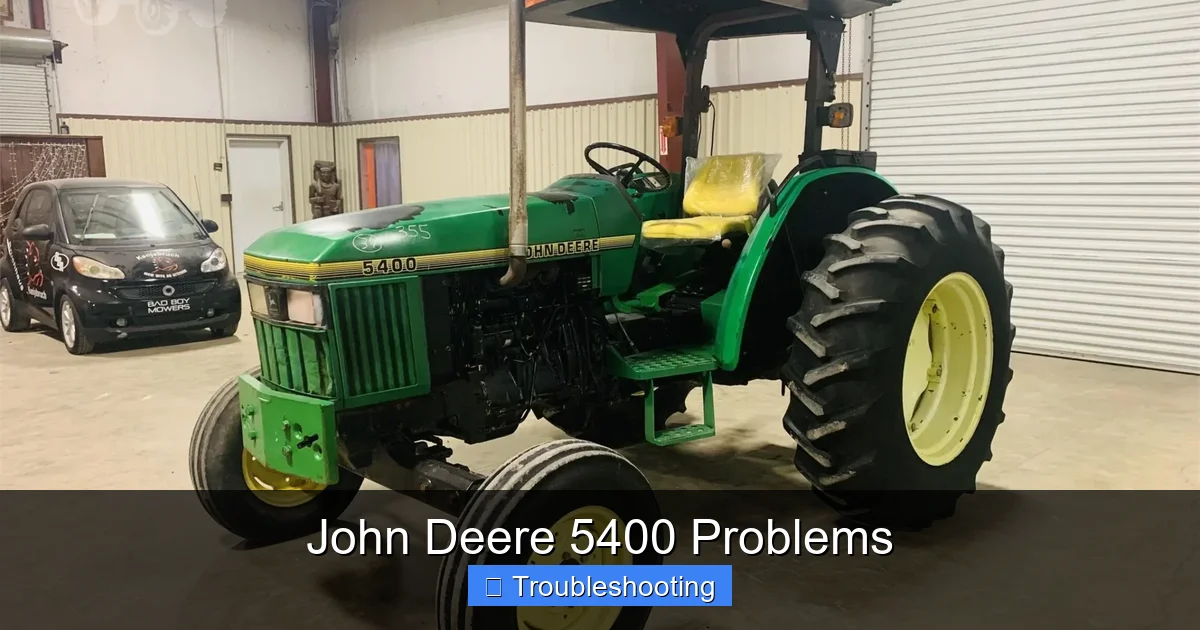
Visual guide about John Deere 5400 Problems
Image source: tractor.info
Hydraulic Leaks
Leaks are the most common hydraulic problem. They can occur in hoses, seals, or the pump itself. Signs include:
- Oil spots under the tractor.
- Oil dripping from joints or fittings.
- Oil on the ground after parking.
To fix leaks:
- Inspect hoses and fittings: Replace cracked or worn hoses immediately.
- Check seals and O-rings: These can dry out or crack over time. Replacing them is often cheaper than replacing the entire component.
- Tighten fittings: Sometimes, leaks are due to loose connections—don’t ignore this simple fix.
Always use the correct hydraulic oil—usually 10W-30 or 15W-40—and keep the reservoir clean.
Slow or Weak Hydraulic Response
If your loader or lift arm moves slowly or struggles to raise heavy loads, the issue may be:
- Low Fluid Level: Check the reservoir and top up if needed.
- Air in the System: Bleed the hydraulics to remove air pockets.
- Worn Pump: A failing pump can’t generate enough pressure. Listen for whining or grinding noises—a sign of pump wear.
Proper maintenance, including regular fluid changes and filter replacements, can extend the life of your hydraulic system.
Electrical and Wiring Problems
Modern tractors like the John Deere 5400 rely heavily on electrical systems for lighting, gauges, and engine management. Electrical issues can be tricky because they’re often intermittent and hard to diagnose.
Frequent Bulb Burnouts
If your headlights or taillights burn out quickly, it’s not just bad luck. Possible causes include:
- Overvoltage: A faulty voltage regulator can send too much power to the bulbs, burning them out.
- Poor Grounding: Corroded or loose ground connections increase resistance, causing bulbs to fail.
- Wrong Bulb Type: Using bulbs with higher wattage than recommended can overheat the circuit.
Check the voltage at the battery with a multimeter. It should read between 13.5 and 14.5 volts when the engine is running.
Dashboard Warning Lights
Warning lights like the check engine light or oil pressure light are your tractor’s way of speaking. Ignoring them can lead to bigger problems. Common causes include:
- Sensor Malfunctions: A faulty oil pressure sensor can trigger a false warning.
- Low Fluids: Check oil, coolant, and hydraulic fluid levels.
- Electrical Connections: Loose or corroded wiring can send incorrect signals to the dashboard.
Use a diagnostic scanner if available to read error codes. Many John Deere 5400 models support OBD-II-style diagnostics.
Cooling and Overheating Issues
Overheating can quickly damage an engine. The John Deere 5400 uses a liquid-cooled system with a radiator, water pump, and thermostat. When this system fails, the engine temperature rises dangerously.
Overheating During Operation
If your tractor’s temperature gauge climbs into the red, especially during long jobs or hot weather, check:
- Radiator Blockage: Dirt, grass, or debris can clog the radiator fins. Clean it regularly with compressed air or a brush.
- Low Coolant Level: Inspect the coolant reservoir and radiator. Top up with a 50/50 mix of antifreeze and water.
- Faulty Thermostat: A stuck thermostat can prevent coolant from circulating.
- Water Pump Failure: Listen for whining noises—this could indicate a failing pump.
Emergency Fix: If you notice overheating, shut off the engine and let it cool. Never open the radiator cap while hot—steam can cause severe burns.
Coolant Leaks
Leaks can come from hoses, the radiator, or the water pump. Inspect under the tractor after use. If you see puddles of green, orange, or pink fluid, you have a leak.
Common leak points include:
- Radiator seams
- Hose clamps
- Heater core (if equipped)
Replace damaged hoses and tighten clamps. If the radiator is cracked, it may need professional repair or replacement.
Tire and Suspension Wear
While not as common as mechanical issues, tire and suspension problems can affect handling and comfort. The John Deere 5400 typically comes with standard tires, but wear patterns can reveal deeper issues.
Uneven Tire Wear
Cupping, feathering, or bald spots on tires suggest alignment or suspension problems. Check:
- Tire Pressure: Underinflated or overinflated tires wear unevenly. Use a gauge to verify pressure matches the manual’s recommendation.
- Suspension Bushings: Worn bushings can cause the front end to sag or bounce.
- Wheel Alignment: Misaligned wheels lead to premature wear.
Rotate tires every 50–100 hours to promote even wear.
Excessive Bounce or Instability
If your tractor feels bouncy or wobbly, especially on rough terrain, the suspension may be worn. Inspect:
- Shock Absorbers: Leaking or broken shocks reduce stability.
- Leaf Springs: Cracked or sagging springs affect ride quality.
Replace worn suspension components to restore smooth operation.
Preventive Maintenance Tips
The best way to avoid John Deere 5400 problems is through consistent maintenance. Here’s a simple checklist:
- Oil and Filter Changes: Every 100 hours or annually.
- Air Filter Replacement: Every 100–150 hours.
- Hydraulic Fluid Changes: Annually or every 200 hours.
- Transmission Fluid Check: Monthly.
- Coolant Flush: Every 2–3 years.
- Battery Inspection: Clean terminals and check voltage twice a year.
- Belts and Hoses: Inspect for cracks or wear every 50 hours.
Keep a maintenance log and stick to the schedule in your operator’s manual. It’s the best investment you can make in your tractor’s longevity.
Conclusion: Keep Your John Deere 5400 Running Strong
The John Deere 5400 is a dependable tractor built to last, but it’s not invincible. From engine stalling to hydraulic leaks, common problems can arise—but most are preventable with knowledge and care. By understanding the signs of trouble and addressing them early, you can avoid costly repairs and keep your tractor working hard for years.
Regular maintenance, timely inspections, and a proactive mindset are your best tools. Whether you’re a seasoned operator or new to farming, this guide equips you to handle the most frequent John Deere 5400 problems with confidence. Remember: a well-maintained tractor is a reliable one. Stay on top of issues, and your John Deere 5400 will reward you with years of dependable service.
Frequently Asked Questions
What causes the John Deere 5400 to stall unexpectedly?
The most common causes are clogged fuel filters, air intake blockages, or faulty sensors. Check the fuel system first, then inspect the air filter and electrical connections.
How do I fix transmission slippage in my John Deere 5400?
Start by checking the transmission fluid level and condition. Low or dirty fluid is often the culprit. Replace the fluid and filter if necessary.
Why is my John Deere 5400 overheating?
Overheating is usually due to a clogged radiator, low coolant, or a faulty thermostat. Clean the radiator and check coolant levels immediately.
Can a weak battery cause starting issues?
Yes, a weak or dying battery can make starting difficult, especially in cold weather. Test the battery voltage and clean the terminals.
How often should I change the hydraulic fluid?
It’s recommended to change hydraulic fluid annually or every 200 hours of operation to prevent contamination and wear.
What should I do if my John Deere 5400 has a hydraulic leak?
Identify the source of the leak—often a hose, seal, or fitting. Replace damaged components and use the correct hydraulic oil to prevent future leaks.
