


The John Deere 2305 is a reliable compact utility tractor, but like any machine, it can develop problems over time. Common issues include engine stalling, transmission leaks, electrical gremlins, and hydraulic failures. With proper maintenance and timely repairs, most of these problems are fixable and won’t keep you off the field for long.
The John Deere 2305 is a compact utility tractor that has earned a solid reputation among homeowners, small farmers, and landscapers since its introduction in the late 1990s. Known for its versatility, durability, and ease of use, the 2305 is often the go-to machine for light to medium-duty tasks like mowing, hauling, tilling, and general property maintenance. Its 25 horsepower engine, 4-wheel drive option, and rear PTO make it a favorite for those who need a reliable workhorse without the complexity of a full-sized tractor.
But even the best machines have their quirks. Over time, the John Deere 2305 can develop a range of problems—some minor, others more serious—that can affect performance, reliability, and overall value. Whether you’re a long-time owner or considering purchasing a used 2305, understanding the common issues is the first step toward keeping your tractor in top shape. In this guide, we’ll walk you through the most frequent John Deere 2305 problems, explain their causes, and offer practical solutions to get your tractor back on track.
Key Takeaways
- Engine Stalling and Hard Starting: Often caused by dirty fuel filters, clogged injectors, or faulty sensors. Regular fuel system maintenance is key.
- Transmission and Hydraulic Leaks: Common in older models due to worn seals or damaged hoses. Inspect regularly and replace parts promptly.
- Electrical System Malfunctions: Dim lights, dead batteries, or dashboard errors usually point to alternator, battery, or wiring issues.
- Poor Hydraulic Performance: Slow lift arms or weak PTO may indicate low fluid levels, air in the system, or pump wear.
- Steering and Steering Box Issues: Stiff steering or leaks from the steering box suggest internal wear or damaged seals.
- Overheating and Cooling Problems: Blocked radiators, low coolant, or fan clutch failure can lead to engine overheating.
- Regular Maintenance Prevents Most Problems: Scheduled oil changes, filter replacements, and fluid checks go a long way in avoiding breakdowns.
📑 Table of Contents
Common Engine Problems in the John Deere 2305
One of the most frequent complaints among 2305 owners is engine performance issues. These can range from hard starting and stalling to reduced power and poor acceleration. While some of these symptoms may seem minor, they can quickly escalate if ignored. Let’s break down the most common engine-related problems and how to address them.
Hard Starting and Engine Stalling
If your John Deere 2305 struggles to start, especially in cold weather, the culprit is often the fuel system. The 2305 uses a diesel engine, and diesel fuel can gel or degrade over time, especially if it’s old or contaminated. A clogged fuel filter is one of the most common causes of hard starting. When the filter is dirty, it restricts fuel flow to the injectors, making it difficult for the engine to get the fuel it needs.
Another frequent issue is clogged fuel injectors. Over time, soot and impurities in the fuel can build up in the injectors, reducing spray patterns and causing incomplete combustion. This leads to misfires, rough idling, and even stalling.
To fix hard starting, start with a thorough fuel system inspection. Replace the primary and secondary fuel filters every 250 hours of operation or annually, whichever comes first. Use only high-quality diesel fuel and consider adding a fuel stabilizer if the tractor sits unused for long periods. For injector problems, a professional cleaning or replacement may be necessary.
Loss of Power and Poor Performance
A noticeable drop in engine power can be frustrating, especially when you’re trying to get work done. One of the first things to check is the air filter. A dirty or clogged air filter restricts airflow to the engine, reducing combustion efficiency and power output. Replace the air filter every 250 hours or as needed, especially if you’re operating in dusty conditions.
Another common cause of power loss is a faulty turbocharger (if equipped). Turbo issues can lead to reduced boost pressure, which directly impacts engine performance. Look for signs like black smoke from the exhaust, unusual noises, or a whistling sound from the intake system.
Finally, ensure the engine is properly tuned. Worn spark plugs (if applicable), incorrect fuel timing, or dirty sensors can all contribute to poor performance. Regular maintenance, including oil changes and spark plug replacements, helps maintain optimal engine health.
Engine Overheating
Overheating is a serious issue that can lead to engine damage if not addressed quickly. The John Deere 2305 is equipped with a liquid cooling system, and several factors can cause it to overheat. One of the most common is a blocked radiator. Dirt, debris, and bugs can accumulate on the radiator fins, reducing airflow and cooling efficiency.
Low coolant levels are another frequent cause. Check the coolant reservoir regularly and top it off with a 50/50 mix of antifreeze and distilled water. Also, inspect the radiator hoses for cracks or leaks. A failing water pump or thermostat can also cause overheating by not circulating coolant properly.
If your tractor starts running hot, shut it down immediately and let it cool. Never open the radiator cap while the engine is hot—steam and boiling coolant can cause serious burns. Once cool, inspect the cooling system and address any blockages or leaks.
Transmission and Hydraulic System Issues

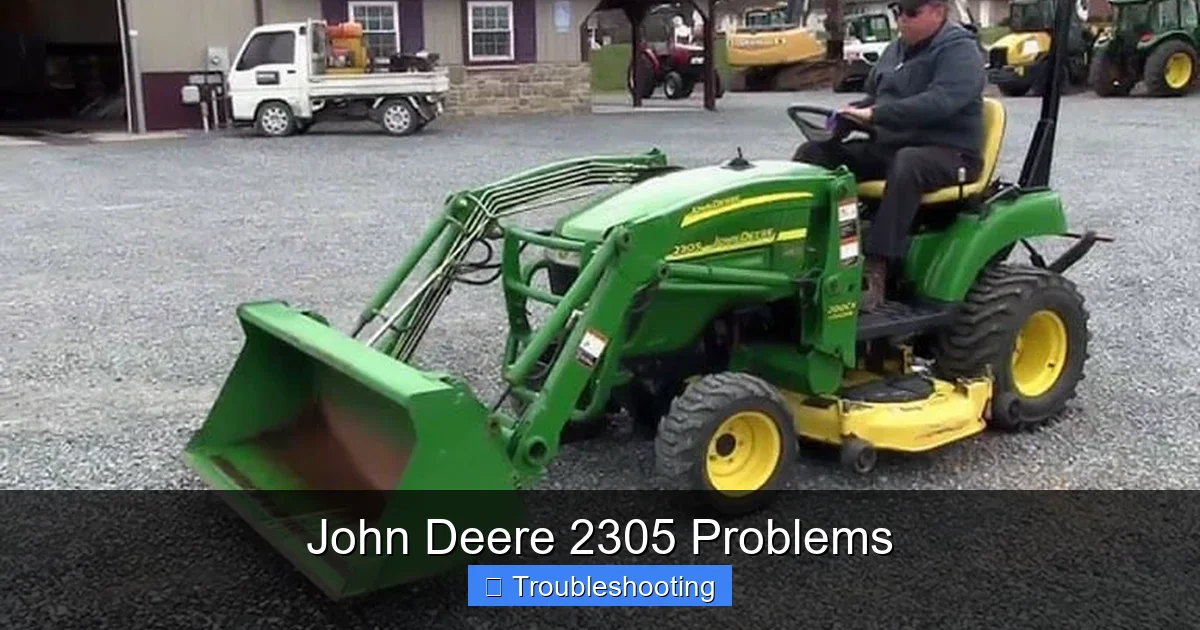
Visual guide about John Deere 2305 Problems
Image source: farmsunseed.com
The transmission and hydraulic systems in the John Deere 2305 are critical for smooth operation, especially when lifting implements or using attachments. Over time, wear and tear can lead to leaks, sluggish response, and even complete failure. Let’s explore the most common problems in these systems.
Transmission Leaks
Transmission leaks are one of the most frustrating issues for 2305 owners. These leaks often occur around the main transmission housing, the PTO shaft seal, or the differential. Over time, seals and gaskets can dry out, crack, or become damaged due to heat and pressure.
Leaks are usually identified by dark, oily spots under the tractor or a noticeable drop in fluid levels. If left unchecked, low transmission fluid can lead to gear damage and costly repairs.
To fix transmission leaks, first locate the source. Common areas include the rear seal, filler tube O-ring, and breather cap. Replace any damaged seals or gaskets using OEM parts. It’s also a good idea to flush the transmission and refill it with fresh fluid to remove any contaminants that may have entered the system.
Poor Hydraulic Performance
The 2305 uses a hydraulic system to power the 3-point hitch, front loader, and other attachments. If your lift arms are slow or unresponsive, the issue is likely related to the hydraulic system. One common cause is air in the hydraulic lines. Air bubbles can form if the system has been opened or if there’s a leak, reducing efficiency and causing jerky movements.
Low hydraulic fluid is another frequent problem. Check the fluid level in the reservoir regularly and top it off with the recommended fluid (usually SAE 10W or as specified in the manual). Also, inspect the hydraulic lines and hoses for cracks or leaks.
If the system still feels sluggish, the hydraulic pump may be worn. Signs of pump failure include whining noises, slow response, and difficulty lifting heavy loads. In such cases, a professional rebuild or replacement may be necessary.
Slipping PTO or Gear Engagement
If your tractor’s PTO (Power Take-Off) feels loose or the gears grind when shifting, it could be due to worn clutch plates or low transmission fluid. The PTO clutch is responsible for engaging power to the rear PTO shaft, and over time, the friction material can wear down.
To diagnose, check the transmission fluid level and condition. Low or dirty fluid can cause poor gear engagement and slipping. Replace the fluid and filter if necessary. If the problem persists, inspect the PTO clutch for wear. Replacing the clutch assembly is a more involved repair but can restore smooth operation.
Electrical System Malfunctions
Visual guide about John Deere 2305 Problems
Image source: thebrightesthub.com
The electrical system in the John Deere 2305 powers everything from the lights and ignition to the dashboard gauges and sensors. While modern electrical systems are reliable, they can develop issues over time. Let’s look at the most common electrical problems and how to fix them.
Dead Battery and Hard Starting
A dead battery is one of the most common electrical issues. Batteries can lose charge due to age, extreme temperatures, or parasitic drain. If your tractor won’t start or the lights are dim, the first step is to test the battery voltage. A fully charged battery should read around 12.6 volts when the engine is off.
If the battery is weak, try jump-starting the tractor. If it starts but dies quickly, the alternator may not be charging the battery properly. Test the alternator output with a multimeter—it should produce between 13.5 and 14.5 volts when the engine is running.
Dim or Flickering Lights
Dim or flickering headlights, taillights, or dashboard lights are often caused by a failing alternator or loose wiring. The alternator generates power to run the lights and charge the battery. If it’s not working properly, lights may flicker or stay dim.
Check the alternator belt for tightness and wear. A loose belt can slip and reduce charging efficiency. Also, inspect all wiring connections for corrosion or looseness. Clean terminals and tighten connections as needed.
Dashboard Errors and Gauges Not Working
If your dashboard displays error codes or gauges are unresponsive, the issue may be with the instrument cluster or a faulty sensor. The 2305 uses a simple dashboard with fuel, temperature, and RPM gauges. If one or more gauges aren’t working, start by checking the fuse box.
Locate the fuse panel (usually under the dash) and inspect the fuses related to the gauges. Replace any blown fuses with the correct amperage. If fuses are fine, the problem may be a bad sensor or wiring harness.
Steering and Steering Box Problems

Visual guide about John Deere 2305 Problems
Image source: thebrightesthub.com
Steering issues can make operating the tractor unsafe and frustrating. The John Deere 2305 uses a recirculating ball steering system, which is durable but can develop problems over time.
Stiff or Unresponsive Steering
If your steering feels stiff or unresponsive, the issue may be low power steering fluid. Check the fluid level in the reservoir and top it off if needed. Also, inspect the steering box for leaks. A worn internal seal can cause fluid loss and poor steering performance.
Steering Box Leaks
Steering box leaks are common in older 2305 models. These leaks usually occur at the input shaft or output shaft seals. Over time, these seals can dry out and crack, allowing fluid to escape.
To fix a steering box leak, drain the fluid, remove the steering box, and replace the seals. This is a labor-intensive job, but it’s essential for safe operation.
Worn Steering Components
Worn tie rods, ball joints, or kingpins can also cause steering problems. Inspect these components regularly and replace them if there’s play or damage. Proper alignment and lubrication help extend their lifespan.
Cooling System and Radiator Issues
The cooling system is vital for preventing engine overheating. The John Deere 2305 uses a radiator, water pump, thermostat, and cooling fan to regulate engine temperature. Let’s look at common cooling problems.
Blocked Radiator
A blocked radiator is one of the most common causes of overheating. Dirt, leaves, and bugs can clog the radiator fins, reducing airflow. Clean the radiator regularly, especially after working in dusty or wooded areas.
Faulty Thermostat
The thermostat controls coolant flow based on engine temperature. If it sticks open or closed, it can cause overheating or poor heating. Replace the thermostat every 3,000 hours or as recommended.
Water Pump Failure
A failing water pump can lead to poor coolant circulation. Look for signs like coolant leaks around the pump or a whining noise. Replace the pump if necessary.
Preventive Maintenance Tips
The best way to avoid John Deere 2305 problems is through regular maintenance. Here are some key practices to keep your tractor running smoothly:
- Change the engine oil and filter every 100 hours.
- Replace fuel and air filters regularly.
- Check and top off all fluid levels (hydraulic, transmission, coolant, power steering).
- Inspect belts and hoses for wear or cracks.
- Lubricate all grease fittings as recommended.
- Keep the radiator clean and free of debris.
- Store the tractor in a dry, covered area when not in use.
By staying on top of maintenance, you can prevent many common issues and extend the life of your tractor.
Conclusion
The John Deere 2305 is a capable and dependable tractor, but it’s not immune to problems. From engine stalling and transmission leaks to electrical gremlins and steering issues, understanding these common problems is key to keeping your tractor in top condition. With proper maintenance and timely repairs, most issues can be resolved without major expense.
Remember, prevention is always better than cure. Regular oil changes, filter replacements, and fluid checks go a long way in avoiding breakdowns. When problems do arise, don’t hesitate to consult your owner’s manual or seek professional help. With the right care, your John Deere 2305 will continue to be a reliable partner in your daily tasks for years to come.
Frequently Asked Questions
What is the most common problem with the John Deere 2305?
The most common issue is transmission leaks, often caused by worn seals or gaskets. These leaks can lead to fluid loss and costly repairs if not addressed promptly.
Why does my John Deere 2305 keep stalling?
Stalling is usually due to a clogged fuel filter, dirty fuel injectors, or electrical issues. Start by replacing the fuel filters and checking the battery and alternator.
How do I fix a hard-starting John Deere 2305?
Begin by replacing the fuel and air filters. Also, check the battery voltage and alternator output. Cold weather can exacerbate starting issues, so use a block heater if possible.
Can I fix steering box leaks myself?
Yes, but it’s a complex job. You’ll need to drain the fluid, remove the steering box, and replace the seals. Consider professional help if you’re not experienced with tractor repairs.
Why are my John Deere 2305 headlights dim?
Dim lights are often caused by a failing alternator, loose wiring, or a weak battery. Test the alternator output and check all connections for tightness and corrosion.
How often should I change the oil in my John Deere 2305?
Change the engine oil and filter every 100 hours of operation or once per year, whichever comes first. Use high-quality oil that meets the manufacturer’s specifications.
