


Zero turn hydrostatic transmission problems can leave your mower stuck or underperforming. These issues often stem from low fluid levels, worn seals, or clogged filters. Understanding the root causes and knowing how to address them quickly can save you time and money.
Key Takeaways
- Common Causes: Low fluid levels, worn seals, and clogged filters are frequent culprits behind zero turn hydrostatic transmission problems.
- Regular Maintenance: Routine checks and maintenance can prevent many issues before they start.
- Diagnosis Tips: Listening for unusual noises and observing performance changes can help identify problems early.
- Fluid Quality: Using high-quality transmission fluid is crucial for optimal performance and longevity.
- Professional Help: Knowing when to call a professional can save you from costly mistakes.
- DIY Solutions: Many problems can be fixed with simple DIY techniques, but safety should always come first.
📑 Table of Contents
Introduction to Zero Turn Hydrostatic Transmission Problems
Have you ever been in the middle of mowing your lawn, enjoying the smooth, effortless turns of your zero turn hydrostatic mower, only to suddenly find it jerking, stalling, or refusing to move forward? If so, you’re not alone. Zero turn hydrostatic transmission problems can be frustrating and disruptive, especially when you’re trying to get your yard work done efficiently. But fear not! Understanding the common issues and knowing how to troubleshoot them can make a world of difference.
Zero turn mowers are designed for speed and agility, allowing you to mow large areas with minimal effort. The hydrostatic transmission is the heart of this system, providing smooth and variable speed control. However, like any mechanical system, it’s prone to problems that can affect performance. In this comprehensive guide, we’ll dive into the most common zero turn hydrostatic transmission problems, how to diagnose them, and practical solutions to keep your mower running like new.
Common Zero Turn Hydrostatic Transmission Problems
Low Fluid Levels
One of the most frequent causes of zero turn hydrostatic transmission problems is low fluid levels. The hydrostatic transmission relies on a specific amount of fluid to operate smoothly. When the fluid level drops below the recommended range, it can lead to poor performance, overheating, and even damage to the transmission.

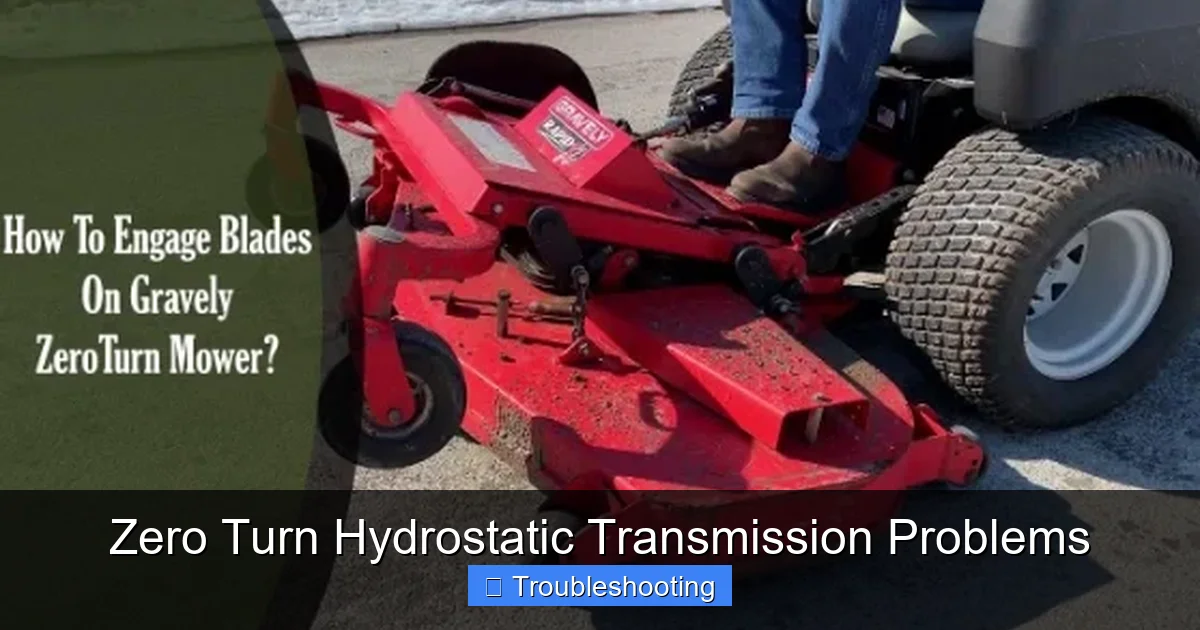
Visual guide about Zero Turn Hydrostatic Transmission Problems
Image source: lawnask.com
To check the fluid level, locate the dipstick or sight glass on your mower. Ensure the mower is on a level surface and the engine is off. Remove the dipstick, wipe it clean, reinsert it, and then remove it again to check the fluid level. If it’s below the minimum mark, top it up with the manufacturer-recommended fluid. Be sure to use the correct type of fluid, as using the wrong one can cause significant damage.
Clogged Filters
Just like your car’s engine, your zero turn mower’s transmission has filters that help keep the fluid clean. Over time, these filters can become clogged with dirt, debris, and sludge, restricting fluid flow and causing performance issues. A clogged filter can lead to increased pressure in the system, which may cause leaks or damage to seals and other components.
To address this issue, locate the transmission filter and remove it. Inspect it for signs of dirt or damage. If it’s clogged, replace it with a new one. It’s also a good idea to replace the filter during routine maintenance to prevent future problems. Always refer to your mower’s manual for the correct filter type and replacement interval.
Worn Seals and Gaskets
Seals and gaskets are critical components that prevent fluid from leaking out of the transmission. Over time, these parts can wear out or become damaged, leading to leaks and reduced performance. Common signs of worn seals include fluid leaks around the transmission, a decrease in fluid level, and poor mower performance.
If you suspect a seal or gasket issue, inspect the transmission area for visible leaks. Look for wet spots or puddles of fluid around the transmission housing. If you find a leak, it’s essential to replace the damaged seal or gasket as soon as possible. This may require disassembling parts of the transmission, so it’s best to consult your mower’s manual or seek professional help if you’re not comfortable doing it yourself.
Overheating
Overheating is another common issue with zero turn hydrostatic transmissions. When the transmission gets too hot, it can cause the fluid to break down, leading to reduced performance and potential damage. Overheating can be caused by several factors, including low fluid levels, a clogged filter, or excessive load on the mower.
To prevent overheating, ensure the mower is operating within its recommended load capacity. Avoid mowing wet or heavy grass, as this can put extra strain on the transmission. Regularly check the fluid level and replace the filter as needed. If you notice the mower running hotter than usual, allow it to cool down before continuing to use it.
Incorrect Fluid Type
Using the wrong type of transmission fluid can cause a range of problems, from reduced performance to permanent damage. Always use the fluid recommended by the mower manufacturer. Using a generic or incompatible fluid can lead to poor lubrication, increased wear, and even transmission failure.
To ensure you’re using the correct fluid, check your mower’s manual or consult the manufacturer’s website. If you’re unsure, it’s better to err on the side of caution and use the recommended fluid. This will help maintain optimal performance and extend the life of your transmission.
Electrical Issues
While not as common as mechanical problems, electrical issues can also affect zero turn hydrostatic transmissions. Problems with the control cables, solenoid, or other electrical components can prevent the transmission from engaging or cause erratic behavior. Common signs of electrical issues include the mower not responding to control inputs or making unusual noises.
If you suspect an electrical problem, start by checking the control cables for damage or loose connections. Inspect the solenoid and other electrical components for signs of wear or corrosion. If you’re not comfortable diagnosing electrical issues, it’s best to consult a professional technician.
Diagnosing Zero Turn Hydrostatic Transmission Problems
Visual Inspection
A visual inspection is often the first step in diagnosing zero turn hydrostatic transmission problems. Start by checking for visible signs of leaks, damage, or wear. Look for wet spots or puddles of fluid around the transmission housing, and inspect seals and gaskets for signs of deterioration.
Visual guide about Zero Turn Hydrostatic Transmission Problems
Image source: lawnask.com
Next, check the fluid level and condition. Low fluid levels or dirty fluid can indicate a problem. If the fluid appears dark or has a burnt smell, it may need to be replaced. Always refer to your mower’s manual for the correct fluid type and replacement interval.
Listening for Unusual Noises
Unusual noises can be a telltale sign of transmission problems. Listen for grinding, whining, or clunking sounds when operating the mower. These noises may indicate worn gears, damaged bearings, or other internal issues. If you hear any unusual sounds, it’s important to address them promptly to prevent further damage.
Pay attention to the type of noise and when it occurs. For example, a grinding noise when turning may indicate a problem with the hydrostatic pump, while a whining sound during acceleration could point to an issue with the motor or pump.
Performance Observations
Observing the mower’s performance can also help diagnose transmission problems. Note any changes in speed, responsiveness, or smoothness of operation. If the mower is jerking or stalling, it could indicate a fluid or filter issue. If the mower is slow to respond to control inputs, it may be due to worn seals or a clogged filter.
Keep a log of any performance issues and when they occur. This can help you identify patterns and pinpoint the root cause of the problem. Regularly reviewing your mower’s performance can also help you catch issues early, before they become more serious.
Practical Solutions and Tips
Regular Maintenance Schedule
One of the best ways to prevent zero turn hydrostatic transmission problems is to follow a regular maintenance schedule. This includes checking the fluid level, replacing the filter, and inspecting seals and gaskets. Refer to your mower’s manual for the recommended maintenance intervals and procedures.
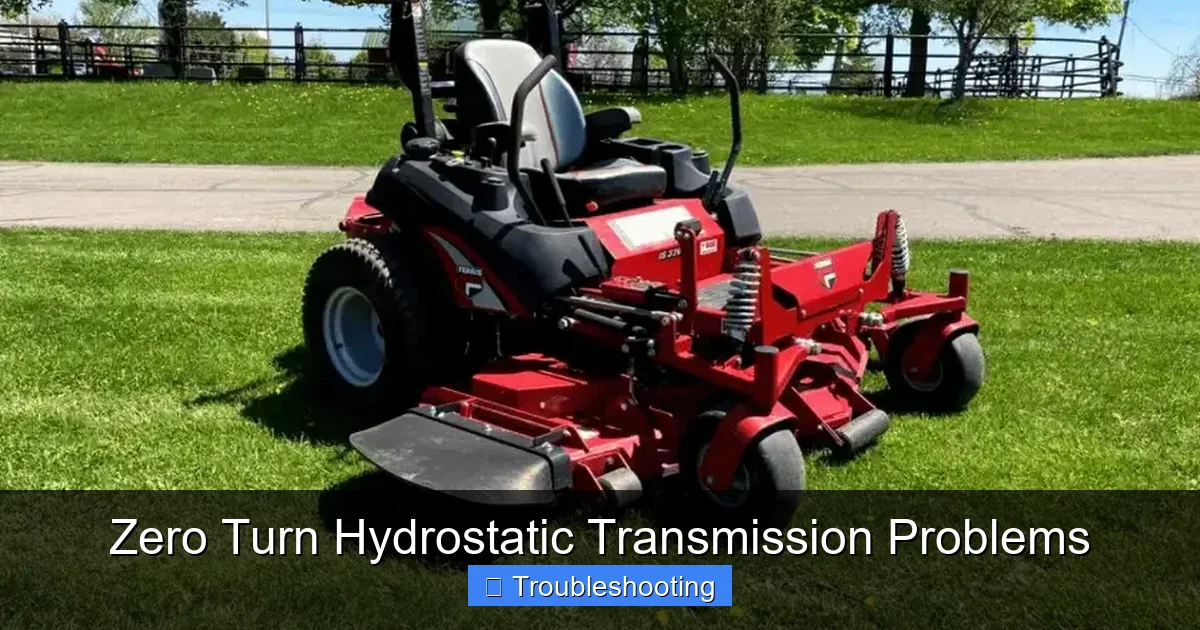
Visual guide about Zero Turn Hydrostatic Transmission Problems
Image source: lawnask.com
Set reminders on your calendar to perform routine maintenance tasks. This will help ensure your mower stays in top condition and reduce the risk of unexpected problems. Regular maintenance can also help you catch issues early, before they become more serious and costly to fix.
Use High-Quality Parts
When replacing parts, always use high-quality components. Cheap or generic parts may save you money in the short term, but they can lead to more frequent breakdowns and higher long-term costs. Investing in quality parts can help extend the life of your transmission and improve overall performance.
Look for parts that are specifically designed for your mower model and made by reputable manufacturers. This will ensure compatibility and reliability. If you’re unsure about which parts to use, consult your mower’s manual or seek advice from a professional technician.
Proper Storage and Care
Proper storage and care can also help prevent transmission problems. Before storing your mower for an extended period, ensure the fluid level is adequate and the filter is clean. If possible, run the mower for a few minutes to circulate the fluid and prevent it from settling.
Store the mower in a dry, sheltered area to protect it from the elements. Cover it with a breathable tarp to prevent dust and debris from accumulating. Regularly inspect the mower during storage to ensure it remains in good condition.
Seek Professional Help
If you’re unable to diagnose or fix a transmission problem, it’s important to seek professional help. A qualified technician can perform a thorough inspection and recommend the best course of action. Attempting to fix complex issues without the proper knowledge and tools can lead to further damage and costly repairs.
When choosing a technician, look for someone with experience working with zero turn mowers and hydrostatic transmissions. Ask for references and check online reviews to ensure you’re getting quality service. A professional technician can also provide valuable advice on maintenance and care to help prevent future problems.
Conclusion
Zero turn hydrostatic transmission problems can be a real headache, but with the right knowledge and tools, you can keep your mower running smoothly. By understanding the common causes of transmission issues, performing regular maintenance, and seeking professional help when needed, you can extend the life of your mower and enjoy a more efficient mowing experience.
Remember, prevention is always better than cure. By staying proactive with maintenance and care, you can avoid many of the common problems that plague zero turn transmissions. And if you do encounter an issue, don’t panic. With the information and tips provided in this guide, you’ll be well-equipped to diagnose and fix most problems on your own.
So the next time your zero turn mower starts acting up, take a deep breath, consult this guide, and get back to enjoying your lawn with confidence. Your mower—and your peace of mind—will thank you.
Frequently Asked Questions
What are the most common causes of zero turn hydrostatic transmission problems?
Low fluid levels, clogged filters, worn seals, overheating, and incorrect fluid type are the most common causes of zero turn hydrostatic transmission problems. These issues can lead to poor performance, leaks, and even damage to the transmission if not addressed promptly.
How can I check the fluid level in my zero turn mower?
To check the fluid level, locate the dipstick or sight glass on your mower. Ensure the mower is on a level surface and the engine is off. Remove the dipstick, wipe it clean, reinsert it, and then remove it again to check the fluid level. If it’s below the minimum mark, top it up with the manufacturer-recommended fluid.
What should I do if my zero turn mower is overheating?
If your mower is overheating, stop using it immediately and allow it to cool down. Check the fluid level and condition, and replace the filter if necessary. Avoid mowing wet or heavy grass, as this can put extra strain on the transmission. Regular maintenance can help prevent overheating.
Can I use any type of transmission fluid in my zero turn mower?
No, you should always use the fluid recommended by the mower manufacturer. Using the wrong type of fluid can cause poor lubrication, increased wear, and even transmission failure. Refer to your mower’s manual for the correct fluid type.
How often should I replace the transmission filter?
The frequency of filter replacement depends on your mower’s usage and manufacturer recommendations. Generally, it’s a good idea to replace the filter during routine maintenance, typically every 50-100 hours of operation or as specified in your mower’s manual.
When should I seek professional help for zero turn transmission problems?
If you’re unable to diagnose or fix a transmission problem, or if the issue seems complex, it’s best to seek professional help. A qualified technician can perform a thorough inspection and recommend the best course of action. Attempting to fix complex issues without the proper knowledge and tools can lead to further damage.
