


The John Deere 3010 is a beloved workhorse, but like any vintage machine, it can face issues over time. From engine stalling to hydraulic leaks, understanding common problems helps you keep your tractor reliable. With the right knowledge and maintenance, you can restore and maintain your 3010 for years of dependable service.
Key Takeaways
- Engine Cranks But Won’t Start: Often caused by fuel system issues, faulty spark plugs, or a weak battery. Check fuel quality, clean the carburetor, and test the ignition system.
- Overheating Issues: Usually due to low coolant, a clogged radiator, or a failing water pump. Inspect hoses and ensure proper coolant levels.
- Transmission Slipping: May result from worn clutch plates or low transmission fluid. Regular fluid changes and clutch adjustments are key.
- Hydraulic System Failures: Common signs include slow lift or fluid leaks. Inspect seals, hoses, and the hydraulic pump regularly.
- Electrical Problems: Flickering lights or dead batteries often stem from loose connections or a failing voltage regulator.
- Steering and Brake Wear: Worn steering knuckles or brake shoes can cause instability. Replace worn parts promptly to maintain safety.
- Routine Maintenance Is Key: Regular oil changes, filter replacements, and greasing points prevent many common issues.
📑 Table of Contents
Introduction: The Legend of the John Deere 3010
The John Deere 3010 isn’t just a tractor—it’s a piece of agricultural history. Introduced in 1960 and produced until 1964, this model became a favorite among farmers and hobbyists alike for its reliability and versatility. With a 301 cubic inch engine and a 3-cylinder design, the 3010 offered impressive power for its time and could handle everything from mowing to hauling.
But even the most durable machines aren’t immune to wear and tear. Over decades of use, the John Deere 3010 has developed a reputation for certain recurring issues. Whether you’re restoring a vintage model or maintaining a working farm tool, knowing what to look for can save you time, money, and frustration. In this article, we’ll walk through the most common John Deere 3010 problems, explain their causes, and offer practical solutions to keep your tractor running smoothly.
Common John Deere 3010 Problems and Solutions
1. Engine Cranks But Won’t Start
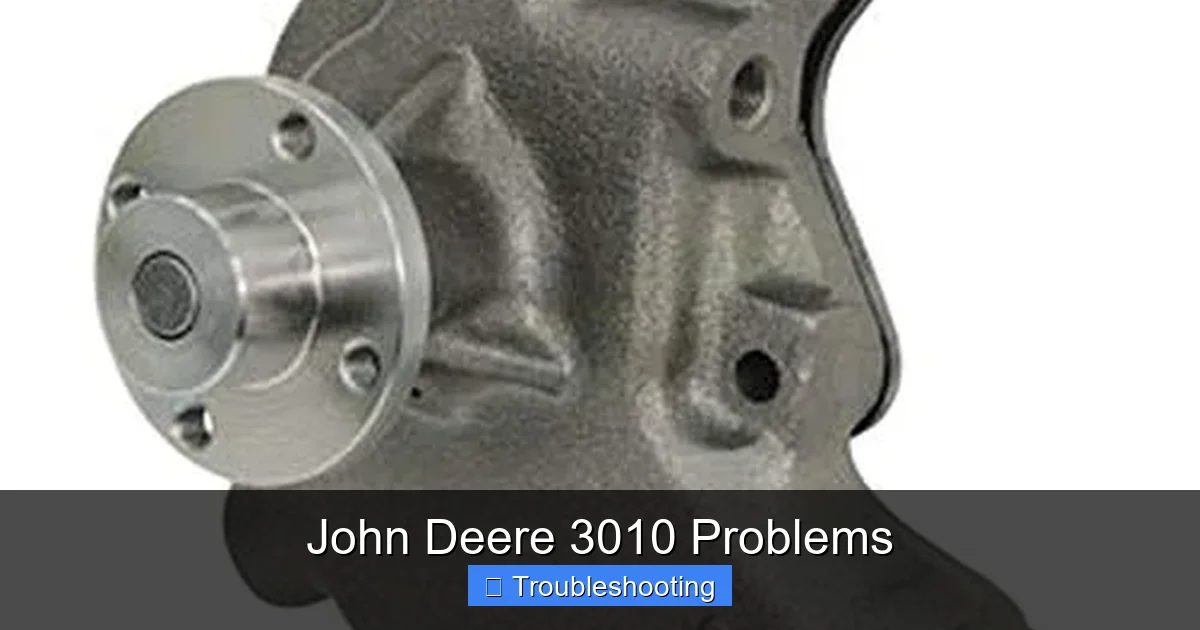
One of the most frustrating John Deere 3010 problems is when the engine turns over but refuses to fire up. This issue often points to fuel or ignition system trouble.
Visual guide about John Deere 3010 Problems
Image source: m.media-amazon.com
Possible Causes:
- Old or contaminated fuel in the tank or lines
- Clogged fuel filter
- Faulty spark plugs or weak ignition coil
- Stuck carburetor float or clogged jets
- Weak or dead battery (especially in cold weather)
How to Fix It:
Start by checking the basics. Ensure the fuel valve is open and the fuel shutoff is in the “on” position. Drain and replace old fuel if more than a year old. Replace the fuel filter—this is a cheap and easy fix that often solves the problem. Next, inspect the spark plugs. Remove them, check for carbon buildup or damage, and replace if necessary. Clean or replace the ignition coil if the spark test shows weak or no spark.
If those steps don’t work, remove the carburetor and clean it thoroughly. Over time, varnish and dirt can clog the tiny jets, preventing fuel flow. Use carburetor cleaner and compressed air to clear all passages. Reassemble carefully and reinstall. Finally, test the battery voltage—if it’s below 12.4 volts, charge or replace it.
Pro Tip: Keep a spare set of spark plugs and a can of carb cleaner on hand for quick roadside fixes.
2. Engine Overheating
Overheating is a serious concern that can lead to engine damage if not addressed. The John Deere 3010 relies on a robust cooling system, but it’s not immune to failure.
Common Causes:
- Low coolant level
- Clogged radiator or debris blocking airflow
- Faulty water pump or impeller
- Stuck thermostat
- Blown head gasket (less common but possible)
How to Fix It:
First, check the coolant reservoir and radiator. Top off with a 50/50 mix of antifreeze and water if low. Inspect the radiator for dirt, leaves, or insect nests blocking airflow—clean it gently with a brush or compressed air.
If the coolant level is fine, run the engine and feel the upper and lower radiator hoses. One should be hot and the other cold when the thermostat opens. If both are the same temperature, the thermostat may be stuck closed. Replace it with a new one—they’re inexpensive and easy to install.
Check the water pump for leaks or unusual noise. A failing impeller won’t circulate coolant properly. Replace the pump if you notice seepage or if the engine still overheats after other fixes.
Pro Tip: Never remove the radiator cap when the engine is hot. Always let it cool first to avoid burns or injury.
3. Transmission Slipping or Hard Shifting
The John Deere 3010 uses a two-speed transmission with a manual clutch. Slipping gears or difficulty shifting are common symptoms of wear or improper maintenance.
Possible Causes:
- Low or degraded transmission fluid
- Worn clutch plates or pressure plate
- Misadjusted clutch pedal linkage
- Damaged gears or synchronizers (in later models)
How to Fix It:
Start by checking the transmission fluid. Locate the dipstick (usually on the side of the transmission) and ensure the fluid is at the correct level. If it’s dark or smells burnt, drain and refill with fresh SAE 30 oil or the recommended fluid type.
If the fluid is fine but shifting is still hard, inspect the clutch. A spongy pedal or one that doesn’t fully disengage suggests air in the hydraulic system or a worn master/slave cylinder. Bleed the system or replace the cylinders if needed.
For mechanical clutch issues, you may need to remove the clutch housing and inspect the plates. If they’re glazed or burned, replace them. Also check the pressure plate for warping or cracks.
Pro Tip: Adjust the clutch pedal free play regularly. Too much or too little can cause poor engagement and premature wear.
4. Hydraulic System Failures
The 3010’s hydraulic lift system powers the three-point hitch and PTO. When it fails, lifting implements becomes difficult or impossible.
Common Issues:
- Slow or weak lift response
- Fluid leaks around hoses or cylinders
- Air in the hydraulic lines
- Worn pump or relief valve
How to Fix It:
First, check the hydraulic fluid level in the reservoir. Low fluid causes poor performance. Top it off with the correct type (usually SAE 30 or 10W-30 hydraulic oil).
Inspect all hoses and seals for leaks. A small drip can indicate a worn seal or loose connection. Tighten fittings and replace damaged hoses. For internal leaks, the issue may lie in the hydraulic pump or the lift control valve. Listen for unusual noises—whining or grinding can signal pump failure.
To bleed air from the system, cycle the lift lever up and down several times with the engine off, then start the engine and operate the lift slowly to purge air from the lines.
Pro Tip: Keep spare hydraulic seals and O-rings in your toolbox—they’re small but critical for long-term reliability.
5. Electrical System Malfunctions
The 3010’s electrical system powers lights, the ignition, and the starter. Over time, corrosion, loose wires, or failing components can cause problems.
Common Electrical Issues:
- Dead battery or slow cranking
- Flickering or dim lights
- Starter not engaging
- Voltage regulator failure
How to Fix It:
Begin with the battery. Check terminals for corrosion and clean them with a wire brush and baking soda solution. Ensure connections are tight. Test the voltage—should be around 12.6 volts when charged.
If lights flicker, the issue may be a loose alternator belt or a failing voltage regulator. Inspect the belt for wear and proper tension. Replace the regulator if the alternator isn’t charging the battery.
For starter problems, listen for clicking sounds. If the solenoid engages but the motor doesn’t spin, the starter may need rebuilding or replacement.
Pro Tip: Install a voltmeter in the cab to monitor charging performance. It’s a small investment that pays off in early problem detection.
6. Steering and Brake Wear
As the 3010 ages, steering components and brakes can wear out, affecting both performance and safety.
Common Problems:
- Wobbling or loose steering
- Brake pedal goes to the floor
- Uneven braking or pulling to one side
How to Fix It:
For steering issues, inspect the king pins, tie rods, and steering gear box. Loose or worn components cause play in the steering. Tighten or replace as needed.
Brake problems usually stem from worn shoes or a faulty master cylinder. Check the brake fluid level and inspect the lines for leaks. Replace brake shoes if they’re thin or glazed. Bleed the system to remove air.
Always test brakes at low speed before full use. Safety should never be compromised.
Preventive Maintenance for Long-Term Reliability
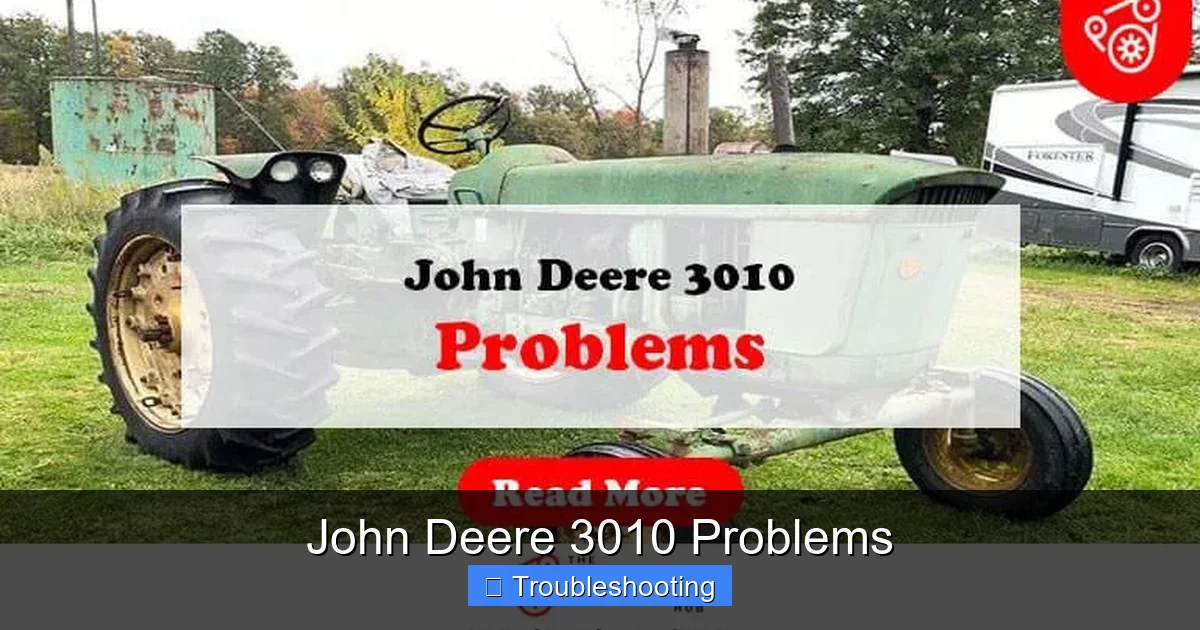
Preventing John Deere 3010 problems starts with consistent maintenance. This classic tractor was built to last, but only with proper care.
Visual guide about John Deere 3010 Problems
Image source: thebrightesthub.com
Essential Maintenance Tasks:
- Oil Changes: Change engine oil every 50 hours or annually. Use high-quality SAE 30 oil.
- Air Filter: Inspect and clean the air filter monthly. Replace if dirty.
- Fuel Filter: Replace every 200 hours or annually.
- Grease Fitting: Lubricate all grease points weekly—steering, axle, and hitch.
- Belt Inspection: Check fan and alternator belts for cracks and wear.
- Coolant Flush: Replace coolant every 2–3 years to prevent corrosion.
Keep a maintenance log to track services and catch issues early. Many John Deere 3010 problems are preventable with routine care.
Restoring vs. Maintaining: What’s Right for You?
Owners of the John Deere 3010 often face a choice: restore it to showroom condition or maintain it for reliable field use.
Visual guide about John Deere 3010 Problems
Image source: m.media-amazon.com
Restoration Pros:
- Preserves historical value
- Improves resale value
- Uses period-correct parts
Restoration Cons:
- Expensive and time-consuming
- May reduce reliability if original parts are used
Maintenance Pros:
- Keeps tractor operational
- Uses modern, durable parts
- Lower long-term costs
Maintenance Cons:
- May not look original
- Can void collector value
Choose based on your goals. Many owners do a hybrid approach—maintain functionality while preserving the original appearance.
Finding Parts and Support
Parts for the John Deere 3010 can be hard to find, but not impossible. Here’s where to look:
- John Deere Parts Catalogs: Use online catalogs like JDParts.com or TractorData.com
- Salvage Yards: Check local farm equipment recyclers
- Online Marketplaces: eBay, Facebook Marketplace, and Craigslist
- Clubs and Forums: Join John Deere 3010 Club or Tractor Talk forums
Many parts are still available, and aftermarket options exist for common components like carburetors, pumps, and electrical parts.
Conclusion: Keep Your 3010 Running Strong
The John Deere 3010 may be a classic, but it’s still a powerful and capable machine when properly maintained. While it’s true that this tractor has its share of common problems—engine cranking issues, overheating, transmission wear, and more—most are manageable with the right knowledge and tools.
By staying on top of routine maintenance, learning to diagnose issues early, and sourcing quality parts, you can keep your 3010 running for decades. Whether you use it for farming, restoration, or just weekend projects, this tractor has earned its place in the heart of any equipment enthusiast.
Remember: prevention is the best cure. Regular oil changes, clean filters, and greased fittings go a long way. And when in doubt, consult a manual or reach out to fellow 3010 owners. You’re not alone in keeping this legend alive.
Frequently Asked Questions
Why won’t my John Deere 3010 start even though it’s cranking?
This is often due to fuel or ignition issues. Check the fuel filter, spark plugs, and carburetor. Old fuel, clogged filters, or weak spark are common culprits. Cleaning or replacing these parts usually resolves the problem.
How do I fix overheating in a John Deere 3010?
Start by checking coolant levels and the radiator for blockages. Replace the thermostat if it’s stuck closed. Inspect the water pump for leaks or wear. Regular coolant flushes help prevent corrosion and maintain cooling efficiency.
Why is my transmission slipping or hard to shift?
Low or degraded transmission fluid is the most common cause. Drain and refill with fresh SAE 30 oil. Also check the clutch system—worn plates or misadjusted linkage can cause poor engagement.
What should I do if my hydraulic lift is slow or not working?
Check the hydraulic fluid level and look for leaks in hoses or seals. Bleed air from the system and inspect the pump. Replace worn seals or the pump if necessary. Regular maintenance prevents most hydraulic issues.
How can I troubleshoot electrical problems on my 3010?
Start with the battery—check terminals and voltage. Clean corroded connections. Test the alternator and voltage regulator. Replace fuses and inspect wiring for damage or looseness.
Are John Deere 3010 parts still available?
Yes, many original and aftermarket parts are still available through John Deere dealers, online retailers, and salvage yards. Joining a club or forum can also help locate rare components.
