


The John Deere 2040 is a reliable workhorse, but like any machine, it can develop problems over time. From engine performance issues to hydraulic system failures, understanding these common John Deere 2040 problems helps you diagnose and fix issues early. With proper maintenance and timely repairs, you can extend the life of your tractor and avoid costly downtime.
Key Takeaways
- Engine Performance Issues: Common symptoms include rough idling, loss of power, and excessive smoke—often caused by fuel or air filter problems.
- Transmission and Hydraulic Failures: Difficulty shifting gears or weak hydraulic response may stem from low fluid levels or worn components.
- Electrical System Malfunctions: Dead batteries, faulty alternators, and wiring issues can disrupt operation and require diagnostic checks.
- Cooling System Problems: Overheating is frequently due to clogged radiators, failing water pumps, or thermostat issues.
- Steering and Brake Wear: Worn steering components or brake pads can compromise safety and require regular inspection.
- PTO and Power Take-Off Issues: Inconsistent PTO engagement often results from clutch wear or hydraulic pressure loss.
- Preventive Maintenance Tips: Regular oil changes, filter replacements, and fluid checks significantly reduce the risk of major breakdowns.
📑 Table of Contents
Introduction
The John Deere 2040 is a classic compact utility tractor that has earned its reputation as a dependable machine for both farm and light commercial use. Introduced in the early 1990s, this model combines robust engineering with user-friendly features, making it a favorite among small to medium-sized operations. Whether you’re plowing fields, mowing pastures, or hauling equipment, the 2040 delivers consistent performance—when it’s in good condition.
However, like any piece of heavy machinery, the John Deere 2040 isn’t immune to problems. Over time, wear and tear, improper maintenance, or environmental factors can lead to a range of issues. From engine hiccups to hydraulic failures, these problems can disrupt your workflow and, if left unchecked, result in costly repairs. The good news? Most John Deere 2040 problems are preventable or fixable with the right knowledge and tools.
This guide dives deep into the most common issues owners face, offering practical troubleshooting steps, maintenance tips, and expert advice. By understanding what to look for and how to respond, you’ll keep your tractor running strong for years to come. Let’s explore the top problems, their causes, and how to solve them efficiently.
Engine Performance Issues
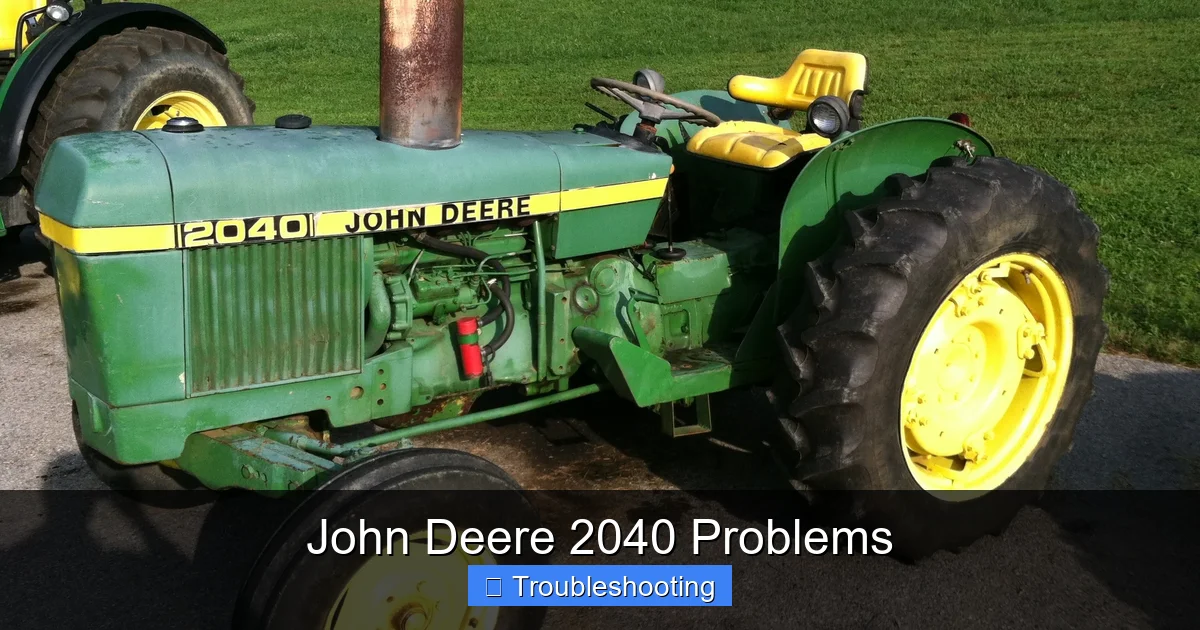
The heart of any tractor is its engine, and the John Deere 2040’s 3-cylinder diesel engine is no exception. When this powerplant starts underperforming, it can signal a range of underlying issues—many of which are easy to spot and fix.
Visual guide about John Deere 2040 Problems
Image source: heavyequipmentspecs.s3.amazonaws.com
Rough Idling and Loss of Power
One of the first signs of engine trouble is rough idling or a noticeable drop in power during operation. This often happens when the engine isn’t getting enough clean fuel or air. A clogged air filter restricts airflow, forcing the engine to work harder and reducing efficiency. Similarly, dirty fuel filters or contaminated diesel can lead to poor combustion.
What to do: Start by inspecting and replacing the air filter every 100–150 hours of operation. Check the fuel filter monthly and replace it annually or as recommended in the owner’s manual. Always use high-quality diesel and consider adding a fuel stabilizer if storing the tractor for long periods.
Excessive Smoke and Black Smoke
Black smoke pouring from the exhaust is a red flag. It usually indicates incomplete combustion, often caused by an over-rich fuel mixture. This can result from dirty injectors, a faulty fuel pump, or incorrect timing. White or blue smoke, on the other hand, may point to coolant leakage or burning oil.
Pro tip: Clean or replace fuel injectors every 2,000 hours. If the issue persists, have the injection timing checked by a certified technician.
Hard Starting and Cranking
If your John Deere 2040 struggles to start—especially in cold weather—it could be due to a weak battery, failing starter motor, or clogged fuel lines. Diesel engines require a strong spark and clean fuel to ignite, and any disruption can cause delays.
Checklist: Test the battery voltage (should be 12.6V or higher when off). Inspect the starter for wear and ensure all connections are tight. Flush the fuel system with clean diesel if it’s been sitting unused.
Transmission and Hydraulic System Failures
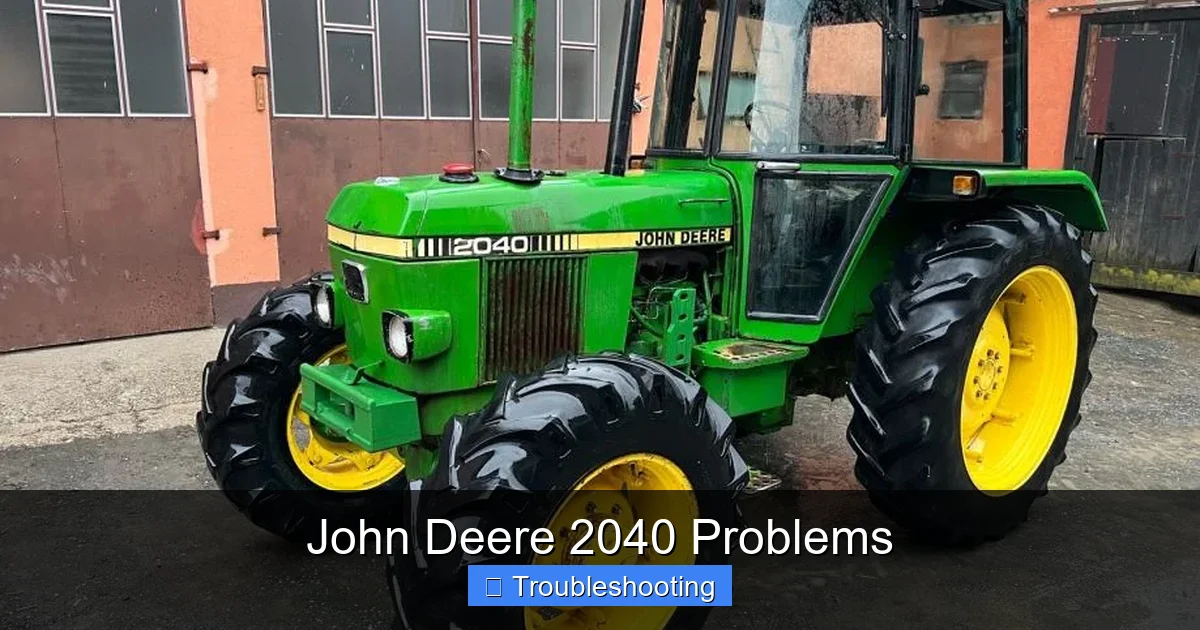
The transmission and hydraulic systems work together to transfer power from the engine to the wheels and implements. Problems here can make the tractor difficult to control or render it useless for fieldwork.
Visual guide about John Deere 2040 Problems
Image source: njuskalo.hr
Difficulty Shifting Gears
Stiff or jerky gear changes are often a sign of low or degraded transmission fluid. Over time, the fluid breaks down and loses its ability to lubricate and cool moving parts. This leads to increased friction and wear.
Solution: Check the transmission dipstick regularly and top off with the correct grade of hydraulic oil (usually SAE 10W-30 or as specified). Change the fluid every 500 hours or annually, whichever comes first.
Weak Hydraulic Response
When lifting implements or engaging the three-point hitch feels sluggish, it’s likely a hydraulic issue. Causes include air in the lines, low fluid levels, or a failing pump. Air bubbles reduce pressure, making the system less responsive.
How to fix: Bleed the hydraulic system by running the engine at idle and slowly operating the lift arms several times. If the problem continues, inspect the pump for wear or leaks.
Oil Leaks Around the Transmission
Oil stains under the tractor often point to seal or gasket failures. These leaks not only waste fluid but can also contaminate the ground and attract dirt, accelerating internal wear.
Prevention tip: Inspect seals during routine maintenance. Replace worn gaskets promptly—don’t wait for a major leak.
Electrical System Malfunctions
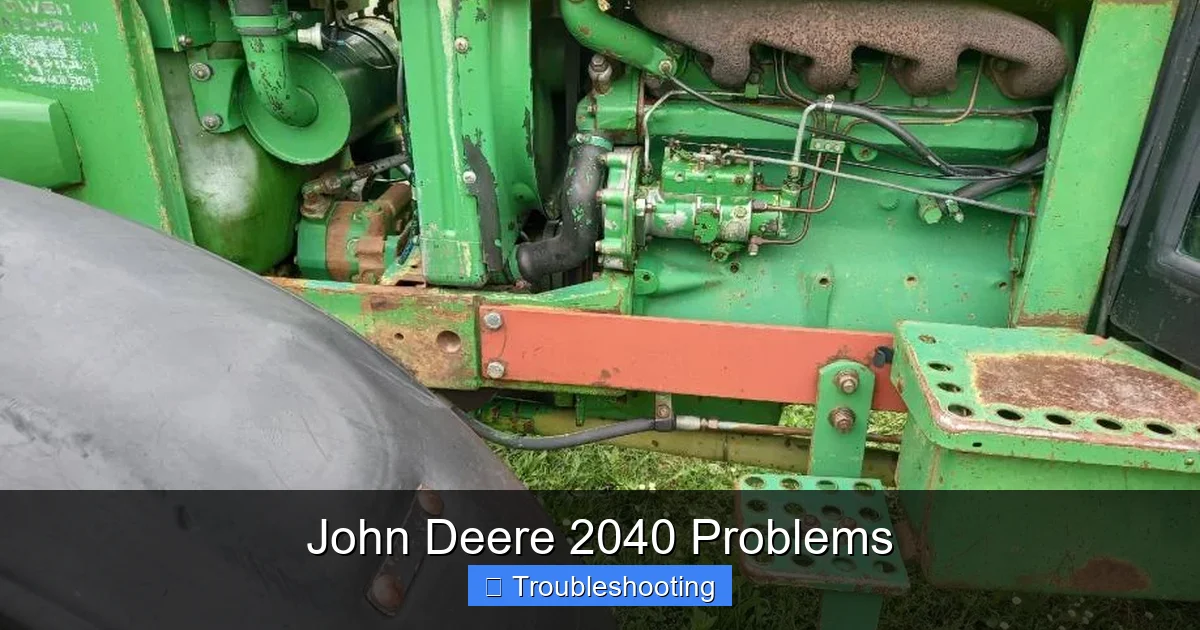
The electrical system powers everything from the ignition to the lights and gauges. When it fails, it can leave you stranded in the field.
Visual guide about John Deere 2040 Problems
Image source: njuskalo.hr
Dead Battery and No Start
A dead battery is one of the most common John Deere 2040 problems. It can result from age, parasitic drain, or a failing alternator that doesn’t recharge properly. If the battery dies after running for a while, the alternator is likely the culprit.
Diagnosis: Use a multimeter to test voltage. A fully charged battery should read 12.6V. If the alternator isn’t outputting 13.5–14.5V while the engine runs, it needs replacement.
Faulty Gauges and Warning Lights
Malfunctioning gauges—especially the temperature and oil pressure readings—can be dangerous. They might show incorrect values or fail to light up at all. This could be due to bad sensors, corroded wiring, or a failing instrument cluster.
Quick fix: Clean battery terminals and check for loose connections. Replace sensors if readings remain inaccurate after cleaning.
Dim or Flickering Lights
Dim headlights or flickering interior lights often point to voltage fluctuations. This is usually due to a loose alternator belt or worn brushes inside the alternator.
Maintenance tip: Inspect the alternator belt for cracks and proper tension. Replace it every 2–3 years or as needed.
Cooling System Problems
Overheating is a serious issue that can damage the engine if not addressed. The John Deere 2040 relies on a robust cooling system to regulate temperature, especially during long hours of fieldwork.
Engine Overheating
If the temperature gauge climbs into the red, stop immediately. Causes include low coolant levels, a clogged radiator, a malfunctioning thermostat, or a failing water pump.
Steps to take: Let the engine cool before checking the coolant reservoir. Top up with a 50/50 mix of antifreeze and water. Inspect the radiator for blockages and clean it gently with a brush or compressed air.
Coolant Leaks
Leaks around the radiator, hoses, or water pump indicate worn seals or cracked components. These leaks reduce cooling efficiency and can cause engine damage.
Inspection tip: Run the engine and check for wet spots under the tractor. Replace hoses every 5 years and monitor the water pump seal for wear.
Thermostat Failure
A stuck thermostat prevents coolant from circulating, leading to overheating. You might notice the upper radiator hose stays hot even when the engine is cold.
Replacement guide: Test the thermostat by placing it in hot water. It should open above 185°F (85°C). Replace if it doesn’t respond.
Steering and Brake Wear
Safety is paramount when operating heavy equipment. Worn steering components or brake pads can compromise control and increase accident risk.
Heavy or Loose Steering
If the steering feels stiff or unresponsive, it could be due to worn steering gear, loose tie rods, or low power steering fluid (if equipped). The 2040 uses manual steering, so most issues are mechanical.
Checklist: Inspect tie rod ends and center linkages for play. Lubricate moving parts with grease every 250 hours.
Brake Drag or Spongy Pedal
When the brake pedal feels soft or the tractor drags while moving, it’s time to inspect the brake shoes, drums, and hydraulic lines. Worn shoes reduce stopping power, while air in the lines causes sponginess.
Maintenance schedule: Inspect brakes every 200 hours. Replace shoes when thickness is below 1/4 inch. Bleed the brake system if air enters the lines.
PTO and Power Take-Off Issues
The Power Take-Off (PTO) allows you to run implements like mowers or balers. Problems here can halt your workday.
Inconsistent PTO Engagement
If the PTO clutch slips or won’t engage, it may be due to worn clutch plates, low hydraulic pressure, or a faulty switch. The PTO in the 2040 is hydraulically activated, so pressure is key.
Diagnosis: Check hydraulic fluid level and pressure. Replace clutch plates if they’re glazed or worn smooth.
No PTO Power
Complete PTO failure could stem from a blown fuse, broken belt (if belt-driven models), or a seized PTO shaft. Some models use a belt, so inspect it regularly for cracks.
Quick fix: Replace fuses and belts as part of routine maintenance. Ensure the PTO lever moves freely and the switch is functional.
Preventive Maintenance Tips
The best way to avoid John Deere 2040 problems is through consistent, proactive care. A well-maintained tractor runs longer, performs better, and saves you money on repairs.
Follow the Maintenance Schedule
Refer to your owner’s manual for recommended service intervals. This includes oil changes every 100 hours, filter replacements, and fluid checks. Stick to the schedule—even if the tractor doesn’t seem to need it.
Keep It Clean
Dirt and debris can clog filters, damage seals, and hide leaks. After each use, clean the radiator, engine block, and undercarriage. Use a garden hose and brush—avoid high-pressure washers that can force water into bearings.
Use Quality Parts and Fluids
Always use OEM (Original Equipment Manufacturer) or high-quality aftermarket parts. Cheap alternatives may save money short-term but fail faster and cause more damage.
Store Properly
If storing the tractor for winter, change the oil, fill the fuel tank, and use a fuel stabilizer. Cover it with a breathable tarp to prevent moisture buildup.
Keep Records
Maintain a service log with dates, hours, and repairs. This helps track wear patterns and plan future maintenance. It’s also useful if you ever sell the tractor.
Conclusion
The John Deere 2040 may be an older model, but with proper care, it can still be a reliable workhorse. While John Deere 2040 problems do occur, many are preventable through regular maintenance and timely inspections. From engine performance hiccups to hydraulic failures, understanding the common issues and how to address them empowers you to keep your tractor running smoothly.
Remember, the key to longevity is consistency. Stick to your maintenance schedule, address small issues before they grow, and don’t hesitate to consult a certified technician when in doubt. With the right approach, your John Deere 2040 will continue to deliver dependable performance for years of productive fieldwork.
Frequently Asked Questions
What are the most common John Deere 2040 problems?
The most common issues include engine performance problems like rough idling and hard starting, transmission and hydraulic failures, electrical system malfunctions such as dead batteries, and cooling system issues like overheating. These are often caused by poor maintenance or worn components.
How do I fix a hard-starting John Deere 2040?
Check the battery voltage, clean or replace the fuel filter, inspect the air filter, and ensure the fuel lines are free of air. If the problem persists, have the fuel injectors cleaned or replaced by a professional.
Why is my John Deere 2040 overheating?
Overheating is usually due to low coolant levels, a clogged radiator, a faulty thermostat, or a failing water pump. Check the coolant level, inspect for leaks, and clean the radiator. Replace the thermostat if it’s stuck closed.
How often should I change the oil in a John Deere 2040?
Change the engine oil and filter every 100 operating hours or at least once per year. Use high-quality diesel engine oil meeting John Deere specifications.
What should I do if the PTO won’t engage?
Check the hydraulic fluid level and pressure. Inspect the PTO clutch plates for wear and ensure the switch and lever are functioning. Replace worn parts and bleed the system if air is present.
Can I use aftermarket parts on my John Deere 2040?
Yes, but use high-quality aftermarket parts that meet OEM specifications. Cheap alternatives may fail prematurely and cause more damage. Always verify compatibility before purchasing.
