


John Deere 2010 tractors face several common issues that can affect performance and reliability. From transmission problems to electrical gremlins and hydraulic leaks, many owners experience frustrating breakdowns. This guide covers the most frequent John Deere 2010 problems with practical solutions and maintenance tips.
Key Takeaways
- Transmission Issues: The 2010 model often suffers from transmission slippage and harsh shifting, typically due to worn clutches or low fluid levels.
- Electrical System Failures: Frequent battery drain and starting problems stem from faulty alternators and aging wiring harnesses.
- Hydraulic Problems: Leaks and weak lift performance result from worn seals, contaminated fluid, or damaged hydraulic pumps.
- Engine Performance: Rough idling and power loss connect to fuel filter issues, clogged injectors, or EGR valve malfunctions.
- Cooling System Failures: Overheating occurs from radiator blockages, thermostat failures, or fan clutch issues.
- Steering and Tire Wear: Uneven tire wear and steering play indicate alignment issues or worn suspension components.
- Preventive Maintenance: Regular service intervals and using genuine parts significantly reduce John Deere 2010 problems.
📑 Table of Contents
- Understanding the John Deere 2010: Common Problems and Solutions
- Transmission Problems: The Most Common John Deere 2010 Issues
- Electrical System Failures: Powering Down Your Tractor
- Hydraulic System Problems: Lifting and Limb Issues
- Engine Performance Issues: Power Loss and Rough Running
- Suspension and Steering Problems
- Preventive Maintenance: Avoiding Common Problems
- Conclusion: Keeping Your John Deere 2010 Running Strong
Understanding the John Deere 2010: Common Problems and Solutions
The John Deere 2010 tractor has been a workhorse on farms and job sites for decades, known for its durability and versatility. However, like any piece of heavy machinery, it’s not immune to problems. In fact, many 2010 models have developed specific issues that owners frequently encounter. These problems range from minor inconveniences to major mechanical failures that can leave you stranded in the middle of your field.
Understanding what to look for and how to address these issues can save you time, money, and headaches. Whether you’re a seasoned farmer, a landscape professional, or a DIY enthusiast, knowing the common John Deere 2010 problems will help you maintain your investment and keep your equipment running smoothly.
Transmission Problems: The Most Common John Deere 2010 Issues
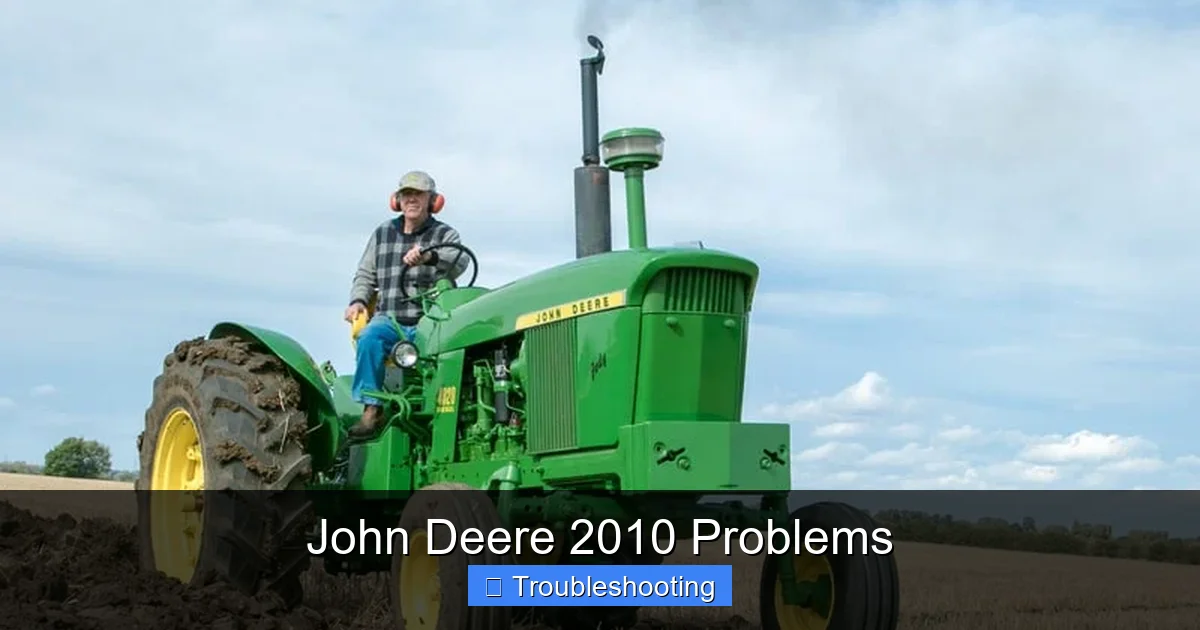
Visual guide about John Deere 2010 Problems
Image source: farmergrows.com
One of the most frequently reported problems with the John Deere 2010 involves the transmission system. Many owners experience issues with gear engagement, slippage, and harsh shifting that can significantly impact productivity.
Transmission Slippage and Gear Engagement Issues
When your tractor’s transmission starts slipping out of gear or struggles to engage properly, it’s usually a sign of underlying mechanical problems. The most common causes include worn clutch plates, low transmission fluid levels, or damaged shift linkages.
If you notice your tractor slipping between gears or having difficulty maintaining speed, check the transmission fluid first. Low fluid levels can cause the transmission to overheat and wear prematurely. The transmission dipstick is typically located on the side of the transmission housing. Make sure to check the fluid when the engine is cool and the tractor is on level ground.
Another common issue is worn clutch plates. Over time, the friction material on the clutch plates wears down, reducing their ability to grip properly. You might notice a spongy clutch pedal or difficulty shifting gears. Replacing the clutch assembly is often necessary, which requires removing the transmission.
Harsh Shifting and Delayed Engagement
Many John Deere 2010 owners report harsh shifting or delayed engagement, especially when moving from park to drive. This problem often stems from worn synchronizers or contaminated transmission fluid.
Contaminated fluid contains metal particles from worn components and can cause valves to stick, leading to erratic shifting. Regular transmission fluid changes using the correct specification (typically SAE 10W-30 or as specified in your manual) can prevent many of these issues.
If you notice the tractor jerking or lurching when shifting, have a qualified mechanic check the transmission. They can perform a pressure test to identify weak clutch circuits or failing components.
Electrical System Failures: Powering Down Your Tractor
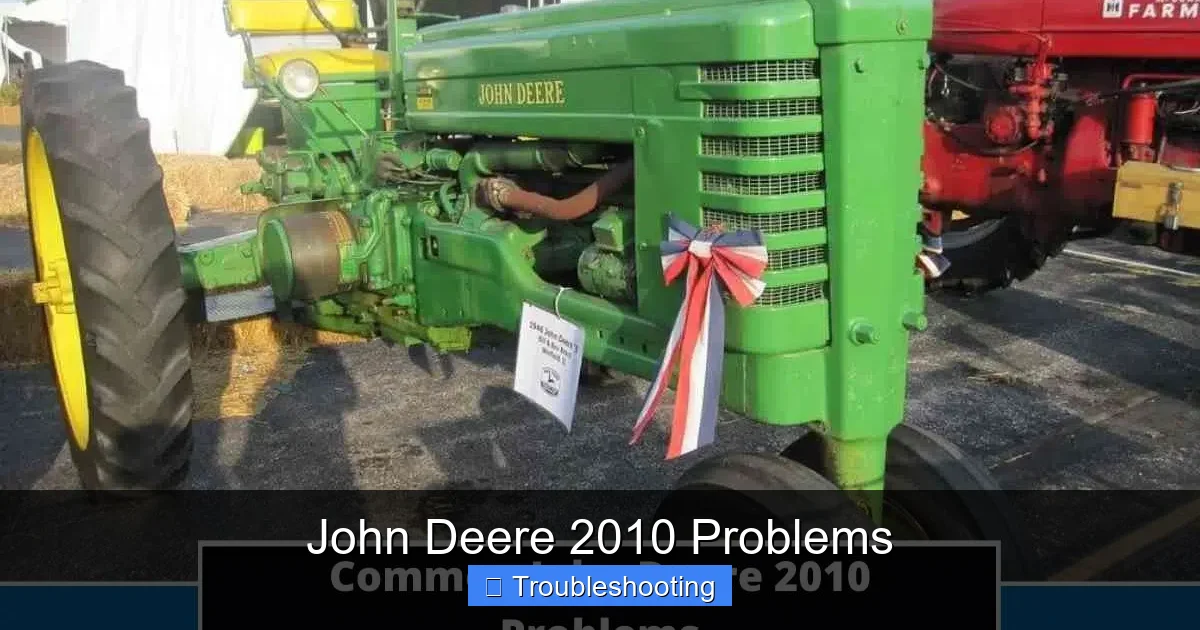
Visual guide about John Deere 2010 Problems
Image source: homemashal.com
The electrical system in your John Deere 2010 is crucial for starting, lighting, and all electronic functions. Unfortunately, electrical problems are among the most common issues owners face.
Starting Problems and Battery Drain
If your tractor won’t start or the engine cranks slowly, the first thing to check is the battery. Many John Deere 2010 tractors experience battery drain issues due to parasitic loads from faulty switches or wiring problems.
Start by checking the battery terminals for corrosion and ensuring they’re tight. Clean any corrosion with a wire brush and apply dielectric grease to prevent future buildup. If the battery is more than three years old, consider replacing it even if it tests okay.
A common electrical issue specific to the 2010 model involves the alternator. The alternator might not be charging properly, leading to battery drain. Test the alternator output with a multimeter – it should read between 13.5 and 14.5 volts when the engine is running.
Fuel Gauge and Warning Light Malfunctions
Many owners report issues with the fuel gauge and warning lights not working properly. This is often due to faulty sending units or corroded wiring connections.
The fuel sending unit is located in the fuel tank and measures fuel level. When it fails, the gauge may read empty even when you have plenty of fuel, or it might show full when the tank is actually empty. Replacing the sending unit is relatively straightforward but requires draining the fuel tank first.
Similarly, warning lights that don’t illuminate or stay on constantly indicate electrical problems. Check the fuse box under the dashboard for blown fuses and inspect the wiring harness for damage.
Hydraulic System Problems: Lifting and Limb Issues
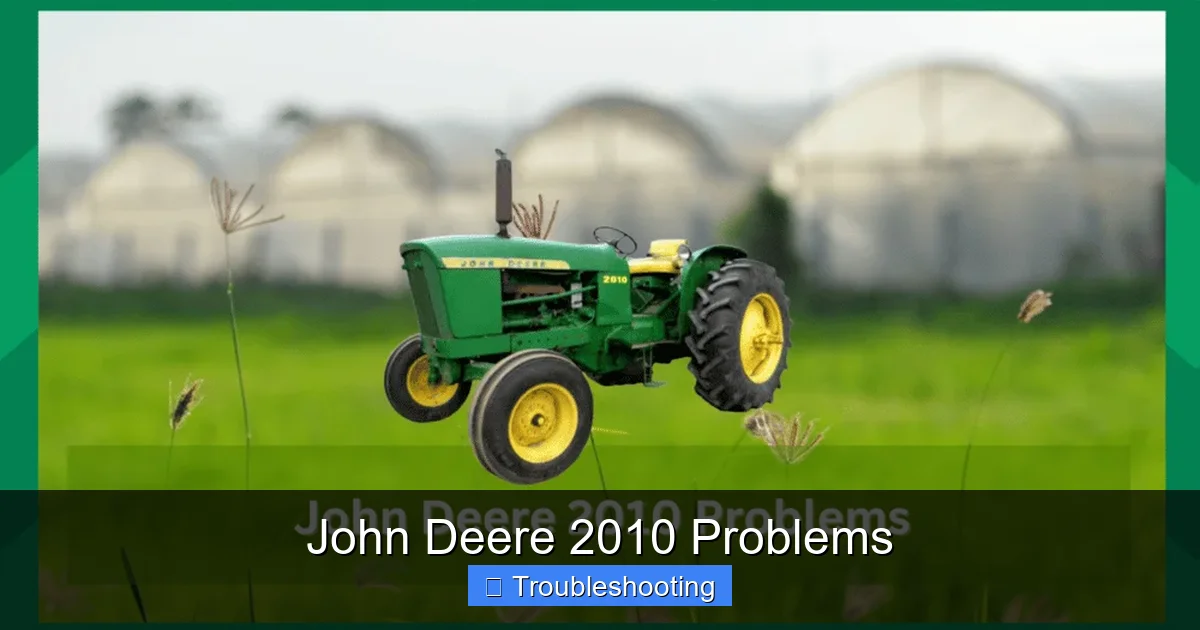
Visual guide about John Deere 2010 Problems
Image source: farmergrows.com
The hydraulic system powers your tractor’s three-point hitch, loader, and other hydraulic attachments. Hydraulic problems can significantly impact your tractor’s functionality and productivity.
Hydraulic Leaks and Low Pressure
Hydraulic leaks are one of the most common John Deere 2010 problems. Leaks typically occur at cylinder seals, hose connections, or around the pump. You might notice oil stains on the ground or see fluid dripping from under the tractor.
Check for leaks systematically. Start by examining all hydraulic hoses and connections. Look for wet spots, oil trails, or dripping fluid. Tighten any loose connections, but avoid over-tightening as this can damage fittings.
Low hydraulic pressure can cause weak lift performance or slow operation of hydraulic implements. This might be due to a worn pump, air in the system, or contaminated fluid. Bleed the hydraulic system by operating the controls through their full range several times with the fluid cap off.
Worn Hydraulic Cylinders
Hydraulic cylinders can develop internal leaks over time, causing the rod to drift or the lift to drop. This happens when the seals inside the cylinder wear out, allowing fluid to bypass.
To diagnose a leaking cylinder, raise the implement and shut off the engine. If the implement starts to lower, the cylinder has an internal leak. You’ll need to remove the cylinder, inspect the seals, and replace any damaged components.
Engine Performance Issues: Power Loss and Rough Running
Engine problems can significantly reduce your tractor’s performance and efficiency. The John Deere 2010 engine is generally reliable, but certain issues commonly develop over time.
Rough Idling and Power Loss
If your tractor runs rough at idle or experiences power loss under load, several factors could be at play. Common causes include dirty fuel filters, clogged injectors, or EGR valve problems.
Start by checking the fuel filter. A clogged fuel filter restricts fuel flow to the injectors, causing poor performance. Replace the fuel filter according to your maintenance schedule – typically every 200-300 hours of operation.
Injector problems are another frequent cause of engine performance issues. Clogged or malfunctioning injectors can cause misfires, rough idling, and reduced power. Injector cleaning or replacement might be necessary, which requires specialized equipment.
The EGR (Exhaust Gas Recirculation) valve can also cause rough running if it’s stuck open or closed. A faulty EGR valve can lead to excessive soot buildup and poor engine performance.
Cooling System Failures
Overheating is a serious problem that can cause extensive engine damage if not addressed promptly. The John Deere 2010 cooling system problems often stem from radiator blockages, thermostat failures, or fan clutch issues.
Check the radiator for debris buildup, especially if you operate in dusty conditions. Clean the radiator fins carefully to ensure proper airflow. Also inspect the coolant level and quality – low coolant or contaminated coolant can cause overheating.
The thermostat controls coolant flow to the radiator. A stuck thermostat can cause the engine to overheat or run too cold. Test the thermostat by removing it and placing it in hot water – it should open at the specified temperature (usually around 195°F).
Suspension and Steering Problems
The suspension and steering systems affect your tractor’s handling, comfort, and tire wear. Many John Deere 2010 owners experience issues with steering play and uneven tire wear.
Steering Play and Uneven Tire Wear
Steering play occurs when there’s excessive movement in the steering components. This can make the tractor feel loose or unpredictable. Common causes include worn steering gear components, loose tie rod ends, or damaged king pins.
If you notice excessive steering play, have a mechanic inspect the steering system. They’ll check for loose connections, worn bushings, and damaged components. Addressing steering issues promptly prevents further damage and improves safety.
Uneven tire wear often indicates alignment problems or suspension issues. Check your tire pressure regularly and ensure all tires are inflated to the recommended pressure. Also inspect for worn suspension components that might affect wheel alignment.
Suspension Bushing Wear
The suspension bushings in your John Deere 2010 can wear out over time, causing noise and reduced ride quality. Worn bushings allow excessive movement and can lead to other component failures.
Symptoms of worn suspension bushings include clunking noises when going over bumps, loose feeling suspension, and uneven tire wear. Replacement requires removing the affected components and installing new bushings or entire assemblies.
Preventive Maintenance: Avoiding Common Problems
The best way to avoid John Deere 2010 problems is through consistent preventive maintenance. Regular service and attention to warning signs can extend your tractor’s life and prevent costly repairs.
Regular Service Intervals
Follow your owner’s manual for recommended service intervals. This includes oil changes, filter replacements, and fluid checks. Don’t skip these maintenance tasks, as they’re crucial for preventing many common problems.
Keep a maintenance log to track service dates and any issues you’ve addressed. This helps you stay on schedule and can provide valuable information if you sell the tractor.
Using Genuine Parts
When replacement parts are needed, use genuine John Deere parts when possible. Aftermarket parts might save money initially but can cause more problems in the long run. Genuine parts are designed specifically for your tractor model and typically come with warranties.
Operator Training
Proper operator training can prevent many John Deere 2010 problems. Make sure operators understand the equipment’s capabilities and limitations. They should also know how to perform basic checks and recognize warning signs.
Conclusion: Keeping Your John Deere 2010 Running Strong
The John Deere 2010 tractor has proven its reliability over the years, but like any mechanical equipment, it requires attention and care. By understanding the common problems and taking preventive measures, you can keep your tractor running efficiently for many years.
Regular maintenance, attention to warning signs, and addressing issues promptly will save you time and money. Remember that many John Deere 2010 problems have similar symptoms, so proper diagnosis is crucial. When in doubt, consult with a qualified mechanic who specializes in John Deere equipment.
With proper care, your John Deere 2010 can continue to be a valuable asset for your farming or landscaping operations. The investment in maintenance pays off in reliability and performance.
Frequently Asked Questions
What are the most common problems with a John Deere 2010?
The most common John Deere 2010 problems include transmission issues like slippage and harsh shifting, electrical system failures causing battery drain, hydraulic leaks and low pressure, engine performance problems such as rough idling, and cooling system failures leading to overheating. These issues often stem from worn components, lack of maintenance, or contaminated fluids.
How do I fix transmission problems on my John Deere 2010?
To fix transmission problems, first check the fluid level and condition. Low or contaminated fluid is a common cause of shifting issues. If the fluid looks dirty or smells burnt, drain and replace it. For persistent problems, you might need to inspect the clutch plates, synchronizers, or shift linkages. Always use the correct fluid specification and consider having a professional perform a transmission pressure test.
Why won’t my John Deere 2010 start?
Starting problems in a John Deere 2010 usually stem from battery issues, faulty alternator, or electrical connections. Check the battery terminals for corrosion and ensure they’re tight. Test the battery voltage – it should be at least 12.6 volts when charged. If the battery tests okay, the problem might be the alternator not charging properly or a faulty starter motor.
What causes hydraulic leaks in the John Deere 2010?
Hydraulic leaks in the John Deere 2010 typically result from worn seals, damaged hoses, or loose connections. Check all hydraulic lines and cylinder seals for signs of leakage. Tighten any loose fittings, but avoid over-tightening. If you find a damaged hose or seal, replace it with a genuine John Deere part. Regular fluid changes and proper system bleeding can prevent many hydraulic issues.
How often should I change the transmission fluid in my John Deere 2010?
For normal operation, change the transmission fluid every 200-300 hours of use or annually, whichever comes first. If you operate in dusty conditions or frequently tow heavy loads, change it more frequently. Always use the fluid specified in your owner’s manual (typically SAE 10W-30) and check the level regularly. Regular fluid changes prevent many transmission problems.
Can I prevent most John Deere 2010 problems?
Yes, most John Deere 2010 problems can be prevented through regular maintenance and proper operation. Follow your owner’s manual for service intervals, use genuine parts for replacements, keep the tractor clean, and address warning signs promptly. Regular fluid changes, filter replacements, and inspections can significantly extend your tractor’s life and prevent many common issues.
