


The John Deere 3038e is a popular compact tractor, but like any machine, it can face issues over time. From engine stalling to electrical glitches, understanding John Deere 3038e problems helps owners maintain peak performance and avoid costly repairs. This guide walks you through the most frequent issues and how to fix them.
Key Takeaways
- Common Engine Issues: The John Deere 3038e often experiences starting problems, rough idling, or power loss due to fuel delivery or sensor malfunctions.
- Electrical System Failures: Faulty wiring, bad batteries, or corroded connections are frequent culprits behind dashboard warnings and erratic behavior.
- Hydrostatic Transmission Concerns: Users frequently report overheating, sluggish response, or leaks in the hydrostatic drive system.
- PTO and Hydraulics: Power Take-Off (PTO) engagement issues and weak hydraulic lift capacity may stem from worn clutches or low fluid levels.
- Operator Comfort & Accessories: Seat suspension problems, faulty lights, and radio malfunctions are minor but impact daily usability.
- Prevention & Maintenance: Regular oil changes, filter replacements, and proper storage can significantly reduce the frequency of John Deere 3038e problems.
- Service Support: Always consult authorized John Deere dealers or certified technicians for complex diagnostics and warranty-covered repairs.
📑 Table of Contents
Introduction
If you’re like most John Deere 3038e owners, you bought this compact tractor for reliability, versatility, and dependable performance in landscaping, gardening, or light farm work. The 3038e is known for its smooth hydrostatic transmission, comfortable operator station, and solid build quality. But even the best machines aren’t immune to problems—especially as they age or if maintenance slips. Over the years, many owners have reported a range of John Deere 3038e problems, from minor glitches to more serious mechanical issues. Understanding what these are, why they happen, and how to fix them can save you time, money, and frustration.
In this comprehensive guide, we’ll break down the most common John Deere 3038e problems you might encounter, explain their causes, and offer practical solutions. Whether you’re troubleshooting a no-start issue or dealing with a faulty hydrostatic drive, this article gives you the knowledge to keep your tractor running smoothly. We’ll also share maintenance tips to prevent future issues and help you make informed decisions when it comes to repairs or upgrades.
Engine Performance Issues
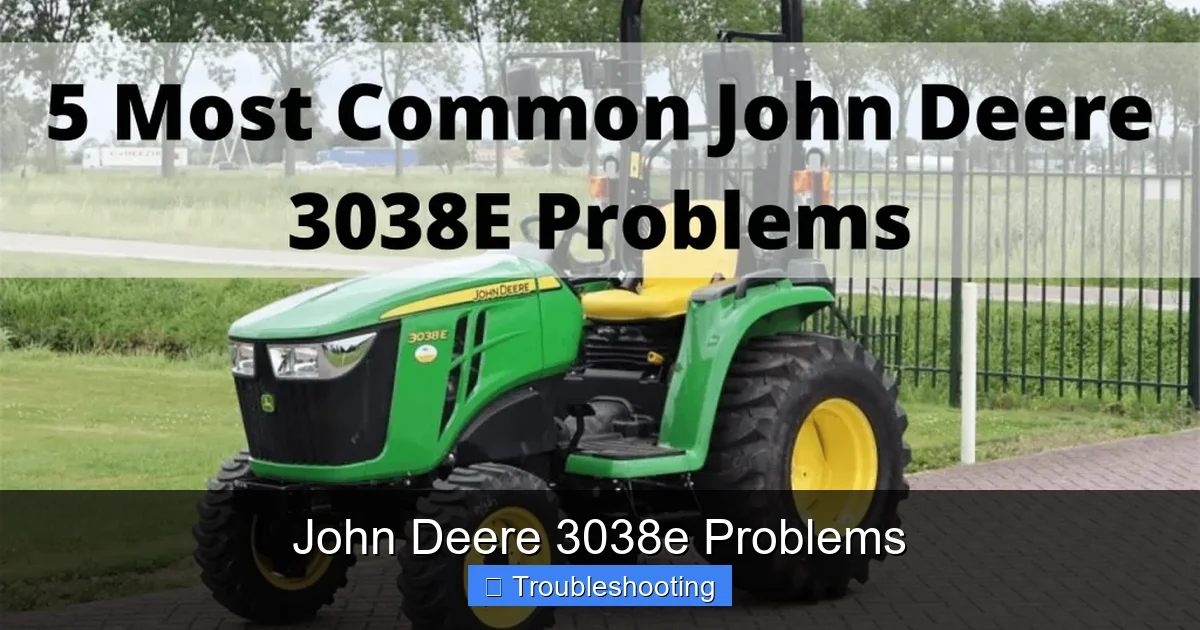
The heart of your John Deere 3038e is its 30-horsepower diesel engine. While generally reliable, engine-related problems are among the most frequently reported John Deere 3038e problems. These issues often stem from fuel delivery, air intake, or sensor malfunctions. Let’s explore the most common engine concerns and how to address them.
Visual guide about John Deere 3038e Problems
Image source: farmsunseed.com
Starting Difficulties
One of the most frustrating John Deere 3038e problems is when the tractor won’t start, even after multiple attempts. This is often due to a weak battery, faulty starter motor, or poor fuel quality. Diesel engines rely on compression and ignition timing, so if the battery voltage drops below 12 volts, the starter may not engage properly. Check the battery terminals for corrosion—a common issue in humid or salty environments. Clean them with a wire brush and apply dielectric grease to prevent future buildup.
Another frequent cause is contaminated fuel. Over time, water or debris can accumulate in the fuel tank, clogging filters and preventing proper combustion. Always use high-quality diesel and replace the primary fuel filter every 100–150 hours of operation. If the tractor still won’t start, inspect the glow plugs. On older models, faulty glow plugs can leave the engine struggling to ignite in cold weather.
Rough Idling and Power Loss
If your John Deere 3038e runs unevenly or loses power under load, it could be a sign of air in the fuel system or a failing fuel pump. Air bubbles disrupt the fuel flow, leading to misfires and stalling. To fix this, bleed the fuel system by loosening the bleed screw on the fuel filter and cranking the engine until clean fuel flows without bubbles.
Also, check the turbocharger (if equipped) for leaks or damage. A cracked intake manifold or loose hose can let unmetered air into the engine, causing lean conditions and reduced performance. Regular inspections of all hoses and gaskets can prevent these issues. Additionally, ensure the air filter is clean—a clogged filter restricts airflow and forces the engine to work harder, leading to premature wear.
Overheating
Engine overheating is a serious John Deere 3038e problem that can lead to costly damage if ignored. The most common cause is a low coolant level or a malfunctioning cooling fan. Check the radiator and coolant reservoir regularly. If the coolant is dirty or discolored, flush the system and refill with fresh antifreeze. Also, inspect the fan belt for wear or looseness—a slipping belt prevents the fan from spinning fast enough to cool the engine.
Another cause could be a clogged radiator. Dirt, grass clippings, and debris often accumulate on the front grille, blocking airflow. Clean the radiator fins with a soft brush or compressed air every few months, especially after heavy use. In hot climates, overheating is more likely, so monitor engine temperature closely and take breaks during long jobs.
Hydrostatic Transmission Problems
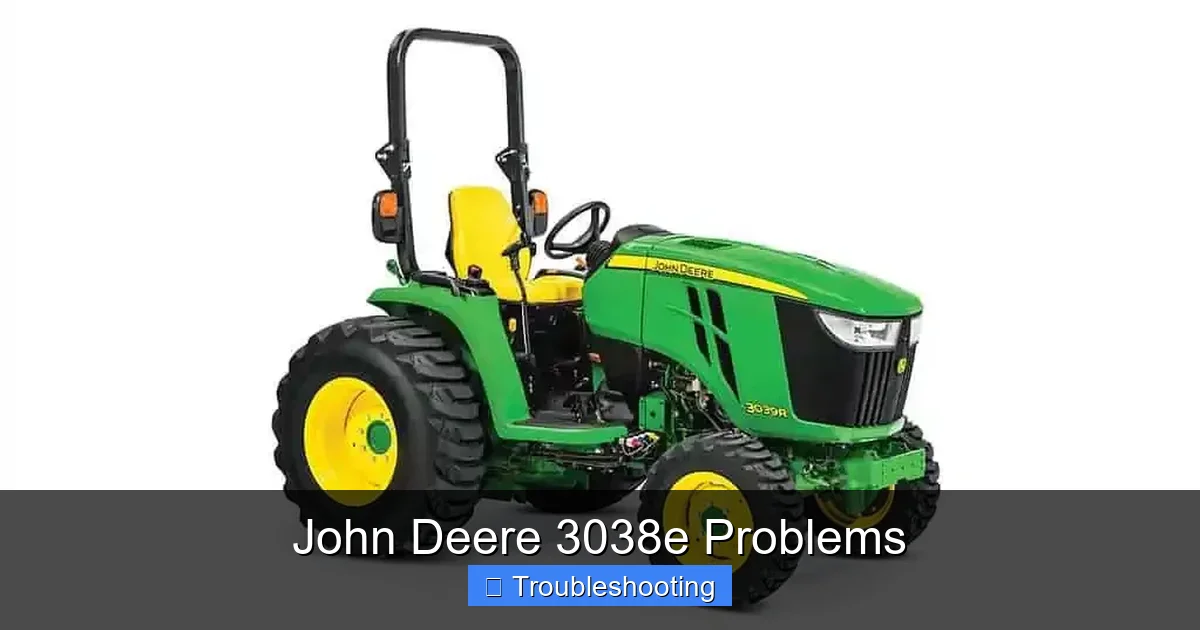
The hydrostatic transmission (HST) in the John Deere 3038e allows for smooth, variable-speed control without manual shifting. However, it’s also one of the more complex systems and a frequent source of John Deere 3038e problems. From sluggish response to complete failure, HST issues can be tricky to diagnose but are often fixable with proper maintenance.
Visual guide about John Deere 3038e Problems
Image source: homemashal.com
Sluggish or Unresponsive Response
If your tractor moves slowly or hesitates when you press the pedal, the issue may lie in the hydrostatic pump or drive belt. Over time, the drive belt can stretch or wear out, reducing power transfer to the transmission. Inspect the belt for cracks, fraying, or looseness. Tighten or replace it as needed. Also, check the fluid level in the HST reservoir. Low fluid can cause poor performance and internal damage.
Another possibility is contamination in the hydraulic fluid. Dirt or metal shavings from worn components can clog valves and restrict flow. Drain and replace the fluid every 250 hours or annually, depending on usage. Use only John Deere-approved hydraulic fluid to ensure compatibility and performance.
Overheating of the Transmission
Just like the engine, the hydrostatic transmission can overheat if it’s working too hard or if the cooling system is compromised. This often happens during prolonged uphill climbs or when the tractor is overloaded. If the transmission overheats, the system will automatically reduce power to prevent damage—a safety feature, but one that stops your work.
To prevent this, avoid pushing the tractor beyond its limits. Use the lower gears for heavy loads and take frequent breaks. Also, ensure the radiator and HST cooler (if equipped) are clean and unobstructed. In extreme heat, consider using a fan shroud extension or upgrading to a high-performance cooler.
Leaks in the Hydrostatic System
Hydraulic fluid leaks are another common John Deere 3038e problem. These can occur at seals, hoses, or connections. If you notice oil spots under the tractor, inspect all hydraulic lines and fittings. Replace any cracked or worn hoses immediately. Tighten fittings to the manufacturer’s torque specifications, but avoid over-tightening, which can damage threads.
Internal leaks within the transmission are harder to detect but may manifest as a loss of fluid without visible external seepage. If you suspect an internal leak, have a certified technician perform a pressure test. Rebuilding or replacing the transmission may be necessary in severe cases.
Electrical System Malfunctions
The electrical system in the John Deere 3038e powers everything from the ignition to the headlights and dashboard gauges. Electrical issues are among the trickiest John Deere 3038e problems to diagnose because they can stem from a single faulty component affecting multiple systems. Let’s look at the most common electrical faults and how to resolve them.
Visual guide about John Deere 3038e Problems
Image source: motorcurious.com
Dead Battery and Charging Issues
A dead battery is one of the most common reasons the tractor won’t start. Over time, batteries lose their charge, especially in cold weather. If your battery is more than three years old, it’s likely nearing the end of its life. Test the battery with a multimeter—it should read at least 12.6 volts when fully charged.
If the battery is fine but the tractor still won’t start, the problem could be the alternator or voltage regulator. These components charge the battery while the engine runs. If the alternator fails, the battery drains quickly. Listen for a whining noise from the alternator—a sign of bearing wear. Have the charging system tested at a John Deere service center to confirm proper voltage output.
Faulty Wiring and Corrosion
Corroded or damaged wiring is a frequent cause of electrical malfunctions. Moisture, salt, and vibration can degrade wires over time, leading to poor connections or short circuits. Inspect the wiring harness under the seat and along the frame for frayed or brittle wires. Pay special attention to connectors near the battery and starter motor.
To prevent corrosion, apply dielectric grease to all connectors and ensure the battery tray is clean. If you find damaged wires, splice them using heat-shrink connectors or replace the entire harness if necessary. Always use the correct gauge wire for repairs to maintain proper current flow.
Dashboard Warning Lights
If warning lights on the dashboard flicker or stay on, it’s a sign of a sensor or control module issue. The most common culprits are the temperature sensor, oil pressure sensor, or alternator indicator. These sensors send data to the control module, which activates the warning light if something is wrong.
For example, a flashing “Check Engine” light might indicate low oil pressure or a coolant leak. Don’t ignore these warnings—they’re designed to protect your tractor. Use a diagnostic scanner (available at most auto parts stores) to read error codes. Many John Deere 3038e problems can be resolved by resetting the system or replacing a faulty sensor.
Power Take-Off (PTO) and Hydraulic Issues
The PTO and hydraulic systems are essential for attaching implements like mowers, tillers, and loaders. Problems with these systems are common John Deere 3038e problems that can disrupt your workflow. Let’s explore the most frequent issues and their solutions.
PTO Not Engaging
If the PTO clutch won’t engage when you flip the switch, the issue may be a worn clutch plate, a faulty switch, or low hydraulic pressure. The PTO uses a centrifugal clutch that spins up when activated. Over time, the clutch plates wear down, reducing grip and preventing engagement.
To test, check the PTO switch with a multimeter for continuity. Also, inspect the PTO belt for wear or looseness. Replace the belt if it’s glazed or cracked. If the belt is fine, the clutch may need replacement. This is a job best left to a professional, as it involves disassembling the rear axle.
Weak Hydraulic Lift
If your loader or backhoe doesn’t lift as high as it used to, the hydraulic system may be losing pressure. This is often due to air in the lines, a failing pump, or worn seals. Bleed the hydraulic system by running the engine and cycling the lift cylinder several times to purge air bubbles.
Also, check the hydraulic fluid level and condition. Low fluid or dirty oil can reduce efficiency. Replace the hydraulic filter every 100 hours and use only clean, high-quality fluid. If the problem persists, have the pump inspected—internal wear can reduce output pressure significantly.
Operator Comfort and Accessory Failures
While not critical to operation, issues with comfort and accessories can make using the John Deere 3038e a chore. These are often overlooked but can be surprisingly common John Deere 3038e problems.
Seat Suspension Failure
The suspension seat is designed to reduce operator fatigue, but the springs or dampers can wear out over time. If the seat sags or feels too stiff, inspect the suspension mechanism for damage. Replace the seat if necessary—John Deere offers aftermarket upgrades with better ergonomics.
Lighting and Radio Malfunctions
Faulty headlights, taillights, or the AM/FM radio are common John Deere 3038e problems, especially in older models. Check fuses first—many electrical accessories share a fuse block under the dashboard. Replace any blown fuses with the correct amperage rating.
If the radio won’t turn on, inspect the antenna connection and wiring. Corrosion or loose wires are usually the cause. For headlights, ensure the bulbs are the correct type and properly seated. Use LED upgrades for brighter, longer-lasting lighting.
Prevention and Maintenance Tips
The best way to avoid John Deere 3038e problems is through consistent maintenance. Here are some practical tips to keep your tractor in top shape:
- Follow the Maintenance Schedule: Stick to the owner’s manual for oil changes, filter replacements, and fluid checks.
- Keep It Clean: Regularly remove grass, mud, and debris from the engine, radiator, and undercarriage.
- Use Quality Fluids: Always use John Deere-recommended oil, fuel, and hydraulic fluid.
- Store Properly: In winter, store the tractor in a dry, covered area and use a battery maintainer.
- Inspect Before Use: Do a quick walk-around before each job to check for leaks, loose parts, or worn belts.
Conclusion
The John Deere 3038e is a reliable workhorse, but it’s not without its challenges. From engine stalling to electrical glitches, many John Deere 3038e problems are preventable with proper care. By understanding the common issues and how to address them, you can extend the life of your tractor and avoid costly repairs. Whether it’s cleaning corroded terminals, replacing a worn PTO belt, or bleeding the fuel system, small actions make a big difference.
Remember, when in doubt, consult a certified John Deere technician. They have the tools and expertise to diagnose complex issues and ensure repairs are done right. With the right maintenance and attention, your John Deere 3038e will continue to serve you well for years to come.
Frequently Asked Questions
Why won’t my John Deere 3038e start?
Starting issues are often caused by a dead battery, faulty glow plugs, or contaminated fuel. Check the battery voltage, clean the terminals, and inspect the fuel filter. If the problem persists, have the glow plugs tested.
How do I fix a sluggish hydrostatic transmission?
Sluggish response is usually due to a worn drive belt, low hydraulic fluid, or air in the system. Inspect and replace the belt if necessary, check the fluid level, and bleed the system to remove air bubbles.
What causes the dashboard warning lights to come on?
Warning lights are triggered by sensor failures or electrical faults. Common causes include a faulty temperature sensor, low oil pressure, or alternator issues. Use a diagnostic scanner to read error codes and identify the problem.
Can I replace the PTO clutch myself?
Replacing the PTO clutch requires disassembling the rear axle and is not recommended for DIYers. It’s best left to a certified technician with the proper tools and experience.
How often should I change the hydraulic fluid?
Change the hydraulic fluid every 250 hours of operation or once a year, whichever comes first. Use only John Deere-approved fluid to ensure compatibility and performance.
Why is my John Deere 3038e overheating?
Overheating is usually caused by low coolant, a faulty cooling fan, or a clogged radiator. Check the coolant level, inspect the fan belt, and clean the radiator fins regularly to prevent blockages.
