


The John Deere 4052M is a reliable compact tractor, but like any machine, it can develop issues over time. Common John Deere 4052M problems include engine stalling, hydraulic leaks, and transmission troubles. With proper maintenance and timely repairs, most issues can be resolved efficiently. This guide walks you through real-world problems and practical solutions to keep your 4052M performing at its best.
Key Takeaways
- Engine Performance Issues: Frequent stalling or rough idling often stem from fuel system problems or sensor malfunctions—common John Deere 4052M problems that can be diagnosed with basic tools.
- Hydraulic System Failures: Leaks or weak lift capacity usually indicate worn seals or low fluid levels, requiring inspection and timely part replacement.
- Transmission and Gearbox Concerns: Slipping gears or unusual noises may point to worn clutch components or hydraulic fluid contamination.
- Electrical and Sensor Malfunctions: Faulty sensors or poor wiring can trigger warning lights and reduce efficiency; regular diagnostics help prevent major failures.
- PTO and Power Take-Off Problems: Difficulty engaging the PTO or sudden disengagement is often due to worn clutch plates or electrical faults in the control circuit.
- Steering and Tire Wear Issues: Uneven tire wear or steering resistance can result from misalignment or hydraulic steering problems, common in older 4052M models.
- Preventive Maintenance Tips: Routine oil changes, filter replacements, and fluid checks significantly reduce the risk of John Deere 4052M problems and extend machine life.
📑 Table of Contents
- Introduction: Why the John Deere 4052M Stands Out (and Why It Can Struggle)
- Common John Deere 4052M Problems: Engine and Performance
- Transmission and Gearbox Issues in the John Deere 4052M
- Hydraulic System Failures and Leaks
- Electrical and Sensor Malfunctions
- PTO and Power Take-Off Problems
- Steering and Tire Wear Issues
- Preventive Maintenance to Avoid John Deere 4052M Problems
- Conclusion: Keep Your John Deere 4052M Running Strong
Introduction: Why the John Deere 4052M Stands Out (and Why It Can Struggle)
The John Deere 4052M is a compact utility tractor that has earned a solid reputation among farmers, landscapers, and small-scale operators. With its robust 52-horsepower engine, user-friendly controls, and versatile attachment options, it’s designed to handle everything from mowing to hauling. But even the best machines aren’t immune to wear and tear—especially when operated in demanding conditions or without proper care.
Over the years, owners have reported a range of John Deere 4052M problems, from minor annoyances like flickering dashboard lights to more serious mechanical failures. While the 4052M is generally dependable, certain design features and common usage patterns can contribute to recurring issues. Understanding these challenges is the first step toward minimizing downtime and maximizing productivity.
This article dives deep into the most frequently reported John Deere 4052M problems, offering real-world examples, practical troubleshooting steps, and preventive maintenance tips. Whether you’re a first-time owner or a seasoned operator, you’ll find actionable advice to keep your tractor running like new.
Common John Deere 4052M Problems: Engine and Performance
One of the most critical components of any tractor is the engine. For the John Deere 4052M, engine-related issues often manifest as poor performance, difficulty starting, or unexpected shutdowns. These problems can significantly impact your daily operations, making it essential to identify and address them early.
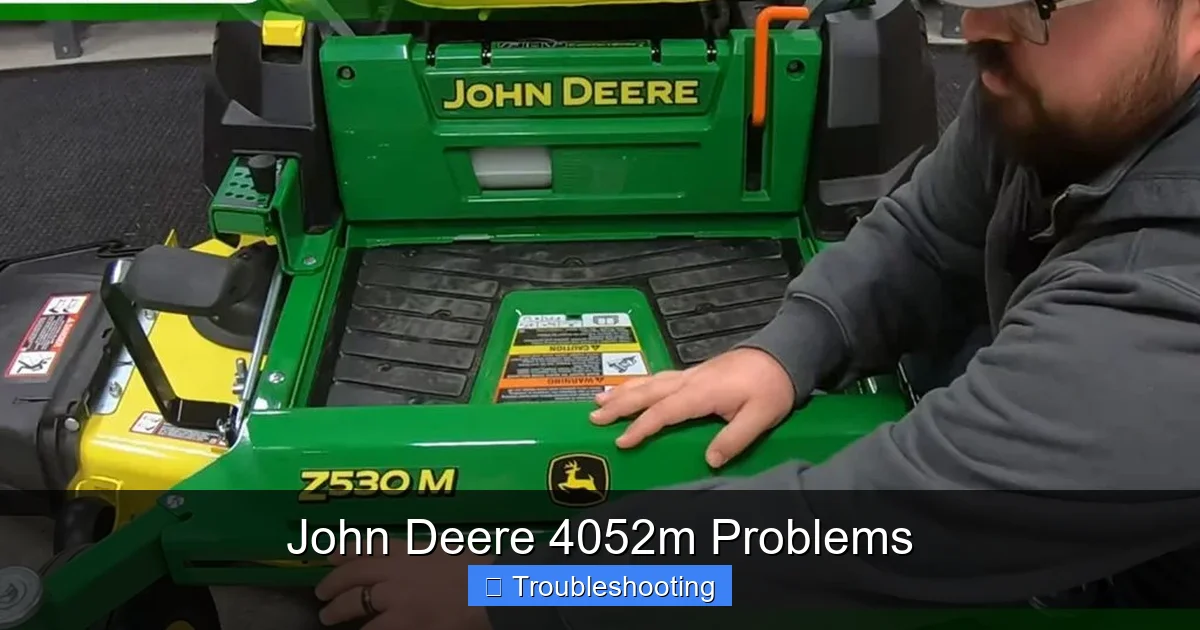
Visual guide about John Deere 4052m Problems
Image source: farmsunseed.com
Engine Stalling or Rough Idling
A common complaint among 4052M owners is engine stalling, especially during idle or low-speed operations. This can be caused by several factors, including clogged fuel filters, air in the fuel system, or faulty sensors. The John Deere PowerTech™ PSS 40 engine is generally reliable, but like any diesel engine, it depends on clean fuel and proper airflow.
For example, John, a corn farmer in Iowa, noticed his 4052M would sputter and die while tilling. After inspecting the fuel filter, he found it was completely clogged with debris. Replacing the filter and bleeding the fuel system resolved the issue. This simple fix saved him hours of downtime during planting season.
Difficulty Starting the Engine
If your 4052M struggles to start—especially in cold weather—the issue could be related to the battery, glow plugs, or fuel delivery. The 4052M uses a 12V electrical system, and weak batteries are a frequent culprit. However, worn glow plugs or a failing fuel pump can also prevent the engine from reaching operating temperature quickly.
Tip: Always check the battery terminals for corrosion and ensure the connections are tight. If the battery tests fine, consider replacing the glow plugs every 3–5 years, especially in colder climates.
Loss of Power or Sluggish Performance
Sudden drops in engine power can be alarming. This might be due to a clogged air filter, dirty injectors, or a malfunctioning turbocharger. The 4052M’s turbocharged engine relies on clean air and precise fuel injection to deliver consistent power. Over time, carbon buildup or debris can impair performance.
Regular maintenance—such as replacing the air filter every 100 hours and using high-quality diesel fuel—can prevent many of these issues. Also, avoid overloading the tractor beyond its recommended capacity, as this can strain the engine and transmission.
Transmission and Gearbox Issues in the John Deere 4052M
The transmission is the heart of your tractor’s drivetrain. For the 4052M, which features a hydrostatic transmission (HST), smooth gear shifts and consistent power delivery are essential. However, transmission problems can develop due to fluid degradation, contamination, or mechanical wear.
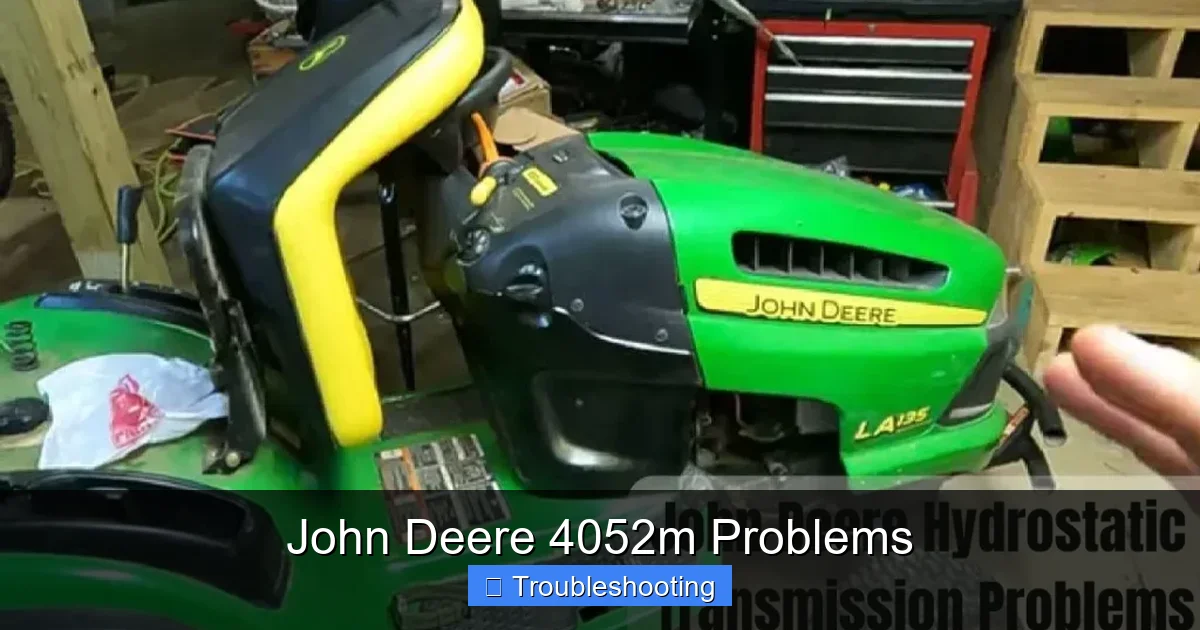
Visual guide about John Deere 4052m Problems
Image source: lawnask.com
Slipping Gears or Slow Response
If your 4052M hesitates when you press the accelerator or feels like it’s “losing power” during operation, the HST may be at fault. Slipping or delayed response often indicates low hydraulic fluid levels or worn internal components. The hydrostatic transmission uses pressurized oil to transfer power, and any drop in fluid pressure can reduce efficiency.
Solution: Check the transmission fluid level regularly and top it off with the recommended John Deere Hy-Gard™ oil. If the fluid appears dirty or smells burnt, it’s time for a full flush and filter replacement. Contaminated fluid is a leading cause of transmission failure in compact tractors.
Unusual Noises from the Transmission
Grinding, whining, or clicking sounds coming from the transmission area are red flags. These noises often point to worn bearings, damaged gears, or air trapped in the system. In some cases, the issue may stem from a failing pump or a cracked housing.
Tip: Keep a maintenance log to track when noises first appeared. This helps technicians pinpoint whether the problem developed gradually or suddenly, which can influence repair strategy.
Overheating of the Transmission
Excessive heat can damage the transmission over time. Common causes include overloading the tractor, driving too fast in high gear, or using the wrong type of fluid. The 4052M’s HST is designed to operate within a specific temperature range, and prolonged overheating can lead to seal failures and internal wear.
Prevention: Avoid continuous heavy workloads without breaks. Allow the tractor to cool down after long hours of use, and always use the correct fluid specification as outlined in the operator’s manual.
Hydraulic System Failures and Leaks
The hydraulic system powers the 4052M’s front loader, 3-point hitch, and other attachments. Hydraulic issues are among the most common John Deere 4052M problems, especially in older models. Leaks, weak lift performance, and slow response can all signal trouble in this critical system.
Visual guide about John Deere 4052m Problems
Image source: motorcurious.com
Hydraulic Fluid Leaks
Visible leaks around hoses, fittings, or the cylinder are a clear sign of hydraulic system damage. These leaks not only waste fluid but can also lead to contamination and loss of pressure. Common leak points include the cylinder rod seals, hose connections, and the reservoir cap.
Solution: Inspect the hydraulic lines regularly, especially after heavy use. Replace any cracked or worn hoses immediately. Tighten loose fittings and use thread seal tape on male threads to prevent leaks.
Weak Lift Performance
If your front loader struggles to lift heavy loads or drops slowly, the issue may be low fluid levels, air in the system, or a failing pump. The 4052M’s hydraulic pump is designed to deliver consistent flow, but internal wear or contamination can reduce output.
Tip: Bleed the hydraulic system after replacing any components or adding fluid. Air trapped in the lines can cause spongy controls and reduced lift strength.
Contaminated Hydraulic Fluid
Dirty or degraded fluid is a silent killer of hydraulic systems. Over time, moisture, dirt, and metal particles can accumulate, leading to premature wear of seals and valves. This is especially common in tractors used in muddy or dusty environments.
Recommendation: Change the hydraulic filter every 100 hours and replace the fluid every 500 hours or annually, whichever comes first. Use only John Deere Hy-Gard™ fluid for optimal performance.
Electrical and Sensor Malfunctions
The 4052M relies on a sophisticated electrical system to monitor engine performance, control transmissions, and operate accessories. Electrical issues are tricky because they can mimic mechanical problems. A flickering light or warning message doesn’t always mean a broken wire—it could be a faulty sensor or poor connection.
Warning Lights and Error Codes
Modern tractors like the 4052M use a CAN bus system to communicate between components. When something goes wrong, the onboard computer displays a warning light or error code. Common issues include coolant temperature sensor faults, fuel pressure warnings, or alternator failures.
Example: Sarah, a vineyard owner, noticed the “Check Engine” light on her 4052M. Using a diagnostic scanner, she pulled a code indicating a faulty coolant temperature sensor. Replacing the sensor fixed the issue and restored normal operation.
Dead Battery or Slow Cranking
A weak battery can cause starting problems and drain the alternator over time. The 4052M’s electrical system draws power for the glow plugs, fuel pump, and control modules during startup. If the battery is old or damaged, the engine may crank slowly or not at all.
Solution: Test the battery voltage with a multimeter. A healthy battery should read 12.6 volts or higher when the engine is off. If it drops below 12 volts, it’s time for a replacement.
Faulty Sensors and Wiring Harnesses
Sensors monitor everything from engine RPM to hydraulic pressure. If a sensor fails, it can send incorrect data to the ECU, leading to poor performance or shutdowns. Wiring harnesses can also fray or disconnect, especially in high-vibration areas.
Prevention: Inspect wiring harnesses annually for cracks, burns, or loose connections. Use dielectric grease on connectors to prevent corrosion.
PTO and Power Take-Off Problems
The Power Take-Off (PTO) system powers implements like mowers, balers, and tillers. The 4052M features a 540 RPM PTO, and issues with engagement or operation are common John Deere 4052M problems.
PTO Won’t Engage
If the PTO clutch doesn’t engage when you press the switch, the issue could be a worn clutch plate, a faulty solenoid, or a broken control wire. The PTO system uses a hydraulic clutch that requires proper fluid pressure to function.
Solution: Check the hydraulic fluid level and ensure the PTO switch is functioning. If the clutch plates are worn—evident by slipping or burning smells—they’ll need replacement.
PTO Slips Under Load
Slipping PTOs are frustrating, especially during mowing or baling. This usually indicates worn clutch plates or low hydraulic pressure. Over time, the friction material in the clutch wears down, reducing grip.
Tip: Avoid overloading the PTO with heavy implements. Use the right size mower deck or baler that matches the 4052M’s power output.
Unusual PTO Noises
Grinding or rattling sounds from the PTO housing suggest bearing failure or misalignment. These components are critical and should be inspected during routine maintenance.
Recommendation: Have the PTO assembly inspected by a certified technician if unusual noises persist. Early detection can prevent costly repairs.
Steering and Tire Wear Issues
While not as common as engine or hydraulic problems, steering and tire issues can affect safety and performance. The 4052M uses power steering, which relies on hydraulic fluid and a steering gear. Wear in either system can lead to resistance or uneven handling.
Hard Steering or Resistance
If turning the steering wheel feels stiff or requires more effort, the power steering pump may be failing or the fluid may be contaminated. Low fluid levels or a worn pump can reduce assist.
Solution: Check the power steering fluid level and condition. Replace the fluid and filter if it appears dirty. If the problem persists, have the pump and steering gear inspected.
Uneven Tire Wear
Uneven tread wear on the front or rear tires can indicate alignment issues or overloading. The 4052M is front-wheel assist, so front tires wear faster under normal use. However, excessive wear may suggest improper inflation or mechanical issues.
Tip: Check tire pressure monthly and maintain the recommended PSI. Rotate tires every 500 hours to promote even wear.
Preventive Maintenance to Avoid John Deere 4052M Problems
The best way to avoid John Deere 4052M problems is through consistent preventive maintenance. The manufacturer recommends a detailed service schedule, but many owners skip steps, leading to avoidable breakdowns.
Follow the Maintenance Schedule
Refer to the operator’s manual for the recommended service intervals. These include oil changes every 100 hours, filter replacements, and fluid checks. Sticking to the schedule reduces the risk of mechanical failure.
Use Genuine John Deere Parts
While aftermarket parts may seem cheaper, they often lack the durability and fit of OEM components. Using genuine John Deere parts ensures compatibility and longevity.
Keep the Tractor Clean
Dirt, mud, and debris can clog filters, damage seals, and promote corrosion. After each use, clean the engine compartment, undercarriage, and hydraulic lines. A clean tractor is a healthy tractor.
Monitor Fluid Levels Daily
A quick walk-around before starting your tractor can reveal leaks, low fluid, or loose connections. Make it a habit to check oil, coolant, and hydraulic levels every time you use the machine.
Conclusion: Keep Your John Deere 4052M Running Strong
The John Deere 4052M is a capable and durable tractor, but it’s not invincible. Like any machine, it will face challenges over time—especially if maintenance is neglected. By understanding the most common John Deere 4052M problems and taking proactive steps, you can avoid costly repairs and keep your tractor in peak condition.
From engine stalling and hydraulic leaks to transmission issues and electrical faults, each problem has a solution—often one that’s simple and inexpensive. Regular maintenance, using genuine parts, and listening to your machine are the keys to long-term reliability.
Whether you’re mowing fields, hauling hay, or operating attachments, your 4052M is a valuable asset. With the right care and attention, it will continue to deliver performance season after season.
Frequently Asked Questions
What are the most common John Deere 4052M problems?
The most common John Deere 4052M problems include engine stalling, hydraulic leaks, transmission slipping, electrical sensor faults, and PTO engagement issues. These problems often stem from poor maintenance or wear over time.
How do I fix a John Deere 4052M that won’t start?
First, check the battery and connections. If the battery is weak, replace it. Next, inspect the fuel filter and bleed the fuel system. If the issue persists, test the glow plugs and fuel pump for proper operation.
Why is my John Deere 4052M losing hydraulic pressure?
Low hydraulic pressure is usually due to low fluid levels, air in the system, or a failing pump. Check the fluid level, bleed the system, and inspect for leaks. Contaminated fluid can also reduce performance.
Can I use aftermarket parts on my John Deere 4052M?
While aftermarket parts are available, genuine John Deere parts are recommended for optimal performance and compatibility. They are designed specifically for your tractor and often come with warranties.
How often should I change the oil in my John Deere 4052M?
John Deere recommends changing the engine oil every 100 hours of operation or once per year, whichever comes first. Use SAE 15W-40 or the oil specified in your operator’s manual.
What should I do if my John Deere 4052M displays a warning light?
Use a diagnostic scanner to read the error code. Common issues include sensor faults or low fluid levels. Address the root cause promptly to prevent further damage.
