
Riding Lawn Mower Fuel Filter Not Filling Up: Fix It
A riding lawn mower fuel filter that is not filling up can look alarming. You may see only a small amount of fuel in the clear filter, or the filter may look almost empty while the engine runs poorly or will not start. In many cases, this is not a problem. Fuel filters do not always stay completely full, especially on gravity-fed mower systems.
Still, an empty filter can point to a closed fuel valve, a blocked tank vent, a cracked fuel line, a weak fuel pump, or a clogged filter. The right fix depends on how your riding mower moves fuel from the tank to the carburetor or fuel-injection system. A small lawn tractor, a zero-turn mower, and an older garden tractor may use very different parts.
This guide explains why a riding lawn mower fuel filter is not filling up, how to test the fuel system safely, and when a simple repair is enough. It is written for new homeowners, hands-on DIY users, and family members helping an older mower owner. You do not need advanced engine skills for the first checks, but fuel work calls for care.
Affiliate disclosure: This article may contain affiliate links. If you buy through one, we may earn a commission at no extra cost to you. Always confirm the mower model, fuel-system type, filter size, hose diameter, and replacement part number in the owner’s manual before buying.
Why a Riding Mower Fuel Filter May Not Fill
The main reason a riding mower fuel filter does not fill is that fuel is not moving through the line at the needed rate. The cause may be normal filter behavior, a fuel-flow blockage, or a pump that is not creating enough flow. Start with simple checks before replacing costly parts.

A partly empty filter can be normal
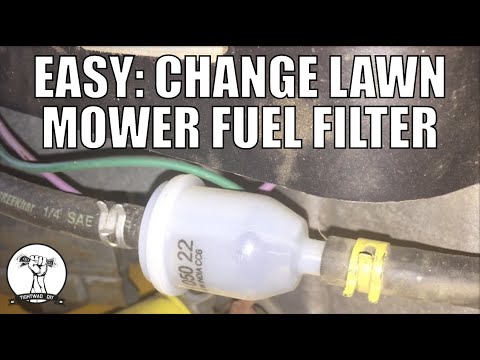
Many riding mowers use a clear inline fuel filter. These filters may show an air pocket even when the mower is working correctly. The filter does not need to look full to supply fuel to the carburetor.
A gravity-fed system uses the height of the fuel tank to move gasoline downhill. The tank, fuel hose, and carburetor must be arranged so fuel can flow without a pump. If the filter sits higher than part of the fuel line, air may remain inside it.
A filter can also empty after the mower sits for several days. Fuel may drain back toward the tank or carburetor. The filter may refill when the engine cranks, but only if fuel can move freely.
The filter direction may be wrong
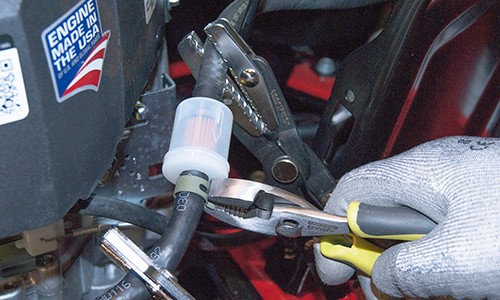
Most inline filters have an arrow. The arrow must point toward the carburetor or fuel pump. If the filter is installed backward, it may restrict flow or fail to work as designed.
This is a common mistake after a spring tune-up. A filter can look correct at a glance because both ends accept the fuel hose. Turn off the fuel supply, then compare the arrow with the direction of fuel travel.
Fuel flow depends on mower design
Older riding lawn mowers often use gravity feed. Many newer models use a pulse fuel pump. A pulse pump uses pressure changes from the engine crankcase to move fuel from the tank.
Some mowers use an electric fuel pump. These systems may need a key-on signal, a fuse, a relay, or a working battery. A filter that stays empty on a pump-fed mower deserves more attention than one on a simple gravity-fed tractor.
Quick facts about an empty fuel filter
The table below shows what the filter may be telling you. It is a starting point, not a final diagnosis.
| What you see | Likely meaning | First check |
|---|---|---|
| Filter is half full and engine runs well | Often normal | Watch for leaks or stalling |
| Filter stays empty after cranking | Fuel is not reaching it | Tank valve, hose, vent, or pump |
| Filter fills, then empties while running | Air leak or weak supply | Hose joints and tank outlet |
| Filter is full but engine will not start | Problem may be farther along | Carburetor, spark, or engine controls |
| Filter has dark fuel or debris | Filter may be restricted | Replace filter and inspect tank |
| Fuel moves in pulses or bubbles | Pump or air leak may be involved | Pump hoses and fuel-line seals |
The key takeaway is simple: a filter does not need to be completely full. The engine’s starting and running behavior matters more than the air space alone.
Quick Answer: What Should You Check First?
If your riding lawn mower fuel filter is not filling up, first park on level ground, shut off the engine, and let it cool. Confirm that the tank has fresh fuel, the fuel valve is open, the filter arrow points toward the engine, and the fuel line is not kinked. If fuel does not flow from the tank with the line disconnected, check the tank outlet and cap vent. If fuel reaches the filter but does not move toward the carburetor, inspect the filter and fuel pump.

Do not remove fuel lines near a hot engine. Wear safety glasses and gloves. Keep sparks, cigarettes, heaters, and open flames away from gasoline.
Common Symptoms That Help Find the Fault
The symptom often tells you where to look. A mower that starts and runs normally may have a harmless air pocket. A mower that surges, stalls, or only runs with starting fluid has a deeper fuel-delivery issue.

The engine cranks but does not start
A starter motor may turn the engine while no fuel reaches the carburetor. This can happen when the tank valve is closed, the hose is blocked, or the fuel pump is not working.
Do not keep cranking for long periods. Long cranking can drain the battery and heat the starter. Crank for short periods, then allow the starter to cool.
The engine starts and then dies
This pattern often means the carburetor receives a small amount of fuel, but the supply cannot keep up. A blocked tank vent is a strong possibility. As fuel leaves the tank, air must enter to replace it.
A restricted filter or soft fuel hose can cause the same symptom. On pump-fed systems, a failing pulse pump may work briefly and then lose output.
The mower runs better with the fuel cap loose
This is a classic sign of a blocked fuel-cap vent. Do not treat a loose cap as a permanent fix. Replace the cap with the correct part after confirming the diagnosis.
The vent may be built into the cap or tank. Dirt, dried fuel, insects, and rust can block it. Never drill a hole in the cap.
The filter has bubbles
A few bubbles may be normal. A steady stream of bubbles can mean the system is pulling air through a cracked hose, loose clamp, damaged filter seal, or poor connection.
Small-engine fuel hose can become hard with age. It may look fine on the outside but fail to seal at the filter barb. Replace old hose with fuel-rated hose of the correct inside diameter.
Fuel reaches the filter but not the carburetor
This points to a clogged filter, wrong filter direction, pinched hose, stuck fuel-shutoff valve, or failed pump. If the filter is full but the carburetor bowl remains dry, the restriction is likely downstream.
The carburetor inlet needle may also be stuck. That repair is more involved and may require removing the carburetor.
The mower surges while cutting
Surging means engine speed rises and falls without steady throttle changes. A lean fuel mix, restricted fuel flow, dirty carburetor, or air leak can cause it.
Wet grass and a dull blade can also load the engine. Do not blame the filter until you check the mower deck, blade condition, and mowing height.
Main Causes of a Fuel Filter That Stays Empty
A fuel filter can stay empty because fuel cannot leave the tank, cannot pass through the filter, or cannot be pulled by the pump. The table below groups the most common causes by location.
| Cause | What happens | Typical clue |
|---|---|---|
| Closed fuel valve | Fuel cannot leave the tank | No fuel at the tank-side hose |
| Blocked tank outlet | Debris stops fuel flow | Flow is weak or absent at the outlet |
| Clogged tank vent | Vacuum forms inside the tank | Runs better with cap loosened |
| Kinked fuel hose | Hose limits flow | Sharp bend near filter or engine |
| Collapsed old hose | Inner wall closes under suction | Hose looks soft or cracked |
| Backward filter | Filter restricts fuel flow | Arrow points toward tank |
| Plugged filter | Dirt blocks gasoline | Dark filter or poor engine power |
| Weak pulse pump | Pump cannot move enough fuel | Filter pulses but stays low |
| Bad electric pump circuit | Pump never runs | No pump sound with key on |
| Air leak | Air enters instead of fuel | Bubbles, wet hose joints |
| Stuck carburetor needle | Fuel stops at carburetor | Filter may be full but bowl is dry |
| Wrong filter type | Filter creates excess restriction | New filter causes poor flow |
The most common low-cost fixes are correcting filter direction, replacing an old filter, replacing brittle hose, and clearing a blocked tank vent. A fuel pump or carburetor repair needs more testing.
How to Diagnose the Fuel System Safely
A careful diagnosis is better than replacing parts at random. Work outside or in a well-ventilated space. Keep a suitable fuel container ready, and use only small amounts of gasoline during testing.

Tools and supplies
You may need basic hand tools, a flashlight, a fuel-safe container, a clean rag, safety glasses, work gloves, and replacement fuel hose. A spark tester and a small multimeter can help with later tests.
| Tool or supply | Use | Helpful for |
|---|---|---|
| Safety glasses and gloves | Protect eyes and skin | Every fuel-system check |
| Fuel-safe container | Catch gasoline | Hose and tank-flow tests |
| Pliers or nut driver | Remove clamps | Filter and hose service |
| Flashlight | Inspect cracks and debris | Tank outlet and hose routing |
| Spark tester | Check ignition separately | No-start diagnosis |
| Multimeter | Test pump power and ground | Electric fuel pumps |
| Correct fuel filter | Restore clean flow | Restricted or old filters |
| Fuel-rated hose | Replace damaged line | Air leaks and soft hose |
Use a tool that fits the clamp. Prying on a hose with a screwdriver can damage the hose barb or cause a leak.
Step 1: Park and prepare the mower
Park the mower on level ground. Set the parking brake, remove the key, and place the transmission in neutral or park. Turn off the engine and wait until the muffler and engine are cool.
Keep children and pets away. Do not work in a closed garage unless the area has strong ventilation and no ignition sources. Gasoline vapors can travel along the floor and ignite far from the mower.
Step 2: Check the fuel itself
Confirm that the tank has enough fresh gasoline. A very low fuel level may not provide enough head pressure on some gravity-fed systems.
Old gasoline can form gum and varnish. These deposits can block the tank outlet, carburetor needle, and small passages. Fuel stabilizer can help preserve gasoline during storage, but it cannot restore badly degraded fuel.
Check the owner’s manual for the correct fuel type. Many modern small engines call for regular unleaded fuel with a specified ethanol limit. Never guess if the manual gives a different requirement.
Step 3: Inspect the filter arrow
Find the arrow on the filter body. It should point in the direction of fuel travel. On most riding mowers, that means toward the fuel pump or carburetor.
Look for a filter that is cloudy, dark, swollen, cracked, or full of sediment. A paper filter may not be easy to inspect. If the service interval is unknown, replacing it with the exact type listed for the mower is often sensible.
Step 4: Follow the hose from tank to engine
Trace the full fuel line. Look for tight bends, crushed areas, heat damage, cracks, and loose clamps. Pay close attention where the hose passes near the engine, frame, steering parts, or mower deck.
A line may be pinched only when the hood is closed. Move the hood and steering parts through their normal range while watching the hose. Do not allow the line to touch the muffler.
Step 5: Test fuel flow from the tank
If the mower has a fuel shutoff valve, close it first. Place a fuel-safe container under the tank-side hose connection. Remove the hose carefully, then open the valve or allow fuel to flow according to the manual.
Fuel should run in a steady stream on a gravity-fed system. If only a drip appears, inspect the tank outlet, valve screen, and cap vent. Do not use your mouth to blow through a fuel line.
Step 6: Check the tank cap vent
With the tank cap installed, start or crank the mower only if the manual and safe conditions allow it. If the mower runs better when the cap is loosened, the vent may be blocked.
A safer bench check is to inspect the cap for dirt and damage. Replace a suspect cap with the correct model-specific part. Never leave the cap loose while mowing.
Step 7: Check the filter and outlet hose
If fuel reaches the filter, inspect the filter position and the hose leaving it. A filter that stays empty may have a blocked outlet or a restriction on the engine side.
On a gravity-fed mower, briefly disconnecting the outlet hose can show whether fuel exits the filter. Catch the fuel in a container and stop if flow is poor. On a pump-fed mower, this test may not show much because the pump must be operating.
Step 8: Test a pulse fuel pump
A pulse fuel pump usually has a fuel inlet, fuel outlet, and a small pulse hose connected to the engine crankcase. The pulse hose must be tight and free from cracks.
If the inlet has fuel but the outlet does not deliver fuel while cranking, the pump may be worn. A damaged pulse hose can cause the same result. Replace the hose only with the correct fuel- and heat-rated part.
Do not use starting fluid as a regular diagnostic method. It can hide a fuel problem and may damage the engine when overused.
Step 9: Test an electric fuel pump
Some riding mowers use an electric pump. With the key in the position specified by the manual, you may hear a brief hum. Silence does not prove the pump is bad.
Check the fuse, wiring, ground, and battery voltage. A weak battery can turn the starter but still create low voltage for pump operation. Use a multimeter only if you know how to test automotive-style circuits safely.
Fixes for a Riding Lawn Mower Fuel Filter Not Filling
The best repair is the smallest repair that restores safe fuel flow. Replace only parts that fail inspection or testing. Before opening the system, take a photo of hose routing and clamp positions.

Correct the filter direction
Install the filter with its arrow pointing toward the carburetor or fuel pump. Use clamps that fit the hose and filter barb. Do not force a filter onto a hose that is too large or too small.
After installation, inspect both ends for leaks. Start the engine only after wiping away spilled fuel and allowing vapors to clear.
Replace a restricted fuel filter
A filter is a wear item. Replace it if it is dirty, damaged, swollen, or older than the schedule in the manual. Use the correct filter for gasoline and the mower’s fuel-flow design.
Some filters are made for gravity systems. Others are designed for pressurized or pump-fed systems. A filter that looks similar may still have too much restriction.
Replace cracked or stiff fuel hose
Fuel hose wears from heat, ethanol, vibration, and age. Replace the full damaged section rather than wrapping a crack with tape. Tape is not a fuel-system repair.
Measure the old hose’s inside diameter if the manual does not list it. Confirm that the new hose is rated for small-engine gasoline service. Route it away from hot surfaces and moving parts.
Clean a blocked tank outlet
A tank outlet may contain a screen or small passage. Dirt and rust can block it. Drain fuel into an approved container, then remove and clean the outlet only if the manual gives a safe method.
Do not push debris deeper into the tank. If the tank has heavy rust or loose sediment, a repair shop may need to clean or replace it.
Replace a blocked fuel cap
A vented cap is part of the fuel system. If its vent is blocked, the tank can form a vacuum and stop fuel flow. Replace it with the correct cap for the mower.
Do not substitute a sealed cap. Do not drill or enlarge a vent hole. The cap must control vapor release as designed.
Replace a failed pulse pump
A pulse pump is usually inexpensive compared with major engine repairs, but the part must match the engine. Compare the old pump’s ports and mounting pattern with the replacement.
Inspect the pulse hose before replacing the pump. A new pump cannot work if the pulse signal is lost through a cracked hose or loose connection.
Service the carburetor
If fuel reaches the carburetor but the engine still will not run, the inlet needle, float, main jet, or bowl may be dirty. A carburetor cleaner spray may not reach every internal passage.
A basic carburetor service involves draining fuel, removing the bowl, cleaning passages, and replacing gaskets as needed. Follow the engine manual. If the carburetor contains corrosion or damaged parts, replacement may be more practical.
Consider fuel injection
Some newer riding mowers use electronic fuel injection. These systems have different parts, including an electric pump, injector, fuel rail, sensors, and electronic controls.
Do not use carburetor troubleshooting steps on a fuel-injected mower without checking the service manual. High-pressure fuel systems can be dangerous. Use a qualified technician when the manual calls for pressure testing.
Problems You Can Fix and Problems That Need More Testing
Not every empty filter needs a repair. The following guide helps separate simple checks from situations that call for a shop.

| Situation | Reasonable home check | When to stop |
|---|---|---|
| Filter is partly full, mower runs well | Observe for leaks | Stop if fuel smells strong |
| Arrow points backward | Reinstall correctly | Stop if hose or barb is damaged |
| No fuel from tank hose | Check valve, cap, and outlet | Stop if tank must be removed |
| Fuel reaches filter but not carburetor | Replace correct filter | Stop if pump testing is unclear |
| Bubbles appear at hose joint | Replace hose or clamp | Stop if leak continues |
| Pump has no output | Inspect pulse hose or wiring | Stop if electrical test is unsafe |
| Carburetor bowl stays dry | Check inlet path | Stop if carburetor removal is needed |
| Fuel leaks near muffler | Shut down immediately | Call a repair shop if source is unclear |
A fuel leak near an exhaust pipe is not a minor issue. Do not run the mower until the leak is repaired and spilled fuel has evaporated.
Maintenance That Helps Prevent Fuel-Flow Problems
Clean fuel and good storage reduce many fuel-filter complaints. A riding mower used weekly in a large yard needs a different routine from a tractor used twice a month on a small property.

Keep the fuel system clean
Buy fresh fuel from a busy station when possible. Store gasoline only in an approved container. Keep the container sealed and out of direct sun.
Fuel stabilizer can help when fuel will sit during winter or other long storage. Follow the product label and the engine manual. Stabilizer does not fix water contamination or a clogged carburetor.
Change filters on schedule
Use the maintenance schedule for your engine and mower. If you mow dusty areas, cut dry grass, or store the mower in a dirty shed, inspect the filter more often.
Do not wash a disposable paper fuel filter. Replace it. Some filters may be cleanable, but only if the manufacturer says so.
Protect the air filter too
A dirty air filter can mimic a fuel problem. The engine needs the right balance of fuel and air. A clogged air filter may cause poor power, smoke, or rough running.
Inspect the air filter when you inspect the fuel filter. Replace foam or paper elements according to the manual. Keep grass clippings away from the air-intake area.
Maintain the spark plug
A fouled spark plug can make you think the mower is not getting fuel. Remove and inspect the plug only with the ignition off and the spark-plug wire disconnected.
Replace the plug with the correct heat range and gap. The spark plug is a wear item, like a mower blade, belt, air filter, and fuel filter.
Store the mower correctly
For seasonal storage, clean grass from the deck and engine area. Change oil if the manual recommends it before storage. Keep the mower in a dry shed or garage with good airflow.
Do not store gasoline in a living area. Follow local fuel-storage rules. If you drain fuel, take old gasoline to a household hazardous-waste site rather than pouring it on soil or down a drain.
A Simple Maintenance Schedule
A small routine can prevent a filter problem from becoming a spring starting problem. Adjust the schedule to match the owner’s manual, climate, and mowing hours.
| Timing | Task | Why it helps |
|---|---|---|
| Before each mow | Check fuel leaks and hose damage | Finds unsafe problems early |
| Before each mow | Clear grass from engine area | Reduces heat and debris |
| Every few uses | Inspect filter appearance | Spots dirt or water |
| Monthly during use | Check hose routing and clamps | Prevents air leaks |
| At service time | Replace fuel and air filters | Supports steady fuel flow |
| Before storage | Add stabilizer if approved | Helps limit stale fuel |
| After storage | Inspect fuel system | Finds cracks and rodent damage |
Take a short look under the hood before mowing. This habit often catches a loose hose before it leaves you with a dead mower in the middle of the yard.
When to Call a Repair Shop
Call a repair shop when fuel leaks continue, the tank needs major cleaning, the mower has electronic fuel injection, or electrical testing feels beyond your skill. A professional can test fuel pressure, pump output, ignition, compression, and carburetor operation.

A shop visit also makes sense when the mower is still under warranty. Opening certain fuel-system parts may affect warranty service. Check the warranty terms first.
Older riding mowers may need more than a filter. A worn fuel pump, cracked intake gasket, weak compression, damaged wiring, or blocked carburetor can create similar symptoms. Good diagnosis saves money by avoiding a pile of unnecessary parts.
Repair or replace the mower?
A filter and hose repair is usually worth doing on a sound mower. The decision changes if the deck is badly rusted, the transmission slips, the frame is cracked, or the engine has major internal damage.
For a small, flat yard, a push mower or battery mower may cost less to maintain than an aging riding mower. A self-propelled mower can suit a medium yard if walking is safe and comfortable. A riding mower makes more sense when the lawn is large, open, and tiring to cover on foot.
A zero-turn mower can save time on broad lawns with many obstacles, but it may be a poor choice for steep slopes or tight storage. A robotic mower can reduce mowing labor on a suitable, contained lawn, yet it needs boundary setup and a secure charging area.
Choosing the Right Replacement Parts
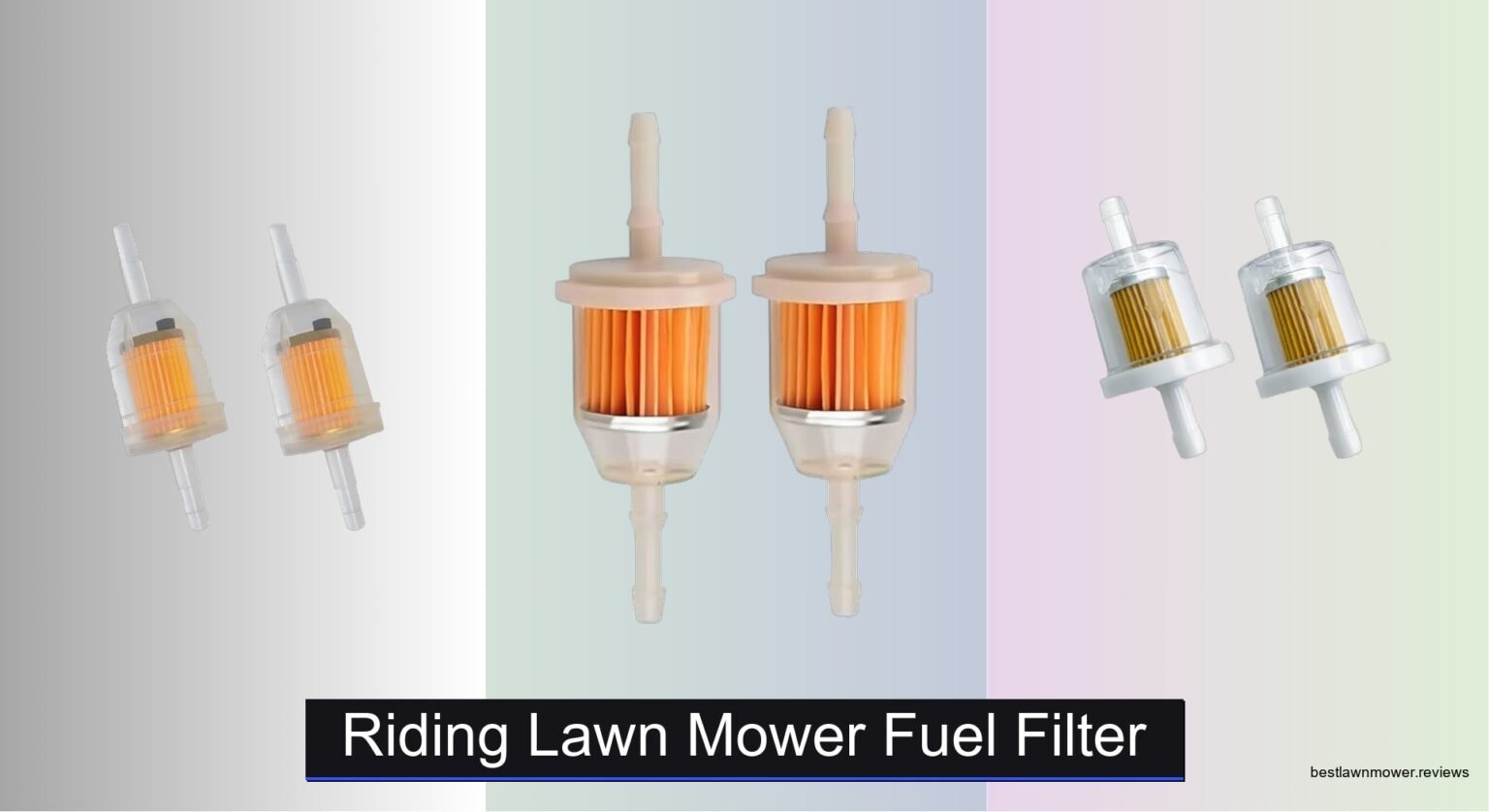
A replacement filter is not automatically correct because it fits the hose. Confirm the engine brand, mower model, fuel-system type, hose diameter, filter arrow, and part number.

What to confirm before buying
Take the old filter to a hardware store or outdoor power equipment dealer if you are unsure. A dealer can often cross-reference the mower model, but the owner’s manual remains the best source.
Check these details:
- Mower make and model
- Engine make and model
- Gravity-fed or pump-fed fuel system
- Filter inlet and outlet size
- Filter direction
- Hose inside diameter
- Fuel compatibility
- Manufacturer replacement number
- Clamp size and type
- Whether the mower uses carburetion or fuel injection
Avoid universal parts when the manual calls for a specific filter. Universal products can work in some systems, but the flow rate and restriction must match.
How much should a repair cost?
The cost depends on the mower and the part. A filter or short piece of hose is usually a small repair. A fuel pump, tank, carburetor, or electronic fuel-system diagnosis costs more in parts and labor.
Ask a repair shop for a diagnosis before approving major work. Request an estimate that separates parts, labor, cleaning, and disposal fees. For gift buyers helping a senior homeowner, arranging diagnosis may be safer than leaving unfamiliar fuel work for them.
| Repair level | Typical work | Skill level |
|---|---|---|
| Basic | Filter direction, clamp, visual hose check | Beginner |
| Simple replacement | Filter, cap, short hose | Beginner to intermediate |
| Moderate | Tank outlet or pulse pump | Intermediate |
| Advanced | Carburetor rebuild or electric pump testing | Experienced DIYer |
| Professional | Fuel injection or major tank repair | Repair shop |
The best choice depends on yard size, mower age, budget, and the owner’s comfort with repairs. A low-cost repair can extend a useful mower, while a major repair may not make sense on a worn machine.
Safety Rules for Fuel Filter Work
Gasoline can burn skin, irritate the lungs, and ignite from a small spark. Treat every fuel-system repair as a safety task, not just a mechanical task.

- Wear safety glasses, work gloves, and closed-toe shoes.
- Work outdoors or in a well-ventilated space.
- Keep children and pets away.
- Clear dry grass and debris from the work area.
- Never refuel a hot engine.
- Never smoke or use an open flame near fuel.
- Disconnect the spark-plug wire or remove the battery before servicing, as the manual directs.
- Keep a proper fire extinguisher nearby.
- Catch fuel in an approved container.
- Wipe spills at once and let vapors clear.
- Do not start the mower until all connections are dry.
- Follow the owner’s manual.
⚠️ Safety Warning: Never test for fuel flow over a hot muffler. If gasoline reaches the exhaust, stop work, move away, and allow the mower to cool fully before cleaning the spill.
📜 Check Local Rules: Some cities and HOAs limit gas-powered equipment, mowing hours, noise, or fuel storage. Confirm local rules before repairing, operating, or storing a riding mower.
Environmental and Storage Notes
Old fuel and oil need proper disposal. Never pour gasoline into a drain, onto soil, into a storm sewer, or into household trash.
Take old fuel and used oil to a household hazardous-waste site or a collection point that accepts them. Recycle lithium-ion batteries from battery mowers, robotic mowers, and outdoor power tools at designated battery drop-offs.
If the mower is beyond repair, donate it if it is usable. Otherwise, ask a mower dealer, metal recycler, or local waste program about recycling. Remove fuel and oil only as directed by the recycling program.
A clean, dry storage space protects more than the fuel system. It can also reduce rust on the deck, damage to belts, nesting in the engine bay, and moisture problems in electrical connectors.
💡 Pro Tip: Take a photo of the fuel-line path before removing a hose. The image can prevent a routing mistake that creates a kink or places the line too close to the muffler.
Questions Homeowners Ask
The answers below cover the most common concerns about an empty or partly filled riding mower fuel filter.
Is it normal for a riding mower fuel filter to be half full?
Yes. A partly full filter can be normal, especially on a gravity-fed mower. If the engine starts, runs at steady speed, and does not stall, the air pocket alone may not indicate a fault.
Should a fuel filter be completely full?
No. The filter only needs to pass enough fuel for the engine. Filter shape, hose routing, tank height, and pump design affect how much air remains visible.
Why is my mower fuel filter empty after sitting?
Fuel may drain back through the line or evaporate from the filter. Check for a loose connection, a cracked hose, a blocked tank outlet, and the correct filter direction. If the mower starts normally, the empty appearance may be harmless.
Why does the filter fill only when I loosen the gas cap?
A blocked fuel-cap vent may be creating a vacuum in the tank. Replace the cap with the correct vented part. Do not mow with the cap loose.
Can a bad fuel filter stop a riding mower from starting?
Yes. A clogged or backward filter can limit fuel flow. However, no-start problems can also come from a dead battery, bad spark plug, safety switch, dirty carburetor, or low compression.
How often should I replace a riding mower fuel filter?
Use the service interval in the owner’s manual. Replace it sooner if it is dirty, cracked, swollen, water-contaminated, or linked to poor engine performance.
Can I clean and reuse a mower fuel filter?
Most disposable inline filters should be replaced, not cleaned. Check the filter instructions or mower manual. Never use compressed air in a way that can send fuel or debris toward your face.
Why does my mower filter bubble while the engine runs?
A few bubbles may occur in normal operation. Many bubbles or a constant stream can point to an air leak, loose clamp, cracked hose, weak pump, or poor filter seal.
Does fuel stabilizer unclog a fuel filter?
No. Stabilizer helps protect fuel during storage. It does not remove dirt, rust, varnish, or water from a clogged filter or carburetor.
Is a fuel pump hard to replace?
A pulse pump may be a manageable repair for an experienced DIY user. An electric or high-pressure fuel system needs more testing. Follow the manual, and use a shop if wiring or fuel pressure is involved.
Can wet grass cause a fuel filter problem?
Wet grass does not directly block the fuel filter. It can load the mower deck, cause engine bogging, and make a fuel problem seem worse. Wet slopes also increase sliding and rollover risks, so avoid mowing them.
Should I replace the mower instead of repairing it?
Repair a sound mower when the issue is a filter, hose, cap, or small pump. Consider replacement when the mower has serious deck rust, transmission trouble, frame damage, or repeated major failures.
Is a riding mower a good gift for a senior?
It can be suitable for an older adult with a large, open, fairly level yard and enough strength to operate it safely. A self-propelled battery mower, robotic mower, or lawn-care service may be better for a small yard, steep slope, or user with limited mobility.
How long can a riding mower last?
Service life varies with engine hours, storage, maintenance, terrain, climate, and repair history. Clean fuel, fresh oil, sharp mower blades, a serviced air filter, and dry storage can help reduce wear, but no exact life span applies to every mower.
Final Thoughts
A riding lawn mower fuel filter that is not filling up is not always a sign of failure. A visible air pocket can be normal when the engine receives enough fuel. The real warning signs are stalling, surging, poor power, no fuel flow, repeated bubbles, or fuel leaks.
Start with the filter arrow, fuel level, shutoff valve, tank cap, hose condition, and tank outlet. Then check the filter and pump based on the mower’s design. Use the owner’s manual for part numbers and service steps.
Keep fuel work cool, clean, and well ventilated. If the mower has a leak near the muffler, electronic fuel injection, major corrosion, or an unclear electrical fault, stop and call a qualified repair shop. A careful diagnosis protects your budget, your mower, and everyone around the yard.

2 Comments