Lawn Mower Scalping Lawn: How To Prevent Grass Damage
A lawn mower scalping lawn often cuts grass too low, exposing soil and causing ugly brown or bare patches.
A lawn mower scalping lawn is more than a cosmetic problem. It can weaken turf, stress grass roots, and create space for weeds. After years of mowing different lawn types, I have found that the fix is usually simple: raise the deck, sharpen the blade, and correct the mowing pattern. This guide explains why scalping happens, how to repair the damage, and how to prevent it next time.

What Does Lawn Mower Scalping Lawn Mean?
Lawn mower scalping lawn occurs when the mower cuts the grass crown or removes too much of the leaf blade. The crown is the growing point near the soil surface. When it gets damaged, the grass may turn yellow, brown, or completely bare.
A healthy lawn needs enough leaf tissue to make food through photosynthesis. Cutting too low removes this useful tissue. The grass then has less energy to grow new leaves and roots.
Scalping is easy to spot. You may see:
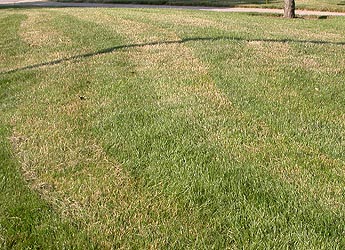
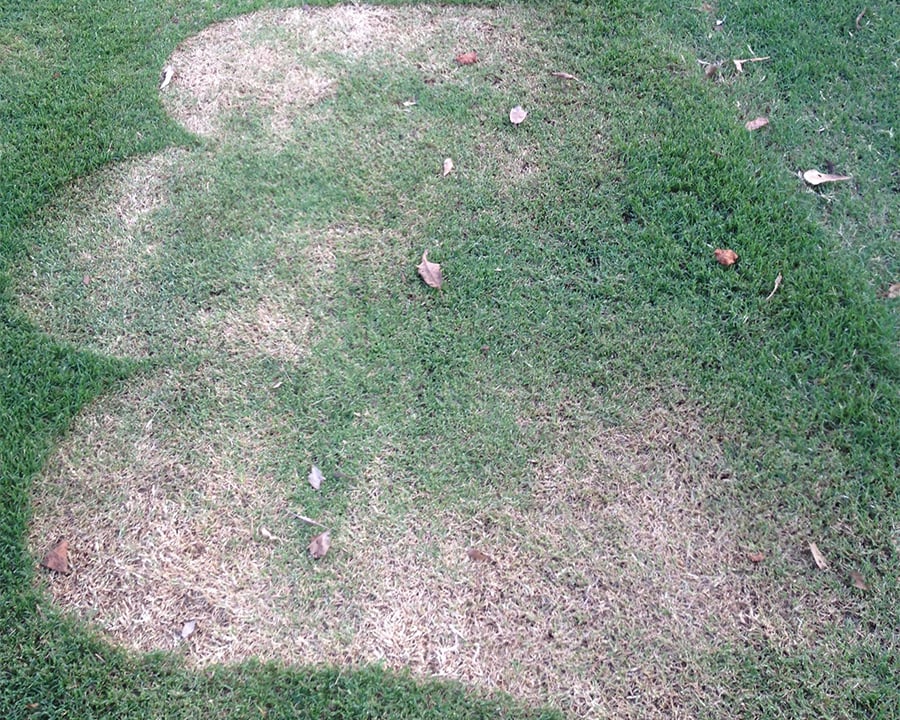
- Brown strips that match the mower deck
- White or tan stems showing through the turf
- Small areas of exposed soil
- Uneven cuts on bumps and slopes
- Grass clippings mixed with soil
- Slow recovery after mowing
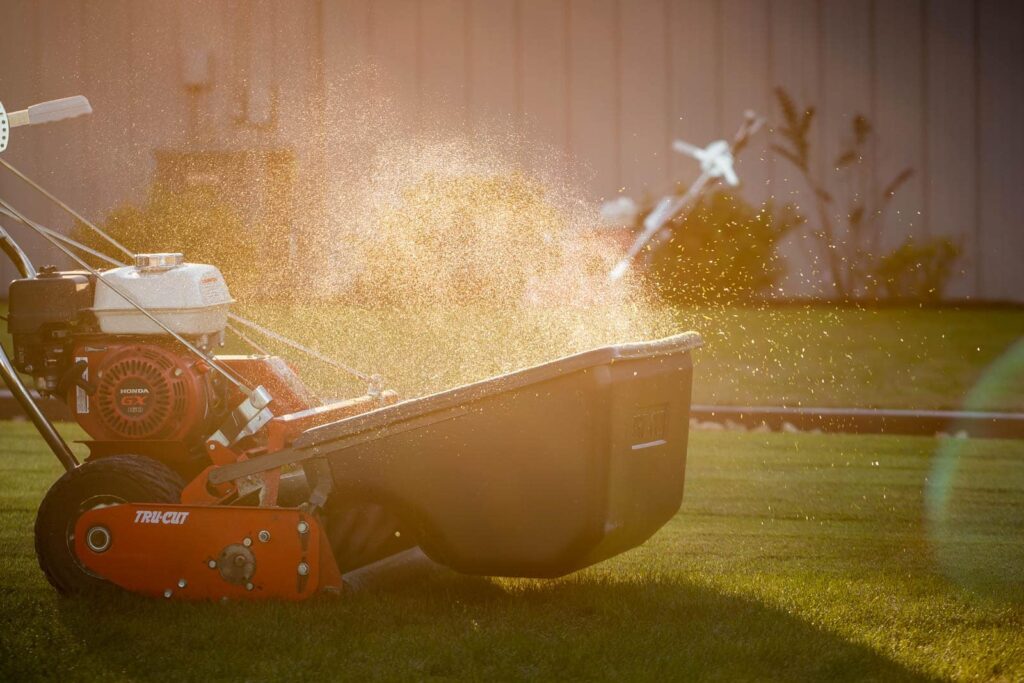
A lawn mower scalping lawn can happen with any mower type. Push mowers, riding mowers, zero-turn mowers, and robotic mowers can all scalp turf if the cutting height, blade, or ground conditions are wrong.
Why Is My Mower Scalping the Lawn?
Several problems can cause a lawn mower scalping lawn. In most cases, more than one factor is involved.
The mower deck is set too low
This is the most common cause. A low deck may work well on a smooth golf-style lawn, but it can cut into the soil on a typical home lawn with small bumps.
Warm-season grasses such as Bermuda grass may tolerate shorter mowing than cool-season grasses. Still, cutting too low at one time can damage any turf type.
The lawn is uneven
Small hills, dips, tree roots, and compacted areas can make the mower deck move closer to the ground. The mower may cut at the correct height on flat ground but scalp the lawn over a bump.
Uneven soil is common in older yards. Soil can settle after construction, tree removal, heavy rain, or repeated traffic.
The mower deck is not level
A tilted deck causes one side of the mower to cut lower than the other. This often creates a repeating pattern of scalped stripes.
Check the deck on a flat surface. Follow the mower manual when measuring the blade tips. Many decks need a slight front-to-back angle, but the exact setting depends on the mower design.
The blade is dull or damaged
A dull blade tears the grass instead of making a clean cut. A bent blade can also sit lower on one side and cause uneven cutting.
After hitting a rock, curb, or hidden root, inspect the blade. Never assume it is fine just because the mower still runs.
The grass is too tall
Cutting off more than one-third of the grass height at once can shock the plant. A very tall lawn may also force the mower deck to sink into the turf as the machine passes.
This is one reason a lawn mower scalping lawn often appears after a long period of rain. The grass grows quickly, and the owner tries to cut it back in one visit.
The ground is soft or wet
Wet soil allows mower wheels to sink. As the wheels drop, the deck moves closer to the soil and removes more grass.
Wet mowing also causes soil compaction and clumping. Both problems can reduce turf health and leave deep tire marks.
The mower speed is too fast
Fast turns, sharp pivots, and sudden changes in direction can cause a zero-turn mower to dig into the turf. This is especially common on slopes or when the ground is damp.
Slow down near corners. Make wide turns when possible, and avoid spinning the tires.

Is Scalping Always Bad for Grass?
A lawn mower scalping lawn is usually harmful when it happens by accident. It removes too much leaf tissue and may injure the crown. The damage is worse during heat, drought, cold weather, or active disease.
However, intentional scalping is sometimes used as a seasonal practice for certain warm-season grasses. Some professional turf managers cut Bermuda grass very low before spring growth begins. They then remove dead material and allow new shoots to develop.
This practice is not suitable for every lawn. It can fail when:
- The grass variety does not tolerate low mowing
- The soil is dry
- The lawn has weak roots
- Frost or heat is expected
- The mower cannot make an even cut
- The lawn has weeds or disease
If you are unsure, use a moderate mowing height. A slightly taller lawn is safer than a badly damaged one.
How Low Should You Cut Your Lawn?
The best mowing height depends on the grass type, climate, season, and lawn use. Do not choose a height only because a neighbor or online video uses it.
Common residential ranges include:
- Tall fescue: about 2.5 to 4 inches
- Kentucky bluegrass: about 2.5 to 4 inches
- Perennial ryegrass: about 2.5 to 3.5 inches
- St. Augustine grass: about 2.5 to 4 inches
- Zoysia grass: about 1 to 2.5 inches
- Bermuda grass: about 0.5 to 2 inches, depending on the variety and mower
These ranges are general guides, not strict rules. Local extension services and grass suppliers can provide better advice for your area.
Use the highest setting that still gives you the appearance you want. Taller grass often develops deeper roots and shades the soil. It may also need less water during dry weather.

How to Fix a Lawn Mower Scalping Lawn Problem
Stop mowing as soon as you notice scalping. Continuing to cut the damaged areas will increase stress.
1. Inspect the damaged area
Look for exposed soil, torn leaves, loose roots, and signs of disease. If only the leaf tips are damaged, the grass may recover quickly. If the crown is missing, that spot may need reseeding or new sod.
2. Raise the mower deck
Increase the cutting height by about one-half inch to one inch. Make only small changes, then test the mower on a hidden section.
Avoid cutting the lawn again until it has started to recover. Grass needs time to replace lost leaf tissue.
3. Sharpen or replace the blade
A sharp blade gives grass a clean cut. Many homeowners sharpen mower blades several times during the growing season, especially when mowing large areas or rough ground.
Turn off the engine, remove the spark plug wire on gas mowers, and follow the safety instructions in the manual. Wear gloves when handling the blade.
4. Water carefully
Give the lawn enough water to support recovery, but do not create soggy soil. Deep, less frequent watering is often better than light watering every day.
Water early in the morning. This reduces evaporation and allows grass leaves to dry during the day.
5. Stay off the damaged area
Foot traffic and pets can press down weak grass. Keep activity light until the turf begins to produce fresh green growth.
6. Repair bare spots
If scalping exposes soil, rake away dead debris. Add a thin layer of quality topsoil if needed, then seed with a grass variety suited to your yard.
Keep the seed moist until it sprouts. Do not let the area dry out or wash away during heavy watering.
7. Watch for weeds
Bare soil gives weed seeds room to grow. Check the area each week and remove weeds while they are small.
Avoid applying weed control products to newly seeded grass unless the product label clearly allows it.
How to Prevent Lawn Mower Scalping Lawn
Prevention is easier than repair. A few small habits can protect your lawn all season.
Check the mower before every major mowing session
Look at the blade, tires, deck, and height settings. Make sure the tires have equal pressure. Uneven tire pressure can tilt the deck.
Clear grass from under the deck when the engine is off and the machine is secure. Packed clippings can change airflow and affect the cut.
Follow the one-third rule
Try to remove no more than one-third of the grass blade at a time. If your lawn is six inches tall and you want it at three inches, do not make one aggressive cut.
Instead, remove a smaller amount, wait several days, and mow again. This approach leaves more green tissue and reduces stress.
Mow in different directions
Change your mowing direction each time. If you always mow north to south, the grass may lean and develop ruts.
Alternating patterns also reduces repeated pressure on the same tire tracks. Do not make sharp turns in one place.
Avoid wet mowing
Wait until the grass and soil are dry enough to support the mower. A simple footprint test helps. If your shoes leave deep marks, the ground is probably too soft.
Dry conditions improve the cut and reduce the chance of a lawn mower scalping lawn.
Improve uneven soil
Small low spots can be corrected with light topdressing. Spread a thin layer of compost or screened soil over the area and allow the grass to grow through it.
Large dips may need more serious grading. For major changes, consider professional help so drainage is not damaged.
Adjust mowing for the season
Grass grows at different rates throughout the year. Raise the mower during heat or drought. You may also need to mow more often during periods of strong growth.
Never force the same mowing schedule in every season.

Can Mulching Cause Scalping?
Mulching itself does not usually cause scalping. The problem is more often a low deck, dull blade, wet grass, or poor mower adjustment.
However, heavy clumps of wet clippings can cover the turf after mowing. These clumps block light and air. They may also make a damaged lawn look worse.
Use the correct blade for mulching and mow only when the grass is dry. If clippings form piles, raise the deck or mow more often.
A good mulch cut leaves small pieces that fall between the grass blades. If you see long strips or large clumps, the mower may need maintenance.

My Real-World Lesson From Scalped Turf
One of the most common mistakes I have seen is lowering the mower deck after a lawn becomes overgrown. The owner wants a fast result, so the mower is set very low. The first pass looks clean, but the lawn shows brown stripes a day later.
A better method is to cut high first. Remove only the top third, wait a few days, and then lower the height slightly if needed.
I have also learned to check the ground before blaming the mower. A deck may be perfectly level on a driveway but still scalp a lawn with hidden dips. Walking the yard first can reveal soft spots, roots, and uneven sections that are hard to see from the mower seat.
The biggest lesson is simple: mowing is not just about cutting grass. It is about managing plant stress. A clean, slightly taller cut usually produces a stronger lawn than a short, perfect-looking cut that damages the crowns.
When Should You Call a Lawn Care Professional?
Most minor scalping can be handled by a homeowner. You may need professional help when damage is widespread or the cause is unclear.
Consider expert advice if:
- Large areas have lost all grass
- The soil is badly uneven
- The mower deck cannot be leveled
- The lawn has drainage problems
- Grass does not recover after several weeks
- You see disease, insects, or widespread thinning
- A riding mower has a bent deck or damaged spindle
A professional can test the soil, identify the grass type, check the mower, and recommend a repair plan. This may save money compared with repeatedly reseeding damaged areas.
Common Mistakes to Avoid
A lawn mower scalping lawn can become a bigger problem when the repair is rushed. Avoid these common errors:
- Mowing again before the grass recovers
- Cutting the lawn very short to hide brown patches
- Watering constantly and creating soggy soil
- Using dull blades
- Mowing during extreme heat
- Turning sharply with a zero-turn mower
- Applying fertilizer to severely stressed grass
- Reseeding without fixing the low spot or mower problem
Fertilizer deserves special care. Damaged grass may not use nutrients well, and excess fertilizer can burn the lawn or pollute nearby water. Follow a soil test and the product label rather than guessing.
Frequently Asked Questions About Lawn Mower Scalping Lawn
What causes a lawn mower to scalp the lawn?
A low cutting height, uneven ground, an unlevel deck, dull blades, and soft soil are common causes. Fast turns and cutting tall grass too quickly can also create scalped areas.
Will grass grow back after being scalped?
Grass may recover if the crowns remain alive and the weather is mild. Raise the mowing height, water carefully, reduce traffic, and reseed spots where the crowns were removed.
Should I mow a scalped lawn again?
No. Wait until the grass shows fresh growth and has regained strength. Mowing too soon can remove the small amount of leaf tissue needed for recovery.
How do I stop my riding mower from scalping?
Check the deck level, tire pressure, blade condition, and cutting height. Slow down on turns, avoid wet ground, and repair major dips or bumps in the lawn.
Is it better to mow grass high or low?
For most home lawns, mowing slightly higher is safer than mowing very low. The correct height depends on the grass species, but removing no more than one-third of the blade is a useful rule.
Can a dull blade cause lawn scalping?
A dull blade usually causes torn, brown grass rather than direct scalping. Still, a damaged or bent blade can sit unevenly and cut one side too low.
[CodeImg is intentionally omitted from the FAQ section.]
Conclusion
A lawn mower scalping lawn usually points to a mowing height, mower setup, or ground condition problem. Raise the deck, inspect the blade, level the mower, avoid wet soil, and never remove more than one-third of the grass at once.
Give damaged turf time to recover before mowing again. With steady care and a few simple checks, you can prevent brown stripes and keep your lawn thick, green, and resilient. Put these steps into practice on your next mowing day, and share your lawn care experience or questions in the comments.