


The John Deere X758 is a powerful ride-on mower, but like any machine, it can develop issues over time. From engine performance hiccups to electrical gremlins, this guide walks you through the most common problems owners face. With practical fixes and preventive tips, you’ll keep your X758 running strong for years.
Key Takeaways
- Engine Won’t Start: Check fuel, battery, and ignition components—common culprits include old fuel, weak batteries, or faulty spark plugs.
- Hydraulic Leaks: Inspect hoses and seals regularly; leaks often stem from worn-out components or overfilled reservoirs.
- Transmission Issues: Slipping gears or poor response? This may indicate low fluid, worn clutch, or internal wear in the transaxle.
- Electrical Malfunctions: Faulty wiring, corroded connections, or a failing alternator can cause dashboard lights to flicker or accessories to stop working.
- Poor Mowing Performance: Uneven cutting or clumping grass often results from dull blades, incorrect deck height, or clogged chutes.
- Overheating: Ensure the cooling system is clean—blocked air intakes or low coolant levels are frequent causes.
- Preventive Maintenance: Regular oil changes, belt inspections, and filter replacements significantly reduce the risk of major breakdowns.
📑 Table of Contents
John Deere X758 Problems: A Complete Guide to Troubleshooting Common Issues
There’s something satisfying about hopping into your John Deere X758 and cruising across the lawn with precision and power. This ride-on mower is built to last, with a 24.2-horsepower V-twin engine and a robust transmission system. But even the best machines aren’t immune to wear and tear. Over time, many X758 owners encounter a few recurring issues—some minor, others more serious. The good news? Most problems have clear causes and solutions, especially when you know what to look for.
In this article, we’ll walk you through the most common John Deere X758 problems, explain why they happen, and give you step-by-step guidance on how to fix them. Whether you’re hearing a strange noise, dealing with a stubborn engine, or just want to keep your mower in peak condition, this guide will help you stay in control. We’ll also share practical tips to prevent future issues and extend the life of your investment. Let’s get started.
Engine Performance Issues
Engine Won’t Start
One of the most frustrating problems any mower owner can face is a no-start condition. If your John Deere X758 refuses to turn over or cranks weakly, don’t panic—this is usually fixable with some basic checks.

Visual guide about John Deere X758 Problems
Image source: homemashal.com
Start by verifying the basics: Is there fuel in the tank? A drained or contaminated fuel tank is a frequent cause. Old gas, which can thicken or separate over time, often prevents proper combustion. Drain the tank and refill it with fresh, unleaded gasoline. Also, check the fuel cap—sometimes a loose or cracked cap can create a vacuum and block fuel flow.
Next, inspect the battery. A weak or dead battery is another common culprit. Use a multimeter to test the voltage—it should read around 12.6 volts when fully charged. If it’s below 12 volts, charge the battery or replace it. Corroded terminals can also prevent a good connection, so clean them with a wire brush and baking soda solution.
Finally, examine the ignition system. Worn spark plugs, a faulty ignition coil, or damaged wiring can stop the engine from firing. Remove the spark plug, check for cracks or carbon buildup, and replace it if necessary. Also, ensure the ignition switch is functioning properly.
Rough Idling or Stalling
If your X758 runs but struggles at idle or suddenly dies, the issue might be related to the carburetor or air-fuel mixture. Over time, carburetors can become clogged with varnish or debris, disrupting the delicate balance of fuel and air.
Try cleaning the carburetor or having it rebuilt by a professional. You can also adjust the idle speed screw—located near the carburetor—to see if that improves stability. Be sure to follow the service manual for proper settings.
Another possibility is a dirty air filter. A clogged filter restricts airflow, leading to a rich fuel mixture and poor performance. Replace the air filter every 50 hours of use or more often if you mow in dusty conditions.
Hydraulic System Problems
Hydraulic Leaks
Hydraulic leaks in the X758 are often visible as fluid pooling beneath the mower or dripping from hoses and fittings. The fluid is usually green or red and has a distinct odor. These leaks can stem from several sources:

Visual guide about John Deere X758 Problems
Image source: smartvehiclecare.com
- Worn Seals: Over time, seals in the hydraulic pump or transaxle can deteriorate, allowing fluid to escape.
- Cracked Hoses: Hoses can crack due to age, heat, or abrasion. Inspect them regularly for soft spots or splits.
- Overfilled Reservoir: Too much hydraulic fluid increases pressure and can force seals to fail.
To fix a leak, first clean the area thoroughly to identify the source. If it’s a minor crack in a hose, you might be able to replace the section with a hydraulic hose kit. For seal issues, you may need to disassemble the pump or transaxle—this is best left to experienced technicians unless you’re comfortable with mechanical repairs.
Slow or Sluggish Response
If your mower moves slowly or hesitates when you engage the drive, the hydraulic system might not be delivering enough pressure. Check the hydraulic fluid level first. Low fluid restricts flow and reduces power.
Also, inspect the drive belt. A worn or loose belt can slip, reducing efficiency. Replace the belt if it shows signs of cracking or fraying. Finally, ensure the hydraulic pump isn’t damaged—this requires professional diagnosis.
Transmission and Drive Issues
Slipping Gears or Poor Acceleration
The X758 uses a hydrostatic transmission, which provides smooth, infinitely variable speed control. But if you notice the mower lurching or slipping, the problem could be related to the transmission fluid or clutch mechanism.
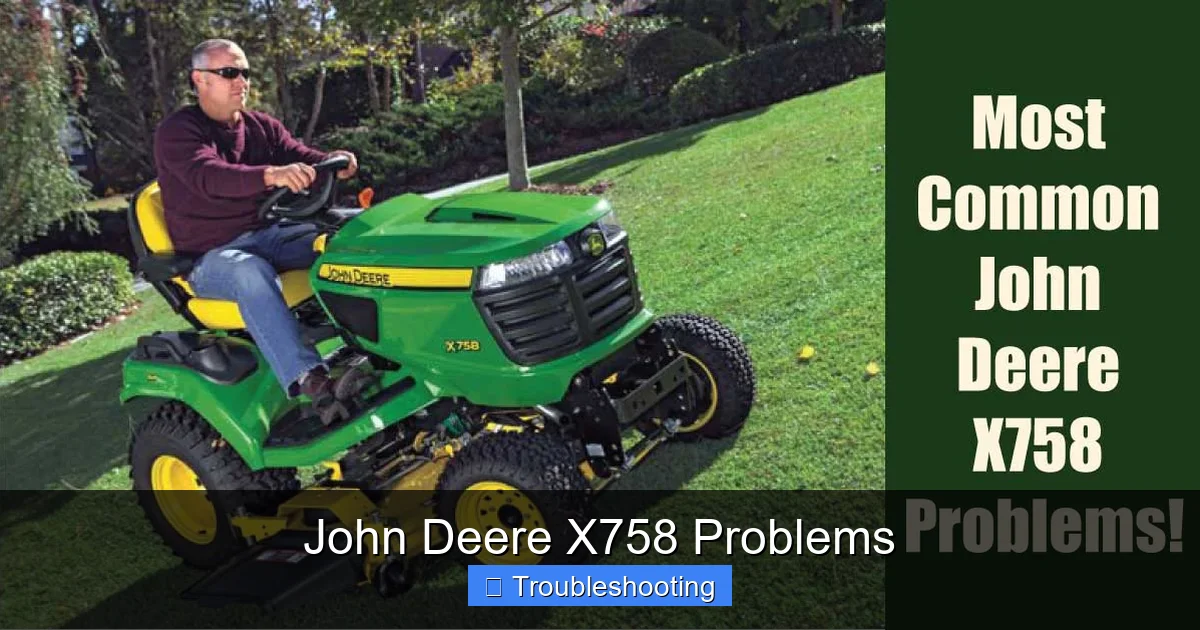
Visual guide about John Deere X758 Problems
Image source: smartvehiclecare.com
Check the fluid level in the transaxle. Low fluid causes slipping and overheating. Top it up if needed, using the correct hydraulic fluid (usually SAE 10W-30 or as specified in the manual). Also, inspect the drive belt for wear or misalignment.
In some cases, the clutch may be worn. If the belt slips under load, the clutch plates might need replacement. This is a complex repair, so consider consulting a dealer or certified technician.
Difficulty Shifting Gears
Stiff or unresponsive shifting can be caused by a dirty or damaged control cable. The X758 uses a cable-operated speed control system. Over time, the cable can stretch, corrode, or get stuck.
Lubricate the cable with silicone spray and move it through its full range of motion. If it still feels stiff, the cable may need replacement. Also, check the adjustment screw near the control lever to ensure proper tension.
Electrical System Malfunctions
Dashboard Lights Not Working
Dashboard indicators are crucial for monitoring your mower’s health. If the lights flicker, stay on, or don’t illuminate at all, the issue may be with the wiring, fuse, or the control module.
Start by checking the fuse box under the seat. A blown fuse can disable multiple electrical functions. Replace any fuses that are broken or discolored. Next, inspect the wiring harness for loose connections or corrosion, especially around the battery and ignition switch.
If the problem persists, the alternator or voltage regulator might be failing. A failing alternator won’t charge the battery properly, leading to electrical issues. Test the alternator output with a multimeter—it should produce around 13.5–14.5 volts when running.
Accessories Stop Working
Power take-off (PTO) systems, headlights, and other accessories rely on the electrical system. If they stop working, check the PTO switch and related fuses. A faulty switch can break the circuit and prevent accessories from engaging.
Also, ensure the battery is fully charged. Weak power can cause accessories to behave erratically. Clean battery terminals and tighten connections for better conductivity.
Mowing Performance Problems
Uneven Cutting or Clumping
Uneven mowing results are often due to blade condition or deck setup. Dull blades tear grass instead of cutting cleanly, leading to clumping and brown tips. Replace blades every 25–50 hours of use, depending on grass type and height.
Also, check the deck height. If it’s set too low, grass can clog the discharge chute. Adjust the deck to the recommended height for your grass type. Finally, inspect the blades for balance—uneven blades cause vibration and poor cutting.
Clogged Discharge Chute
A clogged chute is a common issue, especially after mowing thick or wet grass. To clear it, turn off the mower and wait for the blades to stop. Use a long-handled brush or the reverse function (if available) to dislodge debris.
Prevent future clogs by mowing dry grass and avoiding overloading the deck. You can also install a mulching kit to reduce clumping.
Overheating Issues
Engine Overheating
Overheating can damage the engine and shorten its lifespan. The X758 is equipped with an air-cooled engine, so proper airflow is essential. Check the air intake screen at the front of the mower—if it’s blocked with grass clippings or debris, the engine can’t cool itself effectively.
Clean the screen regularly and ensure there’s no obstruction around the engine compartment. Also, check the oil level—low oil increases friction and heat. Use the recommended oil type and change it every 50 hours or annually.
Transmission Overheating
Hydraulic systems generate heat during operation. If the transmission overheats, it can lead to fluid breakdown and seal failure. Ensure the fluid level is correct and the reservoir isn’t overfilled. Also, avoid prolonged use in high ambient temperatures or under heavy loads.
If overheating persists, the hydraulic pump or cooler may be failing. This requires professional diagnosis and repair.
Preventive Maintenance Tips
The best way to avoid John Deere X758 problems is through consistent maintenance. Here are some essential practices:
- Change oil and filters regularly. Use high-quality oil and replace the air filter every 50 hours.
- Inspect belts and hoses. Look for cracks, fraying, or soft spots during routine checks.
- Keep the deck clean. Remove grass buildup from under the mower weekly.
- Check fluid levels. Monitor hydraulic and engine oil levels before each use.
- Store properly. Keep the mower in a dry, covered area and use a battery maintainer during winter.
Following a maintenance schedule will not only prevent problems but also improve fuel efficiency and extend the life of your mower.
Conclusion
The John Deere X758 is a reliable and powerful ride-on mower, but like any complex machine, it’s not without its quirks. From engine starting issues to hydraulic leaks and electrical faults, many common problems have straightforward solutions—especially when you understand the root causes.
By performing regular maintenance, keeping an eye on fluid levels, and addressing small issues early, you can avoid costly repairs and keep your X758 running smoothly for years. When in doubt, consult your owner’s manual or reach out to a certified John Deere technician. With the right care, your mower will continue to deliver the performance and durability you expect.
Remember, a well-maintained machine is a happy machine. Stay proactive, stay informed, and enjoy every cut of that perfectly manicured lawn.
Frequently Asked Questions
Why won’t my John Deere X758 start?
Common reasons include old fuel, a weak battery, or faulty spark plugs. Check the fuel, battery voltage, and ignition components. Also, ensure the safety switches (seat, PTO) are engaged properly.
How do I fix a hydraulic leak on my X758?
Identify the source of the leak—usually a cracked hose or worn seal. Clean the area, replace damaged parts, and ensure the fluid level is correct. Avoid overfilling the reservoir to prevent pressure-related leaks.
What should I do if my X758 is overheating?
Check the air intake screen, clean debris, and verify the oil level. Overheating is often caused by blocked airflow or low oil. Address the issue immediately to prevent engine damage.
Why is my John Deere X758 slipping in gear?
This is often due to low hydraulic fluid, a worn drive belt, or a failing clutch. Check the fluid level, inspect the belt for wear, and consider professional diagnosis if the problem persists.
How often should I change the oil in my X758?
Change the oil every 50 operating hours or once a year, whichever comes first. Use high-quality SAE 30 or 10W-30 oil for best performance.
Can I replace the spark plugs myself?
Yes, replacing spark plugs is a simple DIY task. Remove the old plug, check the gap, and install a new one. Make sure the engine is cool and the spark plug wire is disconnected before starting.
