


The John Deere Z445 is a popular zero-turn mower, but like any machine, it can face common issues that affect performance. From engine stalling to steering problems, understanding these frequent problems helps you maintain efficiency and extend the life of your mower. This guide walks you through real-world John Deere Z445 problems and practical solutions.
Key Takeaways
- Engine Performance Issues: The Z445 may experience stalling, hard starting, or loss of power due to fuel system problems or air filter blockages.
- Steering and Hydraulic Problems: Uneven steering, jerky movements, or lack of response can stem from hydraulic fluid leaks or control valve issues.
- Cutting Deck Malfunctions: Poor cutting performance often results from worn belts, blade dullness, or deck leveling issues.
- Battery and Electrical Failures: Dead batteries, faulty solenoids, or loose wiring can prevent the mower from starting or operating.
- Overheating Concerns: Engine overheating may occur due to dirty air filters, clogged cooling fins, or low coolant levels.
- Maintenance Tips: Regular oil changes, belt inspections, and cleaning the deck can prevent most common John Deere Z445 problems.
- Warranty and Support: Many issues are covered under warranty—always check your manual and contact authorized service centers.
📑 Table of Contents
- Introduction: Why the John Deere Z445 Stands Out (and What Can Go Wrong)
- Common Engine Problems in the John Deere Z445
- Steering and Hydraulic System Issues
- Cutting Deck Malfunctions
- Electrical and Battery Problems
- Fuel System and Carburetor Troubles
- Preventive Maintenance Tips to Avoid Common Problems
- When to Call a Professional
- Conclusion: Keep Your Z445 Running Smoothly
Introduction: Why the John Deere Z445 Stands Out (and What Can Go Wrong)
The John Deere Z445 is a compact, powerful zero-turn mower that’s loved by homeowners and landscapers alike. With its responsive steering, smooth ride, and reliable Briggs & Stratton or Kawasaki engine options, it’s a top choice for maintaining lawns of up to 2 acres. But despite its reputation for durability, the Z445 isn’t immune to problems. Like any complex machine, it’s built with moving parts, fuel systems, and electrical components—all of which can develop issues over time.
In this article, we’ll dive deep into the most common John Deere Z445 problems owners report, from engine hiccups to steering quirks. Whether you’re troubleshooting a sputtering mower or just want to stay ahead of potential issues, you’ll find practical advice, real-world examples, and step-by-step solutions. Think of this as your go-to guide for keeping your Z445 running like new.
Common Engine Problems in the John Deere Z445
Visual guide about John Deere Z445 Problems
Image source: mowerselect.com
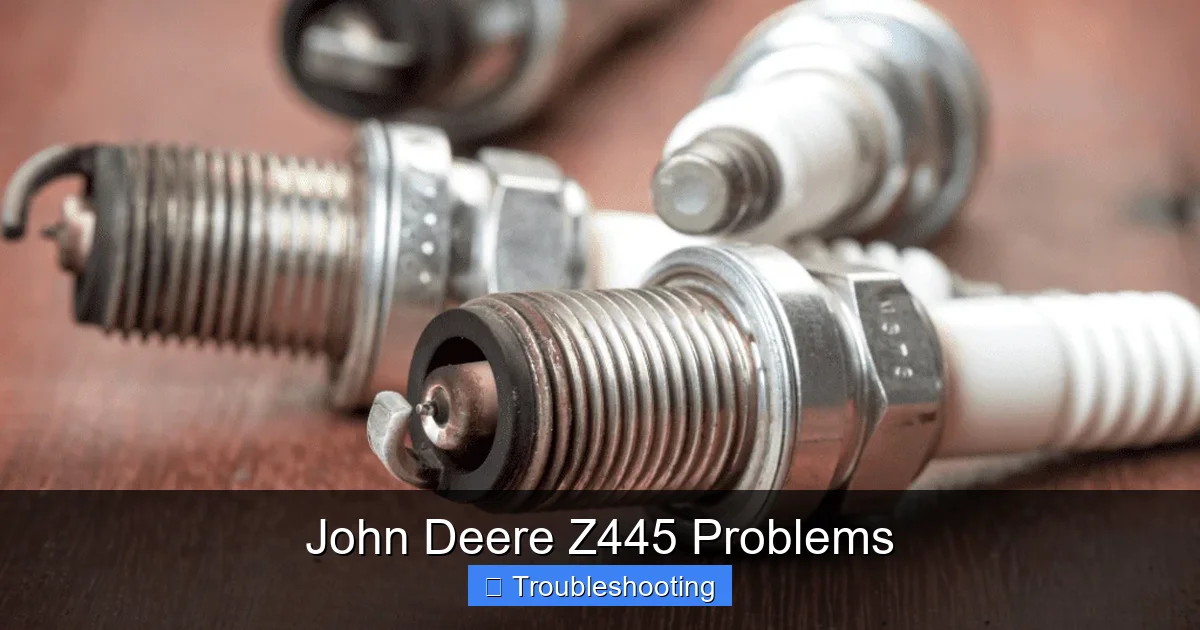
One of the first things you’ll notice when your Z445 isn’t performing is in the engine. Whether it’s struggling to start, losing power mid-mow, or stalling unexpectedly, engine issues are among the most frequent John Deere Z445 problems.
Hard Starting or No Start
If your mower cranks but won’t start, the culprit is often the fuel system. Old or contaminated fuel can gum up the carburetor or fuel filter. For example, a homeowner in Iowa reported their Z445 failing to start after a long winter storage. Upon inspection, the fuel was thick and dark—classic signs of stale gas.
Solution: Drain the old fuel, replace the fuel filter, and refill with fresh gasoline. Always use fuel stabilizer if storing the mower for more than 30 days.
Loss of Power or Hesitation
A common complaint is the engine feeling sluggish or hesitating under load. This is often due to a clogged air filter or a dirty carburetor. Imagine mowing thick grass on a hot day—without clean airflow, the engine can’t breathe properly.
Tip: Check the air filter monthly. Replace it if it’s dirty or hasn’t been changed in over a year. Also, clean or rebuild the carburetor if you notice fuel residue buildup.
Overheating
Overheating can lead to engine damage if ignored. Common causes include a clogged radiator, dirty cooling fins, or low oil levels. A user in Texas shared how their Z445 overheated during a long mowing session because the grass had clogged the underdeck area, blocking airflow.
Prevention: Clean the radiator and fins after every heavy use. Check oil levels before each mow and change oil every 50 hours of operation.
Steering and Hydraulic System Issues
Visual guide about John Deere Z445 Problems
Image source: lawnmowerly.com
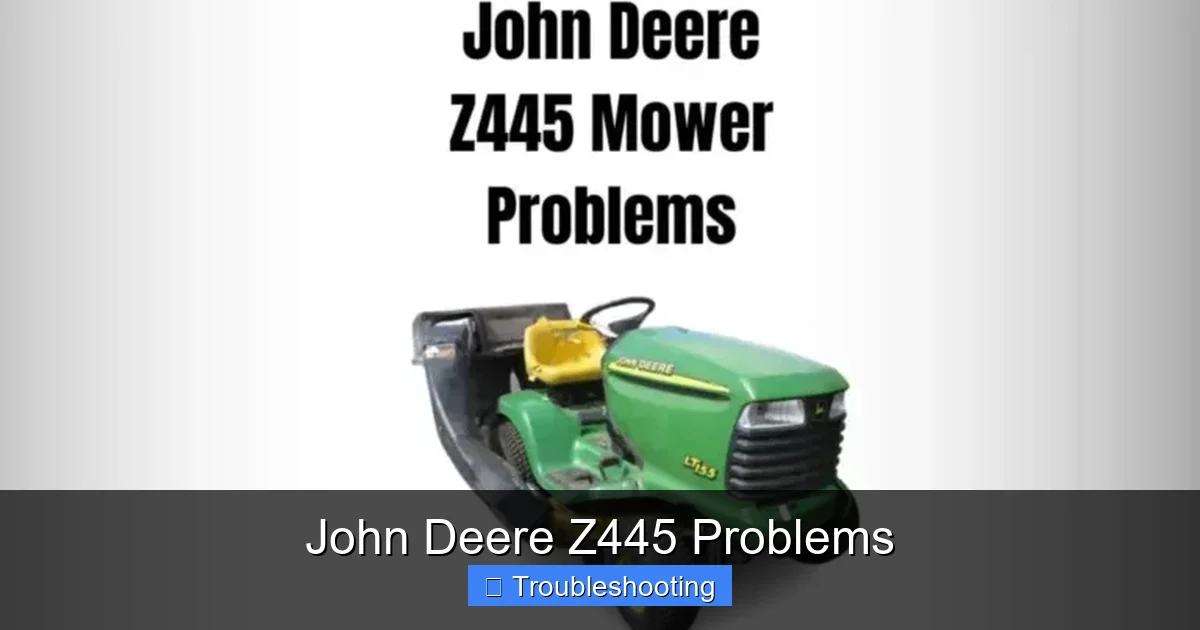
The Z445’s steering is one of its standout features—but it’s also where many John Deere Z445 problems begin. The hydraulic system controls the left and right drive wheels independently, enabling tight turns and precise maneuvering.
Jerky or Unresponsive Steering
If your steering feels stiff, jerky, or unresponsive, the issue may lie in the hydraulic pump or control valves. For instance, a landscaper in Ohio noticed their Z445 would suddenly jerk to one side during turns. After inspection, they found a worn steering control arm seal leaking fluid.
What to do: Check hydraulic fluid levels first. If low, top it up with the manufacturer-recommended fluid. Inspect for leaks around the steering arms and control valves. Worn seals or damaged hoses may need replacement.
Uneven Cutting or Drifting
Drifting to one side while mowing can be caused by uneven tire pressure, misaligned steering components, or internal hydraulic imbalance. A homeowner in Florida noticed their lawn had uneven stripes because the mower kept veering right.
Quick fix: Check tire pressure on both sides (should be equal). Also, inspect the steering linkage for looseness or wear. A simple alignment adjustment can often resolve the issue.
No Steering Response at All
In rare cases, the mower may not respond to steering input at all. This is usually due to a failed hydraulic pump or a disconnected control cable. A mechanic once shared how a Z445 stopped responding mid-mow because the steering cable had come loose from vibration.
Action step: Inspect the steering cable and connections. Tighten any loose bolts and ensure the cable moves freely. If the pump is faulty, it may need professional rebuilding or replacement.
Cutting Deck Malfunctions

Visual guide about John Deere Z445 Problems
Image source: m.media-amazon.com
The cutting deck is the heart of your mower’s performance. When it’s not working right, your lawn won’t look its best—and you’ll spend more time mowing.
Poor Cutting Performance
If your Z445 is leaving behind long grass or uneven cuts, the problem could be dull blades, a worn drive belt, or a clogged deck.
Example: A user in Oregon noticed their Z445 wasn’t cutting cleanly. After inspection, the blades were rusty and dull from years of use, and the drive belt had stretched.
Solution: Sharpen or replace the blades. Check the drive belt for wear—replace if cracked or frayed. Clean the underside of the deck weekly to prevent grass buildup.
Deck Won’t Engage
If the blades won’t spin when you pull the lever, the issue is often the PTO (power take-off) switch, belt tension, or a faulty safety switch.
Common cause: A worn or loose drive belt. The belt may slip under load, preventing engagement.
Tip: Adjust belt tension according to the manual. Also, check the PTO switch and safety interlocks (seat switch, brake, etc.) to ensure they’re functioning.
Uneven Deck Height
An unlevel deck leads to patchy cuts. The Z445 uses a deck lift system with adjustment wheels. Over time, these can shift, causing one side to be higher than the other.
How to fix: Park on level ground, lower the deck completely, and adjust the lift wheels so all four corners are at the same height. Use a tape measure to verify.
Electrical and Battery Problems
Like any modern mower, the Z445 relies on a 12-volt electrical system for starting, lights, and safety sensors. Electrical issues can be tricky because symptoms often overlap with mechanical problems.
Dead Battery
A dead or weak battery is one of the most common John Deere Z445 problems, especially in cold weather. A homeowner in Minnesota once couldn’t start their mower in December because the battery had lost its charge overnight.
Prevention: Keep the battery charged and clean. Use a trickle charger during winter storage. Check terminals for corrosion and tighten connections.
Starter Not Engaging
If the starter clicks but the engine doesn’t turn over, the issue could be a faulty solenoid, weak battery, or poor ground connection.
Diagnostic tip: Use a multimeter to check voltage at the solenoid. If it’s below 10 volts, the battery may be failing or the connections are loose.
Faulty Safety Switches
The Z445 has several safety switches—seat, brake, PTO—that prevent operation unless conditions are met. If one fails, the mower may not start or may shut off unexpectedly.
Example: A user found their mower wouldn’t start unless they held the brake pedal down. Testing revealed a faulty brake switch.
Solution: Test each switch with a multimeter. Replace any that don’t show continuity when activated.
Fuel System and Carburetor Troubles
The fuel system is delicate and prone to problems if not maintained. Issues here often mimic engine problems but have simpler fixes.
Carburetor Clogging
Over time, varnish and debris can clog the carburetor jets, leading to rough idling or stalling. A mechanic in Colorado once serviced a Z445 that ran poorly because the carb was clogged with old fuel residue.
Maintenance tip: Clean the carburetor annually or after long storage. Use a carb cleaner spray and compressed air to remove buildup.
Fuel Pump Failure
While rare, the electric fuel pump (on some models) can fail. Symptoms include no fuel pressure at the carburetor or a humming noise when the key is turned.
How to test: Check fuel pressure with a gauge. If it’s zero, the pump may need replacement.
Fuel Line Leaks
Leaking fuel lines can cause fire hazards and performance issues. Inspect lines regularly for cracks or soft spots.
Prevention: Replace fuel lines every 3-5 years, especially if they feel brittle or show signs of wear.
Preventive Maintenance Tips to Avoid Common Problems
The best way to avoid John Deere Z445 problems is through consistent maintenance. Think of it like regular check-ups for your mower—simple steps can prevent major headaches.
Change Oil and Filter Regularly
Engine oil degrades over time and loses its ability to lubricate. Change the oil and filter every 50 hours or once a year, whichever comes first.
Clean the Deck After Every Use
Grass buildup under the deck restricts airflow and dulls blades. Take 5 minutes after each mow to scrape off debris.
Inspect Belts Monthly
Check drive and deck belts for cracks, fraying, or looseness. Replace if worn.
Check Tire Pressure Weekly
Uneven pressure affects steering and cut quality. Use a tire gauge to ensure both sides match.
Store Properly
Always use fuel stabilizer, drain fuel if storing long-term, and cover the mower to protect it from the elements.
Follow the Owner’s Manual
Every Z445 model has specific maintenance schedules. Stick to them—they’re designed to prevent problems.
When to Call a Professional
While many John Deere Z445 problems can be fixed at home, some require expert help. If you’ve tried basic troubleshooting and the issue persists, it’s time to call in a technician.
Signs you need professional service:
- Repeated hydraulic leaks or pump failure
- Internal engine damage (knocking, excessive smoke)
- Complex electrical faults beyond basic diagnostics
- Structural damage to the frame or deck
John Deere has a network of certified dealers who specialize in Z-Series mowers. They have the tools, parts, and expertise to diagnose and repair issues quickly.
Conclusion: Keep Your Z445 Running Smoothly
The John Deere Z445 is a reliable, high-performance mower—but like any machine, it needs care. From engine hiccups to steering quirks, understanding the common John Deere Z445 problems helps you act fast and avoid costly repairs. By following a simple maintenance routine, addressing issues early, and knowing when to call a pro, you can keep your mower in top shape for years.
Remember: prevention is always better than cure. Clean the deck, check the oil, and stay on top of small issues before they grow. With the right care, your Z445 will continue to deliver that perfect cut—every time.
Frequently Asked Questions
Why does my John Deere Z445 keep stalling?
Stalling is often caused by old fuel, a clogged air filter, or a dirty carburetor. Drain old fuel, replace the filter, and clean the carburetor to resolve the issue.
How do I fix jerky steering on my Z445?
Jerky steering is usually due to low hydraulic fluid or worn seals. Check fluid levels and inspect the steering arms for leaks or damage.
Can a bad battery cause my Z445 not to start?
Yes. A weak or dead battery won’t provide enough power to turn the starter. Test the battery and clean terminals to ensure proper connection.
Why is my Z445 cutting unevenly?
Uneven cuts result from a misleveled deck, dull blades, or clogged grass buildup. Level the deck and sharpen or replace the blades.
How often should I change the oil in my Z445?
Change the oil and filter every 50 hours of use or once per year, whichever comes first, to keep the engine running smoothly.
Is the John Deere Z445 covered by warranty?
Yes, most models come with a limited warranty. Check your owner’s manual for coverage details and contact an authorized dealer for service.
