


The John Deere 4100 is a popular compact tractor, but like any machine, it can develop issues over time. From engine stalling to hydraulic failures, understanding these common John Deere 4100 problems helps owners diagnose and fix issues early. With proper maintenance and timely repairs, your 4100 can deliver reliable performance for years.
The John Deere 4100 is a compact utility tractor that has earned a solid reputation among homeowners, small farmers, and landscapers since its introduction in the 1990s. Known for its versatility, durability, and ease of use, the 4100 became a favorite for those needing a reliable machine for mowing, tilling, hauling, and light-duty farming tasks. With its 40 horsepower engine and robust build, it’s designed to handle tough jobs without breaking a sweat.
But even the best machines aren’t immune to wear and tear. Over time, various John Deere 4100 problems can arise—some minor, others more serious—requiring attention to keep the tractor running efficiently. Whether you’re a first-time owner or a seasoned operator, understanding these common issues can save you time, money, and frustration. In this guide, we’ll walk through the most frequent problems owners face, explain their causes, and offer practical solutions so you can get back to work with confidence.
—
Key Takeaways
- Engine Performance Issues: Common problems include hard starting, rough idling, and loss of power, often due to fuel or ignition system faults.
- Hydraulic System Failures: Low hydraulic fluid, leaks, or slow response can stem from worn seals, clogged filters, or pump issues.
- Electrical Malfunctions: Faulty wiring, bad relays, or a failing battery can cause dashboard warnings, no-start conditions, or erratic operation.
- Transmission Concerns: Slipping gears, difficulty shifting, or noise may indicate worn clutch plates or fluid contamination.
- PTO and Attachment Problems: PTO not engaging or overheating usually relates to belt wear, clutch failure, or electrical issues.
- Cooling System Deficiencies: Overheating can result from low coolant, a faulty thermostat, or a clogged radiator.
- Maintenance Tips: Regular oil changes, filter replacements, and fluid checks significantly reduce the risk of major John Deere 4100 problems.
📑 Table of Contents
Common John Deere 4100 Engine Problems
One of the first things you’ll notice if your John Deere 4100 isn’t performing as it should is a drop in engine performance. Whether it’s difficulty starting, rough running, or a sudden loss of power, engine issues are among the most reported John Deere 4100 problems.
Hard Starting and No-Start Conditions
A common complaint among 4100 owners is the tractor refusing to start or requiring multiple attempts. This is often tied to fuel delivery or ignition system problems. Old or contaminated fuel can gum up the fuel lines and clog the carburetor. If the fuel filter is dirty or the fuel pump isn’t delivering adequate pressure, the engine simply won’t get the fuel it needs.
Another culprit is the ignition system. A failing spark plug, damaged ignition coil, or faulty distributor cap can prevent the spark needed to ignite the fuel-air mixture. In some cases, moisture or rust inside the distributor can disrupt electrical contact.
Quick Fix Tip: Always use fresh, high-quality fuel and add a fuel stabilizer if storing the tractor for long periods. Replace spark plugs every 100–150 hours of operation and inspect the ignition system regularly.
Rough Idling and Loss of Power
If your 4100 runs unevenly at idle or loses power under load, the issue could be related to air intake, fuel delivery, or engine timing. A clogged air filter restricts airflow, leading to a rich fuel mixture and poor combustion. Similarly, a dirty carburetor or clogged fuel filter can starve the engine of fuel.
Engine timing misalignment is another possibility. If the timing belt or chain has slipped or is worn, the engine’s valves may not open and close at the right moment, reducing efficiency and power.
Pro Tip: Check and replace the air filter every 50–100 hours. Clean or rebuild the carburetor if you notice inconsistent fuel flow. If you’re unsure about timing, consult a service manual or local dealer for adjustment procedures.
Excessive Smoke and Oil Leaks
White, blue, or black smoke from the exhaust is a red flag. Blue smoke usually indicates burning oil, often due to worn piston rings or valve seals. White smoke can signal coolant entering the combustion chamber, possibly from a blown head gasket. Black smoke typically means too much fuel and not enough air—a sign of a clogged air filter or faulty fuel injector.
Oil leaks around the valve cover, oil pan, or rear seal are also common. Over time, gaskets dry out and crack, especially in older models. These leaks not only waste oil but can lead to more serious engine damage if ignored.
What to Do: Regularly inspect for oil seepage and replace gaskets as needed. Monitor oil levels and quality—burnt or milky oil is a warning sign of internal engine trouble.
—
Hydraulic System Failures
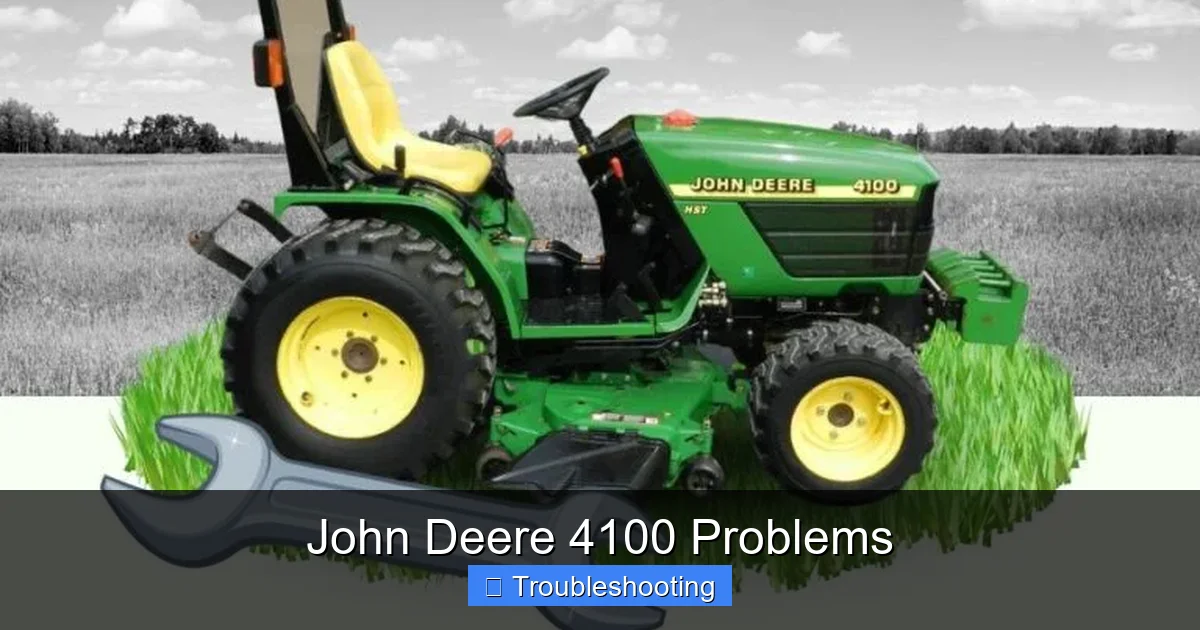
Visual guide about John Deere 4100 Problems
Image source: mowing.expert
The hydraulic system in the John Deere 4100 powers everything from the loader to the mower deck. When it fails, productivity grinds to a halt. Hydraulic issues are among the top John Deere 4100 problems reported by owners.
Low Hydraulic Fluid and Leaks
Low fluid levels are often the first sign of a hydraulic problem. The 4100 uses a reservoir near the engine for hydraulic fluid. If the level drops too low, the system can’t generate enough pressure, leading to slow or no movement in attachments.
Leaks are usually visible around hoses, fittings, or the hydraulic pump. Over time, hoses can dry out and crack, especially in harsh climates. Fittings may loosen due to vibration, and seals inside the pump can wear out.
How to Fix: Check the fluid level regularly and top it off with the correct hydraulic fluid (usually John Deere Hy-Gard or equivalent). Inspect hoses and connections weekly for signs of leaks. Replace damaged hoses immediately to prevent fluid loss and contamination.
Slow or Erratic Hydraulic Response
If your loader or mower deck moves sluggishly or jerks unexpectedly, the problem may lie in the hydraulic pump or control valves. A worn pump can’t maintain proper pressure, while clogged filters restrict fluid flow.
Air in the system is another common issue. Air bubbles can form if there’s a leak or if the fluid level was too low during operation. This causes spongy or unresponsive controls.
Tip: Bleed the hydraulic system after replacing hoses or fluid. Follow the procedure in your operator’s manual to remove air from the lines. Also, replace the hydraulic filter every 100 hours or as recommended.
—
Electrical Malfunctions
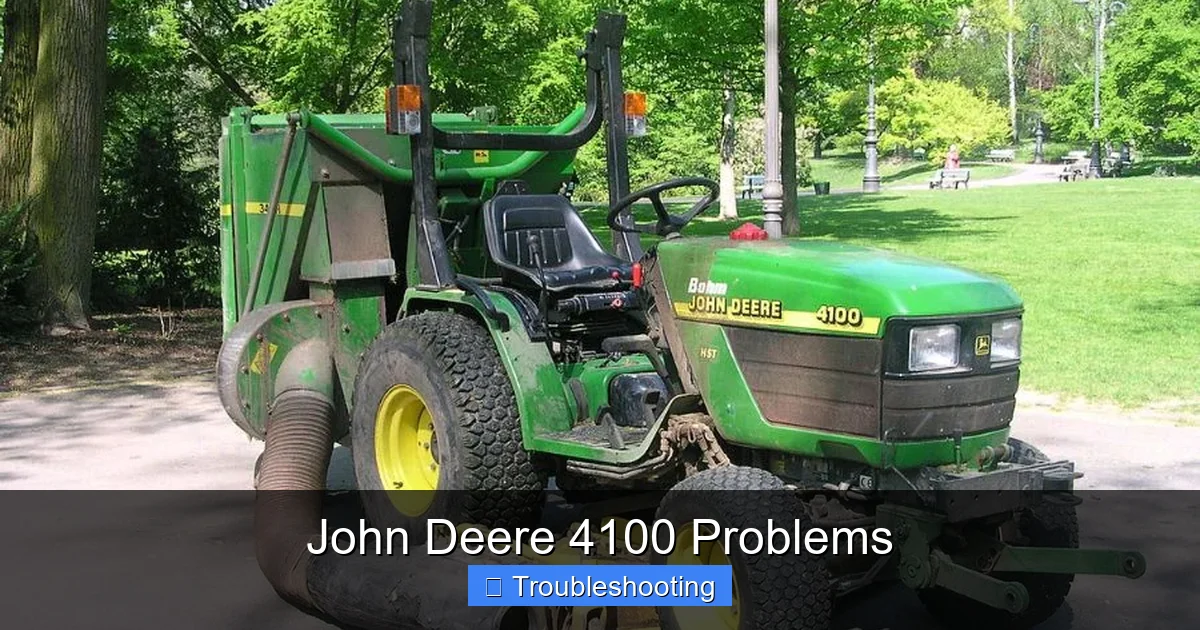
Visual guide about John Deere 4100 Problems
Image source: mowing.expert
Modern tractors like the John Deere 4100 rely heavily on electrical systems for lighting, gauges, and even engine management. Electrical problems can be tricky because they don’t always have a mechanical symptom.
Dashboard Warnings and Error Codes
If your dashboard lights are flickering, staying on, or showing error codes, it’s a sign of an electrical fault. Common causes include a weak battery, loose connections, or a failing voltage regulator.
In some cases, the alternator isn’t charging the battery properly, leading to a drained battery and inconsistent power delivery. Corroded battery terminals or damaged wiring can also disrupt the circuit.
What to Check: Start with the battery. Test its voltage—it should read around 12.6 volts when off and 13.5–14.5 volts when running. Clean the terminals and ensure connections are tight. If the alternator isn’t charging, have it tested at a repair shop.
No Start or Intermittent Operation
Sometimes the 4100 starts fine one day and won’t turn over the next. This intermittent behavior often points to electrical gremlins. A faulty ignition switch, bad relay, or corroded wiring harness can interrupt power to the starter or fuel system.
The starter solenoid is another common failure point. If it’s clicking but not engaging the flywheel, the solenoid may need replacement.
DIY Diagnosis: Use a multimeter to test for voltage at key points in the circuit. Check the starter relay and ignition switch for continuity. Replace any components showing resistance or no signal.
—
Transmission and Clutch Issues
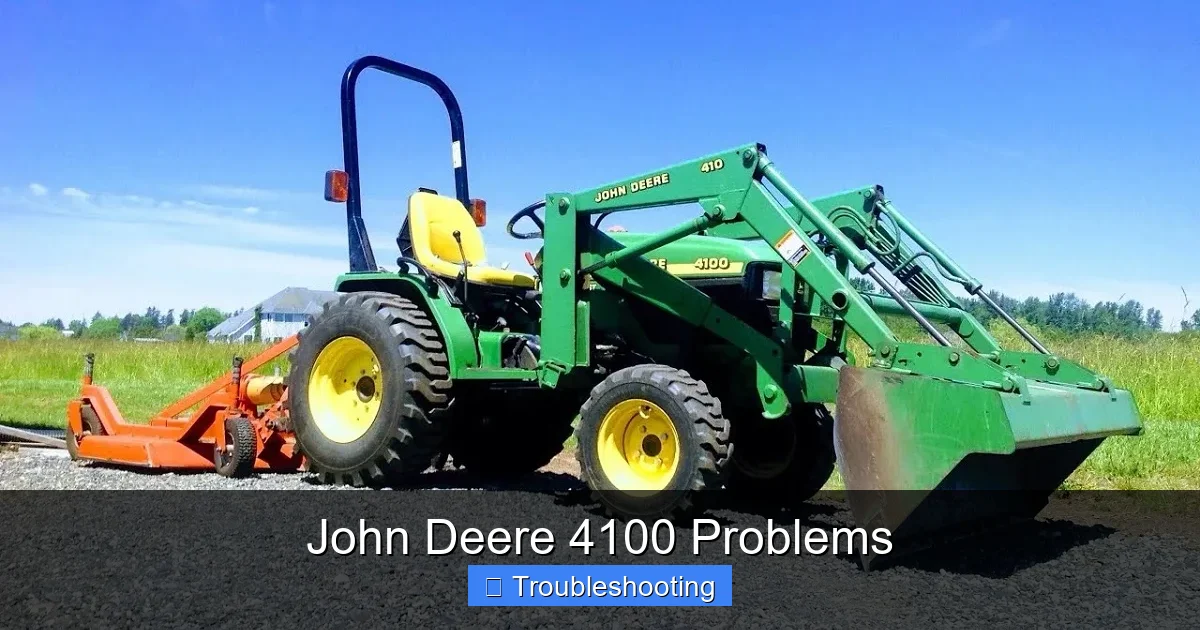
Visual guide about John Deere 4100 Problems
Image source: backyardcorner.com
The transmission in the John Deere 4100 is a hydrostatic design, meaning it uses fluid pressure to move the tractor forward and backward. While generally reliable, transmission problems are among the more serious John Deere 4100 problems.
Slipping Gears and Difficulty Shifting
If the tractor accelerates when you’re not touching the pedal, or if it struggles to move in either direction, the hydrostatic transmission may be failing. Low fluid levels, contaminated fluid, or a worn pump can reduce transmission efficiency.
Contaminated fluid—often due to moisture or debris—can damage internal components like the pump, motor, and valves. Over time, this leads to slippage and poor performance.
Maintenance Reminder: Change the hydrostatic transmission fluid and filter every 200 hours or annually. Use only the fluid specified in the manual. Inspect for leaks around the transmission housing.
Unusual Noises from the Transmission
Grinding, whining, or clicking sounds from the transmission area are warning signs. These noises often indicate worn bearings, damaged gears, or insufficient lubrication.
If you hear a high-pitched whine when moving, it could be the pump struggling to maintain pressure. A grinding noise during engagement might point to a failing clutch or brake band.
When to Call a Pro: If you notice persistent noise or performance issues, avoid further use. Internal transmission damage can be expensive to repair and may require professional servicing.
—
PTO and Attachment Problems
The Power Take-Off (PTO) system powers implements like mowers, tillers, and balers. When the PTO isn’t working, those attachments become useless.
PTO Not Engaging
If the PTO clutch doesn’t engage when you flip the switch, the issue could be electrical or mechanical. A blown fuse, faulty switch, or broken clutch wire can prevent activation. On the mechanical side, a worn clutch plate or misaligned belt may be the cause.
In some cases, the PTO switch itself fails due to moisture or wear.
Checklist: Inspect the fuse box. Test the PTO switch with a multimeter. If the clutch isn’t receiving power, trace the wiring back to the switch and starter relay.
PTO Overheating
If the PTO engages but quickly overheats, it’s likely due to a slipping belt or a failing clutch. A loose or worn belt won’t grip the PTO shaft properly, causing it to spin freely and generate excessive heat.
The clutch itself may be worn or contaminated with oil, reducing its ability to engage smoothly.
Solution: Tighten or replace the PTO belt. Clean the clutch assembly and ensure it’s free of oil or debris. Avoid overloading the PTO—stick to recommended implement speeds.
—
Cooling System Deficiencies
The John Deere 4100 uses a liquid cooling system to regulate engine temperature. Overheating is a serious issue that can lead to engine damage if not addressed.
Engine Overheating
If the temperature gauge rises into the red, the cooling system isn’t doing its job. Common causes include low coolant levels, a clogged radiator, a faulty thermostat, or a failing water pump.
Dirt and debris can accumulate on the radiator fins, reducing airflow. In summer or during heavy use, this can cause the engine to overheat quickly.
What to Do: Check coolant levels and top off with a 50/50 mix of antifreeze and water. Inspect the radiator for blockages and clean it with compressed air. Replace the thermostat if it’s stuck closed.
Coolant Leaks
Leaks around the radiator, hoses, or water pump are common. Over time, hoses can dry out and crack, especially near the clamps. The water pump seal may wear, allowing coolant to escape.
A visible puddle under the tractor or steam from the engine bay are clear signs of a leak.
Prevention: Replace coolant hoses every 5–7 years, even if they look fine. Tighten hose clamps securely and inspect the water pump annually.
—
Preventive Maintenance Tips
The best way to avoid most John Deere 4100 problems is through consistent maintenance. A well-maintained tractor is less likely to break down and more likely to serve you reliably for decades.
Follow the Maintenance Schedule
John Deere provides a detailed service schedule in the operator’s manual. Stick to it. This includes oil changes, filter replacements, fluid checks, and belt inspections.
Example: Change engine oil every 100 hours or once a year. Replace the air filter every 100 hours. Check hydraulic and transmission fluid levels monthly.
Keep the Tractor Clean
Dirt, grass, and debris can clog filters, block radiators, and hide leaks. After each use, remove debris from the engine, undercarriage, and around the hydraulic reservoir.
Pro Tip: Wash the tractor with a garden hose—avoid high-pressure washers, which can force water into seals and electrical components.
Store Properly
If you store your 4100 for winter or off-season, use a fuel stabilizer, change the oil, and store it on level ground with the tires properly inflated. Cover it to protect from the elements.
—
Conclusion
The John Deere 4100 is a dependable workhorse, but like any mechanical device, it’s not without its quirks. From engine hiccups to hydraulic leaks, many of the John Deere 4100 problems owners face are preventable with routine care and early detection. By staying on top of maintenance, learning to spot warning signs, and addressing issues promptly, you can keep your tractor running smoothly for years.
Whether you’re mowing a lawn or tilling a field, knowing how to troubleshoot common problems gives you peace of mind and saves you from costly downtime. And when in doubt, don’t hesitate to consult your manual or a certified technician.
With the right approach, your John Deere 4100 will continue to deliver power, performance, and reliability—just like it was built to do.
Frequently Asked Questions
Why won’t my John Deere 4100 start?
Common causes include a dead battery, faulty ignition switch, clogged fuel filter, or old fuel. Check the battery voltage, inspect fuel lines, and ensure the ignition system is functioning.
What causes the PTO to not engage on a John Deere 4100?
The PTO may fail due to a blown fuse, faulty switch, worn clutch plate, or loose belt. Inspect the electrical system and mechanical components to isolate the issue.
How do I fix low hydraulic fluid in my John Deere 4100?
First, check for leaks around hoses and fittings. If no leaks are found, top off the hydraulic fluid with the correct type. Replace the filter if it’s clogged.
Is it normal for my John Deere 4100 to overheat?
No. Overheating usually indicates a problem with the cooling system—such as low coolant, a clogged radiator, or a faulty thermostat. Address it immediately to prevent engine damage.
How often should I change the oil in my John Deere 4100?
Change the engine oil every 100 hours of operation or once per year, whichever comes first. Use high-quality oil and a new filter each time.
Can I rebuild the carburetor on my John Deere 4100?
Yes, many owners successfully rebuild their carburetors using a rebuild kit. Make sure to clean thoroughly and follow the manufacturer’s instructions for proper adjustment.
