
Lawn Mower Pull Cord Stuck: Quick Fixes That Work
A stuck lawn mower pull cord usually points to a locked blade, engine, recoil starter, or brake.
When a lawn mower pull cord stuck problem stops your mowing, the cause is often simple to find. Grass under the deck, a flooded engine, a damaged recoil spring, or a seized engine can all stop the rope from moving. The key is to inspect the mower safely and work from the easiest checks to the more serious ones. This guide explains how to diagnose the problem, free the cord, avoid common mistakes, and know when professional repair is the better choice.
Why Is Your Lawn Mower Pull Cord Stuck?
A pull cord works with a recoil starter. When you pull the handle, the rope turns a pulley, which spins the engine crankshaft. If any part of that system cannot move, the rope may feel locked or may pull out only a few inches.
The most common causes include:
• A blade blocked by grass, sticks, or a small stone
• The engine brake cable holding the flywheel brake in place
• A damaged or jammed recoil starter
• A flooded engine or liquid inside the cylinder
• Low engine oil causing internal damage
• A seized piston, crankshaft, or blade adapter
• A bent mower blade or damaged crankshaft
• A knot, frayed rope, or broken recoil spring
A lawn mower pull cord stuck after winter storage may also point to rust, old fuel, or a recoil starter that has lost lubrication. The timing of the problem gives you a useful clue. If the cord worked last week but stopped after cutting thick grass, check the blade and deck first.

Safety Steps Before You Inspect the Mower
A mower can start suddenly while you inspect it. Even a small engine has enough power to cause serious cuts. Treat the machine as if it could start at any time.
Follow these steps before touching the blade or recoil housing:
- Turn off the engine and let the mower cool.
- Remove the spark plug wire from the spark plug.
- Move the wire away from the plug so it cannot reconnect.
- Disconnect the battery on an electric-start mower if the manual allows it.
- Close the fuel valve, if your mower has one.
- Wear work gloves and sturdy shoes.
- Keep children and pets away from the work area.
Never place your hand under the mower deck while the spark plug wire is attached. Also, do not tip a gas mower with the air filter or carburetor facing downward. Fuel can enter the air filter or crankcase and create another problem.
The owner’s manual is the best guide for your model. Mower designs differ, especially around the blade brake, fuel tank, and recoil starter. If you cannot identify a part, stop and check the manual before removing it.

Check for a Blocked Mower Blade
A blocked blade is one of the easiest causes to fix. Wet grass can pack around the blade like thick clay. A branch, wire, or stone can also wedge between the blade and deck.
With the spark plug wire disconnected, inspect the underside of the deck. Look for:
• Long grass wrapped around the blade
• A stick or stone caught near the blade adapter
• A bent blade touching the deck
• Rust or a damaged blade bolt
• A buildup of hard, dry debris
Remove loose debris with a wooden stick or brush. Avoid using your bare hand, even when the blade looks dull. A mower blade can still cut skin, and the blade may move if the engine turns.
After cleaning, gently try to rotate the blade by hand while staying clear of sharp edges. If the blade turns freely, pull the starter rope again. If the lawn mower pull cord stuck problem disappears, the blockage was likely the cause.
If the blade will not turn, do not force it. A bent blade, seized crankshaft, or damaged blade adapter may need closer inspection.

Test the Engine Brake and Safety Bar
Many walk-behind mowers have an engine brake control bar. You must hold this bar against the handle to keep the engine running. When you release it, a brake may press against the flywheel and stop the engine.
If the control cable is loose, bent, or stuck, the brake may stay engaged. This can make the lawn mower pull cord stuck even when the blade and engine are healthy.
Ask someone to hold the safety bar against the handle while you watch the brake mechanism from a safe position. The brake should move away from the flywheel when the bar is pulled. If it does not move, check for:
• A broken or stretched control cable
• Rust around the brake lever
• A loose cable clamp
• A damaged spring
• Debris blocking the brake arm
Do not bypass a safety control as a permanent repair. These systems help stop the blade when you release the handle. Replace a damaged cable or brake part with the correct model-specific part.
Inspect the Recoil Starter
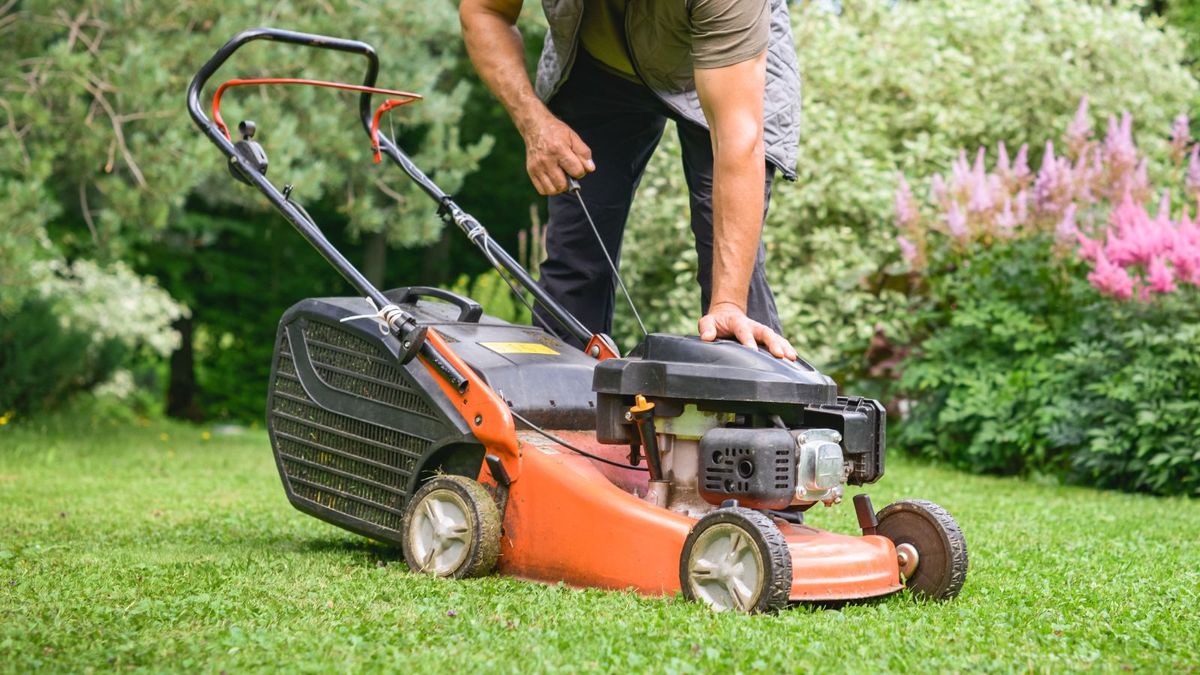
The recoil starter is the plastic or metal housing where the pull rope sits. Inside it are a pulley, recoil spring, rope, and guide. A stuck rope may come from a broken spring, a tangled rope, or a pulley that no longer turns.
Look at the handle and rope first. A frayed rope can catch inside the guide. A handle knot may also be too large for the opening. If the rope does not return after you pull it, the recoil spring may be weak or broken.
To inspect the starter:
- Keep the spark plug wire disconnected.
- Remove the screws holding the recoil housing.
- Lift the housing carefully.
- Hold the pulley so the spring does not unwind suddenly.
- Inspect the rope, pulley, spring, and center hub.
- Replace damaged parts before reassembly.
Take a photo before removing anything. This small step can save a great deal of time when routing the new rope.
In my repair experience, people often replace the rope when the real problem is a cracked pulley. The new rope then binds again within minutes. Check every part of the recoil starter instead of assuming the rope is the only fault.

Check for a Flooded Engine or Liquid Lock
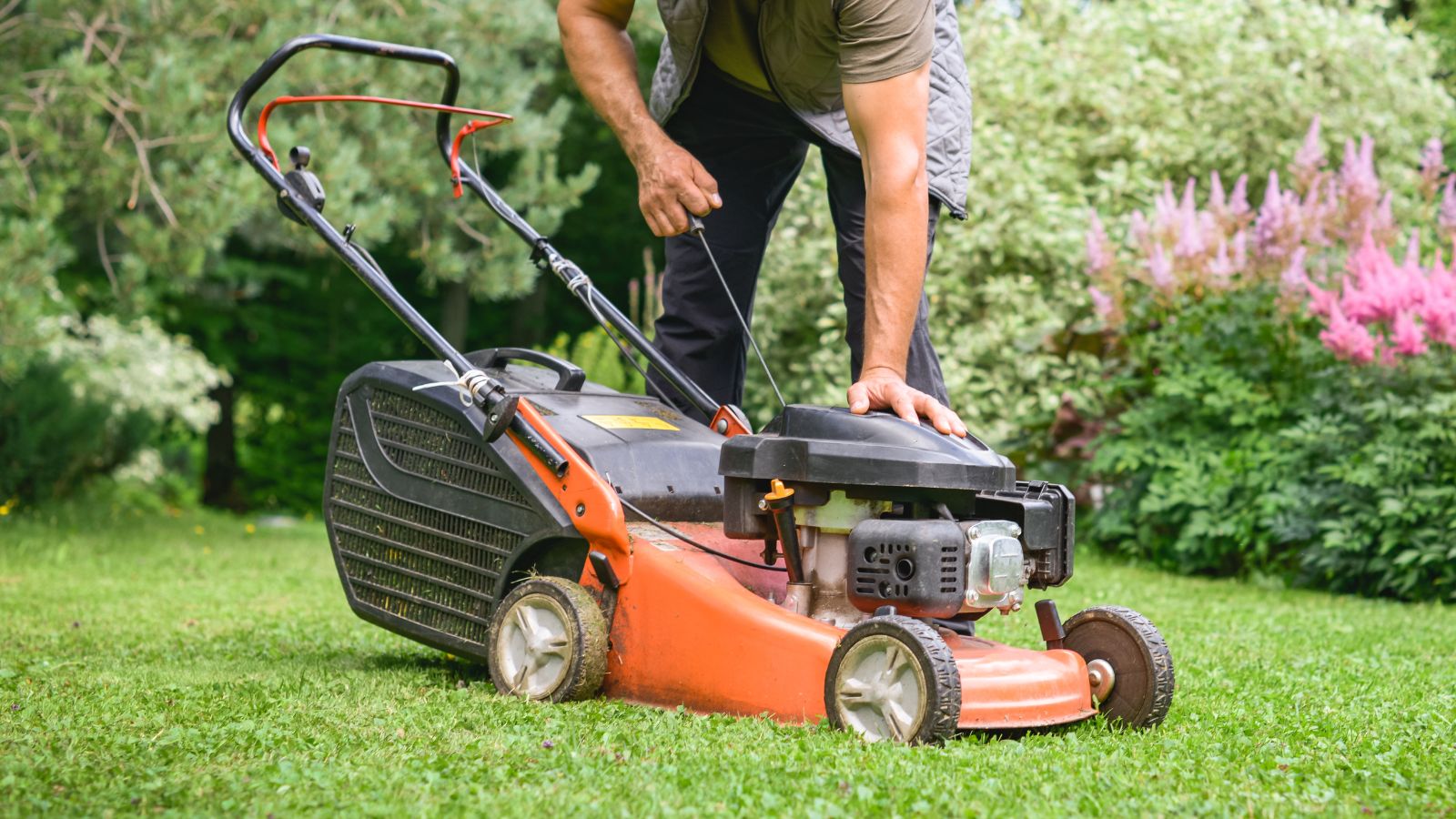
A flooded engine usually happens after repeated starting attempts. Too much fuel enters the cylinder, making ignition difficult. In some cases, liquid fuel can make the piston harder to move.
A lawn mower pull cord stuck after many pulls may also involve oil or fuel inside the cylinder. This condition is sometimes called hydraulic lock. Liquid does not compress like air, so the piston cannot complete its normal movement.
To check this issue, keep the mower outside in a well-ventilated area. Disconnect the spark plug wire, remove the spark plug, and inspect the plug for wet fuel. Do not smoke or work near flames.
If the cylinder contains fuel, allow it to drain according to the manufacturer’s instructions. Check the engine oil before restarting. If the oil level is too high or smells strongly of gasoline, change the oil before using the mower. Fuel-thinned oil cannot protect engine parts well.
Do not keep pulling harder. Excess force can damage the starter rope, bend the pulley, or hurt your shoulder.
Determine Whether the Engine Is Seized
A seized engine is a more serious cause of a lawn mower pull cord stuck problem. It means internal parts cannot move normally. Common causes include very low oil, overheating, rust, broken internal parts, or long-term storage with moisture inside the cylinder.
With the spark plug wire disconnected and the spark plug removed, try turning the blade gently. You may also turn the flywheel by hand if it is safely accessible. The engine should move through a smooth cycle, although compression may create some resistance.
Warning signs of a seized engine include:
• The blade will not turn in either direction
• The mower stopped suddenly with a loud knock
• The engine ran very hot before stopping
• The oil level was empty or extremely low
• Metal dust or large particles appear in the oil
• The flywheel turns slightly and then locks
Do not use a long bar or power tool to force the engine to turn. That can bend the crankshaft or damage the connecting rod. A small engine repair shop can test compression, inspect the crankshaft, and tell you whether repair is worth the cost.
How to Free a Lawn Mower Pull Cord Stuck in Place
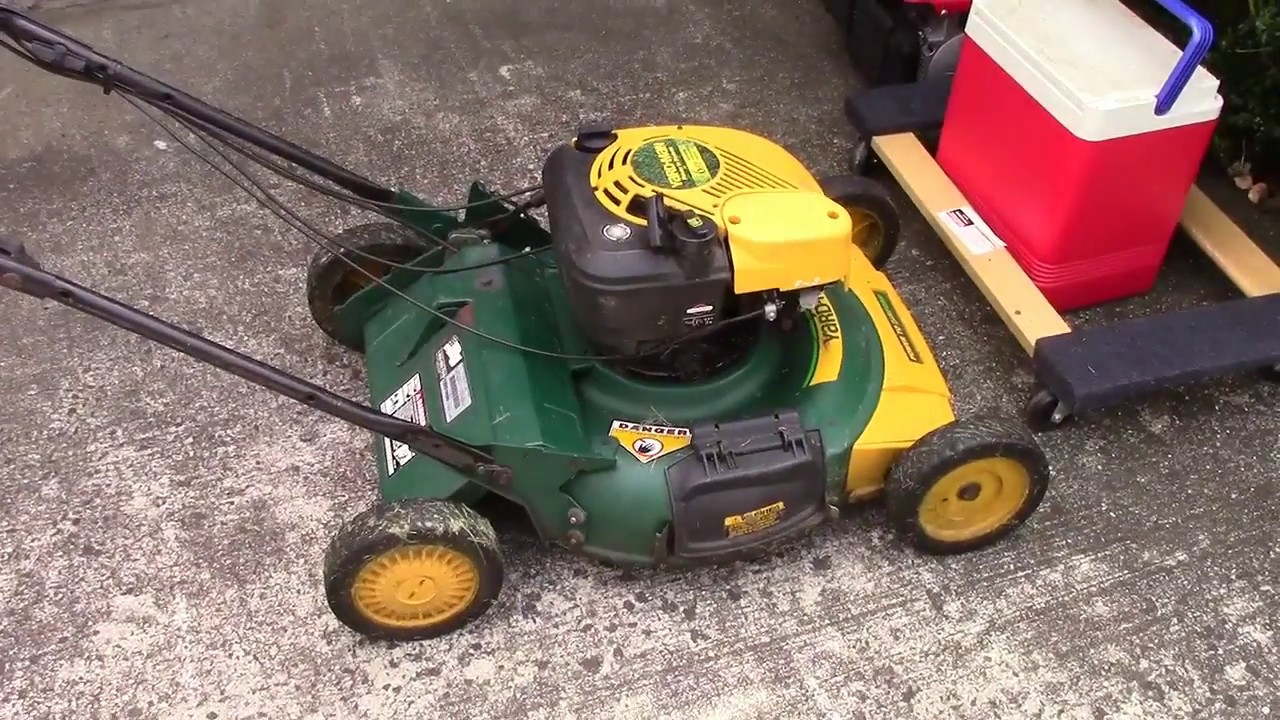
Once you identify the likely cause, use the least aggressive repair first. A lawn mower pull cord stuck because of surface debris may need only cleaning. A cord locked by an internal engine failure needs professional attention.
Try this basic process:
- Disconnect the spark plug wire.
- Inspect and clean the deck.
- Check that the engine brake releases.
- Remove the recoil housing if the rope remains locked.
- Inspect the rope and pulley.
- Remove the spark plug and test for liquid lock.
- Rotate the blade gently by hand.
- Stop if the engine still will not move.
If the recoil spring is unwound, replace the complete recoil starter when possible. Rebuilding a spring can be risky because it stores energy and may snap out of the housing. A replacement starter is often safer and faster.
When installing a new rope, use the same diameter and length as the original. Tie a secure knot, wind the pulley in the correct direction, and let the rope retract slowly. Pull the rope several times before starting the engine to confirm smooth movement.

Common Mistakes to Avoid
The wrong repair can turn a small mower issue into a costly one. The biggest mistake is pulling harder when the rope stops. The starter handle is not a pry bar, and extra force rarely solves a locked engine.
Avoid these errors:
• Reaching under the deck with the spark plug connected
• Tilting the mower toward the air filter
• Spraying large amounts of oil into the recoil housing
• Ignoring a low or fuel-contaminated oil level
• Bypassing the engine brake permanently
• Reusing a frayed rope
• Starting the mower with a loose blade bolt
• Testing a damaged mower near children or pets
I once saw a mower owner keep pulling after the cord locked. The rope broke, the plastic pulley cracked, and the original blade blockage remained. Cleaning the deck first would have solved the issue in a few minutes.
Use the repair manual for torque values and part numbers. A blade bolt that is too loose can be dangerous, while one that is too tight can damage the crankshaft or make future service difficult.
When Should You Call a Professional?
Some repairs are reasonable for a careful homeowner. Cleaning grass from the deck, replacing a pull rope, and changing contaminated oil are often manageable with basic tools.
Professional help is safer when:
• The crankshaft or piston appears seized
• The blade is bent or the crankshaft looks crooked
• The engine made a loud bang before stopping
• Metal appears in the oil
• The recoil spring is damaged and difficult to control
• Fuel leaks from the tank or carburetor
• You are unsure how to remove the blade safely
• The mower is under warranty
Compare the repair estimate with the mower’s age and replacement cost. A common push mower may not justify a major engine rebuild. However, a quality commercial mower or newer self-propelled model may be worth repairing.
A qualified technician can also check the flywheel key, ignition system, compression, and crankshaft alignment. These parts may not be visible during a basic home inspection.
How to Prevent Another Stuck Pull Cord
Prevention starts with simple care. Clean the mower deck after cutting, especially when grass is wet. Do not wait until grass forms a hard layer around the blade.
Use these habits during the mowing season:
• Check engine oil before each use
• Keep the blade sharp and properly balanced
• Remove sticks and stones from the lawn
• Use fresh fuel stored in an approved container
• Follow the recommended oil change schedule
• Store the mower in a dry, covered space
• Inspect the rope for fraying each spring
• Keep the control bar and cable free of debris
• Run the mower dry or follow storage guidance before winter
A sharp blade puts less load on the engine. Clean oil also helps control heat and friction. These small steps reduce the chance of finding a lawn mower pull cord stuck when you are ready to cut the grass.
During seasonal storage, follow the engine maker’s fuel instructions. Some engines are designed for fuel stabilizer, while others should be drained. Storing fuel incorrectly can create carburetor and starting problems.
Frequently Asked Questions About a Lawn Mower Pull Cord Stuck
Why is my lawn mower pull cord stuck after hitting something?
The blade or crankshaft may be bent or jammed after striking a rock, root, or hidden object. Disconnect the spark plug wire, inspect the blade, and stop using the mower if the blade is bent or the engine will not turn smoothly.
Can low oil make a lawn mower pull cord stuck?
Yes, very low oil can cause overheating and severe internal damage. Check the oil level before further testing, but do not force the cord if the engine appears seized.
How do I release a stuck recoil starter?
Disconnect the spark plug wire, remove the recoil housing, and inspect the rope, pulley, and spring. Replace cracked or damaged parts rather than forcing the pulley to turn.
Is it safe to pull harder when the cord will not move?
No. Pulling harder can break the rope, damage the recoil starter, or worsen an internal engine problem. Find the blockage or disconnect the starter and inspect the mower first.
Why is the pull cord stuck after winter storage?
Rust, stale fuel, a stuck recoil spring, or moisture inside the cylinder may be responsible. Inspect the recoil starter, check the oil and spark plug, and look for signs of corrosion before starting the mower.
Can a flooded engine lock the pull cord?
In some cases, excess fuel in the cylinder can create liquid lock and prevent normal piston movement. Remove the spark plug only after disconnecting the ignition, and address fuel-contaminated oil before restarting.
Should I repair or replace a mower with a seized engine?
That depends on the mower’s age, quality, and repair estimate. A technician can test the engine and compare the cost of a repair with the price of a replacement.
Conclusion
A lawn mower pull cord stuck in place is usually caused by a blocked blade, engaged brake, damaged recoil starter, flooded cylinder, or seized engine. Start with safety, disconnect the spark plug wire, and inspect simple problems before assuming the engine is ruined.
Clean the deck, check the brake, inspect the recoil housing, and verify the oil level. Never force the rope or bypass a safety feature. If the blade or engine will not turn, get a qualified repair check before using the mower again. Share your mower model and symptoms in the comments, or explore your owner’s manual for model-specific repair guidance.