


The Kubota B7510 is a reliable compact tractor, but like any machine, it can face issues over time. From engine stalling to hydraulic leaks, understanding common B7510 problems helps you avoid costly repairs and downtime. With the right knowledge and regular maintenance, most issues can be prevented or fixed quickly.
Key Takeaways
- Engine Performance Issues: Common problems include hard starting, misfiring, or loss of power, often due to fuel quality, air filters, or injection system faults.
- Hydraulic System Failures: Leaks, weak lift, or unresponsive controls may stem from worn seals, low fluid levels, or a failing pump.
- Electrical Gremlins: Dead batteries, faulty alternators, or corroded wiring can disrupt starting and operation.
- Transmission and Gear Problems: Slipping gears or difficulty shifting usually point to low transmission fluid or internal wear.
- PTO Malfunctions: If the power take-off won’t engage or runs erratically, check the clutch, solenoid, or wiring.
- Cooling System Failures: Overheating is often caused by clogged radiators, low coolant, or a faulty thermostat.
- Regular Maintenance Saves Money: Routine oil changes, filter replacements, and inspections prevent many common B7510 issues.
📑 Table of Contents
- Introduction: Why the Kubota B7510 Is a Farm Favorite—And What Can Go Wrong
- Engine Performance Issues: When Your B7510 Won’t Start or Runs Rough
- Hydraulic System Failures: Leaks, Weak Lifts, and Unresponsive Controls
- Electrical Gremlins: Dead Battery, Bad Wiring, and Faulty Sensors
- Transmission and Gear Problems: Slipping Gears and Difficulty Shifting
- PTO Malfunctions: Power Take-Off Won’t Engage or Runs Erratically
- Cooling System Failures: Overheating and Radiator Issues
- Preventative Maintenance: The Best Defense Against B7510 Problems
- Conclusion: Keep Your Kubota B7510 Running Strong
Introduction: Why the Kubota B7510 Is a Farm Favorite—And What Can Go Wrong
The Kubota B7510 is a workhorse in the world of compact tractors. Known for its durability, smooth operation, and versatility, it’s a top choice for homeowners, small farmers, and landscapers. With its 73.4 HP engine, four-wheel drive, and compatibility with a wide range of implements, the B7510 handles everything from mowing to plowing with ease.
But even the most reliable machines aren’t immune to wear and tear. Over time, certain Kubota B7510 problems can pop up—especially if maintenance is overlooked. From engine hiccups to hydraulic leaks, these issues might seem daunting at first, but many are fixable with a bit of know-how and the right tools.
In this guide, we’ll walk you through the most common B7510 problems owners face, explain what causes them, and offer practical solutions. Whether you’re troubleshooting a hard-starting engine or diagnosing a noisy transmission, you’ll find clear, step-by-step advice to keep your tractor running strong. Let’s dive in!
Engine Performance Issues: When Your B7510 Won’t Start or Runs Rough
Visual guide about Kubota B7510 Problems
Image source: lawnmowerly.com
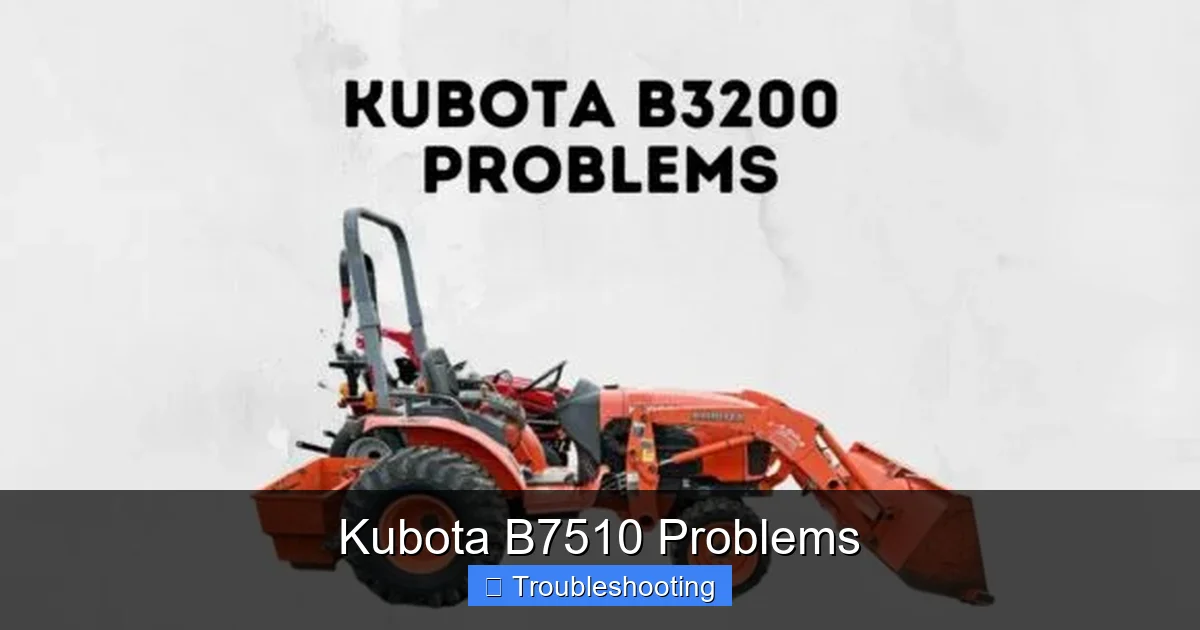
One of the most frustrating Kubota B7510 problems is engine trouble. If your tractor won’t start, stalls unexpectedly, or runs unevenly, it’s likely an engine-related issue. Let’s break down the most common causes and fixes.
Hard Starting or No Start at All
A hard start—especially in cold weather—is often a sign of fuel or electrical issues. Here’s what to check:
- Fuel Quality: Old or contaminated diesel can gum up the injectors. Always use fresh fuel and consider adding a fuel stabilizer if the tractor sits unused for long periods.
- Air Filter Clogging: A dirty air filter restricts airflow, leading to poor combustion. Inspect and replace it every 250 hours or if it’s visibly dirty.
- Fuel Filter Replacement: The fuel filter traps water and debris. Replace it annually or every 500 hours to prevent clogging.
- Battery and Cables: Weak batteries or corroded terminals are a common culprit. Clean the terminals with a wire brush and ensure the battery holds a full charge.
Engine Misfires or Loss of Power
If the engine runs rough or loses power under load, the issue may lie in the fuel injection system.
- Injectors: Worn or clogged injectors can cause misfires. Have them professionally cleaned or replaced every 1,500 hours.
- Turbocharger Problems: A failing turbo can reduce airflow and power. Listen for whining noises or black smoke from the exhaust—signs of turbo wear.
- EGR Valve Clogging: The exhaust gas recirculation (EGR) valve can build up carbon over time. Clean or replace it if you notice reduced performance.
Excessive Smoke or Strange Noises
White, blue, or black smoke from the exhaust tells a story. White smoke often means coolant is entering the combustion chamber (head gasket failure). Blue smoke indicates burning oil—possibly worn piston rings. Black smoke suggests too much fuel and not enough air, often from a dirty air filter or faulty injector.
If you hear knocking or ticking sounds, it could be low oil pressure or worn components. Check oil level and viscosity, and inspect for leaks.
Hydraulic System Failures: Leaks, Weak Lifts, and Unresponsive Controls
Visual guide about Kubota B7510 Problems
Image source: i.ytimg.com
The hydraulic system powers the loader, three-point hitch, and steering. When it fails, your B7510 becomes much less useful. Common hydraulic issues include leaks, weak lifts, and sluggish response.
Hydraulic Fluid Leaks
Leaks are usually visible under the tractor. Common sources include:
- Hoses and Fittings: Check for cracks, wear, or loose connections. Replace damaged hoses and tighten fittings.
- Seals and Gaskets: Worn seals in the pump or cylinder can cause internal leaks. This often requires professional repair.
- Reservoir Cap Issues: A cracked or faulty cap can cause pressure loss and fluid loss. Replace it if damaged.
Weak Loader or 3-Point Lift
If your loader struggles to lift or the hitch won’t raise, the issue may be:
- Low Hydraulic Fluid: Check the reservoir level. Top up with the correct grade of hydraulic oil (usually ISO VG 46).
- Pump Wear: A failing hydraulic pump reduces flow. Listen for whining or grinding noises when operating the hydraulics.
- Control Valve Sticking: Dirt or debris can jam the control valve. Clean or rebuild it as needed.
Steering Issues
If steering feels stiff or unresponsive, it could be a hydraulic steering problem. Check:
- Steering Fluid Level: Low fluid causes stiffness. Top up and inspect for leaks.
- Steering Pump: A worn pump reduces assist. Replace if noisy or underperforming.
Electrical Gremlins: Dead Battery, Bad Wiring, and Faulty Sensors
Visual guide about Kubota B7510 Problems
Image source: lawnmowerly.com
Electrical problems in the B7510 can range from annoying to critical. A dead battery or bad alternator can leave you stranded. Here’s how to troubleshoot common electrical issues.
Dead Battery or Slow Cranking
Start by testing the battery voltage. A healthy battery should read 12.6V or higher when off. If it’s below 12.2V, recharge or replace it.
- Alternator Failure: A faulty alternator won’t recharge the battery. Use a multimeter to check output—should be 13.8–14.4V while running.
- Corroded Connections: Clean battery terminals and cable ends. Corrosion prevents proper current flow.
- Starter Motor Issues: A worn starter can cause slow cranking. Listen for clicking or grinding sounds.
Warning Lights or Gauges Acting Up
If your dashboard lights flicker or gauges show erratic readings, it could be a bad sensor or wiring issue. Common culprits:
- Temperature Sensor: A faulty coolant sensor can cause overheating warnings. Replace if readings are inaccurate.
- Oil Pressure Sensor: A bad sensor may trigger false low-pressure warnings. Test with a mechanical gauge.
- Wiring Harness Damage:: Inspect for frayed wires, especially near moving parts like the steering column.
Lighting Problems
Headlights, brake lights, or turn signals not working? Check:
- Bulbs: Replace burnt-out bulbs.
- Fuses: Inspect the fuse box for blown fuses. Replace with the correct amperage.
- Ground Connections:: Poor grounding causes intermittent electrical issues. Clean and tighten ground points.
Transmission and Gear Problems: Slipping Gears and Difficulty Shifting
The B7510 has a hydrostatic transmission (HST), which offers smooth, variable speed control. But like any transmission, it can develop issues over time.
Slipping or Erratic Movement
If the tractor moves unpredictably or the HST feels loose, the issue may be:
- Low Transmission Fluid: Check the HST fluid level. Low fluid causes slipping and overheating.
- Pump or Motor Wear:: Internal wear in the HST can cause loss of power or erratic movement. This often requires professional rebuild.
- Control Linkage:: Misadjusted or worn linkage can prevent smooth throttle response. Inspect and adjust.
Difficulty Shifting or Grinding Sounds
Grinding noises during gear changes may indicate:
- Worn Clutch (if applicable): Some models have a clutch. Replace if slipping or not engaging.
- Transmission Fluid Contamination:: Old or dirty fluid can cause internal damage. Drain and replace every 2 years.
Overheating of the Transmission
Excessive heat can damage the HST. Causes include:
- Low Fluid Level:: Always maintain proper fluid level.
- Clogged Cooler Lines:: Inspect and clean the transmission cooler.
- Heavy Load or Improper Use:: Avoid prolonged high-load operation without adequate cooling.
PTO Malfunctions: Power Take-Off Won’t Engage or Runs Erratically
The Power Take-Off (PTO) engages implements like mowers and tillers. When it fails, your tractor becomes less versatile.
PTO Not Engaging
Check:
- PTO Clutch Solenoid: Test with a multimeter. Replace if not receiving power.
- PTO Switch:: Ensure it’s functioning. Replace if stuck or broken.
- Wiring Harness:: Inspect for damage or loose connections.
PTO Runs Continuously or Erratically
This may be due to:
- Faulty Clutch:: A worn PTO clutch can’t disengage. Replace if slipping.
- Electrical Issues:: Bad sensors or wiring can cause erratic operation.
Strange Noises from the PTO
Grinding or whining sounds suggest mechanical wear. Have a technician inspect the PTO assembly.
Cooling System Failures: Overheating and Radiator Issues
Overheating is a serious Kubota B7510 problem that can cause engine damage if ignored. Common causes include low coolant, clogged radiators, or a faulty thermostat.
Low Coolant Levels
Check the coolant reservoir and radiator. Top up with a 50/50 mix of antifreeze and water. Look for leaks around hoses, the radiator, or water pump.
Clogged Radiator
Grass, dirt, and debris can block the radiator fins. Clean with compressed air or a soft brush. Avoid high-pressure washes that can damage fins.
Faulty Thermostat
A stuck thermostat prevents coolant flow. Replace it if the engine overheats but the upper radiator hose stays cool.
Water Pump Failure
Listen for leaks or grinding noises. A failing water pump won’t circulate coolant properly. Replace if damaged.
Preventative Maintenance: The Best Defense Against B7510 Problems
The best way to avoid B7510 problems is through consistent maintenance. Follow these tips:
- Change Oil and Filters: Every 100–200 hours or annually.
- Inspect Hydraulic Fluid: Check level and condition monthly.
- Clean Air Filters: Replace every 250 hours.
- Check Belts and Hoses:: Look for cracks, wear, or looseness.
- Maintain Battery:: Clean terminals and test charge regularly.
- Follow the Manual:: Adhere to Kubota’s service schedule.
Regular maintenance not only prevents issues but also extends the life of your tractor.
Conclusion: Keep Your Kubota B7510 Running Strong
The Kubota B7510 is a reliable, powerful tractor—but like any machine, it needs care. From engine stalling to hydraulic leaks, understanding common Kubota B7510 problems helps you stay ahead of issues and avoid costly repairs.
By following a solid maintenance routine and knowing how to troubleshoot, you can keep your B7510 running smoothly for years. Whether you’re fixing a hard start, replacing a faulty sensor, or cleaning a clogged radiator, each small step adds up to big savings and less downtime.
Remember: when in doubt, consult your owner’s manual or a certified Kubota technician. With the right care, your B7510 will continue to be a trusted partner on the farm, in the yard, or on the job site.
Frequently Asked Questions
Why won’t my Kubota B7510 start?
Common causes include a dead battery, clogged fuel filter, or dirty air filter. Check the battery, clean or replace filters, and ensure you’re using fresh diesel. If the problem persists, inspect the starter motor and alternator.
How do I fix a hydraulic leak on my B7510?
First, identify the leak source—it could be a hose, seal, or fitting. Tighten loose connections and replace damaged hoses. For internal leaks (like from the pump), professional repair is usually needed.
What causes my B7510 to overheat?
Overheating is often due to low coolant, a clogged radiator, or a faulty thermostat. Check fluid levels, clean the radiator, and replace the thermostat if necessary. Never ignore overheating—it can damage the engine.
Why is my PTO not engaging?
Check the PTO switch, clutch solenoid, and wiring. A blown fuse or bad switch is a common cause. Test with a multimeter and replace faulty components. Mechanical wear may require professional attention.
How often should I change the oil in my B7510?
Change the engine oil and filter every 100–200 hours of operation or once per year, whichever comes first. Use high-quality diesel engine oil as recommended by Kubota.
Can I fix electrical issues myself?
Simple issues like replacing a fuse or cleaning battery terminals can be done at home. For complex problems like alternator failure or sensor faults, consult a professional to avoid further damage.

3 Comments
Pingback: Can You Use Regular Gas In Lawn Mower: Best Fuel Guide - Toplawnmower
Pingback: How To Clean Lawn Mower Air Filter: Quick Easy Guide - Toplawnmower
Pingback: How Often To Replace Lawn Mower Air Filter: Easy Guide - Toplawnmower